
The boundary between virtual entertainment and architectural reality has never been as thin as it is in the sun-drenched sprawl of Grand Theft Auto V. While the game officially takes place in the fictional state of San Andreas, the primary metropolitan area of Los Santos is a meticulous, loving, and often satirical recreation of Los Angeles. For enthusiasts looking to transform their gaming experience into a near-perfect mirror of Southern California, understanding the relationship between the game’s geography and real-world landmarks is essential. By utilizing high-fidelity textures and realism mods, players can bridge the gap between fiction and the iconic streets of California.
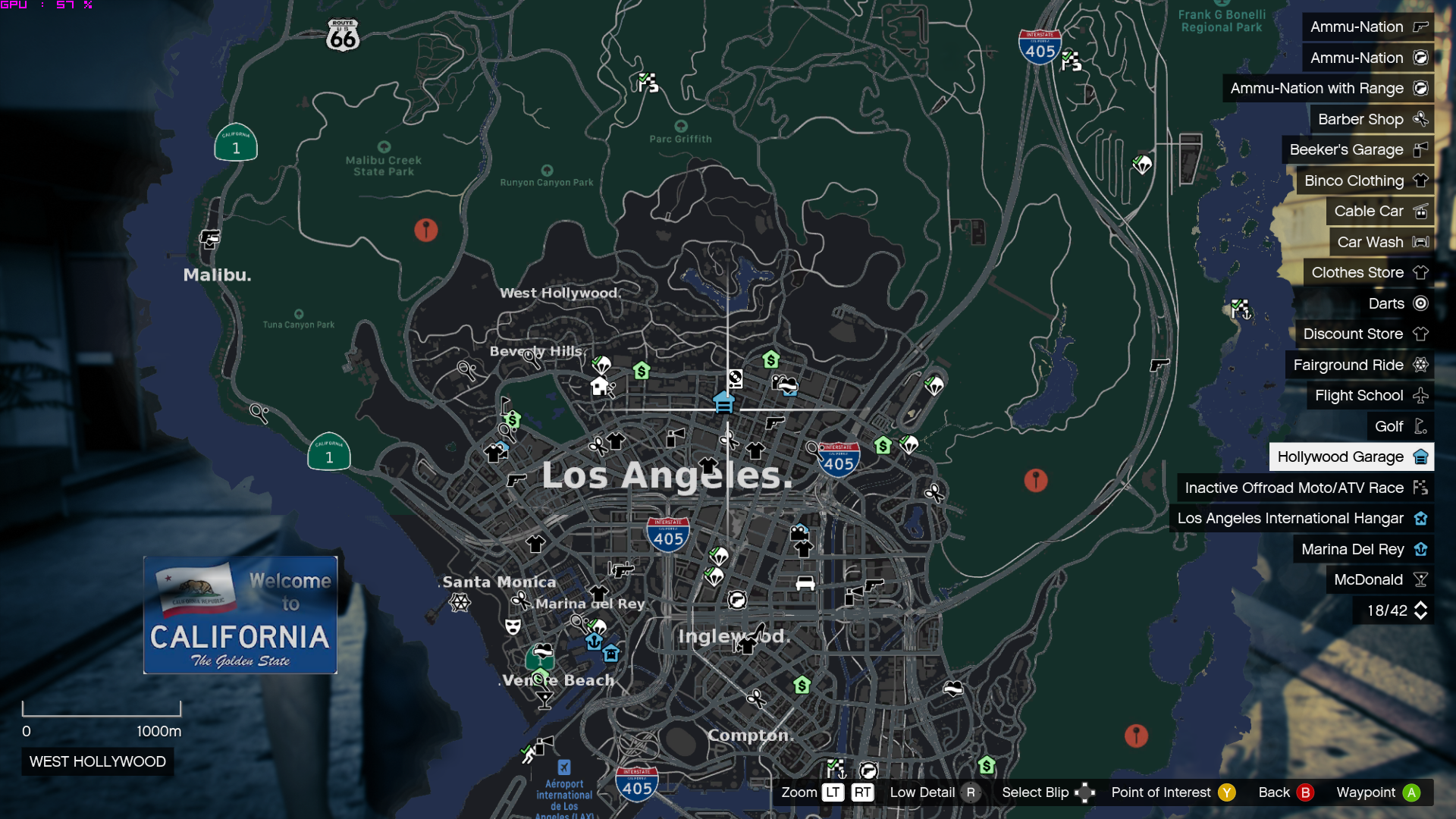
The Architectural Blueprint of Los Santos vs. Los Angeles
To truly make the game map feel like the real city, one must first recognize the architectural pillars that define the skyline. The developers at Rockstar Games did not simply guess the layout of a major city; they distilled the essence of Downtown Los Angeles into a digital core that anchors the entire map.
The Iconic Skyline of the Financial District
In the heart of the city lies the “Maze Bank Tower,” which is a direct digital twin of the U.S. Bank Tower. This skyscraper, with its distinctive circular crown, has long been the crown jewel of the Los Angeles skyline. To enhance the realism of this area, players often use modification suites that replace the fictional branding with the actual logos of U.S. Bank. Surrounding this tower are other notable structures, such as the fictional “Union Depository,” which draws inspiration from the Aon Center. The interplay of these glass-and-steel giants creates a canyon-like atmosphere that mimics the specific light-and-shadow play found on Wilshire Boulevard.
Santa Monica Pier and the Del Perro Dream
Moving west, the transition from the urban core to the coast is defined by the recreation of Santa Monica. In the game, this is known as Del Perro. The most vital landmark here is the pier, a carbon copy of the Santa Monica Pier. From the solar-powered Ferris wheel of Pacific Park to the wooden planks that creak under the weight of tourists, the digital version captures the seaside nostalgia perfectly. To make this area feel more authentic, enthusiasts often look for mods that restore the specific signage of Bubba Gump Shrimp Co and the historical markers that signal the end of Route 66.
Cultural Landmarks: Bringing Hollywood to Vinewood
No transformation of the map is complete without addressing the cultural heartbeat of the city: Hollywood. In the game, this district is rebranded as Vinewood, but the landmarks remain unmistakable. These sites are the primary touchstones for anyone attempting to turn their digital environment into a realistic tourism guide.
The TCL Chinese Theatre and the Walk of Fame
The “Oriental Theater” in the game is a stunningly accurate representation of the TCL Chinese Theatre. Its distinctive pagoda-style architecture and the surrounding courtyard—where the footprints of legends are immortalized in cement—serve as the centerpiece of the Hollywood Boulevard equivalent. Just a few steps away, the game features a version of the Dolby Theatre, the home of the Academy Awards. By applying texture packs that introduce real-world movie posters and the actual star names on the Hollywood Walk of Fame, players can simulate the chaotic, neon-lit energy of this historic district.
The Griffith Observatory and its Digital Twin
Perched high above the city in the game’s “Vinewood Hills” is the Galileo Observatory, a faithful recreation of the Griffith Observatory. This Art Deco masterpiece is one of the most photographed landmarks in the United States. In the game, it provides the same sweeping views of the basin below, just as the real observatory looks out over Griffith Park. To achieve maximum realism, players often use weather mods that replicate the specific “marine layer” fog or the orange-hued smog that often settles over the Los Angeles Basin at sunset, creating an atmospheric experience that feels less like a game and more like a photograph.
Natural Landscapes: From the Pacific Coast to the San Gabriel Mountains
Beyond the concrete and neon, the geography of Southern California is defined by its dramatic natural contrasts. To truly “make” the map into Los Angeles, one must account for the rugged coastline and the towering peaks that frame the city.
Malibu and the Rugged Beauty of Paleto Bay
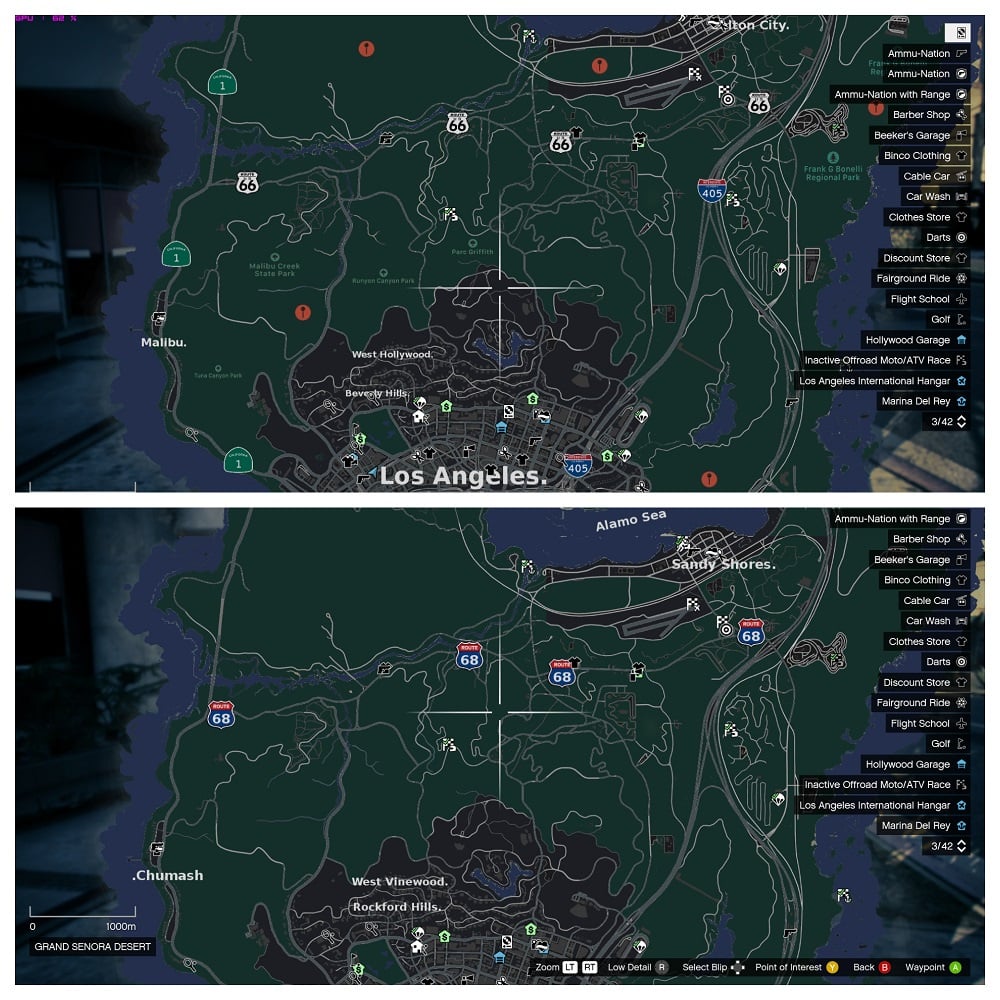
While the northern part of the game map, Blaine County, leans heavily into the aesthetics of the Salton Sea and the Mojave Desert, the coastal drives are pure Malibu. The winding roads of Pacific Coast Highway are mirrored in the game’s Great Ocean Highway. Landmarks like the Point Dume cliffs are represented in the jagged rock formations near Chumash. Realism mods often focus on the water shaders of the Pacific Ocean, ensuring that the turquoise shallows and deep blue swells match the real-world coastal conditions of Ventura County.
The Urban Oasis of Echo Park Lake
In the more residential areas of the map, the game features a park that is clearly inspired by Echo Park. Complete with a central lake and a view of the skyline, this area captures the gentrifying, artistic vibe of the Eastside Los Angeles neighborhoods. By replacing the generic park textures with those that include the specific lotus flowers and swan pedal boats found at Echo Park Lake, the map gains an added layer of geographical specificity. This attention to detail extends to the Los Angeles River, the concrete-lined waterway that has served as a backdrop for countless films and is a major feature of the game’s eastern industrial zone.
Enhancing the Experience: Realism Mods and Geographical Accuracy
The final step in transforming the game map is the implementation of “Total Conversion” mods. These are community-driven projects that aim to replace every fictional brand, street sign, and landmark with its real-world counterpart.
Recreating the Infrastructure of Southern California
Projects such as “L.A. Revo” or “Realism Beyond” are designed to overhaul the entire visual library of the game. This includes changing the “LSPD” police cruisers to the black-and-white units of the Los Angeles Police Department and updating the highway signs to reflect the actual exits for Interstate 5 and Interstate 10. Even the public transit is not ignored; mods can transform the game’s trains into the Los Angeles Metro Rail system. This level of detail ensures that every corner of the map, from the luxury boutiques of Rodeo Drive (Portola Drive in-game) to the historic Chateau Marmont, feels grounded in reality.

The Future of Virtual Tourism in Gaming
As hardware capabilities increase, the ability to create a 1:1 digital twin of a city becomes more feasible. For now, the combination of the base game’s incredible world-building and the dedication of the modding community allows players to explore Los Angeles without ever leaving their homes. Whether it is a sunset drive past the Capitol Records Building or a walk through the neon glow of the Sunset Strip, the digital recreation of these landmarks offers a unique form of virtual tourism. By focusing on these specific locations and using the tools available to enhance graphical fidelity, the map of Los Santos effectively becomes a living, breathing map of the City of Angels.
In conclusion, making the game map feel like Los Angeles is a multifaceted process that involves recognizing the real-world history behind the digital architecture. From the heights of the U.S. Bank Tower to the shores of Venice Beach, the landmarks of California provide the essential skeleton for the most immersive urban environment ever created in gaming. By leaning into the details—the signs, the flora, the light, and the iconic structures—anyone can turn a digital playground into a sophisticated architectural tour.
LifeOutOfTheBox is a participant in the Amazon Services LLC Associates Program, an affiliate advertising program designed to provide a means for sites to earn advertising fees by advertising and linking to Amazon.com. Amazon, the Amazon logo, AmazonSupply, and the AmazonSupply logo are trademarks of Amazon.com, Inc. or its affiliates. As an Amazon Associate we earn affiliate commissions from qualifying purchases.