
California, a state renowned for its breathtaking landscapes, vibrant cities, and diverse attractions, also faces the annual challenge of forest fires. For travelers planning a visit, understanding the prevalence, location, and impact of these fires is crucial for ensuring a safe, enjoyable, and responsible experience. While fires are a natural, albeit increasingly intense, part of the state’s ecosystem, staying informed is key to navigating its beauty with peace of mind. This guide aims to provide insightful information on where forest fires typically occur, how to monitor their activity, and what travelers need to consider to make their California adventure memorable for all the right reasons.
Understanding California’s Fire Landscape
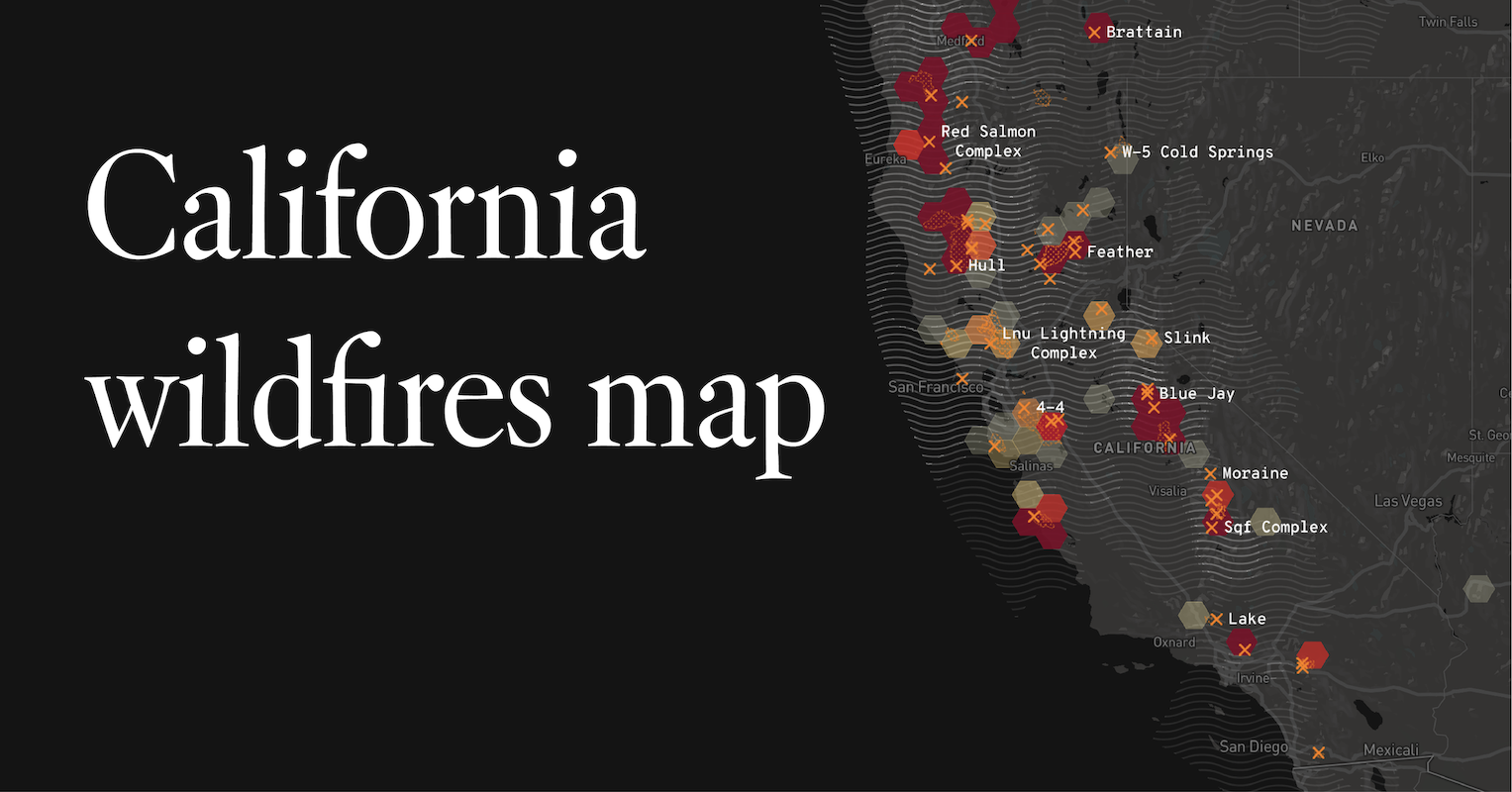
California’s unique geography, climate, and vegetation create an environment highly susceptible to wildfires. From the dense forests of the north to the chaparral-covered hills of the south, various regions experience different fire dynamics, making it essential for travelers to grasp the broader context of the state’s fire landscape.
A Seasonal Challenge
Historically, California’s fire season traditionally spanned from late spring through late autumn, peaking in the hottest, driest months. However, due to climate change, prolonged droughts, and warmer temperatures, this “season” has dramatically lengthened, often becoming a year-round concern. Key contributing factors include:
- Drought Conditions: Years of below-average rainfall leave vegetation extremely dry, turning forests and brushlands into tinderboxes.
- Santa Ana Winds and Diablo Winds: These powerful, dry, and often hot winds, particularly prevalent in Southern California (Santa Anas) and Northern California (Diablo Winds), can rapidly spread small fires into massive infernos, carrying embers for miles.
- Chaparral and Coniferous Forests: California’s native chaparral shrubs are highly flammable, adapted to fire, while vast coniferous forests, particularly in the Sierra Nevada, offer abundant fuel.
Understanding these underlying conditions helps explain why fires can erupt with such intensity and unpredictability across different parts of the state at varying times of the year.
Key Fire-Prone Regions
While no part of California is entirely immune to wildfires, some regions are historically more susceptible due to their vegetation, topography, and weather patterns. These include:
- Northern California Forests: Areas like the Shasta-Trinity National Forest, Lassen National Forest, and the Klamath National Forest are often susceptible to large-scale blazes, impacting communities and natural attractions. The forested areas surrounding Redding and towards the Oregon border are frequently affected.
- Sierra Nevada Mountain Range: This majestic range, home to iconic national parks like Yosemite National Park, Sequoia National Park, and Kings Canyon National Park, experiences significant fire activity, especially in its lower and mid-elevations. The dense conifer forests and rugged terrain can make firefighting challenging and pose risks to popular hiking trails and campgrounds.
- Coastal Mountain Ranges (e.g., Big Sur, Wine Country): The rugged coastal mountains, including the Santa Cruz Mountains and the hills of Sonoma and Napa Valley, are prone to fires, particularly when strong winds meet dry conditions. These fires can impact scenic routes, vineyards, and quaint towns. The picturesque region of Big Sur along Highway 1 has also experienced significant fires, occasionally leading to road closures and impacting access to its stunning coastline.
- Southern California Wildlands: From the Angeles National Forest to the Cleveland National Forest and the sprawling deserts bordering urban areas like Los Angeles and San Diego, the combination of dense chaparral and Santa Ana winds makes this region highly vulnerable. Fires here can directly threaten residential communities and critical infrastructure.
Travelers should be aware that fires can occur anywhere there is dry vegetation, but these areas represent some of the most consistent hotspots.
Navigating Travel During Fire Season
Traveling through California during fire season requires a proactive and flexible approach. The key is to stay informed, prioritize safety, and understand how fires might impact specific destinations and travel plans.
Essential Information Sources
Reliable and up-to-date information is your best tool. Before and during your trip, consult these vital resources:
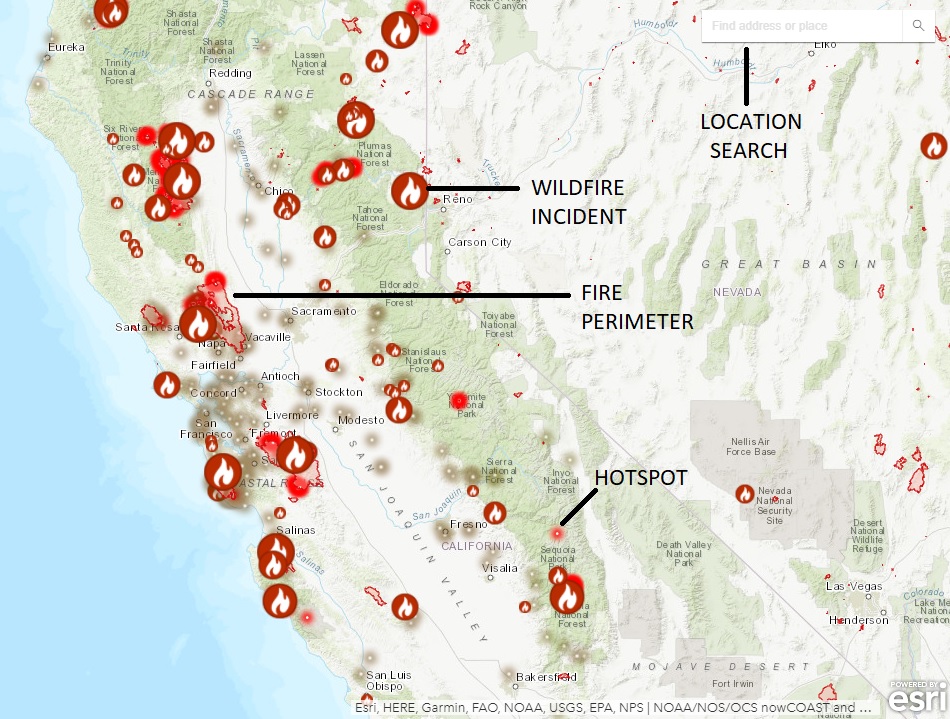
- CalFire (California Department of Forestry and Fire Protection): CalFire’s website (www.fire.ca.gov) is the official source for current fire incidents, maps, and statistics. Their “Incidents Overview” provides real-time updates on active fires across the state.
- Local Emergency Management Agencies: County sheriff’s offices and local fire departments often issue localized alerts, evacuation orders, and road closure information.
- National Park Service (NPS) Websites: If visiting national parks or forests, check the specific park’s website directly for current conditions, closures, and air quality advisories (e.g., [Yosemite, Sequoia & Kings Canyon, Joshua Tree National Park]).
- Traffic and Road Conditions: Use Caltrans Quickmap (quickmap.dot.ca.gov) or Google Maps for real-time road closures and traffic impacts due to fires or smoke.
- Air Quality Monitoring: Websites like AirNow.gov provide critical information on the Air Quality Index (AQI) in various regions, indicating potential health risks from smoke.
Bookmark these sites and check them regularly, especially if your itinerary includes fire-prone areas.
Impact on Popular Destinations
Even if a fire isn’t directly on your path, its indirect effects can still influence your travel experience.
- National Parks and Forests: Fires can lead to temporary closures of entire parks, specific trails, campgrounds, or visitor centers. Smoke can also significantly reduce visibility, obscure scenic views, and make outdoor activities unpleasant or even unsafe. Always verify the status of your chosen park or forest before heading out. For instance, Yosemite National Park or Sequoia National Park might remain open, but certain roads or iconic groves could be inaccessible.
- Scenic Routes: Famous drives like the Pacific Coast Highway (PCH), particularly through Big Sur, can experience closures or detours due to fires, landslides (often post-fire), or heavy smoke. Inland routes, especially those traversing mountainous terrain, are also vulnerable.
- Major Cities and Urban Areas: While fires rarely directly impact the core of cities like San Francisco or Los Angeles, smoke plumes can travel hundreds of miles, resulting in hazy skies, poor air quality, and ashfall. This can affect outdoor activities, dining experiences, and overall comfort, especially for individuals with respiratory sensitivities.

Air Quality and Health Concerns
Smoke from wildfires contains fine particulate matter that can be harmful to health, even at a distance from the fire source. Checking the Air Quality Index (AQI) is paramount, particularly for travelers with respiratory conditions, the elderly, or young children.
- What to Look For: An AQI above 100 is generally considered unhealthy for sensitive groups, and above 150 is unhealthy for everyone.
- Protective Measures: If the AQI is high, consider limiting outdoor activities, keeping windows closed, using air purifiers if available in your accommodation, and wearing an N95 mask if you must be outdoors. Adjusting your itinerary to areas with better air quality is often the best solution.
Travel Safety and Preparedness
A well-informed traveler is a safe traveler. Planning and preparedness are essential when visiting California, especially during periods of elevated fire risk.
Before You Go
Proactive steps can save you time, stress, and potential danger.
- Monitor Fire Activity in Your Destination: Several weeks before your trip, begin monitoring fire reports for your chosen destinations and surrounding areas.
- Check Accommodation Status: If you’ve booked hotels or rentals, confirm their operational status. Fires can lead to evacuations, structural damage, or power outages affecting accommodations.
- Have Alternative Plans: Be flexible. Have backup destinations or activities in mind if your primary plans are disrupted. For example, if a park is closed, research nearby museums, coastal towns, or other attractions that are unaffected.
- Consider Travel Insurance: Purchase comprehensive travel insurance that covers cancellations or interruptions due due to natural disasters. Read the policy carefully to understand what is covered.
- Pack an Emergency Kit: Keep a small kit in your car with essentials like water, snacks, a first-aid kit, N95 masks, a flashlight, and a fully charged power bank for your phone.
During Your Trip
Staying vigilant and responsive is crucial while traveling within California during fire season.
- Stay Informed: Continue to check official sources daily for updates on fires, road closures, and air quality. Pay attention to local news and emergency alerts.
- Heed All Warnings and Orders: If you receive an evacuation warning or order, comply immediately. Do not wait for conditions to worsen. Local authorities prioritize public safety, and these orders are issued for a reason.
- Know Your Escape Routes: Familiarize yourself with multiple routes to exit the area you are visiting, especially if you are in a remote or forested location.
- Fire Safety Practices: Exercise extreme caution with anything that could spark a fire. This includes campfires (check restrictions, which are often strict or prohibit them entirely), cigarettes (never toss from a vehicle), and parking hot vehicles on dry grass. Adhere to all local regulations regarding fire prevention.
Responsible Tourism in Fire-Affected Areas
When fires do occur, the impact on local communities can be devastating and long-lasting.
- Support Local Businesses (When Safe): If an area is open and safe to visit after a fire, consider spending your tourism dollars there. Local businesses often struggle in the aftermath of a disaster, and your support can aid their recovery.
- Respect the Environment and Recovery Efforts: Understand that burned areas are fragile and undergoing a natural recovery process. Do not trespass into closed areas. Respect wildlife displacement and the efforts of first responders and recovery teams.
- Educate Yourself: Learn about California’s fire ecology and the ongoing efforts to manage and prevent wildfires. This deeper understanding fosters more responsible and empathetic travel.
Beyond the Flames: California’s Resilience and Recovery
Despite the recurrent challenges, California remains an extraordinarily resilient state, both ecologically and culturally. Fires, while destructive, are also a natural, albeit often intense, part of many California ecosystems, paving the way for new growth and biodiversity.
The Landscape’s Natural Cycle
Many of California’s plant species, particularly in chaparral and some forest types, are fire-adapted, relying on fire for seed germination and nutrient cycling. While recent megafires are outside historical norms in terms of size and intensity, the landscape does begin a recovery process, often with surprising speed. New wildflowers bloom, saplings emerge, and the ecosystem gradually rebuilds. Travelers may encounter areas of regrowth and renewal, offering a different, yet equally compelling, perspective on nature’s enduring power.
Supporting Local Communities
The human spirit of California is also incredibly resilient. Communities impacted by fires often pull together with immense strength and determination. For travelers, choosing to visit and support areas that are open and welcoming helps these communities rebuild their economies and their spirit. Engage with locals, dine at their restaurants, stay in their accommodations, and purchase from their shops. Your presence, when safe and responsible, sends a powerful message of solidarity and support.
In conclusion, traveling to California is an enriching experience that every adventurer should undertake. While the reality of forest fires is an important consideration, it should not deter you from exploring this magnificent state. By staying informed through official sources, adhering to safety guidelines, and exercising flexibility, you can confidently plan a memorable trip that respects both the beauty and the challenges of California’s natural environment. Embrace the adventure with awareness, and discover the diverse wonders that await.
LifeOutOfTheBox is a participant in the Amazon Services LLC Associates Program, an affiliate advertising program designed to provide a means for sites to earn advertising fees by advertising and linking to Amazon.com. Amazon, the Amazon logo, AmazonSupply, and the AmazonSupply logo are trademarks of Amazon.com, Inc. or its affiliates. As an Amazon Associate we earn affiliate commissions from qualifying purchases.