
Southern California stands as one of the world’s most alluring travel destinations, a vibrant tapestry of sun-drenched beaches, majestic mountains, sprawling deserts, and dynamic urban centers. Millions flock to its shores annually, drawn by its iconic landmarks, diverse cultural experiences, and unparalleled outdoor adventures. However, like many regions blessed with natural beauty, Southern California also faces environmental challenges, most notably the seasonal threat of wildfires. For the informed traveler, understanding the dynamics of these fires, where they typically occur, and how to navigate their potential impact is not just prudent—it’s essential for ensuring a safe, enjoyable, and uninterrupted journey. This guide aims to equip you with the knowledge needed to confidently plan your visit, empowering you to stay informed and make responsible decisions, ensuring that your Southern California experience remains unforgettable for all the right reasons.

Understanding Wildfire Dynamics in Southern California
Wildfires are a natural, albeit often devastating, part of Southern California’s ecological cycle. Their occurrence is not random but rather a complex interplay of climate, terrain, and weather patterns. For travelers, grasping these fundamentals is the first step toward informed decision-making.
The Climate and Terrain: Why Southern California is Prone
Southern California is characterized by a Mediterranean climate, meaning hot, dry summers and mild, wet winters. This distinct pattern fosters the growth of highly flammable vegetation, particularly chaparral and coastal sage scrub, which thrive on the region’s diverse topography of canyons, hills, and mountains. As the long, dry summers progress, this vegetation dries out, turning into potent fuel. The situation is often exacerbated by the infamous Santa Ana winds—hot, dry, downslope winds that typically blow from the desert toward the coast, primarily in the fall and early winter. These winds act like a natural bellows, rapidly spreading embers and fanning flames across vast distances, often accelerating a small spark into a major conflagration within hours. Understanding this unique combination of fuel, topography, and wind is crucial to appreciating the inherent fire risk in many parts of the region.
Seasonal Patterns and Peak Fire Seasons
While fires can technically occur year-round, Southern California experiences distinct peak fire seasons. The most intense period typically runs from late summer through fall and into early winter (roughly August to December). This aligns directly with the driest part of the year and the increased frequency of Santa Ana wind events. During these months, the vegetation is at its most desiccated, creating prime conditions for rapid fire spread. Travelers planning trips during these times should exercise heightened vigilance and stay particularly attuned to local weather forecasts and fire warnings. Spring and early summer can also see significant fire activity, especially following years with abundant rainfall that leads to lush growth, which then dries out quickly.
Types of Fires and Their Impact
Wildfires in Southern California can manifest in various forms, each with distinct implications for travelers:
- Brush Fires: The most common type, occurring in wildland-urban interface areas. These fires spread rapidly through chaparral and scrub, often forcing immediate evacuations and leading to road closures. Their quick onset and unpredictable path pose significant challenges for local authorities and travelers alike.
- Forest Fires: While less frequent in the scrublands of the immediate coast, forest fires occur in the higher elevations of the region’s national forests, such as the San Bernardino National Forest or the Cleveland National Forest. These can be large, long-burning incidents, impacting air quality over wide areas and leading to extensive closures of recreational lands.
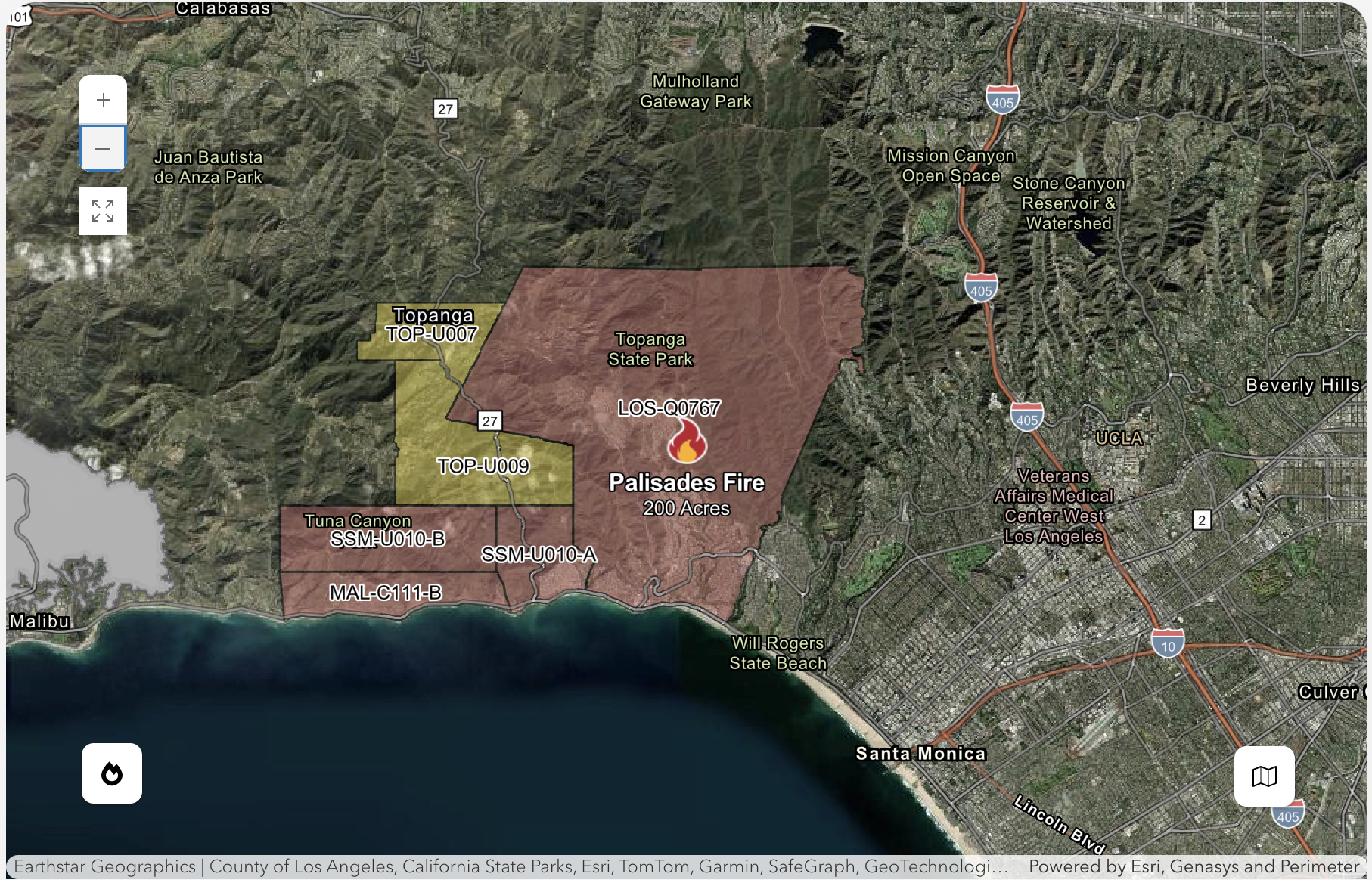
- Urban Interface Fires: These are particularly dangerous as they threaten homes and infrastructure directly. While major urban centers like Los Angeles or San Diego are generally not directly engulfed by wildfires, areas on their periphery, bordering wildlands (e.g., parts of Malibu, the Santa Clarita Valley, or foothills in Orange County), are highly vulnerable.
Beyond the immediate danger, the most widespread impact on travelers is often air quality degradation due to smoke and ash, which can drift hundreds of miles from a fire’s origin. This can affect outdoor activities, scenic views, and respiratory health, even in areas far removed from the actual flames. Road closures, due to either direct fire threat or heavy smoke, can also significantly disrupt travel plans, necessitating detours or even cancellations.
Navigating Travel During Fire Season: Essential Resources and Updates
Staying informed is paramount when traveling through Southern California during fire season. Relying on accurate, real-time information from official sources can make the difference between a smooth trip and a frustrating or even dangerous situation.
Official Information Sources: Staying Ahead of the Smoke
To stay current on wildfire activity, travelers should bookmark and regularly check these authoritative resources:
- CAL FIRE: The California Department of Forestry and Fire Protection provides statewide information on active incidents, containment status, and preventative measures. Their website is an indispensable first stop.
- National Interagency Fire Center (NIFC): For a broader perspective on large-scale incidents, NIFC offers national fire maps and incident reports, useful for understanding the larger context.
- Local Emergency Services: For granular, hyper-local information, refer to the websites and social media feeds of county fire departments, such as the Los Angeles County Fire Department, Orange County Fire Authority, or Riverside County Fire Department. These agencies often provide the most immediate updates on local incidents and evacuation orders.
- Weather Forecasts: The National Weather Service (NWS) issues critical “Red Flag Warnings” when fire conditions are extreme. Understanding these warnings can help you anticipate dangerous conditions.
- Air Quality Reports: Monitoring air quality is crucial, especially for those with respiratory sensitivities. Resources like AQMD (South Coast Air Quality Management District) for the Los Angeles basin and EPA AirNow provide real-time air quality index (AQI) maps and health recommendations.
Road Conditions and Evacuation Zones
Wildfires frequently lead to road closures and, critically, evacuation orders. Navigating these requires specific resources:
- Caltrans: The California Department of Transportation website (roads.dot.ca.gov) provides real-time updates on state highway closures and traffic incidents, an absolute must for anyone driving.
- Local Sheriff/Police Departments: These agencies issue mandatory evacuation orders. Follow their directives immediately and without hesitation. Many have public information officers active on social media during incidents.
- Mapping Tools: Apps like Google Maps and Waze can often provide real-time traffic updates and suggest alternative routes around closures, though they should always be cross-referenced with official road closure data from Caltrans or local law enforcement.
Travel Advisories and Insurance Considerations
Before and during your trip, consider these aspects:
- Travel Advisories: Airlines, hotels, and tour operators will often issue advisories or flexible cancellation policies during significant fire events. Contact your providers directly.
- Travel Insurance: Review your travel insurance policy carefully. Many policies cover trip interruption or cancellation due to natural disasters, but terms vary widely. Understand what is covered (e.g., mandatory evacuations, flight cancellations) and what might be excluded. It’s often advisable to purchase “cancel for any reason” (CFAR) insurance if you’re particularly concerned about flexibility.
Protecting Your Trip: Pre-Travel Planning and On-the-Ground Safety
Proactive planning and adherence to safety guidelines are your best defense against the disruptions and dangers posed by wildfires.
Flexible Booking and Contingency Plans

When booking travel to Southern California during fire season, flexibility is key:
- Opt for Flexible Bookings: Choose refundable flights and accommodations whenever possible. This offers peace of mind should your plans need to change due to fire activity.
- Develop Alternative Plans: Have a backup itinerary or even an alternative destination in mind. If your planned hiking trip to a national forest is jeopardized, could you pivot to a coastal city excursion, for example?
- Emergency Kit: While not strictly for travel, a small emergency kit in your car (water, snacks, flashlight, first-aid, phone chargers, N95 masks) can be invaluable for unexpected detours or delays.
Air Quality and Health Precautions
Smoke exposure can be a serious health concern, even for those far from the flames:
- Monitor AQI: Regularly check local Air Quality Index (AQI) reports. If the AQI is unhealthy, limit outdoor activity.
- Respiratory Protection: Consider carrying N95 or KN95 masks, especially if you have respiratory conditions (asthma, COPD). These can help filter out fine particulate matter from smoke.
- Indoor Retreats: If air quality is poor, prioritize indoor activities. Keep windows and doors closed, and use air conditioning with a recirculating function if available.
Respecting Evacuation Orders and Emergency Personnel
This is non-negotiable for both your safety and the efficiency of emergency operations:
- Evacuate Immediately: If an evacuation order is issued for your area, leave without delay. Do not wait for conditions to worsen. Local authorities have your best interests at heart.
- Avoid Fire Areas: Do not attempt to drive into or near fire zones to sightsee or for any non-essential reason. This can impede emergency vehicles, put yourself at risk, and divert critical resources.
- Follow Directions: Adhere to all instructions from emergency personnel, law enforcement, and traffic controllers.
Iconic Southern California Destinations and Fire Risk Assessment
While the entire region is susceptible to wildfires, the specific risks and impacts vary significantly across different types of destinations.
Coastal vs. Inland: Varying Levels of Exposure
- Coastal Areas: Destinations like Santa Barbara, Malibu, Santa Monica, and San Diego are generally at lower direct risk of being engulfed by wildfires, due to lower fuel loads and the moderating influence of the ocean. However, these areas are frequently impacted by smoke and ash, particularly during strong Santa Ana wind events that push inland smoke toward the coast. This can affect beach activities, scenic views, and overall air quality.
- Inland Areas and Foothills: Regions bordering vast wildlands, such as parts of Ventura County, Riverside County, San Bernardino County, and the eastern fringes of Los Angeles County and Orange County, face a higher direct threat. These areas are often where fires ignite and spread rapidly through chaparral and canyon systems, necessitating frequent evacuations and road closures.
National Parks and Wilderness Areas
Southern California is home to stunning natural preserves, many of which are inherently high-risk fire environments:
- Joshua Tree National Park: While primarily desert, this park is susceptible to fires, especially after a wet winter leads to prolific growth that then dries out. Closures can occur, impacting hiking and camping.
- Death Valley National Park: Though extremely hot and dry, flash floods can sometimes create conditions for vegetation growth, making certain areas fire-prone. The main concern for travelers is often extreme heat.
- Anza-Borrego Desert State Park: Similar to Joshua Tree, vegetation can dry out and become fuel.
- National Forests: The San Bernardino National Forest, Cleveland National Forest, and Los Padres National Forest are prime wildfire territory. During high fire danger, these forests often implement strict fire restrictions (e.g., no campfires) or even complete closures. Always check park and forest service websites before visiting.
Major Urban Centers and Tourist Hubs
Major cities like Los Angeles, San Diego, and the central areas of Orange County (e.g., Anaheim, home to Disneyland) are generally safe from direct wildfire encroachment due to extensive development and fire breaks. The primary impact here for travelers is air quality. Smoke plumes can reduce visibility, trigger health alerts, and make outdoor activities less pleasant or even unsafe, prompting a shift towards indoor attractions like museums, shopping centers, or entertainment venues.
Supporting Southern California’s Resilience
Traveling responsibly in Southern California means not only staying safe but also understanding and respecting the region’s efforts to manage and recover from wildfires.
Ethical Travel During Recovery
After a wildfire, affected communities face a long road to recovery. Travelers can play a positive role:
- Support Local Businesses: When safe to do so, visit and support businesses in recovering communities. Your tourism dollars can be a lifeline.
- Respect Damaged Areas: Avoid entering areas that are closed for ecological restoration or safety reasons. Respect posted signage and give nature time to heal.
- Volunteer (If Appropriate): If you are a long-term visitor or resident and feel compelled to help, seek out reputable local organizations that coordinate volunteer efforts, ensuring you are assisting safely and effectively.
Long-Term Impacts and Conservation Efforts
Wildfires leave a lasting mark on the landscape and ecosystems. Understanding this helps foster a deeper appreciation for the region:
- Ecosystem Recovery: Learn about how chaparral ecosystems, for instance, are adapted to fire and how they recover. Observe the resilience of nature.
- Fire Prevention and Mitigation: Recognize the ongoing efforts by agencies like CAL FIRE and local land managers to reduce fire risk through controlled burns, fuel breaks, and public education.
- Responsible Tourism: Practice fire-safe habits yourself: obey fire restrictions, properly extinguish cigarettes, and avoid any activity that could inadvertently spark a fire.
In conclusion, Southern California remains a breathtaking and welcoming destination for travelers from around the globe. While the threat of wildfires is a reality, it shouldn’t deter you from experiencing its magic. By staying informed through official channels, planning with flexibility, and adhering to safety guidelines, you can navigate the fire season with confidence. Embrace preparedness as an integral part of your travel ethos, allowing you to fully enjoy the diverse landscapes and vibrant culture that make Southern California truly unique. Your awareness and responsible actions contribute not only to your own safety but also to the well-being and resilience of this remarkable region.
LifeOutOfTheBox is a participant in the Amazon Services LLC Associates Program, an affiliate advertising program designed to provide a means for sites to earn advertising fees by advertising and linking to Amazon.com. Amazon, the Amazon logo, AmazonSupply, and the AmazonSupply logo are trademarks of Amazon.com, Inc. or its affiliates. As an Amazon Associate we earn affiliate commissions from qualifying purchases.