
Choosing the right accommodation is often the most critical decision in the travel planning process. It is the sanctuary you return to after a day of exploration, the base from which you navigate a new city, and the environment that can either elevate or dampen your entire experience. Whether you are planning a weekend escape to London or a month-long residency in Tokyo, the question of “Which hotel?” requires a strategic approach that balances budget, location, and personal preferences.
The modern landscape of the hospitality industry has expanded far beyond traditional guest rooms. Today, travelers are met with a dizzying array of options, from sprawling Marriott International properties to intimate boutique residences. Navigating this selection requires an understanding of what makes a property suitable for your specific journey.

Decoding Your Travel Style: The First Step in Selection
Before diving into search engines, it is essential to define the nature of your trip. The “best” hotel is a subjective concept that changes based on the purpose of your travel and the companions joining you.
Identifying Needs vs. Wants
The foundation of a successful booking lies in distinguishing between essential requirements and luxury desires. For a business trip to New York City, high-speed Wi-Fi, a central location near Manhattan, and efficient laundry services may be non-negotiable. Conversely, for a honeymoon in The Maldives, the focus shifts toward privacy, overwater villas, and world-class dining. By listing your deal-breakers early, you can filter out hundreds of unsuitable options and focus on properties that meet your core criteria.
The Solo Traveler vs. Family Dynamics
Accommodation needs vary significantly depending on who is traveling. Solo travelers often prioritize safety and social opportunities, frequently gravitating toward properties with communal lounges or centrally located Boutique Hotels that offer a sense of community. On the other hand, families traveling through France or Italy require more space and specific amenities. For these groups, connecting rooms or multi-bedroom suites at a Hilton or a local resort are often the most practical choices to ensure everyone has sufficient comfort and privacy.
Business vs. Leisure Requirements
The divide between business and leisure travel—often referred to as “bleisure”—has blurred, yet the fundamental requirements remain distinct. A business traveler may prefer the reliability and loyalty rewards of a Global Chain, such as the Hyatt Hotels Corporation. These properties provide standardized excellence and executive lounges. Leisure travelers, however, may seek out the unique charm and historical significance of a property like the Ritz-Carlton in Vienna, where the architecture is as much a part of the experience as the stay itself.
Navigating the Landscape of Modern Accommodations
The sheer variety of stays available today means that “hotel” is no longer a one-size-fits-all term. Understanding the nuances between different categories of accommodation is key to making an informed choice.
Luxury Hotels and Resorts
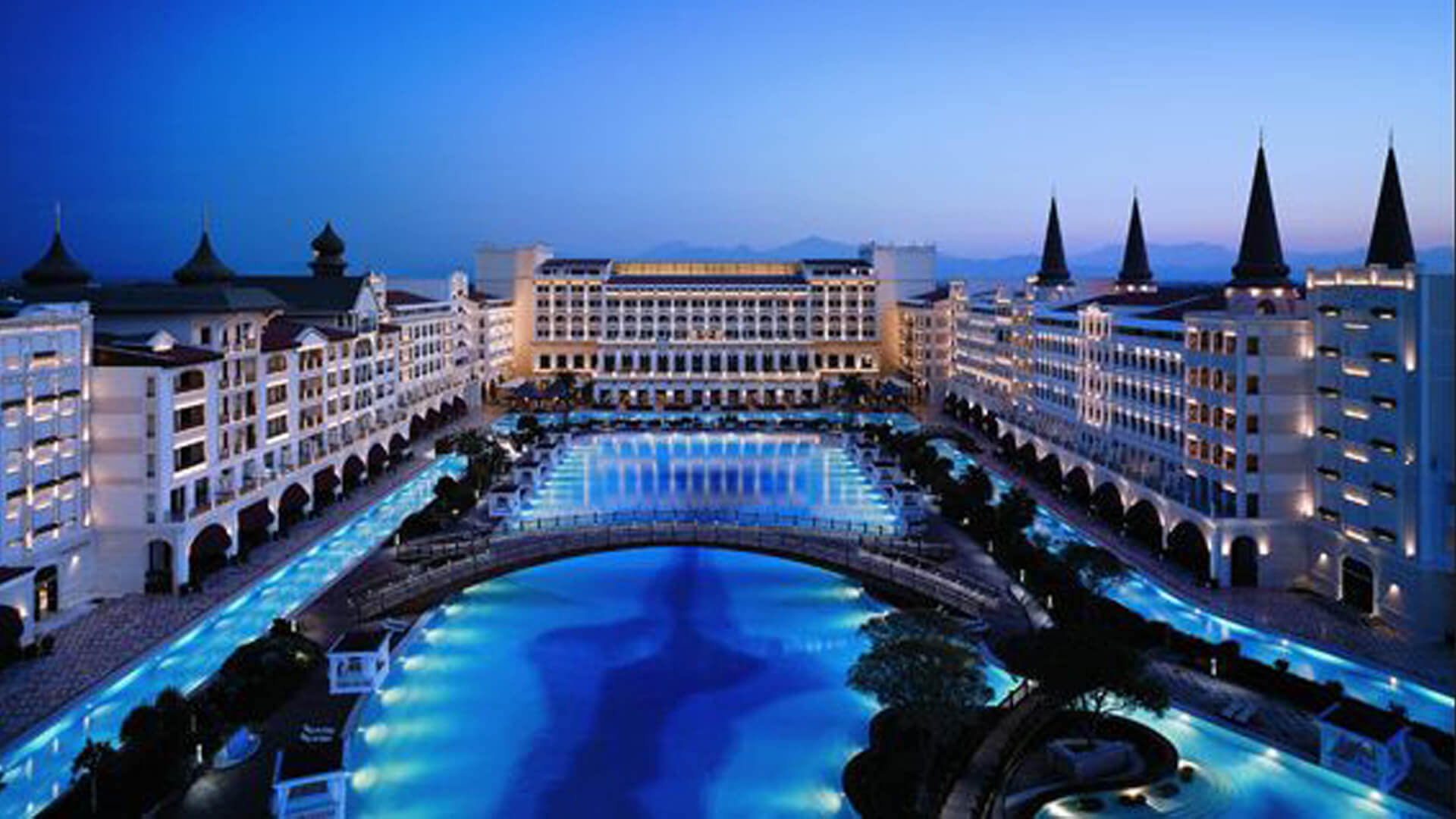
For those seeking the pinnacle of service and amenities, luxury hotels and resorts offer an unparalleled experience. Brands like Four Seasons and Aman Resorts have built reputations on meticulous attention to detail and personalized service. These properties are often landmarks in their own right, such as the Burj Al Arab in Dubai. Staying in such locations is about more than just a room; it is about accessing exclusive spas, Michelin-starred dining, and a level of concierge service that can curate every aspect of your stay in the United Arab Emirates.
Boutique Stays and Character Properties
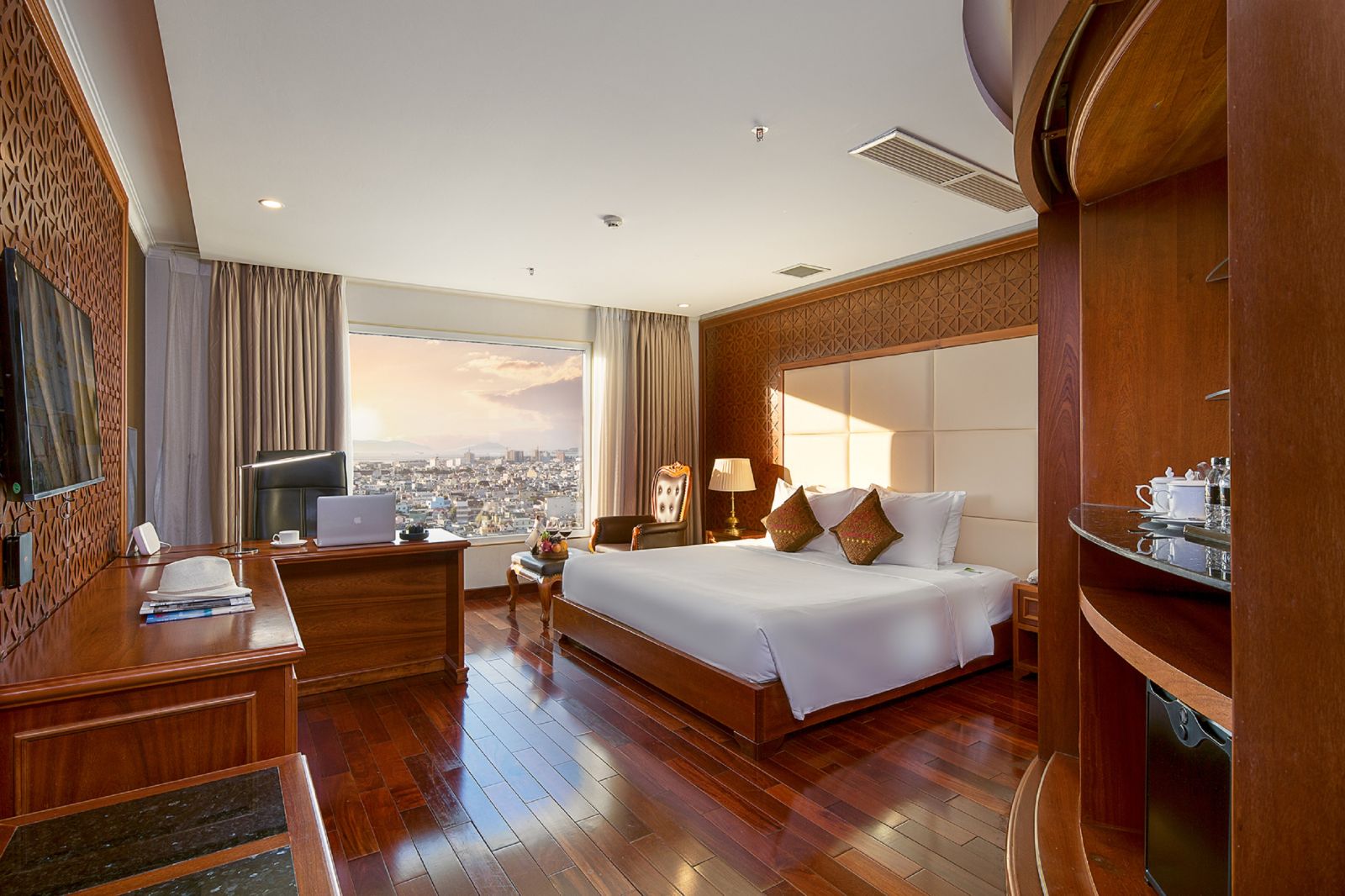
Boutique hotels have gained immense popularity by offering a localized, intimate alternative to larger chains. These properties typically have fewer than 100 rooms and emphasize unique design, local culture, and a distinct personality. If you are staying in Paris, a boutique hotel in the Le Marais district might offer a more authentic connection to the city’s history than a standardized skyscraper. These hotels often prioritize “lifestyle” elements, featuring locally sourced art and curated minibars that reflect the spirit of France.
Serviced Apartments and Long-term Rentals
For extended stays or travelers who prefer a “home away from home” feel, serviced apartments and platforms like Airbnb provide a different level of flexibility. Having a kitchen and separate living area can be a game-changer for long-term stays in cities like Sydney or Singapore. This category is particularly appealing for those who want to live like a local, shop at regional markets, and avoid the potential “cabin fever” of a standard hotel room.
Critical Factors for Comparison
Once you have narrowed down the type of stay, the next step is a side-by-side comparison. Not all four-star hotels are created equal, and several key factors should influence your final decision.
Location and Accessibility
A hotel’s location can significantly impact both your budget and your time. While a property on the outskirts of London might be cheaper, the cost and time of commuting to the British Museum or Buckingham Palace can quickly offset those savings. Use mapping tools to check proximity to public transportation, such as the Tokyo Subway or the New York City Subway. Ideally, your accommodation should be within walking distance of at least a few major interest points or transit hubs.
Analyzing Amenities and Facilities
Never assume that a standard set of amenities exists across all regions. In Europe, air conditioning is not always guaranteed in older, historic buildings, while in North America, it is considered basic. Check for specific facilities that matter to you: Is there a fitness center? Is breakfast included? What are the parking fees in a city like Los Angeles? For those traveling to Japan, the presence of an onsen (hot spring bath) within the hotel can be a deciding factor for a truly cultural experience.
The Value of Verified Reviews
While professional photos can be misleading, user-generated reviews offer a glimpse into the reality of a stay. Look for recent reviews on platforms like TripAdvisor or Google Maps. Pay attention to recurring themes rather than isolated complaints. If multiple guests mention slow elevators in a Chicago high-rise or exceptional service at a Rosewood Hotels & Resorts property, those are likely accurate reflections of the guest experience.
Strategic Booking and Maximizing Value
The final stage of the “Which Hotel?” journey is the actual booking process. In the digital age, prices fluctuate based on demand, season, and even the device you use to browse.
Timing Your Reservation
Booking at the right time can save hundreds of dollars. For peak seasons in Switzerland during the ski months or Japan during cherry blossom season, booking several months in advance is essential. Conversely, for business hubs like Frankfurt, weekend rates are often significantly lower as the corporate crowd departs. Using comparison sites like Booking.com or Expedia allows you to track price drops and secure “free cancellation” options, which provide flexibility if your plans change.
Loyalty Programs and Membership Benefits
Frequent travelers should never overlook the power of loyalty programs. Organizations like Marriott Bonvoy or World of Hyatt offer perks that go beyond mere points. Membership can lead to room upgrades, late check-outs, and access to exclusive lounges. If you find yourself frequently staying in United States cities, sticking to one or two major chains can result in significant long-term value and a more consistent travel experience.
Avoiding Hidden Fees and Surcharges
The price you see is not always the price you pay. Many hotels, particularly in the United States and specifically in Las Vegas, charge mandatory “resort fees” that cover things like pool access or Wi-Fi. These can add $30 to $50 per night to your bill. Always check the fine print for local taxes, tourism levies, and parking charges before confirming your stay. Being aware of these costs upfront prevents unpleasant surprises at check-out.
In conclusion, answering the question “Which hotel?” is an art of balancing logic with intuition. By understanding your specific needs, researching the diverse types of accommodations available, and meticulously comparing locations and reviews, you can ensure that your stay is more than just a place to sleep. Whether it is the historic grandeur of a palace in India or the sleek minimalism of a skyscraper in Hong Kong, the right choice will serve as the perfect backdrop to your travel memories.
LifeOutOfTheBox is a participant in the Amazon Services LLC Associates Program, an affiliate advertising program designed to provide a means for sites to earn advertising fees by advertising and linking to Amazon.com. Amazon, the Amazon logo, AmazonSupply, and the AmazonSupply logo are trademarks of Amazon.com, Inc. or its affiliates. As an Amazon Associate we earn affiliate commissions from qualifying purchases.