
When one thinks of Texas, images of vast landscapes, sprawling ranches, and an independent spirit often come to mind. It’s a state that embodies a sense of immensity, from its wide-open plains to its significant economic and cultural influence within the United States. But just how big is Texas on a global scale? The Lone Star State is famously larger than many countries, a fact that often surprises people and sparks curiosity about geographical comparisons. This article delves into that very question, exploring the surprising number of sovereign nations whose landmass is eclipsed by the size of this single American state.

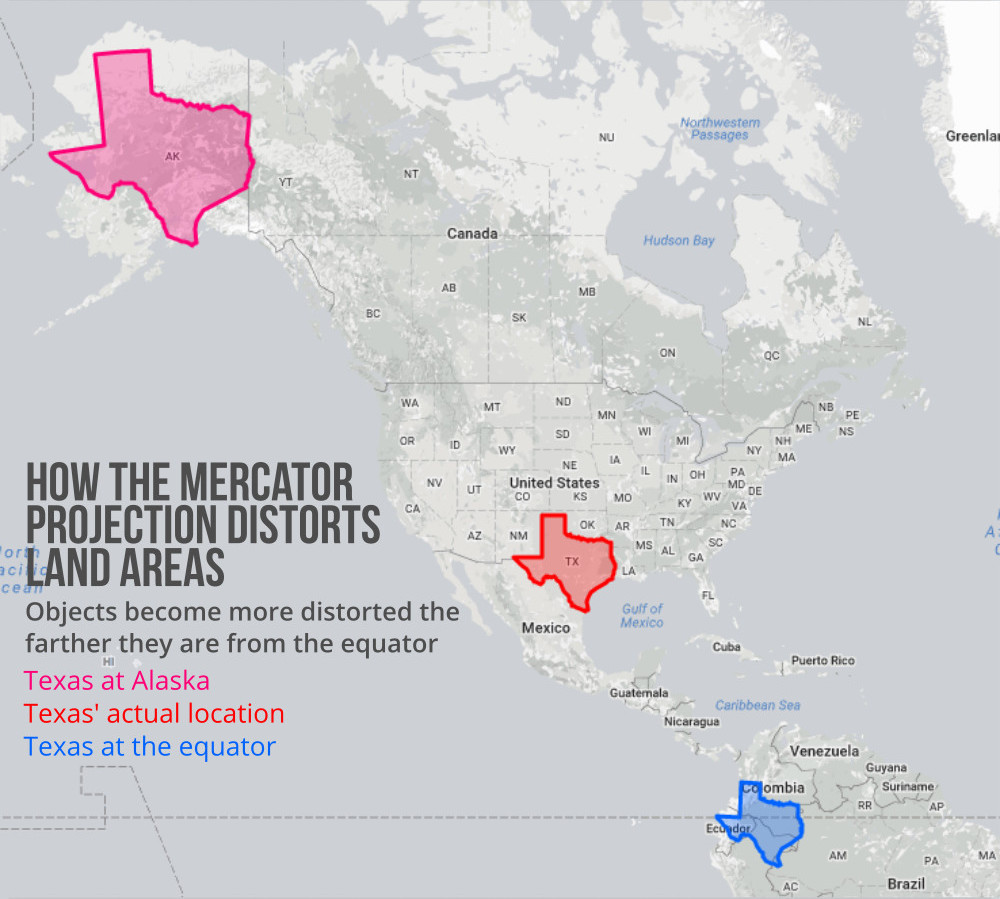
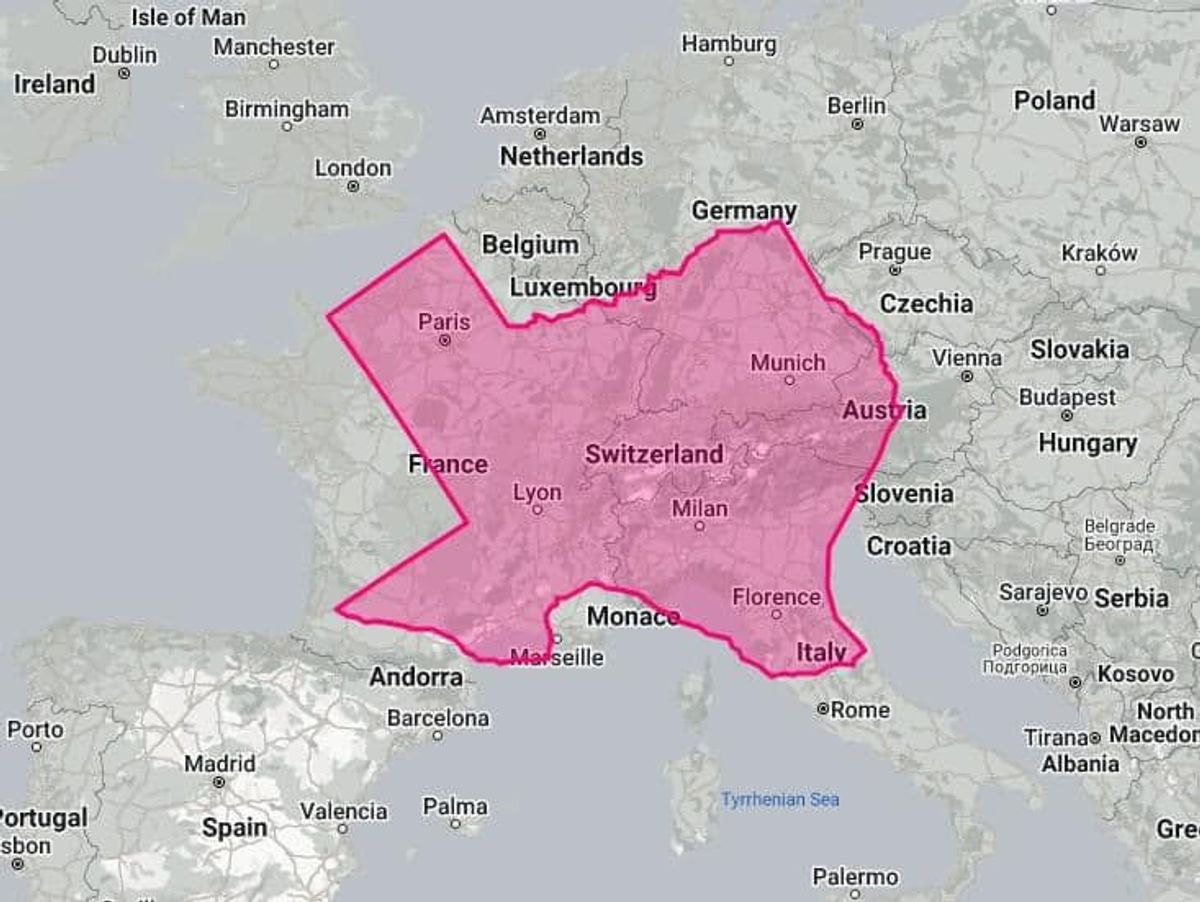
The sheer scale of Texas is impressive. Covering approximately 268,596 square miles (695,662 square kilometers), it’s the second-largest state in the United States by both area and population. Its diverse geography ranges from the piney woods of East Texas to the desert landscapes of the West, and its coastline stretches along the Gulf of Mexico. To put its size into perspective, imagine trying to drive across Texas; it’s a journey that can take days, covering hundreds of miles. This inherent vastness makes the idea that entire countries could fit within its borders a fascinating thought experiment.
The world is comprised of over 195 recognized countries, each with its own unique history, culture, and geographical footprint. Comparing these to the size of a single U.S. state highlights the varied scales of human settlement and territorial organization across the globe. For travelers, understanding these geographical differences can add another layer of appreciation to their journeys, revealing how much can be experienced within a relatively compact area or how expansive a single region can be.
This exploration will journey through the diverse tapestry of nations that, in terms of sheer land area, are dwarfed by Texas. We’ll consider countries from different continents, offering a glimpse into their geographical realities and perhaps sparking ideas for future travel explorations. Prepare to be surprised as we discover that even some well-known nations fall short of the Lone Star State’s impressive dimensions.
A Realm of Nations: Countries Embraced by Texan Scale
The idea that a single U.S. state can be larger than numerous countries is a testament to the grand scale of North America. When we talk about countries smaller than Texas, we are referring to sovereign nations recognized by the United Nations. These countries, while smaller in land area, often possess rich histories, vibrant cultures, and significant global influence, demonstrating that size is not the sole determinant of a nation’s importance.
European Jewels and Island Nations
Many European countries, steeped in centuries of history and dotted with iconic landmarks, are significantly smaller than Texas. Their compact size often means that attractions, from historical cities to picturesque coastlines, are within relatively easy reach of each other, making them ideal for immersive travel experiences.
Consider the United Kingdom, a nation of immense historical and cultural significance. England, Scotland, Wales, and Northern Ireland together span an area that is considerably less than Texas. Imagine exploring the ancient castles of Scotland, the charming villages of the Cotswolds in England, the dramatic cliffs of Wales, and the vibrant streets of Belfast in Northern Ireland—all within a landmass that could fit comfortably within the Lone Star State. The United Kingdom‘s rich tapestry of traditions, from London‘s iconic landmarks like the Buckingham Palace and the Tower of London to the rugged beauty of the Scottish Highlands, offers endless exploration for any traveler.
Similarly, the charming nation of Ireland, known for its rolling green hills and warm hospitality, is also smaller than Texas. The Republic of Ireland offers a wealth of experiences, from the lively pubs of Dublin to the stunning Cliffs of Moher and the ancient sites scattered across the island. Its size makes it an excellent destination for road trips, allowing visitors to soak in the diverse landscapes and cultural heritage at a relaxed pace.
Other European nations that fall into this category include Portugal, with its sun-drenched beaches, historic cities like Lisbon and Porto, and distinctive cuisine. The nation’s compact size makes it easy to experience its diverse regions, from the Douro Valley wine country to the Algarve’s coastal resorts. Austria, famed for its imperial history in Vienna, its alpine landscapes, and its classical music heritage, is another example. Travelers can easily transition from exploring the grandeur of Schönbrunn Palace to skiing in the Tyrol.
And then there are the island nations, which, by their very nature, are often smaller than continental landmasses. Japan, an archipelago nation with a fascinating blend of ancient traditions and futuristic modernity, is smaller than Texas. From the bustling metropolis of Tokyo with its neon-lit streets and serene temples, to the cultural heart of Kyoto and the natural beauty of Mount Fuji, Japan offers a remarkably diverse range of experiences within its borders. The convenience of its high-speed rail network, the Shinkansen, makes navigating between its islands and cities incredibly efficient.
Iceland, the “Land of Fire and Ice,” is another striking example. This island nation, known for its dramatic volcanic landscapes, geysers, hot springs, and the mesmerizing Northern Lights, is considerably smaller than Texas. Traveling through Iceland is an adventure in itself, with the Ring Road offering a circular route to explore its unique geological wonders, from the Blue Lagoon to the Golden Circle.
The Netherlands, famous for its windmills, tulip fields, and picturesque canals, is also smaller than Texas. Amsterdam, its vibrant capital, offers world-class museums like the Rijksmuseum and the Van Gogh Museum, alongside charming canal cruises and historic architecture. The country’s flat terrain and excellent cycling infrastructure make it a joy to explore.
Asian Tigers and African Gems
Beyond Europe, several nations in Asia and Africa also find themselves geographically encompassed by the scale of Texas. These countries, often characterized by rapid development or deep-rooted traditions, showcase the incredible diversity of the planet.
South Korea, a hub of technological innovation and vibrant pop culture, is smaller than Texas. Seoul, its dynamic capital, is a city that pulses with energy, offering cutting-edge technology, bustling street markets, ancient palaces like Gyeongbokgung Palace, and delicious street food. Beyond the capital, visitors can explore the historical city of Gyeongju or the beautiful island of Jeju.
Further south, Sri Lanka, the “Pearl of the Indian Ocean,” is another nation that is smaller than Texas. This island nation boasts a remarkable variety of landscapes, from lush tea plantations in the hill country to pristine beaches and ancient ruins. Travelers can explore historic temples in Anuradhapura, witness the wildlife in Yala National Park, or relax on the golden sands of the south coast.
In Africa, several countries are also dwarfed by Texas. Ghana, a nation known for its rich history, particularly its role in the transatlantic slave trade, and its welcoming people, is smaller. Visitors can explore the historic forts along the coast, such as Cape Coast Castle, experience the vibrant markets of Accra, and witness the diverse wildlife in its national parks.
Rwanda, often referred to as the “Land of a Thousand Hills,” is smaller than Texas. Despite its tragic past, Rwanda has emerged as a beacon of progress and conservation. It is most famously known for its gorilla trekking opportunities in Volcanoes National Park, offering an unforgettable wildlife encounter.
The sheer number of countries that can fit within Texas is quite astonishing. It underscores the vastness of certain geographical entities within Earth‘s landmass and provides a fascinating perspective for travelers planning their global adventures. Whether it’s the compact charm of a European nation or the sprawling landscapes of a continent, each country offers a unique world to discover.
Geographical Comparisons: Beyond Just Size
Understanding that numerous countries are smaller than Texas prompts a deeper consideration of geographical comparisons and their implications for travel and lifestyle. It’s not just about square miles; it’s about how that space is utilized, what resources are available, and how it shapes the human experience within those borders.
Microstates and Island Archipelagos
The smallest countries in the world, often referred to as microstates, are, by definition, significantly smaller than Texas. These nations, some of which are barely larger than a city, offer unique insights into concentrated human settlements and governance.
Among the most well-known microstates is the Vatican City, the smallest country in the world, located within Rome, Italy. It is a mere 0.49 square kilometers in size, making it infinitesimally smaller than Texas. Its significance lies not in its size but in its role as the spiritual and administrative center of the Roman Catholic Church, home to iconic landmarks like St. Peter’s Basilica and the Sistine Chapel.
Monaco, a principality on the French Riviera, is another famous microstate. Renowned for its glamorous casinos, Formula 1 Grand Prix, and luxury lifestyle, Monaco is still dwarfed by Texas. Its concentrated opulence and picturesque coastal setting make it a sought-after destination for a particular segment of travelers.
San Marino, the oldest republic in the world, is an enclave within Italy. Its historic castles and commanding views make it a charming destination, though its land area is a fraction of Texas.
Beyond microstates, several island archipelagos, while potentially comprising multiple islands, have a total land area that is less than Texas. These nations often develop unique cultures and ecosystems due to their isolation.
The Maldives, an archipelago nation in the Indian Ocean, is a prime example. Famous for its luxury resorts, overwater bungalows, and pristine turquoise waters, the Maldives offers an unparalleled tropical paradise experience. Despite its numerous islands and atolls, its total landmass is significantly smaller than Texas. Staying at a resort like the Four Seasons Landaa Giraavaru provides an immersive experience in this stunning environment.
The Bahamas, another island nation in the Atlantic Ocean, is also smaller than Texas. This archipelago is a popular tourist destination, known for its white-sand beaches, vibrant coral reefs, and lively atmosphere. Islands like New Providence with its capital Nassau and the resort island of Paradise Island attract millions of visitors annually.
Implications for Travel and Accommodation
The geographical scale of a country or region has direct implications for travel planning and the types of accommodation available. For travelers choosing destinations smaller than Texas, the pace of exploration can be different.
In compact European nations like Ireland or Portugal, one can realistically cover significant ground and experience diverse attractions within a week or two. This allows for a more focused and immersive travel experience, where journeys between cities or natural landmarks are shorter. Hotels, from boutique options in historic centers to seaside resorts, are abundant, catering to various tastes and budgets. Booking a stay at a charming inn in the Irish countryside or a luxurious hotel in Lisbon is straightforward, with ample options for comparison and reviews available.
For island nations like the Maldives or the Bahamas, the focus of travel often revolves around specific resort experiences or island-hopping adventures. Accommodation is frequently designed to maximize the enjoyment of the surrounding natural beauty, with an emphasis on water sports, relaxation, and fine dining. Long-term stays might involve renting a private villa or a well-appointed apartment, offering a more extended immersion in the tropical lifestyle.
Conversely, the sheer size of Texas itself presents a different kind of travel challenge and opportunity. Exploring its vast expanse requires careful planning, often involving multiple destinations and significant driving distances. A trip to Texas might involve experiencing the urban energy of Houston or Dallas, the historical significance of San Antonio, the rugged beauty of Big Bend National Park, or the coastal charm of Galveston. Accommodation options are equally diverse, ranging from sprawling resorts and luxury hotels to budget-friendly motels and unique vacation rentals. The concept of “lifestyle” in Texas is also tied to its scale, from the luxury of a ranch stay to the practicality of a business trip requiring extended accommodation in a major city.
The comparison between countries smaller than Texas and Texas itself highlights the incredible diversity of geographical scales across the globe. Each offers unique travel experiences, accommodation styles, and lifestyle possibilities, proving that a deep dive into any destination, regardless of its size, can be an enriching adventure.
A World of Experiences: Connecting Geography to Lifestyle and Tourism
The geographical comparison of countries to the size of Texas is more than just an academic exercise; it directly influences the types of experiences travelers can have, the local culture they encounter, and the overall lifestyle associated with a destination.
Diverse Tourism and Cultural Immersion
Nations smaller than Texas, whether densely populated city-states or sprawling archipelagos, offer concentrated cultural experiences. In South Korea, for example, the rapid development and technological prowess coexist with deep-rooted traditions. Tourists can immerse themselves in the vibrant K-pop scene in Seoul, explore ancient Buddhist temples, and savor the complexities of Korean cuisine. The proximity of major attractions allows for a rich itinerary, often accessible via efficient public transportation, including high-speed rail. Visiting landmarks like the Gyeongbokgung Palace and experiencing a traditional tea ceremony can easily be incorporated into a short trip.
In Ireland, the emphasis is on natural beauty and historical narratives. Traveling the Wild Atlantic Way, visiting ancient monastic sites like Glendalough, or experiencing traditional music sessions in a cozy pub offers a deep dive into local culture. The friendly nature of the Irish people often facilitates genuine cultural exchange, making even short trips feel profoundly enriching. The focus is on connection – with the landscape, history, and people.
Even in a nation like Japan, with its blend of the ancient and the ultra-modern, the efficient infrastructure means that diverse experiences are readily accessible. From the serene gardens of Kyoto to the futuristic districts of Tokyo, the country offers a seamless blend of tradition and innovation. The culinary landscape is a significant draw, with Michelin-starred restaurants alongside humble ramen shops, each offering a distinct facet of Japanese gastronomy.
Accommodation Choices for Every Traveler
The scale of a destination also influences the types of accommodation that are prevalent and the amenities offered. In smaller European countries, you’ll find a range of options from charming bed and breakfasts and boutique hotels in historic city centers to modern apartments for rent. For families, finding villas with private pools or apartments with kitchens can provide a comfortable and convenient base for exploration. Luxury travelers might opt for renowned hotels in capitals like London or Paris, seeking world-class amenities and service.
For island destinations like the Maldives or the Bahamas, the accommodation landscape is often dominated by resorts and private villas. These establishments are designed to offer an all-encompassing experience, with amenities such as private beaches, water sports facilities, multiple dining options, and spa services. The focus is on relaxation, indulgence, and direct access to the natural environment. Booking a suite with an ocean view or a secluded villa becomes the primary way to experience the lifestyle of these paradises.
In contrast, Texas itself offers an incredibly diverse range of accommodation. From the luxury suites in the high-rise hotels of Houston and Dallas, catering to business travelers and those seeking urban sophistication, to the sprawling ranches offering a taste of the cowboy lifestyle, and the family-friendly resorts along the Gulf Coast, the Lone Star State has something for everyone. Long-term stays might involve renting apartments in bustling city centers or finding extended-stay hotels that offer more home-like amenities. The “lifestyle” aspect of Texas is deeply intertwined with its geography, offering experiences from high-octane city living to the quiet solitude of the vast countryside.
Ultimately, whether exploring a country smaller than Texas or the vastness of Texas itself, the fundamental goal of travel is to experience new places, cultures, and ways of life. Geography plays a crucial role in shaping these experiences, dictating the pace of exploration, the types of activities available, and the very essence of the lifestyle one can adopt, even if temporarily. Each destination, regardless of its size relative to Texas, holds a unique universe of experiences waiting to be discovered.
LifeOutOfTheBox is a participant in the Amazon Services LLC Associates Program, an affiliate advertising program designed to provide a means for sites to earn advertising fees by advertising and linking to Amazon.com. Amazon, the Amazon logo, AmazonSupply, and the AmazonSupply logo are trademarks of Amazon.com, Inc. or its affiliates. As an Amazon Associate we earn affiliate commissions from qualifying purchases.