
California, a state synonymous with innovation, diverse landscapes, and a pioneering spirit, continually seeks to balance its burgeoning population and robust tourism industry with its commitment to environmental stewardship. For the discerning traveler or the eco-conscious explorer, the presence of “green and white” buses across the Golden State signals more than just a specific livery; it often represents a commitment to accessible, sustainable, and integrated public transportation that serves both urban sprawls and scenic routes. This article delves into the significance of these distinctive buses, their role in navigating California’s vast terrain, and how they contribute to a greener, more connected travel experience.
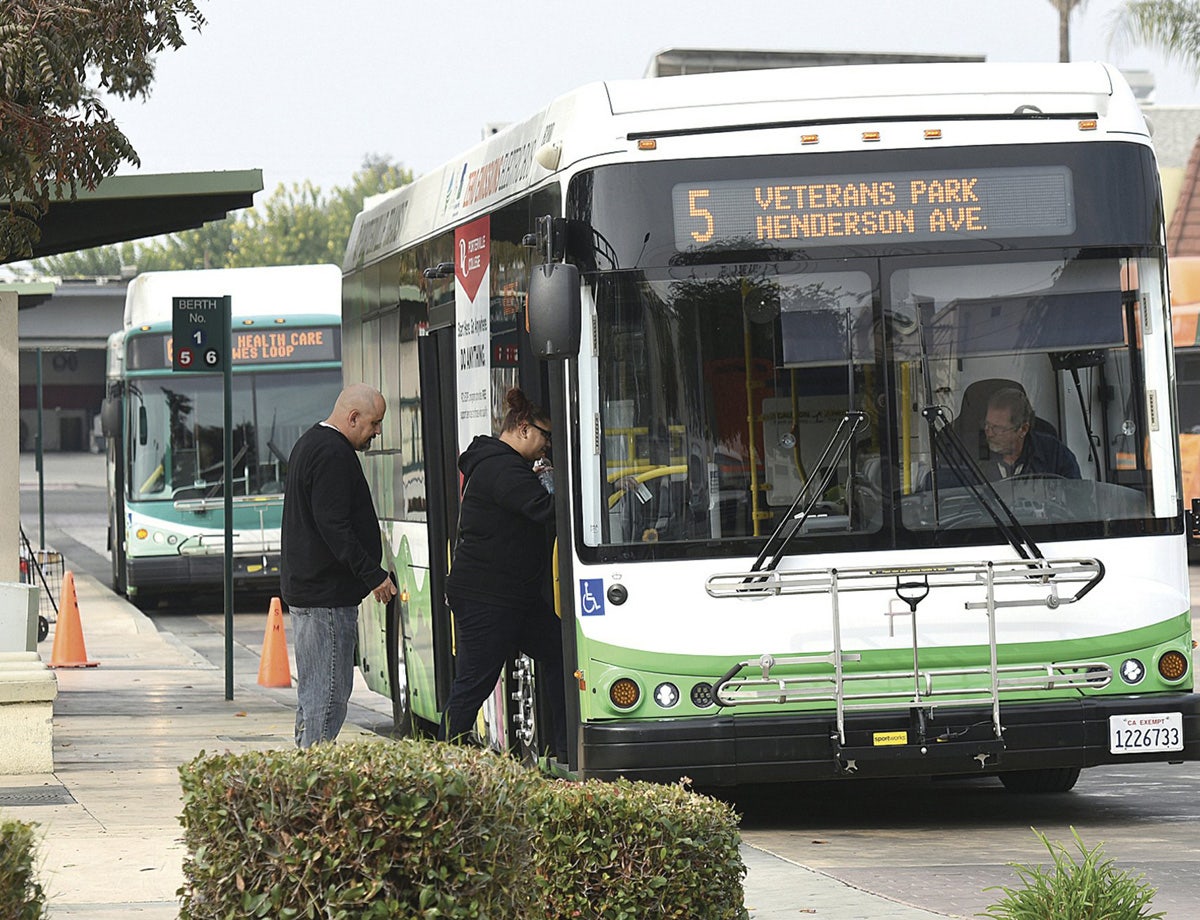
Decoding the Green and White: An Overview of California’s Distinctive Bus Services
The “green and white” motif, while not universally adopted by a single bus company across all of California, typically signifies services that prioritize either environmental sustainability or a particular branding that aims for visual distinction and clarity. In a state as forward-thinking as California, “green” often implies a focus on cleaner fuels, reduced emissions, and eco-friendly operations, aligning with the state’s aggressive climate goals. “White,” in conjunction, often provides a clean, modern aesthetic, suggesting reliability and a contemporary approach to public transit.
These color schemes can manifest in various forms:
- Intercity Connectors: Services designed to link major cities and regions, often serving as a crucial alternative to private vehicle travel or air travel for shorter distances. They connect bustling metropolitan areas like Los Angeles, San Francisco, and San Diego.
- Regional Transit Systems: Within specific counties or metropolitan areas, local bus networks may adopt such liveries to signify their commitment to local residents and regional connectivity. Examples include systems in Orange County or those serving the expansive Central Valley.
- Specialized Tour or Shuttle Services: Occasionally, private operators focusing on eco-tourism or specific attractions might use green and white to highlight their sustainable practices or distinct brand.
The common thread is an emphasis on public accessibility and an underlying move towards reducing the carbon footprint associated with travel. These buses are integral to California’s multifaceted transportation strategy, offering efficient and often scenic routes for both daily commuters and adventurous travelers.
The Role of Public Transit in California’s Green Future
California has long been a trailblazer in environmental policy. The state’s commitment to reducing greenhouse gas emissions has profoundly impacted its transportation sector. Many public transit agencies across California are actively transitioning their fleets to electric, hydrogen fuel cell, or natural gas-powered buses. This push towards cleaner energy sources is a direct manifestation of the “green” aspect suggested by our title. These efforts not only reduce air pollution but also contribute to a quieter urban environment, enhancing the quality of life for residents and the experience for visitors.
For instance, the LA Metro, serving Los Angeles County, is one of the largest transit agencies in the U.S. and has significant initiatives to electrify its bus fleet. Similarly, agencies in the Bay Area, such as Muni in San Francisco, are also heavily invested in green technologies. While their liveries might vary, the spirit of “green” operation is consistently present. Travelers choosing these services are directly supporting California’s environmental goals.
Navigating California’s Regions: Where to Find Green and White Routes
The visibility of “green and white” buses, or services embodying their spirit, varies geographically across California. From the bustling urban corridors to the serene routes leading to natural wonders, these services offer a unique perspective on the state.
Urban and Intercity Connections
In major metropolitan areas, public transit networks are extensive. While specific green and white liveries might belong to particular regional operators, the concept of interconnected, clean-energy buses is prevalent.
- Southern California: Beyond LA Metro, services like Metrolink (primarily rail but with crucial bus connections) serve vast portions of Southern California, linking Los Angeles with Orange County, the Inland Empire, and San Diego. Many of these bus connections use modern, often fuel-efficient vehicles.
- Northern California: The Bay Area boasts robust networks, including BART feeder buses and independent county transit systems that prioritize efficient and increasingly green fleets. Connections between San Francisco, Oakland, San Jose, and surrounding areas are well-established.
- Statewide Intercity Travel: For longer journeys, services like Amtrak Thruway buses (which connect with Amtrak rail services), Greyhound, and FlixBus crisscross the state. While not always sporting a green and white uniform, many of these operators are also investing in newer, more fuel-efficient models to align with consumer demand for sustainable travel.
Reaching California’s Natural Wonders
The “green” aspect becomes particularly relevant when considering access to California’s renowned natural attractions. Many national and state parks offer shuttle services designed to reduce traffic congestion and protect delicate ecosystems. While these might not carry a consistent “green and white” livery statewide, their purpose embodies the spirit. For instance, services to Yosemite National Park or within the Lake Tahoe basin demonstrate localized commitments to sustainable transport, enabling visitors to enjoy pristine environments without adding to vehicular pollution. These services are crucial for accessing areas like the Sierra Nevada foothills or specific points along the Coastal California scenic byways without a personal vehicle.
The Environmental Edge: Sustainability and the Future of California Bus Travel
The phrase “green and white” resonates deeply with California’s pioneering efforts in environmental protection and sustainable development. The “green” component is not just a marketing slogan but a reflection of tangible advancements in public transportation technology and policy.
Advancements in Fleet Technology

California is a global leader in the adoption of zero-emission vehicles (ZEVs). Public transit agencies are rapidly phasing out diesel buses in favor of electric battery and hydrogen fuel cell alternatives. The California Air Resources Board (CARB) has mandated that all public transit agencies transition to 100% zero-emission bus fleets by 2040, a highly ambitious but achievable goal. This commitment means that over time, more and more of California’s buses will embody the “green” principle, regardless of their specific paint scheme. Travelers can confidently choose bus travel knowing they are contributing to cleaner air and a healthier planet.
Integrated Transport Systems
The “white” aspect, representing clarity and modernity, can also be interpreted as the clarity of an integrated transportation system. California’s vision includes seamless connections between different modes of transport—buses, trains, light rail, and even ride-sharing services. This integration allows travelers to plan complex journeys using various green options, reducing the reliance on single-occupancy vehicles. For example, connecting from an Amtrak train at the Sacramento Valley Station to a local green bus service can seamlessly extend your journey into the heart of Sacramento or to surrounding areas in the San Joaquin Valley.
Beyond Commutes: Experiencing California with Green and White Buses
While essential for daily commutes, California’s bus network, particularly those adhering to green principles, offers rich experiences for tourists and adventurers alike. They provide an authentic way to experience the state, often at a significantly lower cost and with a reduced environmental impact compared to renting a car.
Scenic Routes and Local Immersion
Choosing a bus journey allows travelers to relax and take in the stunning California scenery, from coastal highways to agricultural heartlands. Instead of focusing on navigation and traffic, passengers can gaze out at vineyards, mountain ranges, and cityscapes. Local buses, often operating on cleaner fuels, offer a genuine immersion into communities that might be bypassed by major highways. This provides opportunities to discover hidden gems, local eateries, and unique cultural experiences that define the true spirit of California.
Accessibility for All Travelers
Green and white buses, symbolic of modern public transit, also emphasize accessibility. Most contemporary bus fleets are designed to be accessible to individuals with disabilities, offering ramps, securement areas, and priority seating. This commitment ensures that diverse groups of travelers can enjoy California’s attractions and navigate its cities with dignity and ease, making sustainable travel truly inclusive.
Planning Your Journey: Tips for Utilizing California’s Bus Network
Embracing California’s green and white (or green-spirited) bus services for your travel needs requires a bit of planning, but the rewards—both personal and environmental—are substantial.
Research Your Route and Operator
Start by identifying the specific destinations you wish to visit. For intercity travel, explore options like Amtrak Thruway, Greyhound, and FlixBus. For local and regional travel, research the specific transit agencies for the cities or counties you’ll be in (e.g., LA Metro for Los Angeles, Muni for San Francisco). Many agencies provide online route planners and real-time tracking.
Utilize Digital Tools and Apps
Most major transit providers offer dedicated apps or integrate with popular mapping services like Google Maps or Apple Maps, which can provide real-time bus locations, schedule updates, and fare information. These tools are invaluable for navigating California’s extensive networks efficiently.
Consider Multi-Modal Passes
If you plan to use a combination of buses, trains, and light rail, look into multi-modal passes or day passes offered by regional transit authorities. These can often be more cost-effective than purchasing individual tickets for each leg of your journey. For instance, Southern California’s TAP card or the Bay Area’s Clipper Card can simplify travel across multiple agencies.
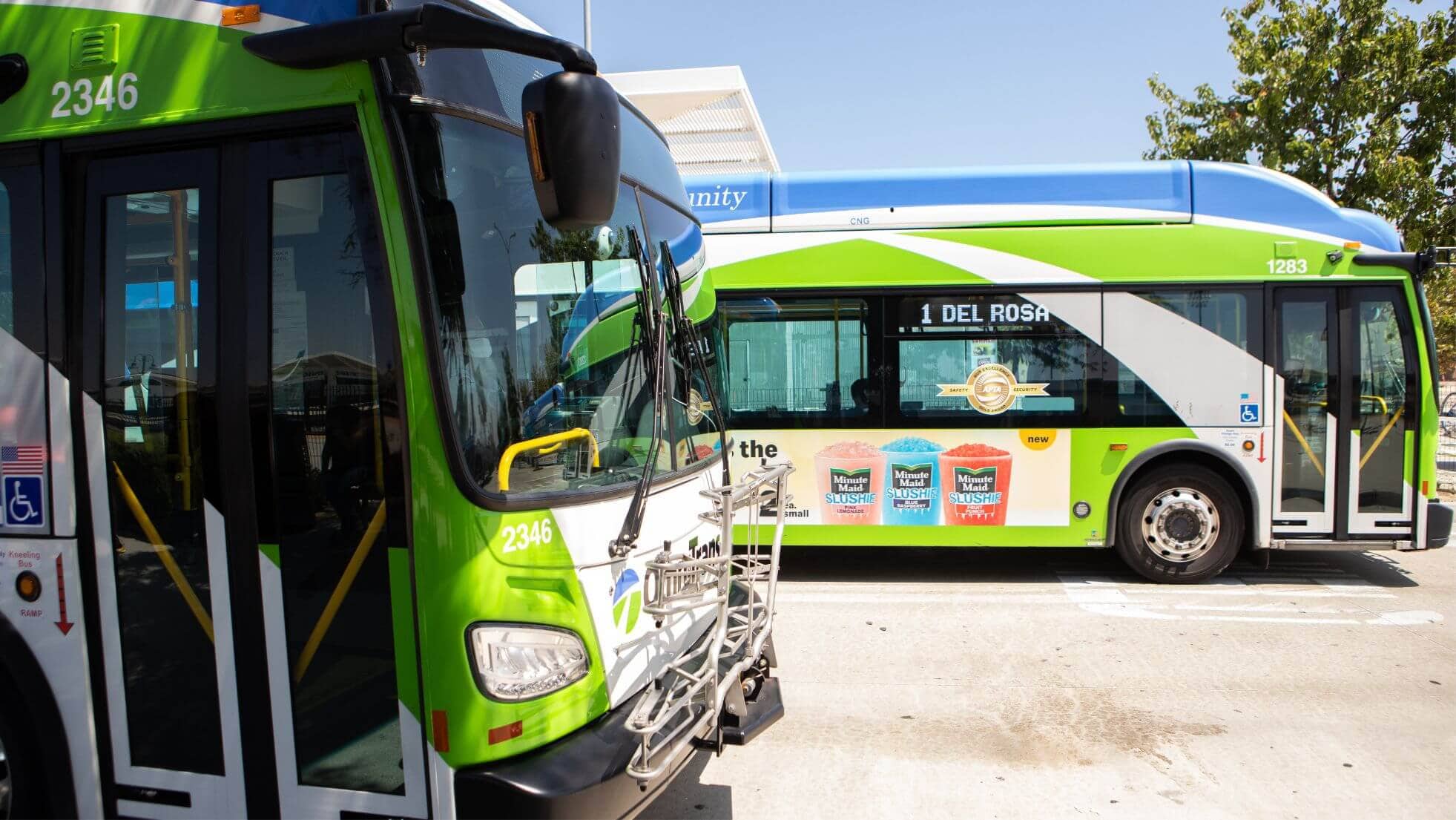
Embrace the Journey
Traveling by bus in California is an experience in itself. It offers a chance to slow down, observe the passing landscapes, and engage with the diverse communities that make the state so vibrant. By choosing “green and white” buses, or those that embody their sustainable ethos, you’re not just getting from point A to point B; you’re actively participating in California’s vision for a more sustainable and connected future. The green and white colors, whether literal or symbolic, represent a path forward for conscientious travel in one of the world’s most dynamic destinations.
LifeOutOfTheBox is a participant in the Amazon Services LLC Associates Program, an affiliate advertising program designed to provide a means for sites to earn advertising fees by advertising and linking to Amazon.com. Amazon, the Amazon logo, AmazonSupply, and the AmazonSupply logo are trademarks of Amazon.com, Inc. or its affiliates. As an Amazon Associate we earn affiliate commissions from qualifying purchases.