
In the intricate dance of modern life, maintaining a harmonious balance between professional commitments and personal well-being is a constant challenge. For residents of Florida, understanding how vital protections like the Family and Medical Leave Act (FMLA) function is crucial for managing life’s inevitable complexities. FMLA is a federal law designed to help employees balance their work and family responsibilities by providing job-protected leave for certain family and medical reasons. In a vibrant state like Florida, where diverse lifestyles intersect with a bustling economy, knowing your rights under FMLA can be the key to navigating significant life events without sacrificing your career or financial stability. This comprehensive guide will explore the nuances of FMLA as it applies in Florida, shedding light on how this essential act empowers individuals to prioritize their health and family needs, ensuring a more balanced and secure lifestyle.
Empowering Lifestyles: The Fundamentals of FMLA in Florida
The Family and Medical Leave Act serves as a critical safety net, allowing individuals to step away from work temporarily without the fear of job loss. For those living and working in Florida, understanding the foundational principles of FMLA is the first step toward leveraging this powerful protection for personal and family lifestyle management.
What is FMLA and Why It Matters for Your Lifestyle
At its core, FMLA is a federal law that entitles eligible employees of covered employers to take unpaid, job-protected leave for specified family and medical reasons. It guarantees that employees can return to their same or an equivalent job at the end of their leave, with no loss of benefits. This protection is invaluable for maintaining a stable lifestyle, as it alleviates the immense pressure of choosing between one’s livelihood and urgent personal or family needs. Imagine the stress of welcoming a new child, caring for an ailing parent, or recovering from a serious illness without the assurance that your job will be waiting for you. FMLA provides the peace of mind necessary to focus on what truly matters during these critical periods, reinforcing the idea that a healthy lifestyle encompasses not just personal health but also strong family foundations and mental well-being. For Florida’s diverse workforce, FMLA ensures that life’s major milestones and setbacks can be faced with a degree of security, enabling a more resilient and balanced approach to living.
Navigating Eligibility: Who Qualifies for FMLA in the Sunshine State?
Eligibility for FMLA leave is not universal; both the employee and the employer must meet specific criteria for the act to apply. For employees in Florida, understanding these requirements is essential for lifestyle planning and ensuring access to this vital benefit.
Employer Eligibility:
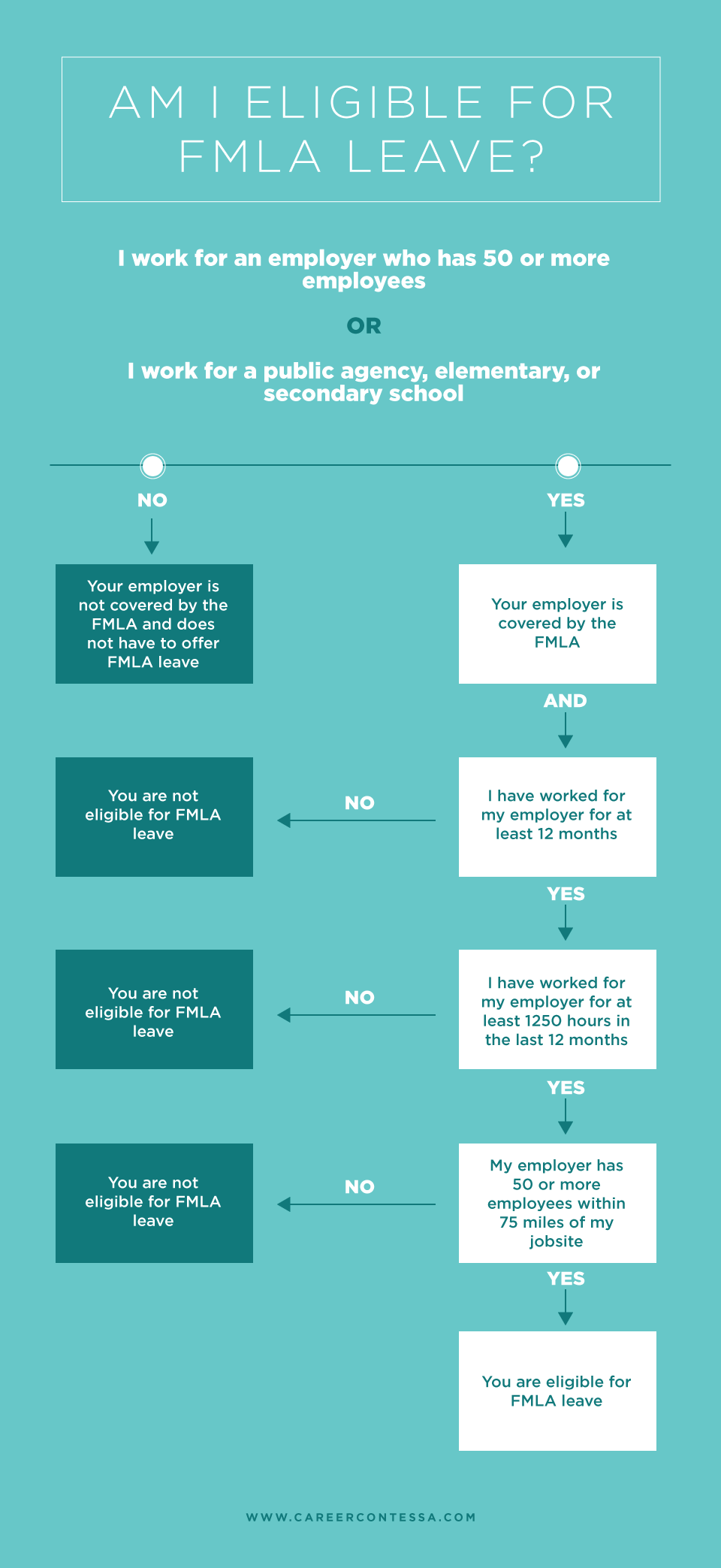
An employer is covered under FMLA if they are:
- A private employer with 50 or more employees working within a 75-mile radius for at least 20 workweeks in the current or preceding calendar year.
- A public agency (federal, state, or local government) regardless of the number of employees.
- A public or private elementary or secondary school, regardless of the number of employees.
Employee Eligibility:
To be eligible for FMLA leave, an employee must:
- Work for a covered employer.
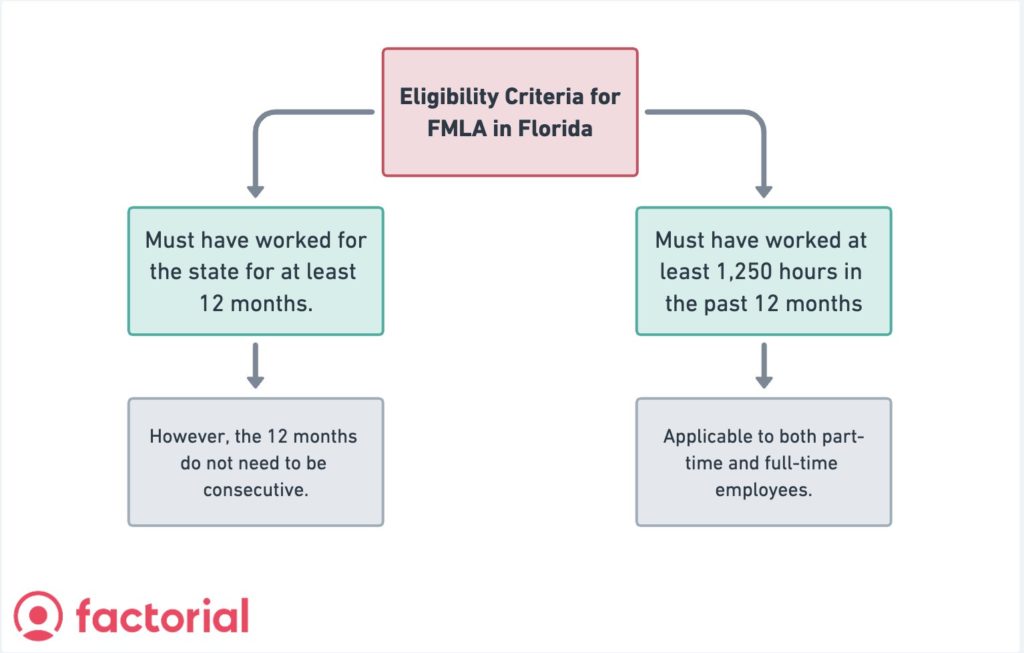
- Have worked for the employer for at least 12 months (these 12 months do not have to be consecutive).
- Have at least 1,250 hours of service during the 12-month period immediately preceding the leave. This equates to roughly 24 hours per week.
- Work at a location where the employer has 50 or more employees within 75 miles.
These criteria ensure that FMLA focuses its protections on established employees within larger organizational structures. For individuals in Florida planning significant life events—like expanding their family or preparing for surgery—verifying their eligibility well in advance can significantly reduce stress and contribute to a more organized and protected lifestyle transition.
Key Provisions for Lifestyle Management: Understanding FMLA Leave Types
FMLA provides a framework for various types of leave, each tailored to address specific life circumstances that can disrupt an individual’s normal routine and lifestyle. Knowing these provisions allows Florida employees to strategically manage their time off to best suit their personal and family needs.
Qualifying Reasons: When Your Lifestyle Needs a Pause
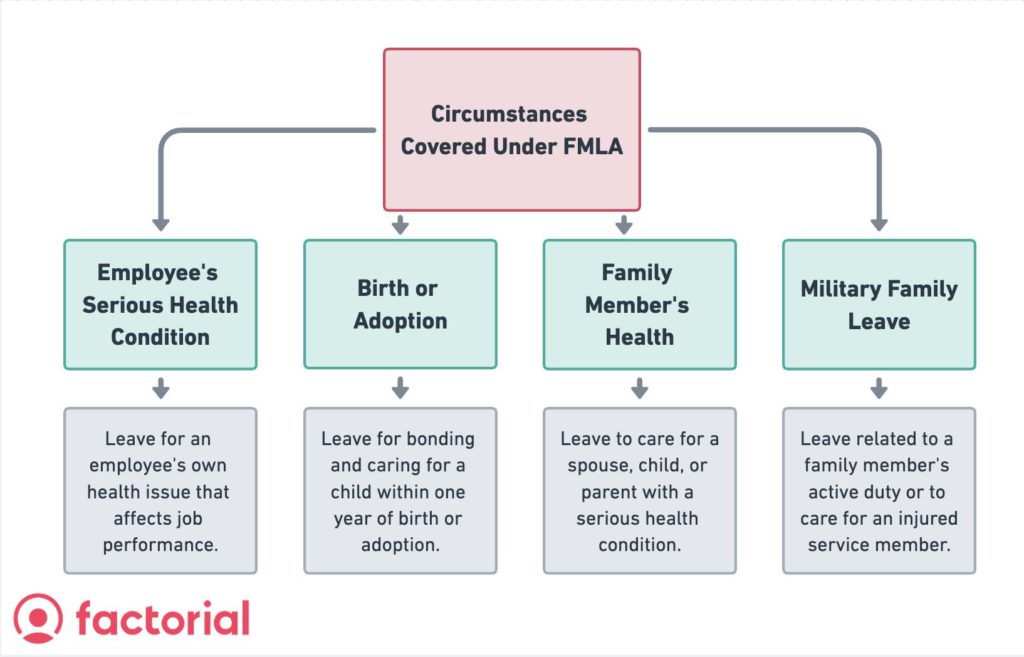
FMLA leave is not granted for just any reason; it’s reserved for specific, significant life events that warrant job protection. Understanding these qualifying reasons is crucial for Florida residents planning for the future or responding to unforeseen circumstances. Eligible employees can take up to 12 workweeks of unpaid, job-protected leave in a 12-month period for:
- The birth of a child and to care for the newborn child within one year of birth: This allows parents invaluable time to bond with their new addition, establish routines, and adjust to their new family lifestyle.
- The placement with the employee of a child for adoption or foster care and to care for the newly placed child within one year of placement: Similar to birth, this provision supports families during the critical period of integrating a new child into their home.
- To care for the employee’s spouse, child, or parent who has a serious health condition: This ensures that individuals can provide necessary care and support to immediate family members during times of illness, a common disruption to daily lifestyle.
- A serious health condition that makes the employee unable to perform the essential functions of his or her job: This is vital for personal well-being, allowing employees to recover from their own illnesses or injuries without the added burden of job insecurity.
- Any qualifying exigency arising out of the fact that the employee’s spouse, son, daughter, or parent is a covered military member on active duty or called to active duty status: This provision supports military families, acknowledging the unique sacrifices and logistical challenges they face.
Additionally, FMLA provides up to 26 workweeks of leave in a single 12-month period to care for a covered servicemember with a serious injury or illness if the employee is the servicemember’s spouse, son, daughter, parent, or next of kin. These provisions collectively ensure that critical life events, whether joyful or challenging, do not force individuals to compromise their career to maintain their personal and family lifestyle.
Continuous, Intermittent, and Reduced Schedule Leave: Adapting to Life’s Demands
FMLA is flexible enough to accommodate various needs, offering different modalities of leave beyond a single, continuous block of time. This flexibility is key to effective lifestyle management, allowing individuals in Florida to tailor their leave to their specific circumstances.
- Continuous Leave: This is the most straightforward form, where an employee takes a single, uninterrupted block of time off. For instance, a new parent might take 12 consecutive weeks off after childbirth, or an employee recovering from surgery might take several weeks to recuperate fully. This allows for a complete focus on the qualifying event without the immediate pressure of returning to work.
- Intermittent Leave: This allows an employee to take FMLA leave in separate blocks of time for a single qualifying reason. For example, an employee with a chronic health condition might need to attend weekly therapy sessions or medical appointments, or a parent might need to take days off periodically to care for a child undergoing ongoing treatment. This form of leave is particularly useful for managing long-term health issues or caregiving responsibilities that do not require continuous absence but still impact the employee’s ability to work full-time consistently.
- Reduced Schedule Leave: Under this arrangement, an employee’s usual weekly or daily work schedule is reduced. For example, an employee might work part-time while recovering from an illness or to care for a family member. This allows a gradual return to full-time work or a sustained level of caregiving, easing the transition and balancing professional duties with personal needs over a longer period.
Both intermittent and reduced schedule leave must be medically necessary (certified by a healthcare provider) when taken for a serious health condition (either the employee’s or a family member’s). When leave is taken for the birth or placement of a child for adoption or foster care, intermittent or reduced schedule leave may be used only with the employer’s agreement. This adaptability ensures that FMLA can effectively support diverse lifestyles and varying levels of need, providing a critical tool for managing work-life balance in Florida.
Rights, Responsibilities, and Maintaining Your Florida Lifestyle
While FMLA offers significant protections, both employees and employers have specific rights and responsibilities that govern its application. Understanding these ensures a smoother process and helps maintain a stable lifestyle during periods of leave.
Employee Protections: Safeguarding Your Career and Well-being
One of the most comforting aspects of FMLA for Florida employees is the robust protection it offers. Beyond simply granting time off, FMLA safeguards an employee’s career and associated benefits, allowing them to focus on recovery or caregiving without undue stress about their professional future.
- Job Protection: Upon return from FMLA leave, an employee is entitled to be restored to their original job or to an equivalent job with equivalent pay, benefits, and other terms and conditions of employment. This fundamental protection is what truly allows individuals to prioritize their personal and family life without fear of losing their livelihood, which is paramount for maintaining a desired lifestyle.
- Benefit Continuation: During FMLA leave, an employer must maintain the employee’s group health benefits under the same conditions as if the employee had not taken leave. While the leave itself is generally unpaid, the continuation of health insurance is a critical aspect of personal and family well-being, especially when dealing with serious health conditions.
- Protection Against Retaliation: Employers are prohibited from interfering with, restraining, or denying the exercise of any FMLA right. Furthermore, they cannot discriminate or retaliate against an employee for taking FMLA leave or for opposing any practice made unlawful by the FMLA. This protection ensures that employees feel secure in exercising their rights, fostering a workplace environment that respects personal and family needs.
- Reasonable Notice: While FMLA protects employees, it also requires them to provide adequate notice to their employer when the need for leave is foreseeable (e.g., for childbirth or planned surgery). Typically, 30 days’ notice is required if practicable. This responsibility helps employers plan for absences, maintaining operational efficiency while respecting employee rights.
These protections collectively empower Florida employees to manage critical life events with confidence, knowing that their career and their ability to maintain their lifestyle are protected by law.
Employer Obligations: Supporting a Stable Work-Life Balance
Employers in [Florida](https://lifeoutofthebox.com/florida] who are covered by FMLA also have clear obligations designed to support their employees’ work-life balance and ensure compliance with the law. These responsibilities are vital for creating a workplace culture that values employee well-being and stability.
- Providing Information: Employers must conspicuously post a general notice about FMLA rights and responsibilities in a place where employees can easily see it. They must also include FMLA information in employee handbooks or provide written guidance to new employees. This transparency ensures that employees are aware of their rights.
- Responding to Leave Requests: When an employee requests FMLA leave, the employer must determine eligibility and notify the employee of their eligibility status within five business days. If the employee is eligible, the employer must provide a notice detailing their FMLA rights and responsibilities.
- Designating Leave: Employers are responsible for designating leave as FMLA-qualifying if it meets the criteria. This designation must be communicated to the employee in writing.
- Maintaining Benefits and Restoring Jobs: As mentioned, employers must continue group health benefits during FMLA leave and restore the employee to their original or an equivalent position upon return.
- Certifying Leave: Employers have the right to require medical certification for leave due to a serious health condition or for military family leave. However, they must clearly state what information is needed and provide sufficient time for the employee to obtain it.
By fulfilling these obligations, Florida employers contribute to a supportive work environment, which in turn fosters higher employee morale, reduces turnover, and ultimately supports a healthier, more productive workforce. This synergy between employee rights and employer responsibilities under FMLA is crucial for maintaining a stable work-life ecosystem within the state.
FMLA in the Florida Context: Federal Mandate, Local Impact
While FMLA is a federal law, its application and impact are distinctly felt at the state and local levels. For individuals and businesses in Florida, understanding how this federal mandate translates into their daily lives is key to effective lifestyle and business management.
State-Specific Considerations (or lack thereof) for Florida Residents
It is important for Florida residents to understand that the state of Florida does not have its own state-level Family and Medical Leave Act. Unlike some other states that offer additional or broader leave benefits beyond federal FMLA, Florida primarily relies on the federal law. This means that for most employees and employers, the rules and regulations discussed above are the sole statutory framework for job-protected family and medical leave in the state.
However, this does not mean there are no other relevant Florida laws. While not a direct FMLA equivalent, other state or local ordinances might offer different types of protected leave, such as victim leave or specific types of sick leave. Employees should always check with their employer or local human resources department for any additional benefits that might be available. For example, some cities or counties in Florida may have their own sick leave ordinances that supplement federal FMLA for different types of absences. Yet, when it comes to the comprehensive, job-protected leave for serious health conditions or family events, federal FMLA remains the primary and often sole recourse for most Florida workers. This absence of a state-specific FMLA equivalent emphasizes the importance of understanding federal FMLA guidelines thoroughly for anyone seeking to manage their lifestyle amidst life’s significant demands in the Sunshine State.
Seeking Guidance: Resources for Florida Families and Employees
Navigating FMLA can be complex, especially when dealing with personal or family crises. For Florida families and employees, knowing where to turn for reliable information and assistance is crucial for ensuring their rights are protected and their lifestyle remains stable.
- U.S. Department of Labor (DOL): The Wage and Hour Division of the DOL is the federal agency responsible for administering and enforcing FMLA. Their website (dol.gov) is an invaluable resource, offering detailed fact sheets, compliance assistance, and direct contact information. This should be the first stop for anyone with questions about FMLA eligibility, rights, or employer obligations.
- Human Resources Department: For employees, their company’s HR department is often the primary point of contact for requesting FMLA leave and understanding internal procedures. A good HR department can guide employees through the application process, explain necessary documentation, and clarify company policies that may supplement FMLA.
- Legal Counsel: In situations where FMLA rights are denied or there is a dispute with an employer, consulting with an employment law attorney in Florida can provide essential guidance. Legal professionals can offer tailored advice, help interpret complex regulations, and represent employees if litigation becomes necessary.
- Employee Assistance Programs (EAPs): Many employers offer EAPs, which can provide confidential counseling, referrals, and support services for a wide range of personal and work-related issues, including those that might necessitate FMLA leave. While not directly administering FMLA, EAPs can be a supportive resource during challenging times.
By leveraging these resources, Florida residents can confidently navigate the intricacies of FMLA, ensuring that they can take the necessary time to care for themselves and their families without jeopardizing their professional standing. This proactive approach to understanding and utilizing FMLA is integral to maintaining a healthy, balanced, and secure lifestyle in the vibrant state of Florida.
LifeOutOfTheBox is a participant in the Amazon Services LLC Associates Program, an affiliate advertising program designed to provide a means for sites to earn advertising fees by advertising and linking to Amazon.com. Amazon, the Amazon logo, AmazonSupply, and the AmazonSupply logo are trademarks of Amazon.com, Inc. or its affiliates. As an Amazon Associate we earn affiliate commissions from qualifying purchases.