
California, the Golden State, beckons millions of travelers each year with its unparalleled diversity, from sun-drenched beaches and majestic mountains to vibrant cities and tranquil deserts. However, for those susceptible to seasonal allergies, the allure of California comes with a crucial question: when is allergy season, and how might it impact a carefully planned tourism experience? Understanding the state’s intricate allergy calendar is not merely a matter of health; it’s a strategic move to ensure your visit remains a joyous exploration rather than a battle with sniffles and sneezes.
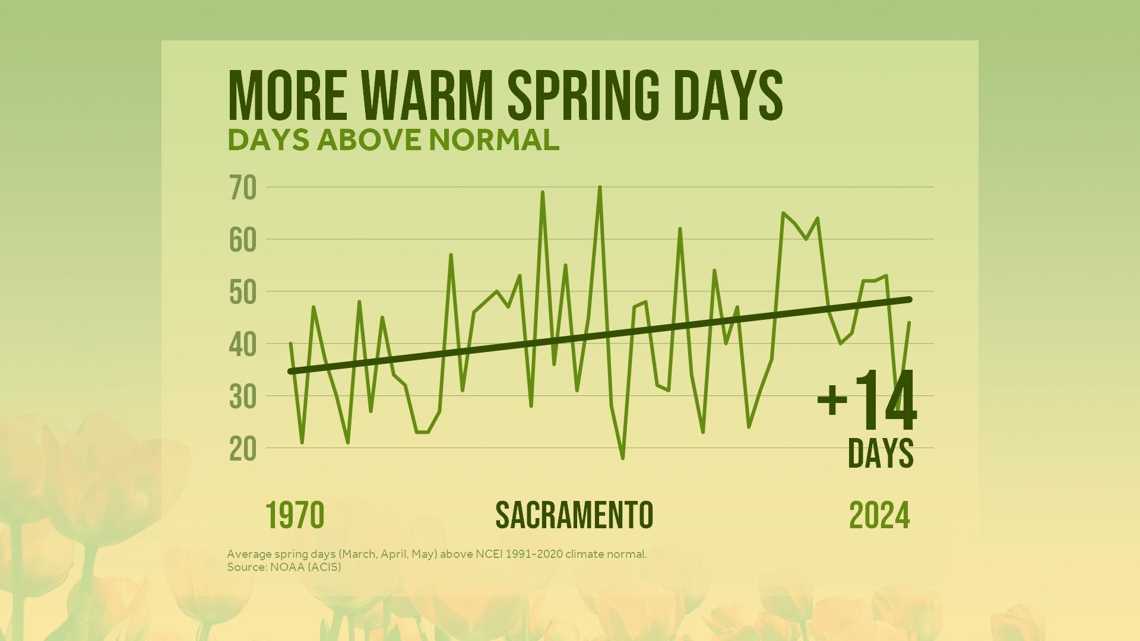
Far from a monolithic entity, California’s vast geographical expanse and microclimates create a complex, shifting landscape for allergens. What might be a severe pollen season in the Central Valley could be a relatively calm period along the Pacific Ocean coast. This article serves as an insightful and engaging guide for tourists, offering a detailed breakdown of California’s allergy seasons, regional variations, common triggers, and practical strategies to help you enjoy the best of the Golden State year-round. We’ll delve into how to plan your trip to minimize allergic reactions, manage symptoms on the go, and make informed choices about activities and accommodations, ensuring your California adventure is memorable for all the right reasons.
California’s Allergic Tapestry: Regional Differences & Key Triggers
The sheer size and topographical diversity of California mean that allergy seasons are rarely uniform across the state. From the redwood forests of the north to the arid expanses of the south, each region presents a unique set of climatic conditions that dictate the timing and intensity of allergen release. Understanding these nuances is paramount for any tourist planning an allergy-conscious itinerary.
The Golden State’s Climatic Zones and Their Impact
California can generally be divided into several distinct climatic zones, each with its own allergy profile:
- Coastal Regions: Cities like San Francisco, Los Angeles, and San Diego benefit from the moderating influence of the Pacific Ocean. Cooler temperatures, fog, and consistent sea breezes tend to clear the air of pollen, often leading to less severe and shorter allergy seasons compared to inland areas. However, certain allergens, particularly mold, can thrive in damp coastal environments.
- Inland Valleys (e.g., Central Valley): The Central Valley, home to cities like Sacramento and Fresno, is a major agricultural hub and often experiences the most intense and prolonged allergy seasons. Higher temperatures, less air circulation, and extensive cultivation of allergenic plants (like grasses and weeds) contribute to high pollen counts.
- Mountainous Regions (e.g., Sierra Nevada): Areas in the Sierra Nevada range, including destinations like Lake Tahoe and Yosemite National Park, have shorter growing seasons due to colder temperatures and snowpack. Tree pollen, especially from pine, juniper, and cedar, is prominent in spring and early summer, but overall allergen exposure can be less continuous than in the valleys.
- Desert Regions (e.g., Mojave Desert): While seemingly barren, deserts like the Mojave Desert (near Palm Springs) are far from allergen-free. They have unique allergy seasons driven by desert flora such as ragweed, tumbleweed, and mesquite, often peaking in late summer and fall. Spring brings a burst of wildflower pollen.
Dominant Allergens Across the Seasons
Across these diverse regions, certain allergens are the primary culprits for seasonal misery:
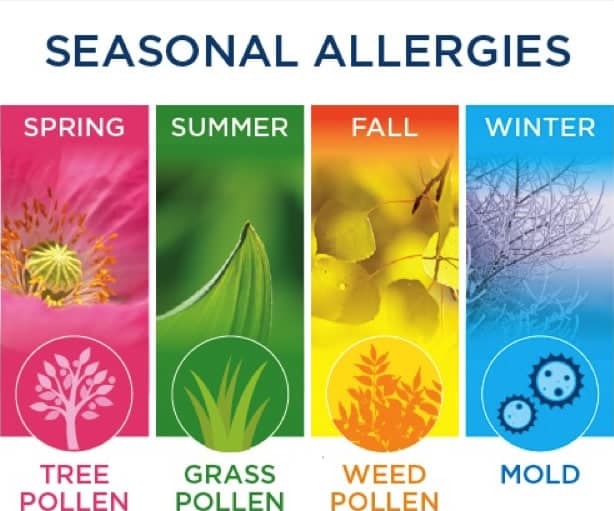
- Tree Pollen: Predominant in late winter and spring (February to May). Common trees causing allergies include oak, birch, alder, cedar, juniper, and olive trees, which are abundant throughout much of California.
- Grass Pollen: Peaks from late spring through summer (April to August). Bermuda grass, ryegrass, and timothy grass are widespread, especially in the Central Valley and open fields.
- Weed Pollen: Most active in late summer and fall (July to October). Ragweed is a notorious offender, but other weeds like Russian thistle, pigweed, and plantain also contribute significantly, particularly in inland and desert areas.
- Mold Spores: While not strictly seasonal, mold can be a year-round issue, flourishing in damp conditions. Rainier periods, coastal fog, and decaying organic matter can elevate mold spore counts. Indoors, mold can be a concern in poorly ventilated buildings.
- Dust Mites and Pet Dander: These are indoor allergens and are generally year-round concerns, potentially exacerbated by spending more time indoors during peak outdoor allergy seasons or in accommodations that are not allergy-friendly.
Understanding these regional and allergen-specific patterns allows tourists to anticipate potential challenges and make more informed decisions about where and when to travel within the Golden State.
A Seasonal Breakdown for Visitors: What to Expect When
Navigating California’s allergy seasons requires a granular understanding of how allergens unfold throughout the year. For tourists, this seasonal guide can be a critical tool in planning activities and packing essentials.
Spring Awakening: Trees, Pollen, and Blooming Landscapes (February – May)
Spring is arguably the most visually stunning time to visit California, with wildflowers blooming and lush green landscapes. However, it’s also the peak season for tree pollen.
- February to April: Early bloomers like alder, cypress, juniper, and elm begin releasing pollen. In Southern California, olive trees can be significant contributors.
- April to May: Oak, birch, and sycamore trees reach their peak pollen production, affecting vast areas, especially inland.
- Tourist Impact: Outdoor activities like hiking in national parks (Yosemite National Park or Redwood National Park) or enjoying botanical gardens can be challenging. Coastal areas often offer some reprieve from the heaviest tree pollen counts.
Summer Adventures: Grasses, Weeds, and Coastal Breezes (June – August)
As spring transitions to summer, tree pollen begins to wane, but grass pollen takes over as the dominant allergen.
- June to July: Grasses like Bermuda grass, rye, and fescue are in full swing, particularly in the Central Valley and irrigated landscapes throughout the state.
- August: Weed pollen starts to emerge, particularly in dryer, inland regions.
- Tourist Impact: Beach visits and coastal cities like Santa Barbara and Monterey are often excellent choices, as sea breezes help keep pollen counts lower. Inland areas, however, can be problematic for those sensitive to grass. Water-based activities like kayaking or boating can offer a natural escape.
Autumn’s Hues: Persistent Weeds and Mold Concerns (September – November)
Fall in California brings milder temperatures, but it’s a critical time for weed pollen, and mold spores can become more prevalent with changing weather patterns.
- September to October: Ragweed is the primary antagonist, especially in the Central Valley and parts of Southern California. Russian thistle and sagebrush also contribute.
- October to November: As temperatures drop and leaves decay, mold spore counts can increase, particularly in damp areas and near agricultural fields.
- Tourist Impact: Visiting vineyards, attending outdoor festivals, or exploring nature trails during fall foliage can be delightful but requires careful monitoring of pollen forecasts. Cities with more paved surfaces and fewer natural open spaces might offer some relief.
Winter’s Calm (and Hidden Threats): A Brief Respite or Indoor Allergens? (December – January)
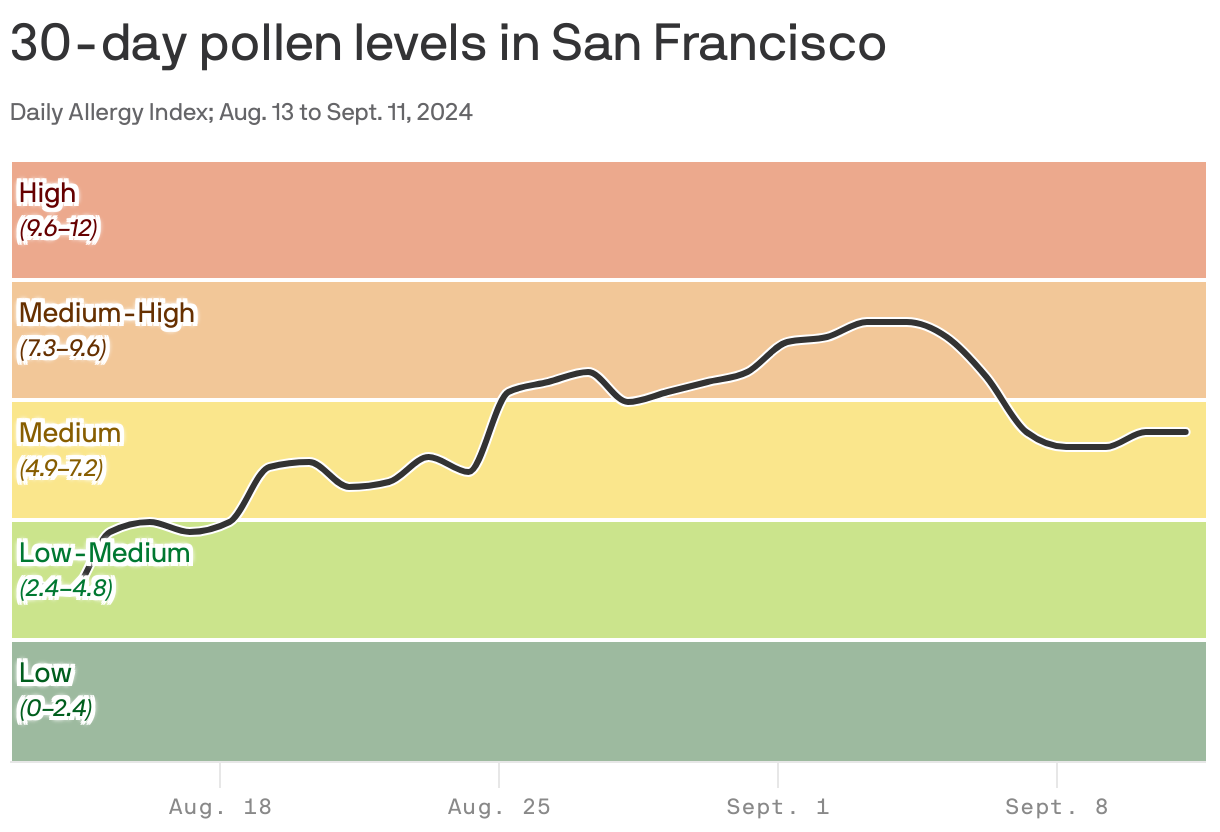
Winter generally offers the most significant respite from outdoor pollen allergies across much of California, especially after significant rainfall.
- December to January: Pollen counts are typically at their lowest, though some areas may experience early tree pollen releases during mild spells, particularly in Southern California.
- Indoor Allergens: With more time spent indoors, dust mites, pet dander, and indoor mold can become more pronounced issues.
- Tourist Impact: Winter is an excellent time for tourists with pollen allergies to explore urban attractions, museums, shopping districts, or enjoy snow sports in the Sierra Nevada where pollen is minimal. Be mindful of indoor air quality in accommodations.
Practical Strategies for an Allergy-Friendly California Trip
An allergy diagnosis doesn’t mean forsaking the wonders of California. With thoughtful planning and proactive measures, tourists can significantly mitigate the impact of allergens and fully immerse themselves in the Golden State’s offerings.
Pre-Trip Planning: Timing, Destinations, and Consultations
The foundation of an allergy-friendly trip begins long before you pack your bags.
- Timing is Everything: Consult pollen calendars and historical data for specific regions in California to align your visit with lower allergen counts for your specific triggers. For example, if tree pollen is your nemesis, avoid Central Valley in spring.
- Strategic Destination Choice: If severe grass allergies plague you, consider coastal cities over inland agricultural areas during summer. If ragweed is an issue, a desert escape in the fall might not be ideal. Research the dominant flora of your chosen destination.
- Medical Consultation: Before traveling, consult with your allergist. Discuss your itinerary and ask about prescription medications (antihistamines, nasal sprays, eye drops, or inhalers) that might be needed, ensuring you have enough for your entire trip. If you use an EpiPen, ensure it’s easily accessible.
Managing Symptoms On The Go: Medications and Self-Care
Even with the best planning, encountering allergens is possible. Being prepared for symptom management is crucial.
- Pack Your Meds: Always carry your prescribed and over-the-counter allergy medications. Take them proactively as recommended by your doctor, rather than waiting for symptoms to appear.
- Stay Informed: Utilize local weather and allergy forecast apps (many exist, often providing regional pollen counts) to monitor allergen levels in real-time. This can help you decide whether to opt for an indoor museum or an outdoor hike on any given day.
- Personal Hygiene: Shower and change clothes after outdoor excursions to remove pollen. Wash your face and hands frequently.
- Eye Protection: Wearing sunglasses can help shield your eyes from airborne pollen.
- Masking Up: On days with extremely high pollen counts, wearing an N95 or similar mask can significantly reduce pollen inhalation, especially during outdoor activities.
Selecting Accommodation: Seeking Relief Indoors
Your choice of lodging can make a substantial difference in your comfort.
- Research Allergy-Friendly Options: Many hotels and resorts now offer allergy-friendly rooms, which may feature air purifiers, hypoallergenic bedding, and stricter cleaning protocols. Always inquire when booking.
- Avoid Ground Floor Rooms: Ground floor rooms, especially those with immediate access to gardens or landscaping, can have higher pollen and mold exposure.
- Check HVAC Filters: Upon arrival, you can politely inquire about the last time the air conditioning/heating filters were changed. If the air quality feels off, portable air purifiers can be a wise travel companion.
- Pet-Free Policies: If pet dander is a trigger, ensure your accommodation has strict no-pet policies or designated pet-free zones.
Maximizing Your California Experience Despite Allergies
Don’t let allergies overshadow the incredible experiences California has to offer. With smart choices and resourcefulness, you can still create unforgettable memories.
Choosing Activities Wisely: Urban vs. Natural Settings
Your daily itinerary can be adjusted to minimize allergen exposure.
- Embrace Urban Exploration: On high pollen days, delve into California’s world-class museums, art galleries, aquariums, shopping centers, and indoor entertainment venues in cities like Los Angeles, San Francisco, and San Diego.
- Coastal Retreats: The coast often provides a natural buffer against inland pollen. Enjoy beach walks, pier visits, or scenic drives along Highway 1.
- Timing Outdoor Activities: If outdoor adventure is a must, plan activities for mid-day when pollen counts are often lower (pollen typically peaks in early morning and late afternoon/evening). Avoid windy days that stir up allergens.
- Consider Water Activities: Boating, paddleboarding, or swimming can be refreshing alternatives to land-based activities, as allergens tend to be less prevalent over water.
Leveraging Local Forecasts and Resources
Modern technology and local knowledge are your allies in managing allergies.
- Pollen Count Apps: Download and regularly check reliable allergy forecast apps. These often provide specific pollen types and severity levels for different locations within California.
- Local Health Resources: Be aware of local urgent care clinics or pharmacies. Knowing where to get quick medical attention or refill prescriptions can provide peace of mind.
- Tourism Information Centers: Local tourism centers can sometimes provide insights into local environmental conditions or recommend indoor activities if outdoor conditions are challenging.
Enjoying California’s Culinary Scene and Indoor Attractions
California’s food scene is as diverse as its landscape. Indulge in indoor dining experiences that range from Michelin-starred restaurants to casual farm-to-table eateries. Explore the state’s vibrant performing arts scenes, attend concerts, or visit iconic indoor landmarks. Many of California’s most famous attractions, from the Getty Center in Los Angeles to the Exploratorium in San Francisco, are predominantly indoors, offering a comfortable and allergen-reduced environment.
Ultimately, a well-informed and prepared tourist can fully savor the splendor of California regardless of the allergy season. By understanding the regional variations, anticipating specific allergens, and implementing practical strategies, your journey through the Golden State can be an unblemished tapestry of unforgettable experiences.
LifeOutOfTheBox is a participant in the Amazon Services LLC Associates Program, an affiliate advertising program designed to provide a means for sites to earn advertising fees by advertising and linking to Amazon.com. Amazon, the Amazon logo, AmazonSupply, and the AmazonSupply logo are trademarks of Amazon.com, Inc. or its affiliates. As an Amazon Associate we earn affiliate commissions from qualifying purchases.