
The question “How Many People Live In The State Of Louisiana?” might seem straightforward, but for those interested in travel, tourism, and understanding the vibrant tapestry of a place, population figures offer a fascinating lens through which to view a destination. Louisiana, a state steeped in rich history, diverse cultures, and breathtaking landscapes, is home to a population that shapes its unique character and influences its offerings for visitors. While a precise, up-to-the-minute census count can fluctuate, understanding the general population size and its distribution provides valuable context for exploring this captivating corner of the United States.
The Pulse of Louisiana: Population Insights
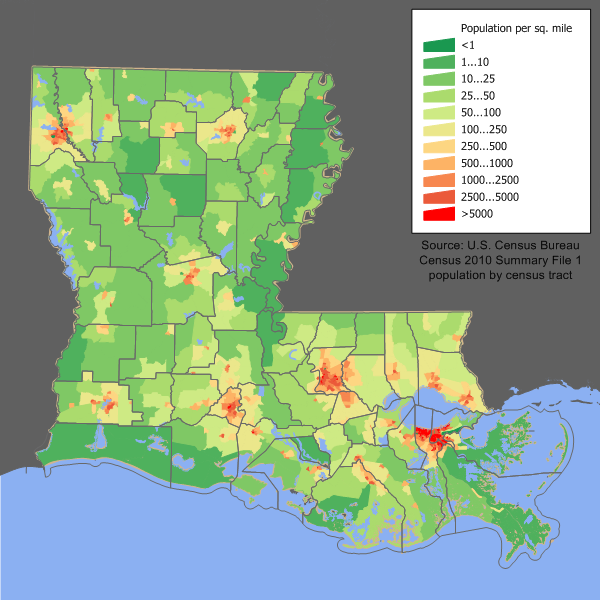
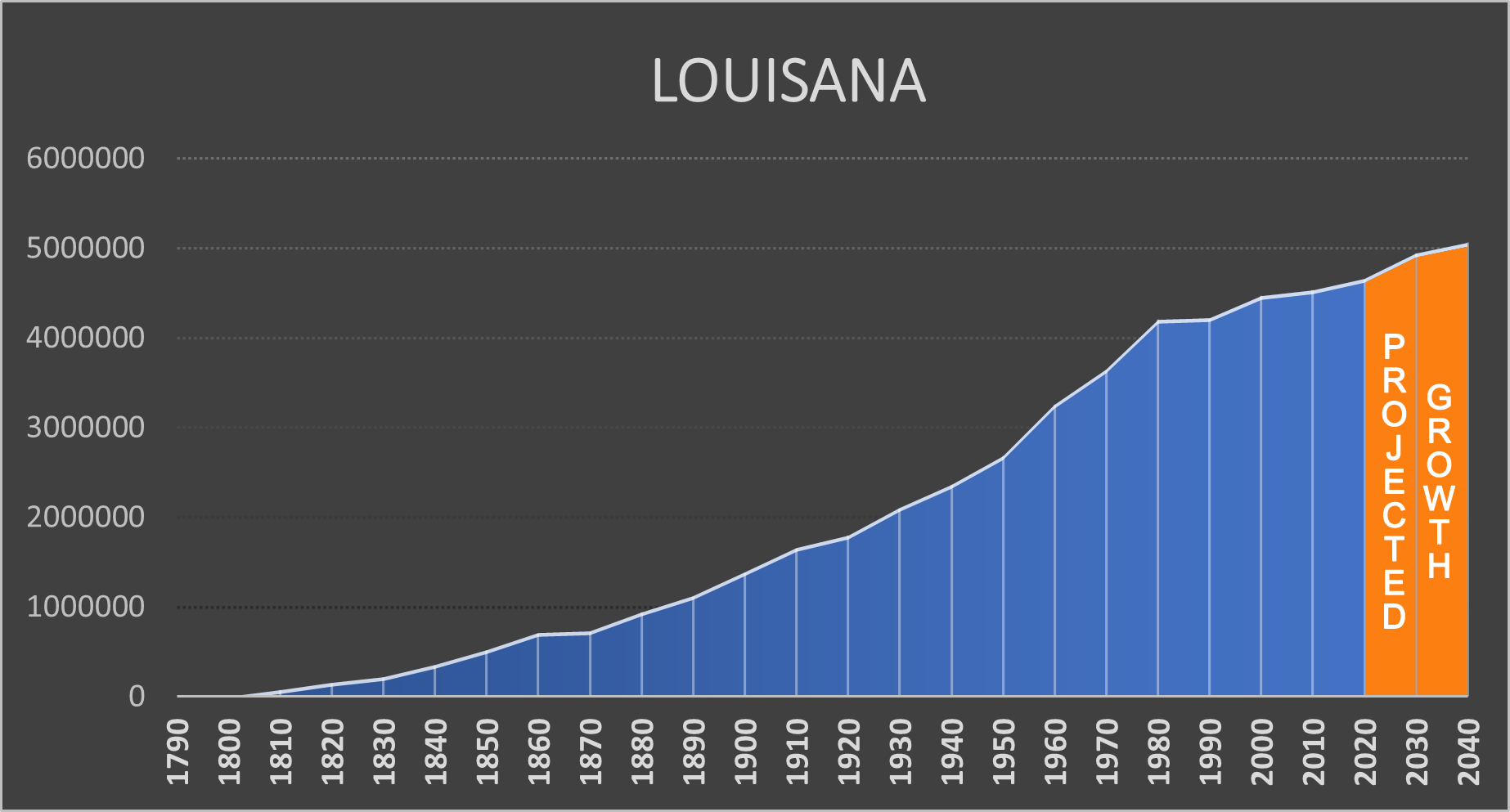
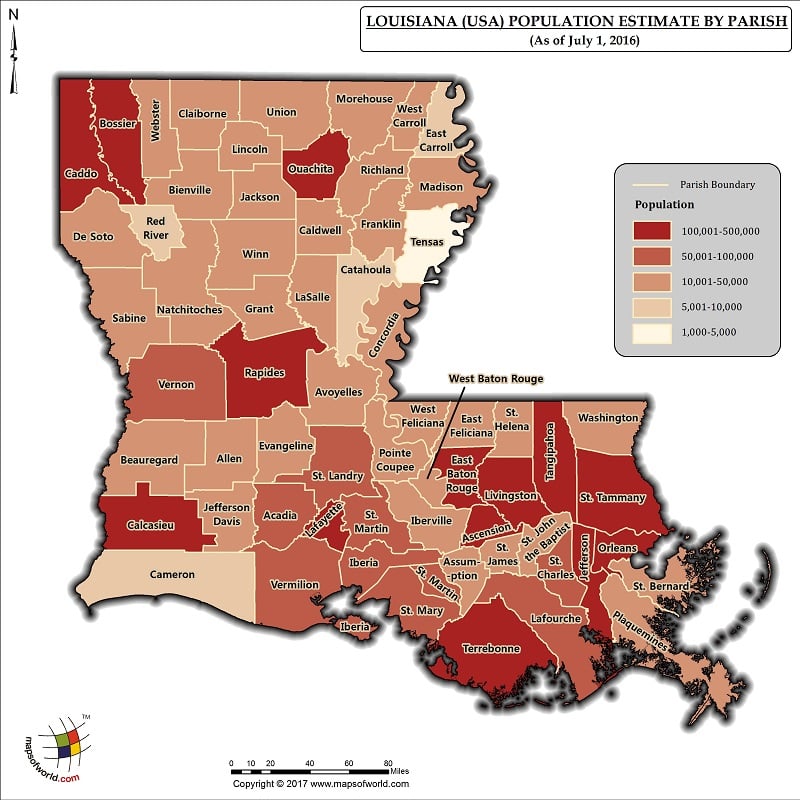
As of the latest estimates, the population of Louisiana hovers around 4.5 to 4.6 million people. This number, while not the largest in the nation, represents a significant and dynamic community that contributes to the state’s distinctive flavor. The distribution of these residents is not uniform, with concentrations in major urban centers and along the fertile river valleys, particularly the Mississippi River. Understanding these population centers is key for travelers seeking authentic experiences, as they often serve as hubs for cultural events, culinary delights, and unique attractions.
Major Urban Centers and Their Influence
The population of Louisiana is notably influenced by its major metropolitan areas. The largest city, New Orleans, is a cultural epicenter, drawing millions of tourists annually with its unparalleled music scene, historic architecture, and world-renowned cuisine. Its population, while facing fluctuations, remains a significant driver of the state’s economy and cultural output.
Adjacent to New Orleans is the Baton Rouge metropolitan area, the state capital. Baton Rouge serves as a hub for government, industry, and higher education, boasting a substantial population that contributes to its own set of attractions and experiences, from its impressive capitol building to its burgeoning arts scene.
Further west, Shreveport and Lafayette are other significant population centers, each with its own distinct charm and offerings. Shreveport, located in the northern part of the state, is known for its entertainment industry and proximity to natural beauty. Lafayette, the heart of Acadiana, is the cultural capital of the Cajun country, renowned for its vibrant Cajun and Creole heritage, lively music, and delicious food.
The presence of these urban centers impacts Louisiana’s tourism landscape significantly. They are often the starting points for many travel itineraries, offering a wealth of accommodations, from luxury resorts to charming boutique hotels, and serving as gateways to exploring the wider state. The density of people in these areas naturally translates to a higher concentration of restaurants, attractions, and activities.
Demographic Diversity: A Melting Pot of Cultures
Beyond mere numbers, the population of Louisiana is defined by its incredible diversity. This demographic richness is a direct result of centuries of immigration and cultural exchange, creating a unique blend that is evident in its language, music, food, and traditions.
The Enduring Influence of French Heritage
The French influence is undeniable, most prominently seen in the descendants of the French colonists who settled the region. The Creoles of New Orleans, with their distinct culture and history, have played a pivotal role in shaping the state’s identity. Similarly, the Cajuns, descendants of Acadian exiles, have preserved their unique language, music, and culinary traditions, particularly in the southwestern part of the state. These cultural groups, while distinct, often intermingle, creating a dynamic and fascinating cultural landscape that attracts travelers from around the globe. Understanding the historical context of these populations is crucial for appreciating the depth of Louisiana’s cultural offerings, from the historic architecture of the French Quarter to the lively dance halls of Acadiana.
African American Contributions and Legacy
The African American population has also been instrumental in shaping Louisiana’s cultural fabric. Their contributions are evident in the state’s music, particularly in the development of jazz, blues, and Zydeco. The rich history of African Americans in Louisiana is visible in numerous historical sites, museums, and cultural festivals that celebrate their heritage and resilience. This demographic group has significantly influenced the culinary traditions, artistic expressions, and the very spirit of the state, making it a vital component of any visitor’s exploration.
Other Significant Communities
Beyond these prominent groups, Louisiana is also home to a variety of other communities, including Spanish, German, Irish, Italian, and Vietnamese populations, each adding their own unique flavors and traditions to the state’s mosaic. This continuous influx and integration of diverse peoples have resulted in a rich tapestry of customs, cuisines, and festivals that make Louisiana such an engaging destination for lifestyle and cultural exploration. The presence of these diverse communities means that travelers can find everything from traditional Creole cuisine to authentic Vietnamese pho, adding a global dimension to the local experience.
Population Trends and Their Impact on Travel
The population trends in Louisiana have a direct impact on the travel and tourism industry. Understanding these trends helps in planning the best times to visit, identifying emerging areas of interest, and appreciating the evolving landscape of Louisiana as a travel destination.
Growth and Migration Patterns
While overall population growth in Louisiana has been moderate in recent decades, there are specific migration patterns that influence the development of different regions. Urban areas generally see more consistent growth, driven by job opportunities and educational institutions. Conversely, some rural areas have experienced population decline, which can lead to unique opportunities for exploring preserved natural landscapes and experiencing a more laid-back, traditional way of life.
The resilience and adaptability of the people of Louisiana are constantly tested, particularly in the face of environmental challenges like hurricanes. The recovery efforts following these events often highlight the strong sense of community and the determination to rebuild and sustain the state’s unique identity. These experiences, while challenging, also contribute to the compelling narratives and the spirit of resilience that visitors often encounter.
The Role of Tourism in Population Dynamics
Tourism plays a significant role in the economy of Louisiana, particularly in cities like New Orleans. The influx of tourists creates jobs and stimulates local businesses, which in turn can attract new residents. The state’s commitment to preserving its rich cultural heritage and developing new attractions, such as the Audubon Aquarium of the Americas or the many historic landmarks, further enhances its appeal as both a place to visit and a place to live. The careful management of accommodations, from budget-friendly apartments to upscale suites, ensures that visitors of all lifestyle preferences can find suitable lodging.
The relationship between population and tourism is a dynamic one. A growing population can lead to new businesses and services catering to both residents and visitors, while a thriving tourism industry can create a more vibrant and diverse living environment. For travelers interested in local culture, understanding the demographics and the historical movements of people within Louisiana enriches the travel experience, offering deeper insights into the traditions, cuisines, and the very soul of this remarkable state. Whether you’re drawn to the historic charm of New Orleans, the vibrant music of Lafayette, or the natural beauty of the Atchafalaya Basin, the people of Louisiana are the heart of its enduring allure.
LifeOutOfTheBox is a participant in the Amazon Services LLC Associates Program, an affiliate advertising program designed to provide a means for sites to earn advertising fees by advertising and linking to Amazon.com. Amazon, the Amazon logo, AmazonSupply, and the AmazonSupply logo are trademarks of Amazon.com, Inc. or its affiliates. As an Amazon Associate we earn affiliate commissions from qualifying purchases.