
For many, the process of filing taxes is a straightforward annual ritual. However, for a growing segment of the population embracing the dynamic and often borderless nature of modern lifestyles, answering the seemingly simple question, “Where do I mail my California state tax return?” becomes an intricate part of their broader life management strategy. Whether you’re a digital nomad exploring remote corners of the globe, an expatriate living abroad, a seasonal worker migrating between states, or a business traveler constantly on the move, managing your tax obligations effectively is crucial to sustaining your chosen way of life. This article delves into how individuals with a mobile or international lifestyle can navigate the specifics of mailing their California state tax return, ensuring compliance while maintaining the freedom and flexibility their lifestyle demands.
The Mobile Lifestyle and Your Tax Responsibilities
The allure of a life free from geographical constraints has led to a significant rise in individuals adopting mobile and nomadic lifestyles. From the vibrant tech hubs of San Francisco to the sun-drenched beaches of San Diego, the spirit of independence is strong in California, and many residents carry that spirit beyond the state’s borders. Yet, this freedom comes with administrative responsibilities, chief among them being tax compliance.
Defining the Modern Nomadic Life and Its Administrative Hurdles
The modern nomadic life encompasses a wide spectrum of experiences. It could be a solo adventurer backpacking through Europe for months, a family road-tripping across the United States in an RV, or a remote worker establishing a temporary base in Southeast Asia. What unites these diverse individuals is a lack of a single, permanent physical address where mail is reliably received. For those who maintain residency in California, their obligation to the California Franchise Tax Board (FTB) remains, regardless of where they happen to be physically located on Tax Day.
One of the primary administrative hurdles is simply receiving and sending physical mail. Traditional methods of correspondence assume a static address, which is often not the case for mobile individuals. This challenge extends to receiving important tax documents, such as W-2s or 1099s, and more importantly, ensuring that a physical tax return, if required, reaches the FTB by the deadline. Losing track of correspondence or missing deadlines due to postal complexities can lead to penalties and unnecessary stress, directly impacting the quality and sustainability of a mobile lifestyle.
Why California State Taxes Matter to the Globetrotter
California boasts one of the largest economies in the world and has a progressive income tax system. For anyone considered a resident—even if they spend a significant portion of their year traveling—understanding and fulfilling their tax obligations to the state is paramount. Residency rules can be complex, often depending on factors like the location of your primary home, where your family lives, where your children go to school, where you’re registered to vote, and where your bank accounts are located. Even if you’re physically out of state or country for extended periods, you may still be considered a California resident for tax purposes.
Failure to properly file and pay California state taxes can lead to severe consequences, including significant financial penalties, interest accrual, and potential legal issues that could complicate international travel or future financial endeavors. For those whose lifestyle depends on flexibility and ease of movement, avoiding such complications is critical. Compliance is not just a legal necessity; it’s a cornerstone of maintaining a stress-free and truly free lifestyle, allowing individuals to focus on their experiences rather than administrative backlogs.
Essential Mailing Protocols for California State Tax Returns
Understanding the exact mailing protocols is the first step toward effective compliance for any California resident, especially those with a dynamic lifestyle. The California Franchise Tax Board (FTB) provides clear instructions, but these must be interpreted through the lens of a non-traditional living situation.
Understanding the California Franchise Tax Board (FTB) Guidelines
The California Franchise Tax Board is the state agency responsible for administering California’s personal income tax and corporation tax. Their official website is the definitive source for mailing addresses and instructions. It’s crucial to always refer to the most current tax year’s instructions, as addresses can occasionally change, or specific forms might require different mailing locations. Generally, the FTB maintains separate mailing addresses depending on whether you are submitting a return with a payment, a return requesting a refund, or a return with no payment or refund due.
The FTB’s preference, like many tax agencies today, is for electronic filing. E-filing offers immediate confirmation and significantly reduces the logistical challenges associated with physical mail, making it an ideal solution for those with mobile lifestyles. However, for situations where a paper return is mandatory or preferred, knowing the correct physical address is non-negotiable.
Differentiating Between Payment and Non-Payment Returns
A common pitfall is using the wrong mailing address for your return. The California Franchise Tax Board (FTB) typically provides distinct addresses:
- Returns with Payment: If you owe taxes and are sending a check or money order with your return, there is a specific address to ensure your payment is processed correctly and efficiently. This address often routes to a payment processing center.
- Returns Requesting a Refund or No Payment Due: If you are due a refund or your tax liability is zero, your return will be sent to a different address, usually for general processing.
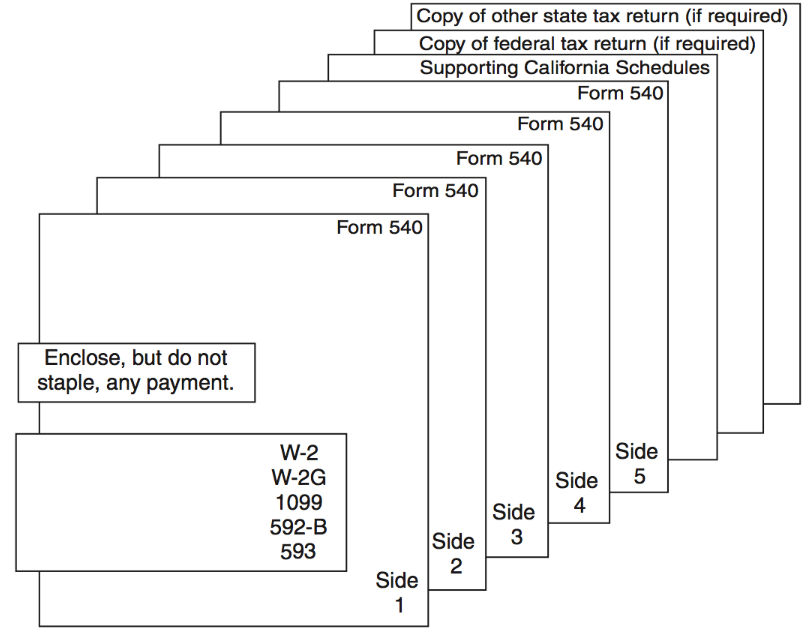
It is absolutely vital to consult the official instructions for Form 540 (the primary California individual income tax return) for the relevant tax year. These instructions clearly list the correct P.O. Box numbers and city/state/zip codes for each scenario. For example, for a return with payment, the address might be in Sacramento, while a non-payment return could go to a different Sacramento P.O. Box or another location. Double-checking this information is a simple yet effective way to prevent delays and ensure your filing is compliant.
The Critical Role of Accurate Address Information, Even While Traveling
Even for those living a nomadic lifestyle, accuracy in address information on the tax form itself, as well as on the envelope, is paramount. The return address you use on your envelope should ideally be a stable mailing point where you can reliably receive any potential correspondence from the FTB. This might be a trusted family member’s home, a dedicated mail forwarding service, or a professional’s office.
Similarly, the address you list as your home address on the Form 540 should reflect your legal California residency, even if you haven’t physically been there for months. Any discrepancies or outdated information could flag your return or lead to important notices being sent to an address where you no longer have access. Maintaining a consistent and reliable physical mailing address for official correspondence, despite your travels, is a non-negotiable aspect of responsible nomadic living.
Strategic Solutions for Mailing While Abroad or On the Go
The challenge of physically mailing a document from a remote location or while continually traveling requires innovative and reliable solutions. Fortunately, several options cater specifically to the needs of individuals with mobile lifestyles.
Trusted Mail Forwarding Services for the Digital Nomad
For many digital nomads and long-term travelers, a professional mail forwarding service is an indispensable tool. These services provide you with a physical mailing address, often in a state like Delaware or Nevada (though California options exist), where all your mail is received. They then scan your mail, allowing you to view it digitally from anywhere in the world. You can then instruct them to open and scan specific items, shred junk mail, or physically forward important documents (like your tax return) to a designated address, whether that’s a temporary Airbnb, a friend’s house, or directly to the FTB.
Key benefits of these services include:
- A stable physical address: Essential for official correspondence.
- Digital access: View your mail online, no matter your location.
- Mail handling: Professional staff can send out your prepared tax return.
- Privacy: Keeps your actual whereabouts private.
When choosing a service, look for one with a good reputation, robust security for scanned documents, and transparent pricing for forwarding physical mail.

Leveraging Family or Friends as a Reliable Mail Hub
For those with strong ties to California, enlisting the help of a trusted family member or close friend can be a practical solution. This arrangement involves designating their address as your official mailing address for tax purposes. They would receive your tax documents, and critically, they could mail your prepared California state tax return on your behalf.
This method requires a high degree of trust and organization. You would need to ensure they are diligent about checking for your mail, informing you of its arrival, and acting promptly to send out your return. It’s advisable to provide them with clear, written instructions and pre-addressed, stamped envelopes for critical mailings like your tax return. While cost-effective, it relies heavily on personal relationships and may not offer the same level of professional efficiency or privacy as a dedicated service.
Utilizing Professional Services: CPAs and Expat Tax Specialists
Perhaps the most secure and stress-free option for complex cases or for those who simply prefer to outsource the administrative burden is to engage a certified public accountant (CPA) or a tax specialist, especially one experienced in expat or mobile taxpayer situations. A CPA can not only prepare your California state tax return but can also handle the mailing logistics. Many CPAs offer secure client portals for document exchange and can ensure your return is filed (either electronically or via mail) correctly and on time.
For those living outside the United States, an expat tax specialist understands the intricacies of foreign earned income exclusion, foreign tax credits, and how these interact with state-level taxes like those in California. They can provide invaluable guidance, prepare all necessary federal and state forms, and manage the submission process, thereby removing a significant administrative burden from your nomadic lifestyle. This professional assistance, while an investment, offers peace of mind and minimizes the risk of errors or missed deadlines.
Embracing Digital Pathways: The Preferred Nomadic Solution
In an increasingly digitized world, physical mail is becoming less common, and tax agencies are actively promoting electronic filing. For individuals with a mobile lifestyle, digital pathways offer unparalleled convenience, speed, and security.
The Benefits of E-Filing for Travelers
E-filing (electronic filing) is hands down the most convenient method for submitting your California state tax return, especially when you’re traveling or living abroad. It eliminates the need for physical paper, postage, and the uncertainties of international mail.
The primary benefits include:
- Instant Confirmation: You receive immediate confirmation that your return has been received by the FTB.
- Reduced Errors: Tax software often flags common errors, improving accuracy.
- Faster Refunds: E-filed returns typically result in quicker processing and refunds.
- Accessibility: You can file from anywhere with an internet connection, whether you’re in Mexico City or Tokyo.
- Security: E-filing systems use advanced encryption to protect your sensitive financial information.
Many reputable tax software providers support California state tax filing, often integrating seamlessly with federal returns. This provides a comprehensive digital solution for your tax needs.
Secure Digital Document Management for Peace of Mind
Beyond e-filing, a complete digital strategy for tax management is crucial for the mobile lifestyle. This involves securely storing all your tax-related documents (W-2s, 1099s, receipts, previous returns) in a cloud-based storage system. Platforms like Google Drive, Dropbox, or dedicated secure document management services allow you to access your files from any device, anywhere.
This approach offers:
- Access on Demand: Retrieve any document you need, whenever you need it.
- Data Backup: Protects against loss of physical documents.
- Organization: Keeps all your tax records systematically organized.
- Reduced Clutter: Eliminates the need to carry physical folders of paperwork.
Implementing a secure digital document management system is a best practice for all taxpayers, but it is particularly transformative for those whose physical location is constantly changing.
California Franchise Tax Board’s Online Services and Resources
The California Franchise Tax Board (FTB) offers a robust suite of online services designed to assist taxpayers. These include:
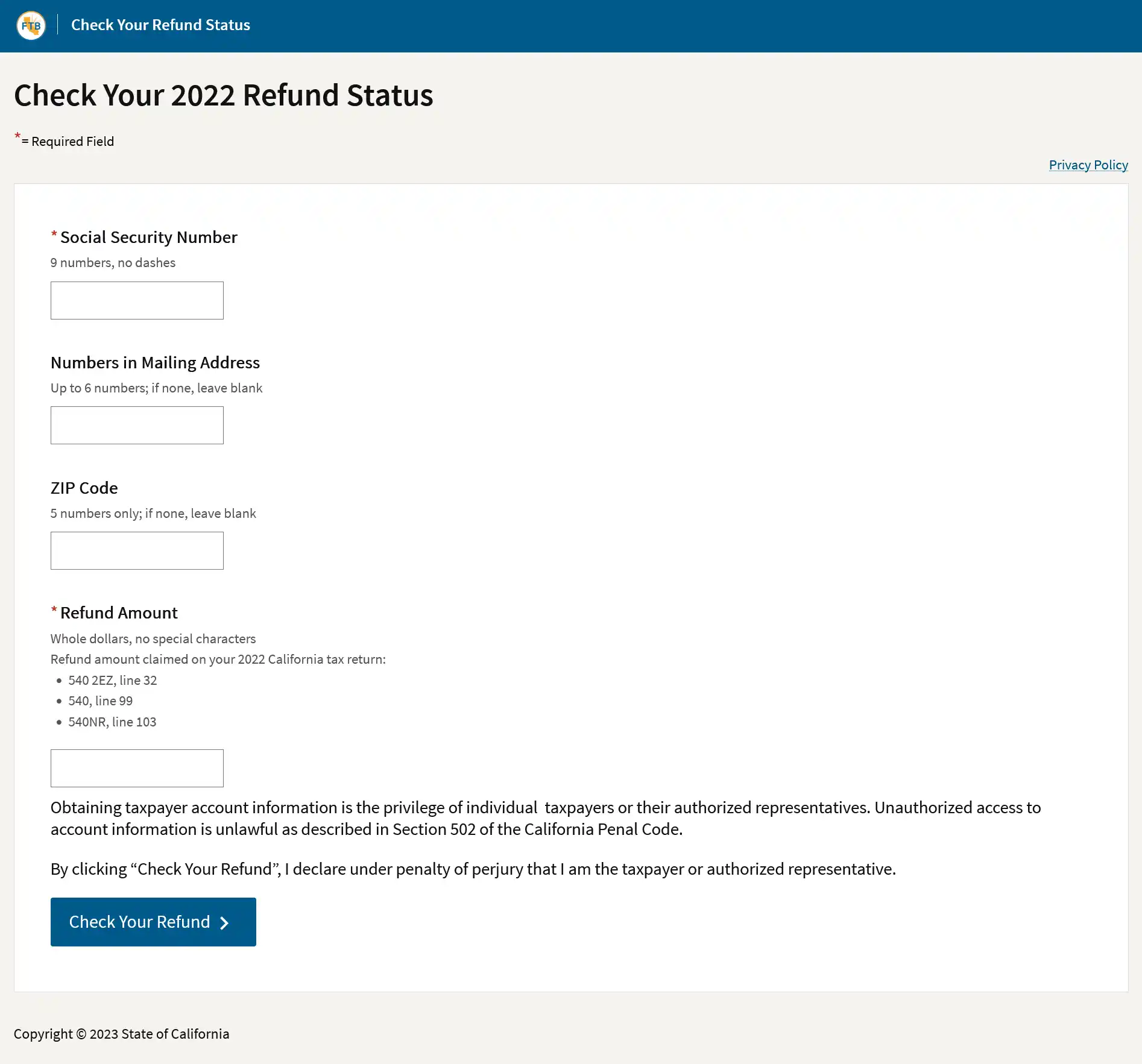
- MyFTB Account: A personalized online portal where you can view your tax history, check refund status, make payments, and communicate securely with the FTB.
- Web Pay: An easy way to make direct payments from your bank account.
- Online Forms and Publications: Access to all official forms and instructions.
- E-File Options: Information and links to approved e-file providers.
Leveraging these official FTB resources should be a core component of any mobile taxpayer’s strategy. They provide direct access to information and functionalities that streamline tax compliance and reduce reliance on traditional postal services.
Maintaining Compliance: A Cornerstone of Sustainable Lifestyle Travel
Ultimately, the goal is to integrate tax responsibilities seamlessly into your chosen lifestyle, rather than allowing them to become a source of stress or limitation. Proactive planning and informed decision-making are key to sustainable lifestyle travel.
Proactive Planning: Deadlines and Extensions
The primary deadline for filing California state tax returns (Form 540) is generally April 15th for calendar year filers. For those living abroad, there are often automatic extensions for federal returns, and California generally aligns with these. However, even if you receive an extension to file, an extension to pay is not automatic. Any taxes owed are still due by the original deadline to avoid penalties and interest.
For the mobile individual, marking these deadlines on a digital calendar with multiple reminders is crucial. If you anticipate needing more time to gather documents or organize your return, filing for an extension is a smart, proactive step. This can often be done online through the FTB’s website or via tax software. Always remember that an extension to file is not an extension to pay.
Seeking Professional Advice: When to Consult an Expert
While this article provides general guidance, individual tax situations can be complex, especially when factors like residency, income sources from multiple states or countries, and significant travel are involved. There are specific scenarios where consulting a tax professional is not just helpful but essential:
- Complex Residency Issues: If you’re unsure whether you qualify as a California resident for tax purposes due to extensive travel.
- Foreign Income: If you earn income while working abroad or have foreign investments.
- Starting a Business: If your nomadic lifestyle includes running a business with multi-state or international implications.
- Significant Life Changes: Marriage, divorce, sale of property, or inheritance while traveling.
A qualified CPA or an expat tax specialist can provide tailored advice, ensure accurate filing, and help you strategize to minimize your tax burden legally, giving you greater freedom and confidence in your mobile life.
The Long-Term Impact of Tax Compliance on Your Lifestyle Freedom
For the individual who values freedom and flexibility, consistent tax compliance is not merely an obligation; it’s an enabler. By diligently managing your tax responsibilities, you safeguard your financial well-being, maintain good standing with authorities, and avoid complications that could restrict your ability to travel, work remotely, or live internationally. A clear tax record provides a solid foundation for future endeavors, whether applying for visas, securing financing, or simply enjoying uninterrupted global mobility. Integrating these administrative tasks intelligently into your lifestyle design ensures that the very freedom you seek is preserved and enhanced for years to come.
LifeOutOfTheBox is a participant in the Amazon Services LLC Associates Program, an affiliate advertising program designed to provide a means for sites to earn advertising fees by advertising and linking to Amazon.com. Amazon, the Amazon logo, AmazonSupply, and the AmazonSupply logo are trademarks of Amazon.com, Inc. or its affiliates. As an Amazon Associate we earn affiliate commissions from qualifying purchases.