
For many, the name Capistrano, California conjures images of swallows returning to ancient mission bells, a scene immortalized in song and legend. Yet, beyond this iconic imagery, the precise location and essence of this fabled place often remain a mystery to those who haven’t had the pleasure of visiting. Capistrano, California is not merely a historical landmark but a vibrant city steeped in rich history, charming culture, and a distinct Southern California allure. It is an essential destination for travelers seeking to delve into the Golden State’s origins, explore picturesque landscapes, and experience a unique blend of historical reverence and contemporary appeal. This guide aims to pinpoint Capistrano on the map, illuminate its multifaceted attractions, and provide an insightful overview for anyone considering a visit to this captivating locale.

Pinpointing Capistrano: A Southern California Historical Hub
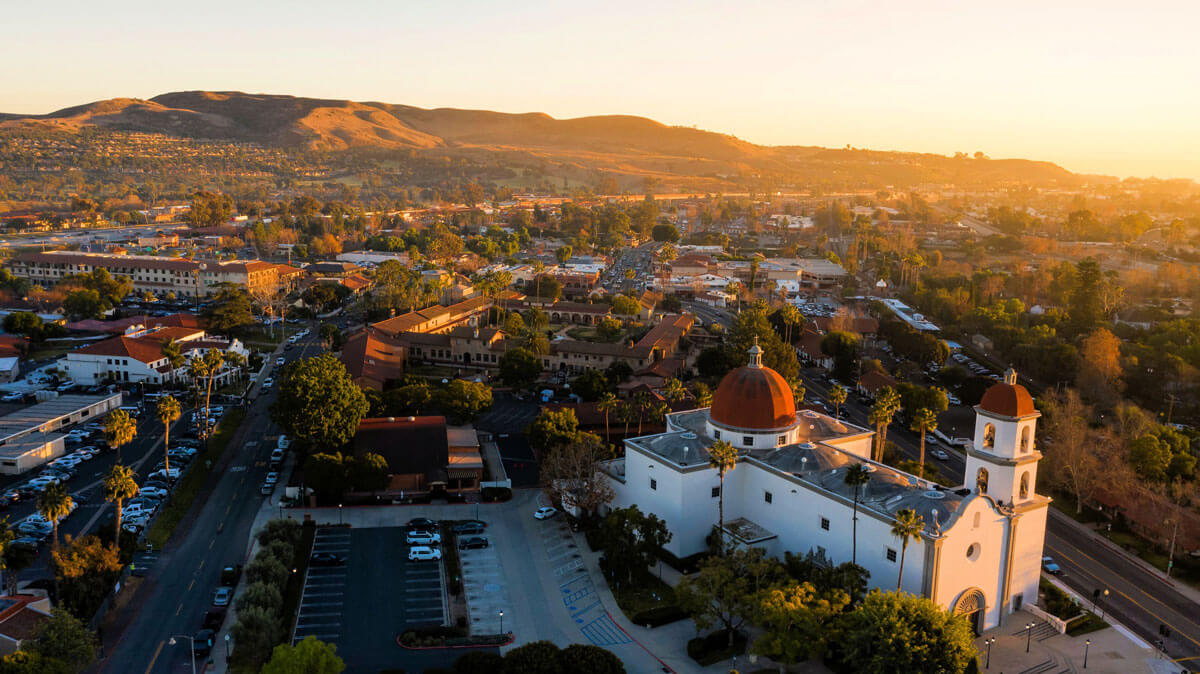
To understand “Capistrano,” one must first understand its formal designation: the city of San Juan Capistrano. Located in the southern reaches of Orange County, California, this city is a historical cornerstone of the region, nestled approximately halfway between the bustling metropolises of Los Angeles to the north and San Diego to the south. Its geographical position offers a unique advantage, providing a serene escape while remaining conveniently accessible from major urban centers.
Geographical Context and Accessibility
San Juan Capistrano is situated inland, though it is only a short drive—roughly 10-15 minutes—from the breathtaking Pacific Ocean coastline, with nearby towns like Dana Point offering easy beach access. The city’s topography is characterized by rolling hills, the seasonal flow of the San Juan Creek, and a pleasant Mediterranean climate that blesses it with warm, sunny days for most of the year.
Accessibility is a key feature of San Juan Capistrano. Major freeways, including Interstate 5, run directly through the area, making it straightforward to reach by car. For those preferring public transportation, the city is a stop on Amtrak’s Pacific Surfliner route, offering a scenic train journey along the coast. This connectivity makes it an ideal day trip or weekend getaway destination for residents and tourists exploring Southern California. Its proximity to international airports like John Wayne Airport (SNA) also facilitates visits for out-of-state and international travelers.
A Glimpse into Early History
The area now known as San Juan Capistrano has a history that predates European arrival by thousands of years, having been home to the Acjachemen Native American people. The Spanish explorer Juan Rodríguez Cabrillo first sailed past the coast in 1542, but it wasn’t until the late 18th century that the Spanish mission system formally established a presence. The founding of the Mission San Juan Capistrano in 1776 by Father Junípero Serra marked a pivotal moment, shaping the destiny of the land and its people, and laying the groundwork for the city we see today. This mission became the spiritual and cultural heart of the community, influencing its architecture, traditions, and very identity.
The Enduring Legacy of Mission San Juan Capistrano
At the epicenter of Capistrano’s identity lies the historic Mission San Juan Capistrano. Often referred to as the “Jewel of the Missions,” it is the seventh of the 21 California missions and arguably one of the most significant, not just for its architectural beauty but for its profound cultural impact. This sacred site serves as a poignant reminder of California’s colonial past and the complex interplay of cultures that defined its early development.
Architectural Grandeur and Historical Significance
The Mission San Juan Capistrano is a sprawling complex of adobe buildings, lush courtyards, and tranquil gardens. Visitors can explore the preserved remains of the original structures, including the beautiful Serra’s Chapel, which holds the distinction of being the oldest building in California still in use. Adjacent to it stands the ruins of the majestic Great Stone Church, a magnificent basilica that was tragically destroyed by an Earthquake of 1812. Despite its ruined state, its towering arches and weathered walls evoke a powerful sense of history and engineering ambition.
The mission grounds are meticulously maintained, offering a journey back in time. Exhibits detail the lives of the missionaries, the Native Americans, and the Spanish soldiers who inhabited the mission during its heyday. The museum provides artifacts, artwork, and narratives that illuminate the daily routines, spiritual practices, and challenges faced by the mission community. It’s a place where history comes alive through tangible remnants and thoughtful interpretations.
The Legend of the Swallows of Capistrano
Perhaps no aspect of the mission is more globally recognized than the enchanting legend of the Swallows of Capistrano. Every year, around St. Joseph’s Day (March 19th), a specific species of swallows is said to return to the mission from their winter migration in Goya, Argentina. They build their nests in the eaves and arches of the old mission buildings, symbolizing renewal and the advent of spring. While urban development and changing environmental factors have altered the swallows’ nesting habits in recent decades, the tradition endures.
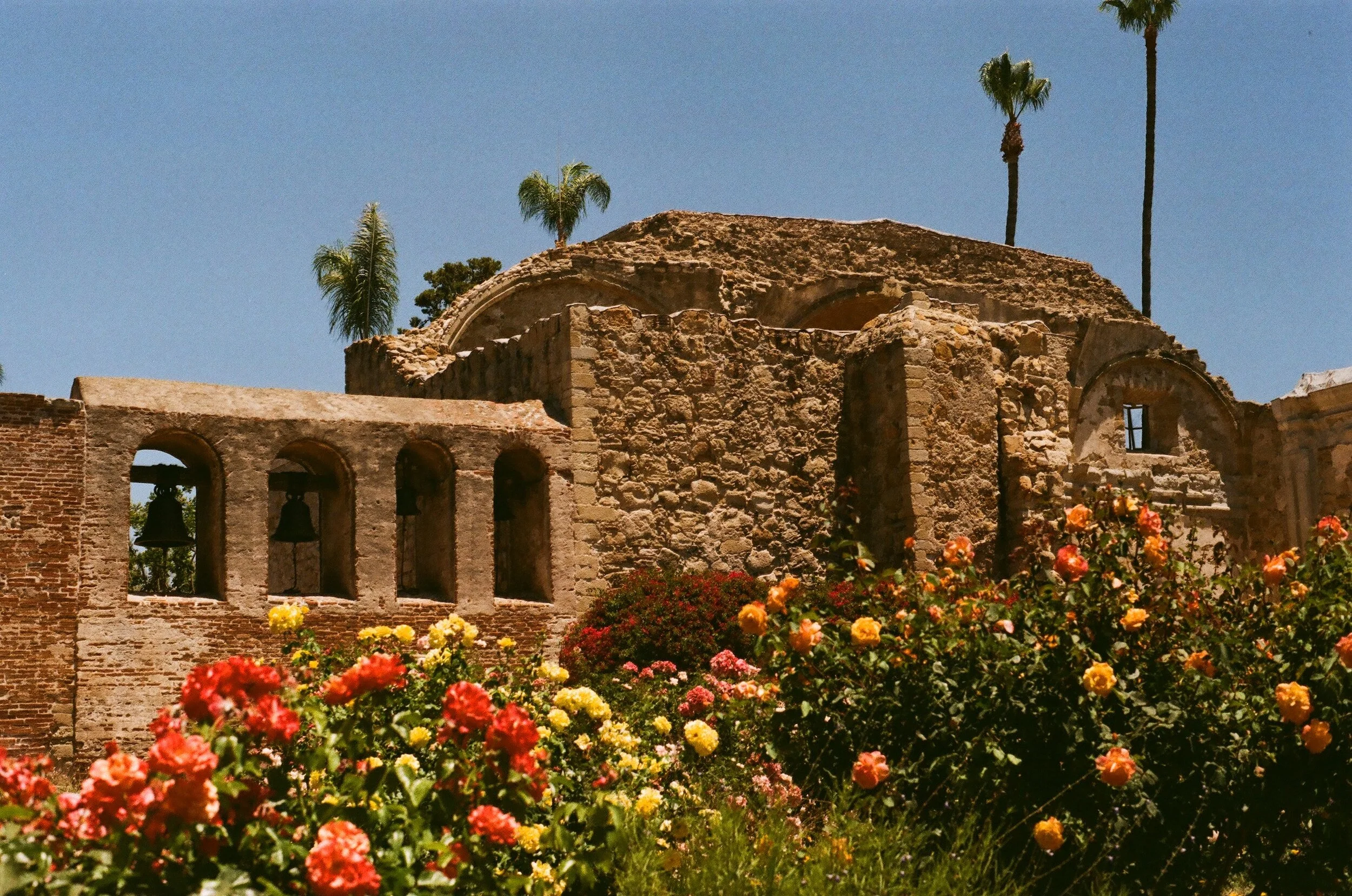
The annual Return of the Swallows Celebration remains a significant cultural event, drawing thousands of visitors who wish to partake in the festivities, witness the “return” (or celebrate the spirit of it), and honor a tradition that is synonymous with the mission’s identity. This legend adds a layer of natural wonder and romanticism to the mission’s already rich historical tapestry, further cementing Capistrano’s place in the collective imagination.
Beyond the Bells: Exploring San Juan Capistrano’s Charms
While the mission is undoubtedly the crown jewel, San Juan Capistrano offers a wealth of other attractions and experiences that encourage visitors to linger and explore the broader community. The city expertly blends its historical roots with modern amenities, creating a destination that caters to diverse interests, from history buffs and culture enthusiasts to families and foodies.
The Enchanting Los Rios Historic District
Adjacent to the mission lies the Los Rios Historic District, the oldest continuously inhabited neighborhood in California. This charming area is a living museum, featuring 30 historic homes, three of which date back to the 1790s. Strolling through Los Rios is like stepping back in time, with its tree-lined streets, quaint adobe and wooden structures, and beautifully maintained gardens. Many of these historical buildings now house unique boutiques, art galleries, and inviting cafes, offering a delightful experience for shoppers and those seeking a peaceful afternoon.
Visitors can enjoy a leisurely walk, discover artisan crafts, or simply soak in the tranquil atmosphere. The district is also home to Zoomars at River Street Ranch, a popular petting zoo and family attraction where children can interact with various animals, ride ponies, and enjoy outdoor fun in a rustic setting. This combination of history, commerce, and family entertainment makes Los Rios a must-visit area within San Juan Capistrano.
Dining, Shopping, and Local Flavors
San Juan Capistrano boasts a vibrant culinary scene that ranges from casual eateries to upscale dining experiences. Many restaurants feature outdoor patios, perfect for enjoying Southern California’s pleasant weather. The cuisine reflects the region’s diverse influences, with strong nods to Mexican heritage, fresh seafood, and contemporary American fare. Local establishments often source ingredients from nearby farms, emphasizing freshness and seasonal flavors.
Beyond the mission and Los Rios, the city’s downtown area offers an array of unique shops, antique stores, and art galleries. Visitors can find handcrafted items, vintage treasures, and contemporary artworks that reflect the creative spirit of the community. Regular farmers’ markets provide opportunities to sample local produce and artisanal goods, further enriching the cultural experience.
Planning Your Visit: Logistics and Immersive Experiences
A trip to Capistrano can be tailored to various preferences, whether it’s a brief historical immersion, a leisurely cultural exploration, or a family-friendly adventure. Understanding the practical aspects of planning your visit will enhance the overall experience.
Best Time to Visit and What to Expect
The climate in San Juan Capistrano is generally mild and pleasant year-round. However, the spring months (March to May) are particularly popular due to the temperate weather and the festive atmosphere surrounding the Return of the Swallows Celebration. Fall (September to November) also offers agreeable temperatures and fewer crowds. Summers can be warm, especially inland, but remain popular for family vacations. Winters are mild and often sunny, making it a viable destination even in cooler months.
Visitors should allocate at least half a day, if not a full day, to thoroughly explore the Mission San Juan Capistrano and the Los Rios Historic District. Many choose to spend a full weekend, allowing time to explore nearby coastal towns, engage in outdoor activities, or simply relax and savor the local ambiance.
Accommodation Options
While San Juan Capistrano itself offers charming boutique hotels and comfortable inns, many visitors also opt to stay in the nearby coastal communities of Dana Point or Laguna Beach, which provide a wider range of hotels, resorts, and vacation rentals. These options allow travelers to combine the historical exploration of Capistrano with beach access and ocean-based activities. Regardless of where you choose to stay, booking in advance, especially during peak seasons or major events, is always advisable.
In conclusion, “Where Is Capistrano, California?” is a question that leads to the discovery of San Juan Capistrano, a city where history is not just preserved but vibrantly lived. It is a place that tells the story of California through its ancient mission, historic neighborhoods, and timeless traditions. For any traveler seeking an insightful and engaging journey into the heart of Southern California’s heritage, Capistrano stands as an essential and unforgettable destination.
LifeOutOfTheBox is a participant in the Amazon Services LLC Associates Program, an affiliate advertising program designed to provide a means for sites to earn advertising fees by advertising and linking to Amazon.com. Amazon, the Amazon logo, AmazonSupply, and the AmazonSupply logo are trademarks of Amazon.com, Inc. or its affiliates. As an Amazon Associate we earn affiliate commissions from qualifying purchases.