
For many prospective travelers, the question “Where is fire in Northern California?” is not just a query about current events but a critical factor in planning their visit to this breathtaking region. While Northern California is celebrated for its diverse landscapes—from towering redwoods to sun-drenched vineyards and rugged coastlines—it also experiences a seasonal reality of wildfires. As a vital part of planning any trip, understanding the dynamic nature of these events, how they impact tourism, and where to find reliable information is paramount. This guide is crafted for the discerning tourist, offering insights and practical advice to ensure a safe, enjoyable, and responsible exploration of one of America’s most cherished destinations.

Navigating Northern California’s Wildfire Landscape for Tourists
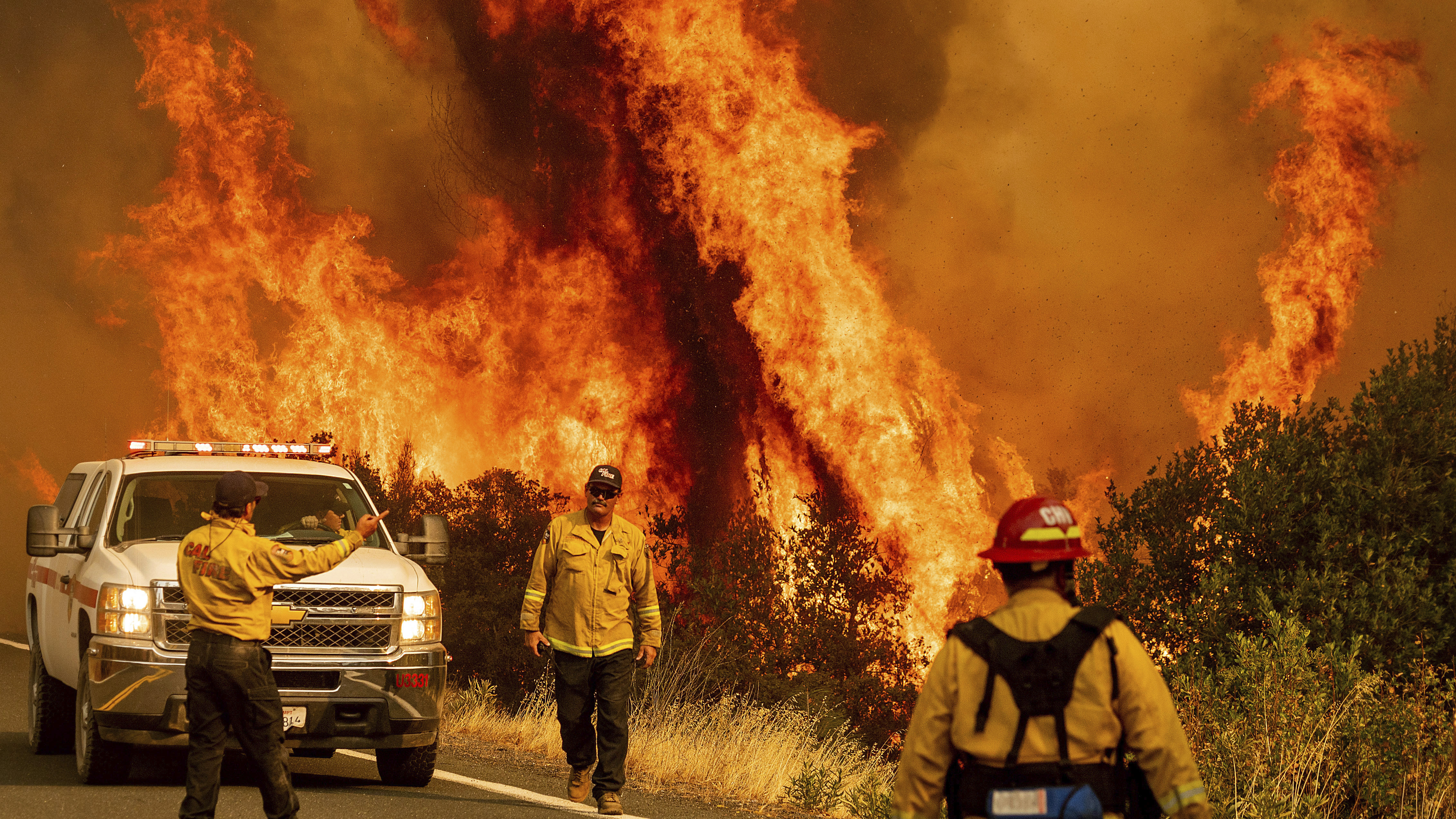
The presence of wildfires in Northern California is a complex issue, deeply intertwined with the region’s Mediterranean climate, abundant vegetation, and, increasingly, climate change. For tourists, this means that while the region remains a premier destination, an awareness of wildfire season and its potential impacts is essential for informed travel decisions. The key is not to avoid the region entirely, but to approach travel with preparedness and access to the right information.
The Seasonal Reality of Wildfires
Wildfires are a natural, albeit often devastating, component of Northern California’s ecosystem. The primary wildfire season typically spans from late spring through late fall, generally May to November, peaking in late summer and early autumn. During these months, dry conditions, high temperatures, and strong winds create an environment where fires can ignite and spread rapidly. Understanding this seasonal pattern allows travelers to anticipate potential challenges and plan accordingly. For instance, planning a trip during the cooler, wetter months might reduce the risk of direct wildfire impacts, though vigilance remains key year-round. This insight into the region’s natural cycles helps tourists make more informed choices about the best time to visit, balancing the allure of summer activities with the realities of fire season.
Essential Resources for Real-Time Fire Information
The most critical tool for any tourist visiting Northern California during wildfire season is access to real-time, accurate information. Relying on official sources is non-negotiable. Key agencies and platforms provide up-to-the-minute details on fire locations, containment, road closures, and air quality.
- CAL FIRE (California Department of Forestry and Fire Protection): This is the leading agency for wildfire response in California. Their incident maps and daily updates are indispensable for understanding the current fire situation. Tourists should regularly check the CAL FIRE website and social media channels.
- National Weather Service (NWS): Provides critical weather forecasts, including Red Flag Warnings (indicating high fire danger), smoke advisories, and wind patterns, all of which are crucial for assessing risk.
- Local Sheriff’s Departments and Emergency Services: For specific information on evacuation orders, road closures within a county, or localized alerts, county-level emergency websites and social media are invaluable.
- AirNow.gov: This federal website provides real-time air quality data across the United States. Smoke from wildfires can travel hundreds of miles, impacting air quality even in areas far from an active fire. Checking AirNow.gov for the Air Quality Index (AQI) is vital for planning outdoor activities and protecting health.
By integrating these resources into their travel planning, tourists can maintain situational awareness, make quick adjustments to itineraries, and prioritize their safety and well-being.
Impact on Popular Tourist Destinations and Travel Planning
Wildfires in Northern California can significantly influence a tourist’s experience, ranging from minor inconveniences to major disruptions. Understanding these potential impacts allows for more resilient travel planning and a greater appreciation for the efforts of local communities and emergency services.
Assessing Air Quality and Outdoor Activities
One of the most widespread impacts of wildfires, even for areas not directly threatened by flames, is compromised air quality due to smoke. Smoke plumes can travel vast distances, turning clear skies hazy and posing health risks, especially for individuals with respiratory conditions. This directly affects outdoor activities that are central to a Northern California vacation, such as hiking in Redwood National and State Parks, wine tasting in Napa Valley, or enjoying the beaches along the Mendocino Coast. Before heading out, travelers should check AirNow.gov for their specific destination. If the air quality is unhealthy, consider indoor alternatives like museum visits, culinary classes, or exploring local shops in cities like Sacramento or the San Francisco Bay Area.
Road Closures and Evacuation Orders: What Tourists Need to Know
Direct wildfire threats often lead to immediate road closures and, in severe cases, mandatory evacuation orders. These measures are put in place for public safety and must be respected by all. For tourists, this means that planned routes can become impassable, and destinations may suddenly become inaccessible. It is crucial to have alternative routes mapped out and to monitor local traffic conditions through apps like Waze or Google Maps, which often integrate real-time incident data. If an evacuation order is issued for an area you are in or planning to visit, adjust your plans immediately and comply with all instructions from local authorities. Prioritizing safety over a fixed itinerary is paramount.
Flexible Travel Planning and Insurance Considerations
Given the unpredictable nature of wildfires, flexibility is a tourist’s best friend in Northern California. When booking accommodations and activities, look for options with flexible cancellation policies. Consider purchasing travel insurance that covers disruptions due to natural disasters. It’s important to read the fine print of any policy to understand exactly what is covered, as some policies may exclude certain types of events or require a specific trigger for coverage. Having a contingency plan—such as an alternative destination within the region or a backup activity list—can significantly reduce stress if your initial plans are impacted. This forward-thinking approach ensures that even if wildfires pose a challenge, your overall travel experience can remain positive and safe.

Spotlight on Key Northern California Regions: Travel Considerations
While wildfires can affect broad swathes of Northern California, specific regions have unique considerations for tourists. Understanding these nuances can further enhance your travel preparedness.
The Wine Country: Napa Valley and Sonoma County
The renowned wine regions of Napa Valley and Sonoma County have unfortunately experienced significant wildfire activity in recent years. While these communities are incredibly resilient and quick to recover, tourists should be aware of potential impacts. During fire season, check vineyard and restaurant websites for updated hours or closures. Air quality can be a concern for outdoor tastings, so prioritize indoor experiences or visit during periods of better air quality. Many wineries are equipped with advanced air filtration systems, and the region often rebounds quickly, eager to welcome visitors back. Supporting these local businesses when safe to do so contributes directly to their recovery.
Pristine Wilderness: Redwood National and State Parks and the Sierra Nevada Mountains
The majestic forests of Redwood National and State Parks and the vast expanse of the Sierra Nevada mountains (home to parts of Yosemite National Park and Mount Shasta) are particularly vulnerable to wildfires. Tourists planning hiking, camping, or backpacking trips in these areas must exercise extreme caution. Check park websites for current fire restrictions (e.g., no campfires), trail closures, and air quality advisories. Backcountry permits may be suspended, and areas might be closed to public entry for safety. Always carry enough water, know your escape routes, and inform someone of your itinerary. Fire prevention starts with every individual, especially in these sensitive ecosystems.
Iconic Lake Tahoe
Lake Tahoe, a jewel of the Sierra Nevada, is a magnet for outdoor enthusiasts. While the lake itself is often a sanctuary, surrounding forests are susceptible to fire. Tourists visiting Lake Tahoe should monitor conditions not just around the lake but also in the broader Sierra Nevada region. Smoke from distant fires can reduce visibility and make outdoor activities less pleasant. Be mindful of local regulations regarding barbecues, fireworks, and campfires, which are often strictly enforced or banned during high fire danger periods. Always be prepared for potential road closures affecting access to and from the lake.
Urban Gateways: San Francisco Bay Area and Beyond
Even major urban centers like the San Francisco Bay Area can experience indirect impacts from wildfires. While direct threats are rare, smoke and poor air quality can blanket cities, altering skylines and impacting public health. Tourists planning urban explorations should still check air quality forecasts, especially if they have sensitivities. Public transport might be affected by smoke-related delays, and outdoor events could be canceled. However, cities generally offer a wealth of indoor attractions, providing excellent alternatives during periods of heavy smoke.
Practicing Responsible Tourism Amidst Wildfire Risk
Being a responsible tourist in Northern California extends beyond just personal safety; it involves actively participating in prevention and supporting the resilience of local communities.
Supporting Local Communities Safely
When an area has been affected by wildfires and is deemed safe for visitation, supporting local businesses becomes a powerful way to contribute to recovery. Patronize restaurants, shops, and tour operators. This economic infusion helps communities rebuild and thrive. Before visiting an impacted area, ensure it is fully open and welcoming tourists, as early recovery phases may require residents to focus on their own needs without the added strain of tourist traffic. Always verify the status of attractions and services directly with local tourism boards or business websites. Your conscious spending can make a significant difference in the long-term vitality of these regions.
Fire Prevention for Visitors
Every visitor to Northern California has a role to play in fire prevention. A staggering number of wildfires are human-caused and entirely preventable.
- Be careful with campfires: If allowed, ensure they are in designated fire rings, attended at all times, and completely extinguished before leaving. “Cold out” means you can put your hand in the ashes without feeling heat.
- Vehicle safety: Ensure your vehicle is properly maintained to prevent sparks from catalytic converters. Avoid driving or parking on dry grass, where hot exhaust systems can ignite fuel.
- Dispose of smoking materials responsibly: Never toss cigarettes out of a car window. Use designated receptacles.
- Know local restrictions: Be aware of any red flag warnings, burn bans, or other fire-related restrictions in the areas you visit.
- Stay on marked trails: Off-roading or venturing into sensitive vegetation can inadvertently start fires.
By adhering to these simple guidelines, tourists become active stewards of Northern California’s natural beauty, helping to protect it for future generations.
Embracing Flexibility and Preparedness
Ultimately, enjoying Northern California during any season, especially wildfire season, requires a mindset of flexibility and preparedness. The answer to “Where is fire in Northern California?” is dynamic and can change daily. By staying informed, utilizing official resources, having contingency plans, and practicing responsible tourism, you can ensure a memorable and safe journey through this extraordinary part of the world. Northern California’s spirit of resilience and its profound natural beauty are always waiting to be discovered, safely and responsibly.
LifeOutOfTheBox is a participant in the Amazon Services LLC Associates Program, an affiliate advertising program designed to provide a means for sites to earn advertising fees by advertising and linking to Amazon.com. Amazon, the Amazon logo, AmazonSupply, and the AmazonSupply logo are trademarks of Amazon.com, Inc. or its affiliates. As an Amazon Associate we earn affiliate commissions from qualifying purchases.