
Nestled within the vast, fertile expanse of California‘s Central Valley, the city of Firebaugh may not instantly register on the mental map of every traveler. Yet, for those seeking to understand the true agricultural heart of the Golden State, or perhaps a tranquil escape from the bustling metropolises, Firebaugh presents itself as a destination rich in quiet charm and vital economic significance. It’s a place that embodies the quintessential rural California experience, deeply rooted in the land and its bounty. This guide aims to pinpoint Firebaugh’s exact whereabouts, delineate its unique character, and uncover why this seemingly unassuming city holds a compelling story for the inquisitive traveler. From its strategic location along the San Joaquin River to its role as a pivotal agricultural center, Firebaugh offers an authentic slice of Central Valley life, inviting visitors to delve into a landscape defined by hard work, community spirit, and abundant natural beauty.
Unveiling Firebaugh’s Geographical Canvas
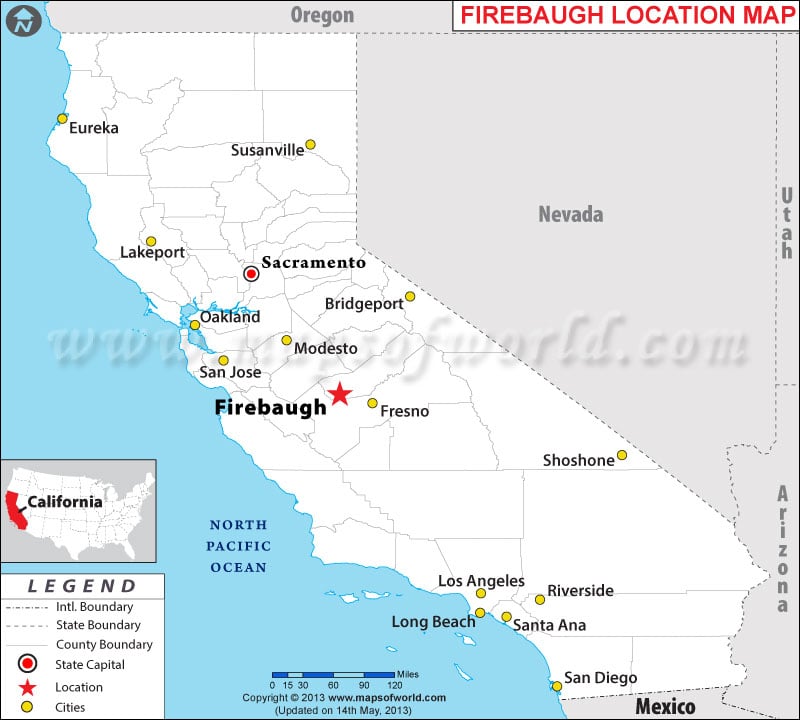
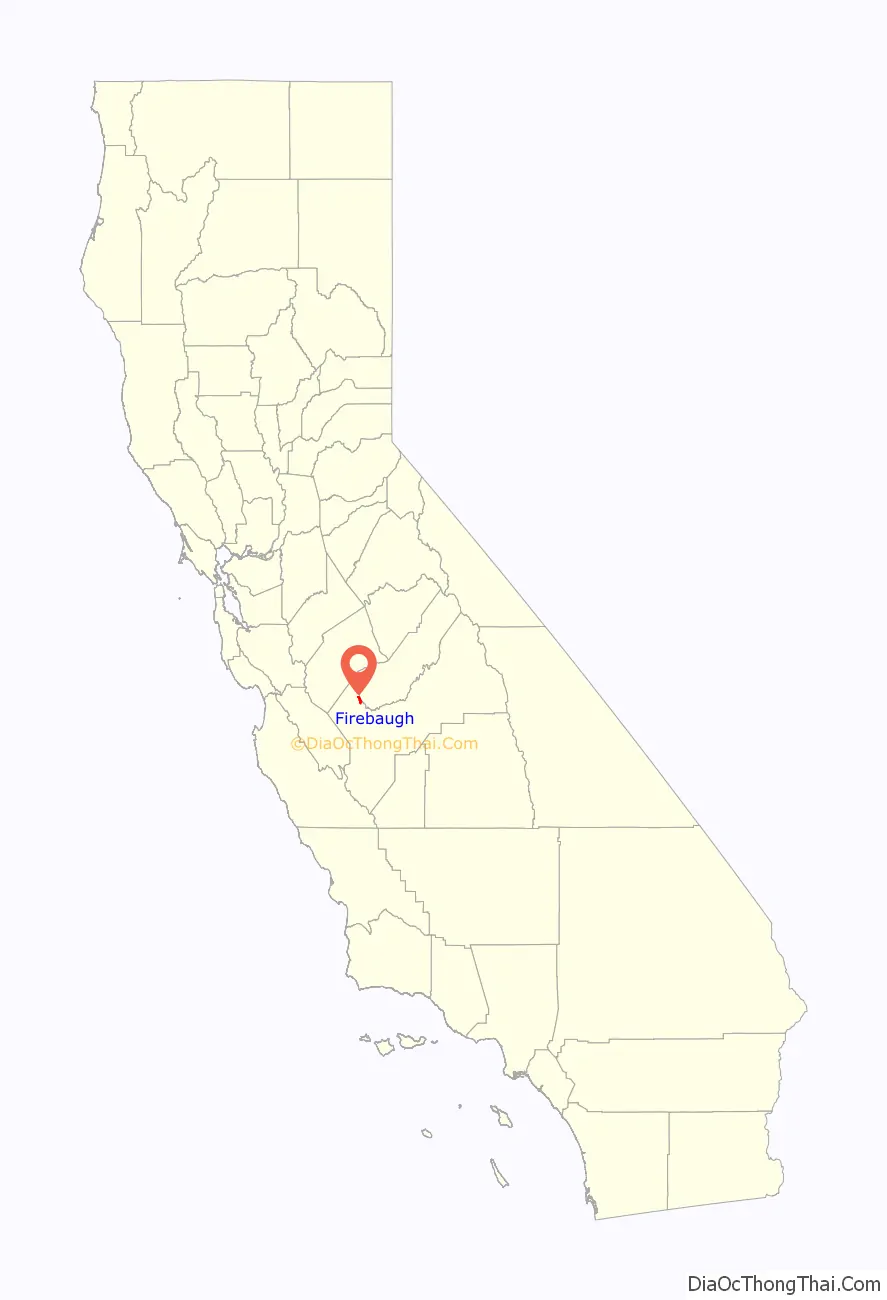
To answer the fundamental question, “Firebaugh is located in Fresno County, California, approximately 38 miles west of the city of Fresno and about 60 miles south of Merced. It sits squarely within the lower San Joaquin Valley, a region renowned globally for its intensive agricultural production. Its coordinates place it in a prime position to leverage the fertile soils and ample water resources of the Central Valley, making it a crucial hub for the state’s farming industry.
A Central Valley Gem
The Central Valley of California is an immense, flat valley that dominates the central half of the state. It is approximately 450 miles long and about 50 miles wide, bordered by the Sierra Nevada Mountains to the east and the California Coast Ranges to the west. Firebaugh’s location within this valley means it benefits from a highly productive agricultural environment, shaped by millions of years of sediment deposition from the surrounding mountain ranges. The San Joaquin River, one of California’s longest rivers, flows just to the east of Firebaugh, providing essential irrigation and contributing to the rich biodiversity of the area. This geographical placement makes Firebaugh not just a dot on the map, but an integral part of a complex natural and economic ecosystem.
Climate and Landscape
Firebaugh, like much of the Central Valley, experiences a Mediterranean climate characterized by hot, dry summers and mild, wet winters. Summer temperatures often soar well above 90°F (32°C), frequently reaching into the triple digits, while winters are generally mild with occasional rainfall and rare frosts. This climate, coupled with extensive irrigation systems, creates ideal conditions for cultivating a wide array of crops. The landscape immediately surrounding Firebaugh is predominantly agricultural, a mosaic of vast fields stretching to the horizon. Visitors will see orchards laden with nuts and fruits, rows of vegetables, and fields of cotton and alfalfa, all testament to the region’s incredible productivity. Beyond the cultivated land, remnants of natural wetlands and riparian habitats along the San Joaquin River offer glimpses into the valley’s original ecology, providing important sanctuaries for migratory birds and local wildlife.
The Heartbeat of Firebaugh: Economy and Community
To understand Firebaugh is to understand its profound connection to agriculture. The city’s very existence and growth have been inextricably linked to the land and the diligent efforts of those who work it. It stands as a testament to the enduring power of farming in shaping communities and economies.
Agricultural Roots and Economic Engine
Firebaugh is unequivocally an agricultural community. Its economy is largely driven by the cultivation, processing, and distribution of various crops. Key commodities grown in the surrounding areas include cotton, tomatoes, cantaloupes, almonds, pistachios, wheat, and dairy products. The presence of food processing plants and agricultural support services further solidifies Firebaugh’s role as a vital cog in California’s multi-billion dollar agricultural industry. For travelers interested in agritourism, or simply in witnessing the origins of their food, Firebaugh offers an authentic window into large-scale commercial farming, providing insights into the technologies, challenges, and immense scale of modern agriculture in the United States. The city’s history is deeply intertwined with irrigation projects, particularly the development of canals and water districts that transformed arid land into some of the most productive farmland in the world.
A Close-Knit Community

Despite its significant economic output, Firebaugh retains the intimate feel of a small town. With a population of around 9,000 residents, it fosters a strong sense of community and local pride. The demographics reflect the region’s agricultural workforce, with a significant Hispanic population contributing to a vibrant cultural tapestry. Local events, such as community festivals, high school sports, and farmers’ markets (seasonal), serve as central gathering points, showcasing the town’s friendly atmosphere. Visitors will find that interactions with locals often reveal a deep connection to the land and a straightforward, welcoming demeanor. This community spirit, often overlooked in larger urban centers, is a distinct feature of the Firebaugh experience, offering a refreshing perspective on California life away from its more celebrated coastal cities.
Exploring Firebaugh and Its Surroundings: Attractions and Activities
While Firebaugh isn’t a typical tourist hotspot brimming with major landmarks, its appeal lies in its authenticity, its natural surroundings, and its proximity to unique Central Valley experiences. For the traveler who appreciates quiet exploration and a genuine connection to local life, Firebaugh offers several understated yet engaging opportunities.
Local Delights and Community Hubs
Within Firebaugh itself, visitors can enjoy the modest charm of local parks, such as Firebaugh City Park, which often host community gatherings and provide green spaces for relaxation. Exploring the downtown area, one might discover local eateries serving hearty, home-style meals, reflecting the region’s agricultural bounty and diverse cultural influences. These local establishments are not just places to eat; they are social hubs where residents connect, offering a glimpse into the daily rhythm of Firebaugh life. Seasonal events, particularly during harvest times, can bring a lively energy to the town, with parades, fairs, and celebrations of local produce. Observing the farming operations from a distance, or perhaps visiting a roadside stand, can also be a fascinating experience, providing context to the region’s agricultural prowess.
Gateway to Natural Wonders and Wildlife
One of Firebaugh’s greatest assets as a travel destination is its strategic location as a gateway to some remarkable natural areas. A short drive east brings visitors to the San Joaquin River, offering opportunities for fishing, birdwatching, and enjoying the serene riparian environment. More significantly, Firebaugh is well-positioned for exploring the San Luis National Wildlife Refuge Complex, located relatively close by. This complex of refuges is an internationally recognized wetland ecosystem, a critical stopover for millions of migratory waterfowl and shorebirds traveling along the Pacific Flyway. Birdwatchers, photographers, and nature enthusiasts will find these refuges an absolute paradise, particularly during the fall and winter months when bird populations are at their peak. Furthermore, for those willing to venture a bit further, Firebaugh serves as a convenient base for day trips to the foothills of the Sierra Nevada Mountains or even longer excursions to world-famous national parks like Yosemite National Park (approximately a 2-hour drive), making it an unexpected entry point to California’s diverse landscapes.
Planning Your Visit: Logistics and Travel Tips
For travelers intrigued by the allure of Firebaugh and the unique experiences it offers, understanding the practical aspects of planning a visit is essential. Given its rural setting, a bit of foresight can greatly enhance the journey.
Getting There
Accessing Firebaugh primarily involves road travel. The city is easily reachable via California State Route 33, which runs north-south through the Central Valley. It’s also accessible from State Route 180, an east-west highway that connects to Fresno and further east into the Sierra Nevada. For those flying in, the nearest major airport is Fresno Yosemite International Airport (FAT), located in Fresno. From the airport, renting a car is highly recommended as public transportation options to Firebaugh are limited. The scenic drive through agricultural lands offers a preview of the region’s character. Travelers should be prepared for varying road conditions, particularly during the farming seasons when heavy agricultural equipment may be present on local roads.
Where to Stay and Dine
As a smaller city, Firebaugh offers a limited but adequate selection of accommodation options, primarily consisting of budget-friendly motels and inns designed to serve business travelers and those passing through. These establishments provide essential comforts and a convenient base for exploring the area. For a wider range of lodging choices, including chain hotels and more upscale options, travelers might consider staying in Fresno and making Firebaugh a day trip destination. Dining in Firebaugh is an opportunity to experience local flavors. Restaurants typically offer casual American fare, Mexican cuisine (reflecting the local demographic), and hearty dishes that cater to the agricultural community. It’s an excellent chance to taste fresh, locally sourced ingredients that define the region’s culinary landscape. Travelers should note that dining hours and options may be more limited than in larger cities, especially outside of peak mealtimes.
In conclusion, Firebaugh, California, is much more than just a dot on the map; it is a vibrant, agricultural heartland community located in the rich Central Valley of California. For the discerning traveler, it offers a compelling opportunity to step off the beaten path and delve into an authentic rural experience. From its essential role in feeding the nation to its friendly community spirit and its strategic position as a launching point for exploring diverse natural landscapes, Firebaugh presents a unique and insightful travel destination. It reminds us that some of the most profound travel experiences can be found not in grand monuments, but in the quiet, hardworking places that form the backbone of a region, inviting us to appreciate the beauty and resilience of its people and land.
LifeOutOfTheBox is a participant in the Amazon Services LLC Associates Program, an affiliate advertising program designed to provide a means for sites to earn advertising fees by advertising and linking to Amazon.com. Amazon, the Amazon logo, AmazonSupply, and the AmazonSupply logo are trademarks of Amazon.com, Inc. or its affiliates. As an Amazon Associate we earn affiliate commissions from qualifying purchases.