
Highland Park, California, stands as a vibrant, historically rich, and culturally dynamic neighborhood nestled within the sprawling urban landscape of Los Angeles. For those unfamiliar with the myriad districts that compose the diverse fabric of Southern California, the question “Where is Highland Park, California?” is a common one, often followed by an intrigued “And what makes it special?” This article serves as a comprehensive guide, placing Highland Park squarely on the map, detailing its unique character, its historical roots, and the contemporary allure that makes it a must-visit destination for travelers seeking an authentic Los Angeles experience.
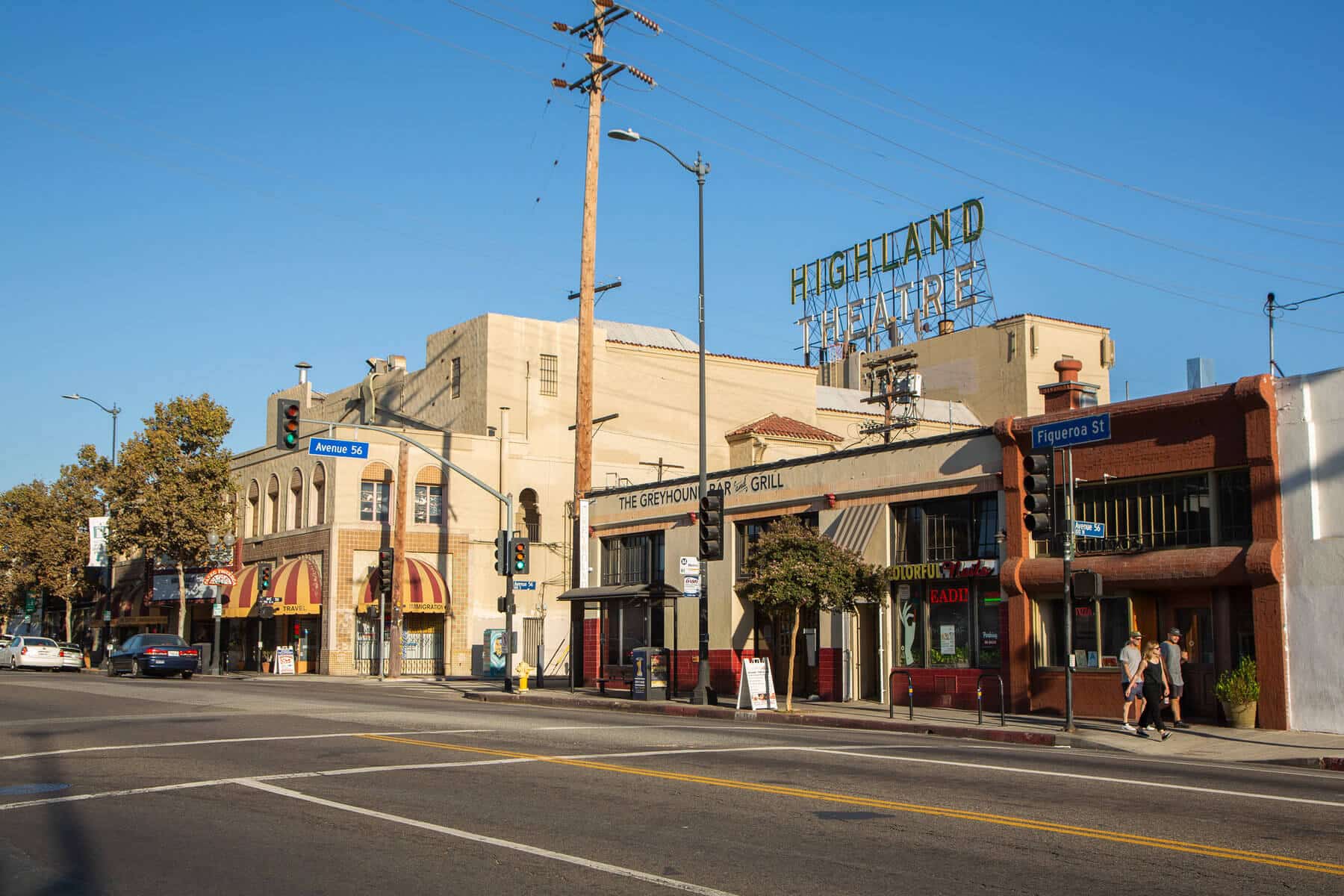
Far from the glitz and glamour of Hollywood or the beachside serenity of Santa Monica, Highland Park offers a distinct blend of historic charm, artistic expression, and burgeoning culinary delights. It represents the heart of Northeast Los Angeles, a region increasingly celebrated for its independent spirit and community-driven revitalization. Understanding where Highland Park is, both geographically and culturally, unlocks a deeper appreciation for the diverse tapestry of California’s largest metropolis and reveals a destination brimming with genuine local character and exciting experiences.
A Glimpse into Northeast Los Angeles’s Gem
Strategically positioned in the Arroyo Seco region of Northeast Los Angeles, Highland Park offers an accessible yet distinctly unique urban experience. Its location is key to understanding its development, its architectural heritage, and its enduring appeal as a destination for both residents and discerning travelers. This area, historically a pathway for the Arroyo Seco Parkway, one of the nation’s first freeways, connects downtown Los Angeles to Pasadena, placing Highland Park in a historically significant corridor.
Geographical Coordinates and Urban Fabric
Highland Park is officially located within Los Angeles County, approximately five miles northeast of Downtown Los Angeles. It is bordered by Pasadena to the north, South Pasadena to the east, Mount Washington and Glassell Park to the west, and Lincoln Heights to the south. This geographical placement positions it perfectly at the crossroads of several distinct Los Angeles communities, allowing for a unique blend of influences. The neighborhood’s topography is characterized by rolling hills, tree-lined streets, and a mix of residential and commercial zones, creating a dense yet charming urban fabric. Unlike some of Los Angeles’ more sprawling areas, Highland Park boasts a relatively compact and walkable commercial core, particularly along its main arteries. This urban density, combined with its historical architecture, gives Highland Park a distinct sense of place that is immediately palpable to visitors. It feels like a genuine neighborhood, a community with a strong identity, rather than just another anonymous part of a vast metropolis.
A Rich Tapestry of History
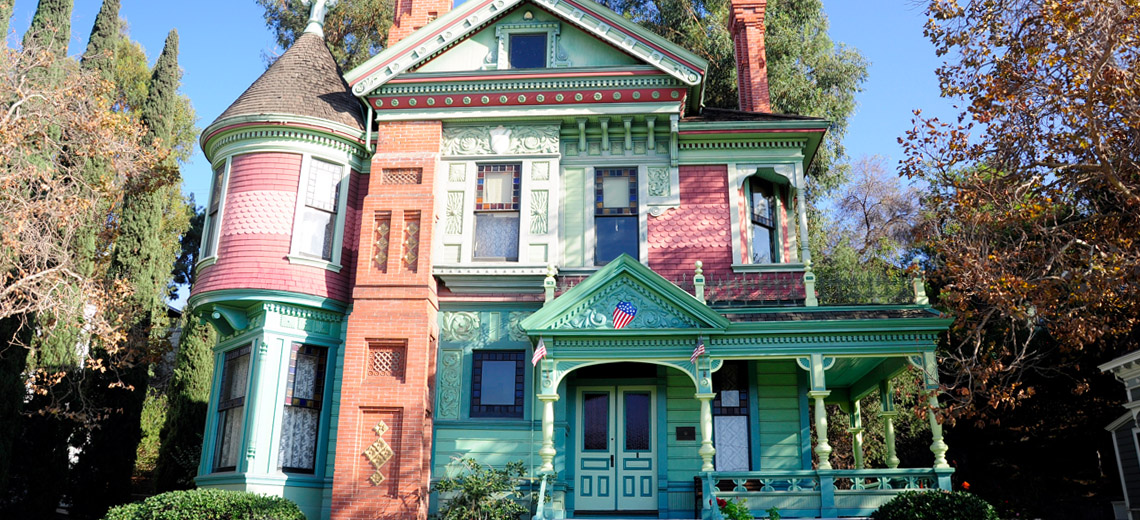
The history of Highland Park is as captivating as its current vibrancy. It was established in 1887, making it one of Los Angeles’s earliest and most historically significant suburbs. Its development coincided with the late 19th-century boom in Southern California, driven by the railroad and land speculation. The area quickly became popular for its scenic beauty, elevated views, and the perceived health benefits of its climate, attracting a mix of professionals and artists. This early period saw the construction of numerous Arts and Crafts and Victorian homes, many of which still stand today, contributing to the neighborhood’s distinctive architectural character.
The early 20th century saw Highland Park flourish as a cultural hub, particularly for artists and intellectuals drawn to the Arroyo Seco region. Over the decades, like many urban neighborhoods, it experienced shifts in demographics and economic fortunes. However, through it all, a strong sense of community persisted. In recent years, Highland Park has undergone a significant revitalization, attracting a new wave of creatives, entrepreneurs, and families drawn to its authentic charm, historic housing stock, and burgeoning commercial corridors. This rich history is evident in every tree-lined street and every preserved architectural gem, offering visitors a tangible connection to Los Angeles’s past while experiencing its dynamic present.
The Vibrant Heartbeat of Figueroa Street and York Boulevard
At the core of Highland Park’s appeal are its two principal commercial thoroughfares: Figueroa Street and York Boulevard. These streets, once largely overlooked, have transformed into bustling epicenters of commerce, culture, and community, each with its own distinct flavor. They embody the spirit of the neighborhood’s revitalization, blending historic buildings with modern businesses, creating a vibrant destination for shopping, dining, and entertainment. Exploring these streets is essential for any visitor wanting to capture the true essence of Highland Park.
Bohemian Charm Meets Modern Flair
Figueroa Street and York Boulevard pulsate with an eclectic energy, showcasing a fascinating fusion of bohemian charm and modern flair. Along these avenues, visitors will discover a diverse array of independent boutiques, vintage shops, art galleries, and specialty stores housed within beautifully preserved historic buildings. York Boulevard, in particular, has garnered a reputation for its trendsetting establishments, from independent bookstores like Future Studio to curated gift shops and record stores. The street art scene is also prominent, with murals adorning many walls, reflecting the neighborhood’s creative spirit and diverse cultural influences.
Figueroa Street, while also boasting a lively collection of new businesses, retains more of its historic, working-class character. Here, one can find a broader mix of long-standing family-owned businesses alongside newer, artisanal ventures. The blend is seamless, creating an environment where a traditional panadería can thrive next to a high-end coffee shop. This dynamic interaction between old and new is a hallmark of Highland Park’s commercial landscape, offering a refreshingly authentic shopping and browsing experience that feels distinct from more commercialized areas of Los Angeles. It’s a place where you can genuinely stumble upon unique finds and local treasures.
Culinary Delights and Craft Beverages
The culinary scene in Highland Park has exploded in recent years, making it a true destination for food enthusiasts. Figueroa Street and York Boulevard are dotted with an impressive range of eateries, from casual cafes and beloved taco stands to upscale dining establishments offering innovative menus. The diversity of options reflects Los Angeles’s multicultural palate, with strong influences from Mexican, Central American, and Asian cuisines, alongside modern American and international fusion concepts.
Visitors can indulge in award-winning pizzas, savor authentic street tacos, or explore plant-based cafes that cater to contemporary dietary preferences. Beyond the food, Highland Park has also become a hub for craft beverages. Numerous independent coffee shops offer expertly brewed cups, while a growing number of craft breweries and wine bars provide sophisticated options for evening enjoyment. Establishments like Highland Park Brewery have become local institutions, drawing crowds with their unique brews and lively atmosphere. Whether you’re looking for a quick bite, a leisurely brunch, or an elegant dinner, Highland Park’s culinary landscape promises a delightful journey for the taste buds.
Arts, Culture, and Community Spirit
Beyond its commercial appeal, Highland Park is deeply rooted in arts, culture, and a palpable sense of community. Its history as a magnet for creatives continues to define its identity, fostering an environment where artistic expression thrives and local engagement is paramount. This cultural depth contributes significantly to its character as a desirable destination.
A Haven for Artists and Creatives
Highland Park’s reputation as an artistic haven is well-earned. The neighborhood is home to a multitude of art galleries, many showcasing emerging local talent alongside established artists. Independent theaters and performance spaces provide platforms for live music, comedy, and experimental productions, enriching the local cultural scene. The abundant street art, from intricate murals to thought-provoking graffiti, transforms public spaces into outdoor galleries, reflecting the community’s diverse voices and vibrant narratives. Events like the NELA Art Walk (when active) invite visitors to explore these creative spaces, meet artists, and engage directly with the cultural pulse of the neighborhood. This constant influx of creative energy ensures that Highland Park remains at the forefront of Los Angeles’s artistic landscape, offering unique cultural experiences that go beyond mainstream attractions.
Parks, Recreation, and Green Spaces
Despite its urban setting, Highland Park offers several welcoming green spaces and recreational opportunities that provide a vital respite from city life. The Highland Park Recreation Center is a central hub, providing sports facilities, playgrounds, and community programs. Sycamore Grove Park, one of Los Angeles’s oldest parks, offers shaded picnic areas and open green lawns perfect for relaxation. For those seeking more adventurous outdoor activities, the sprawling Ernest E. Debs Regional Park, though technically bordering Highland Park, is easily accessible and provides extensive hiking trails, offering panoramic views of the San Gabriel Mountains and the Los Angeles basin. These parks are not just patches of green; they are integral to the community’s lifestyle, hosting events, fostering outdoor activity, and serving as meeting points for residents, adding another layer to Highland Park’s appeal as a destination that balances urban vibrancy with natural serenity.
Architectural Gems and Historic Landmarks
Highland Park is a living museum of architectural styles, making it a fascinating destination for history and design enthusiasts. The neighborhood is particularly renowned for its exceptional collection of Craftsman and Victorian homes, many of which are beautifully preserved and date back to the late 19th and early 20th centuries. Walking through residential streets like those near Mount Washington or around the historic core reveals intricate detailing, inviting porches, and a sense of architectural grandeur that is increasingly rare in modern urban development.
One of the most significant landmarks is the Heritage Square Museum, an open-air museum located just south of Highland Park. It features a collection of Victorian-era houses and buildings that were moved from various parts of Los Angeles to save them from demolition. While not strictly within Highland Park, its proximity and thematic relevance make it a crucial part of understanding the historical context and architectural heritage that defines the region. The neighborhood itself boasts numerous individually designated historic-cultural monuments, each telling a story of Los Angeles’s early development. These architectural gems are not just pretty facades; they are integral to the identity of Highland Park, offering a tangible connection to its past and a unique aesthetic appeal.
Navigating Highland Park: Accessibility and Experience
For any traveler, understanding how to get to and around a destination, and what to expect from its local vibe, is crucial for a fulfilling experience. Highland Park, while an integral part of Los Angeles, offers a distinctive visitor experience that sets it apart from more conventional tourist traps.
Getting There and Around
Highland Park’s accessibility is a significant advantage. While Los Angeles is famously car-centric, Highland Park benefits from excellent public transportation options. The Metro Gold Line (now part of the A Line) conveniently runs through the neighborhood, with the Highland Park Station providing direct access to Downtown Los Angeles, Pasadena, and beyond. This makes it an ideal destination for those who prefer to navigate without a car. Once in the commercial cores of Figueroa Street and York Boulevard, the area is highly walkable, encouraging visitors to explore on foot, discover hidden gems, and soak in the local atmosphere at a leisurely pace. Bicycle lanes are also becoming more prevalent, offering another eco-friendly way to tour the neighborhood. For those driving, street parking is available, though it can be challenging during peak hours, underscoring the benefit of public transit.

The Local Vibe and Visitor Experience
The local vibe in Highland Park is distinctly authentic, characterized by a relaxed, community-oriented atmosphere. Unlike the polished, often manufactured feel of some tourist-heavy districts, Highland Park retains a genuine, lived-in quality. Visitors can expect to encounter a diverse mix of long-time residents, young families, artists, and entrepreneurs, all contributing to the neighborhood’s eclectic charm. The pace is generally more laid-back than in the frenetic heart of Los Angeles, inviting visitors to slow down, explore local businesses, and engage with the community. There’s a strong emphasis on supporting local and independent establishments, fostering a unique shopping and dining experience that is deeply rooted in the neighborhood’s identity. This authentic atmosphere makes Highland Park an engaging destination for travelers seeking to immerse themselves in the true character of Los Angeles, offering insights into its vibrant past and its exciting future.
In conclusion, Highland Park, California, is much more than just a dot on the map; it is a captivating destination within Los Angeles that beautifully marries historical depth with contemporary vibrancy. Its unique position in Northeast Los Angeles, its rich architectural heritage, thriving artistic scene, diverse culinary landscape, and strong community spirit make it an essential stop for any traveler looking to experience an authentic and engaging side of Southern California. From its bustling commercial boulevards to its serene green spaces, Highland Park promises a memorable journey into the heart of a truly special Los Angeles neighborhood.
LifeOutOfTheBox is a participant in the Amazon Services LLC Associates Program, an affiliate advertising program designed to provide a means for sites to earn advertising fees by advertising and linking to Amazon.com. Amazon, the Amazon logo, AmazonSupply, and the AmazonSupply logo are trademarks of Amazon.com, Inc. or its affiliates. As an Amazon Associate we earn affiliate commissions from qualifying purchases.