
Nestled in the heart of Northern California, Napa County stands as a world-renowned destination, primarily celebrated for its illustrious Napa Valley wine region. For many travelers, the allure of exquisite wines, picturesque vineyards, and a sophisticated culinary scene is undeniable. However, understanding precisely “where” Napa County is located within the vast landscape of the Golden State is the crucial first step in planning any visit. This article aims to pinpoint Napa County’s geographical coordinates, its regional context, and the elements that make it an accessible and highly sought-after travel destination.
Napa County: A Prime Location in Northern California
Napa County is situated in the north-central part of California, approximately 50 miles (80 kilometers) north of San Francisco. Its strategic position places it firmly within the larger San Francisco Bay Area metropolitan region, though it maintains a distinctly more rural and serene ambiance compared to its bustling urban counterparts.
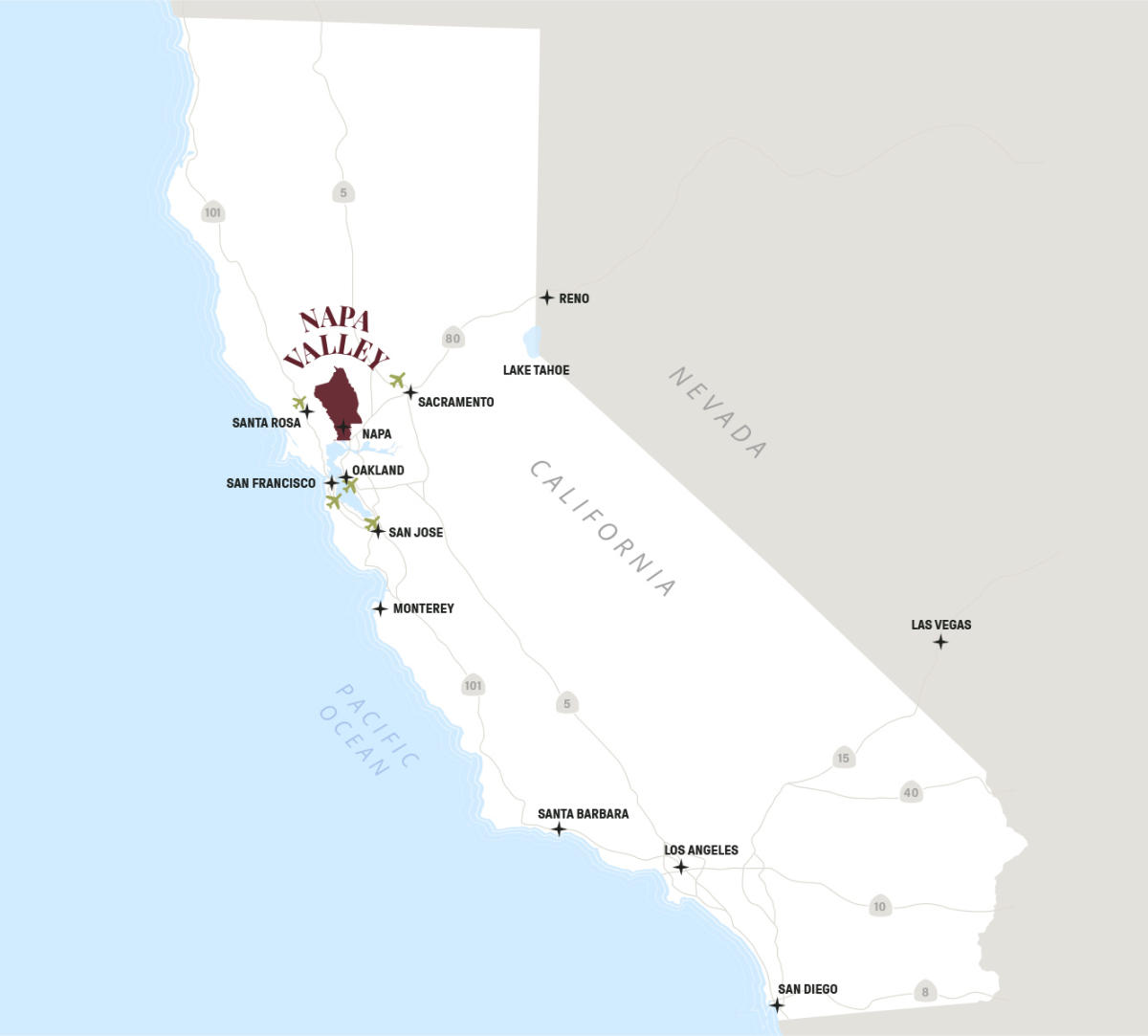
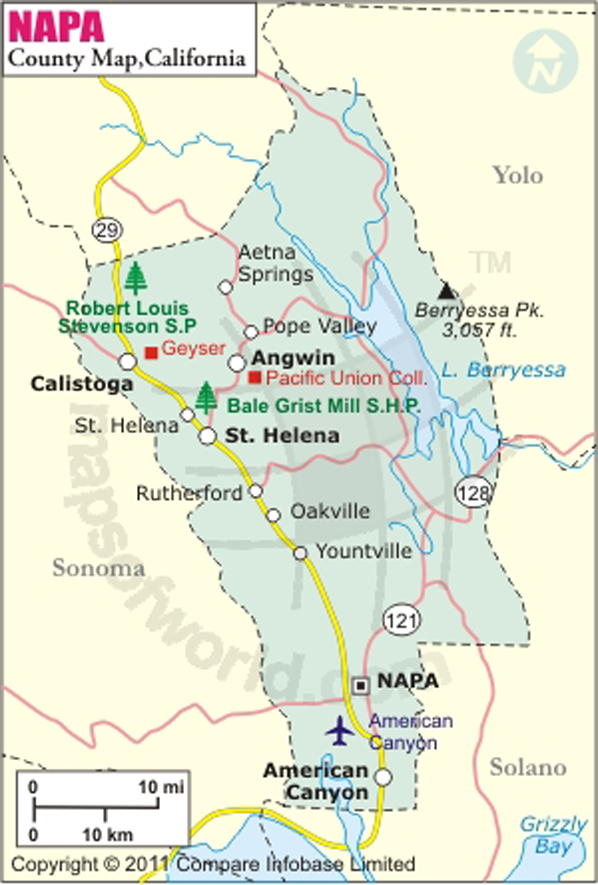
The county’s eastern border is defined by the scenic Vaca Mountains, separating it from Solano County, while the rugged Mayacamas Mountains form its western boundary, creating a natural divide with Sonoma County. To the north lies Lake County, and to the south, it opens towards San Pablo Bay, an arm of the larger San Francisco Bay system, ultimately connecting to the Pacific Ocean.
This specific geographical placement is not merely a detail on a map; it is foundational to Napa County’s identity as a travel destination. The proximity to major population centers like San Francisco and Sacramento makes it an easy weekend getaway or a convenient longer escape for millions. Yet, its mountainous borders and distinct valley topography lend it a sense of seclusion and natural beauty that feels worlds away from urban life, creating a perfect balance for travelers seeking both accessibility and an immersive experience.
Key Cities and Communities within Napa County
While the name “Napa Valley” is often used synonymously with the entire region, Napa County encompasses several distinct towns and communities, each with its unique character and appeal to travelers.
- Napa: The largest city and county seat, Napa city serves as the southern gateway to the Napa Valley. It boasts a revitalized downtown area along the Napa River, offering a blend of modern amenities, historic architecture, and an expanding array of tasting rooms and restaurants.
- Yountville: Often referred to as the “culinary capital” of the Napa Valley, Yountville is home to several Michelin-starred restaurants and boutique hotels. Its charming, walkable village atmosphere makes it a prime destination for food enthusiasts and those seeking a refined experience.
- St. Helena: Situated in the heart of the valley, St. Helena offers a picturesque main street lined with art galleries, upscale boutiques, and renowned wineries. It embodies the classic Napa Valley charm with a touch of elegance.
- Calistoga: At the northern end of the valley, Calistoga is famous for its natural hot springs, mud baths, and wellness resorts. It provides a more laid-back, rustic, and health-focused travel experience, distinct from the more formal ambiance of other towns.
- Other Noteworthy Areas: Smaller communities like Oakville, Rutherford, and American Canyon also contribute to the county’s diverse fabric. American Canyon, at the very southern tip, acts as another crucial entry point from the Bay Area, while Oakville and Rutherford are synonymous with some of the valley’s most prestigious vineyards and wineries. High in the Vaca Mountains, the small communities of Angwin and Deer Park offer a glimpse into a quieter, more elevated side of Napa County.
Geographical Tapestry: The Landscape Shaping Napa’s Travel Appeal
The topography of Napa County is a critical factor in its global recognition, particularly for agriculture and viticulture, which in turn defines its travel draw. The defining feature is, of course, the Napa Valley itself – a narrow, approximately 30-mile-long (48 kilometers) trough nestled between the Mayacamas and Vaca Mountain Ranges.
The Valley Floor and Surrounding Mountains
The valley floor, carved over millennia by the Napa River and its tributaries, provides fertile alluvial soils ideal for grape growing. This flat expanse is predominantly covered by meticulously maintained vineyards, punctuated by charming estates and tree-lined roads, creating the iconic scenic beauty that attracts millions of visitors annually. The relatively compact nature of the valley means that travelers can easily explore multiple towns and wineries within a single day, enhancing the overall travel experience.
Flanking the valley, the Mayacamas Mountains to the west and the Vaca Mountains to the east serve more than just geographical markers. They protect the valley from extreme weather, influencing the microclimates essential for viticulture. For travelers, these mountains offer stunning backdrops, opportunities for scenic drives, and provide a sense of natural enclosure, enhancing the feeling of a distinct, self-contained destination. Areas like the Carneros region, extending south towards San Pablo Bay, showcase a cooler, foggier climate influenced by the bay, demonstrating the nuanced geography within the county.
Climate: A Mediterranean Haven for Travelers
Napa County enjoys a Mediterranean climate, characterized by warm, dry summers and mild, wet winters. This climate is not only perfect for growing world-class grapes but also ideal for travel and outdoor activities for a significant portion of the year.
- Summers (June to September) are typically sunny and warm, with daytime temperatures often ranging from 80-95°F (27-35°C). Evenings bring a welcome cool-down, especially further north in the valley, creating comfortable conditions for dining outdoors or enjoying twilight strolls. This period is peak season for visitors, drawn by the vibrant vineyards and consistent good weather.
- Autumn (October to November) is arguably one of the most beautiful times to visit, with vibrant fall foliage transforming the vineyards into a tapestry of reds, oranges, and yellows. The weather remains pleasant, often a bit cooler than summer, and the excitement of the grape harvest adds a unique energy to the region.
- Spring (March to May) sees the valley burst into bloom, with mustard flowers carpeting the vineyard floors and new growth on the vines. Temperatures are mild and comfortable, making it an excellent time for those who prefer fewer crowds and a fresh, verdant landscape.
- Winters (December to February) are cooler and wetter, but typically mild. While some outdoor activities may be limited by rain, many indoor attractions, wineries, and restaurants remain open, offering a cozier, more intimate travel experience.
This generally favorable weather pattern throughout the year underscores Napa County’s status as a year-round travel destination, though peak seasons certainly have their distinct advantages.
Accessibility: Reaching the Heart of Wine Country
Understanding Napa County’s location also means grasping how easily it can be accessed by travelers from across the globe. Its position in the San Francisco Bay Area provides excellent connectivity via major airports and a well-developed road network.
Major Airports Serving Napa County
For international and domestic travelers, several major airports are within a reasonable driving distance of Napa County:
- San Francisco International Airport (SFO): Located approximately 60-70 miles (96-113 km) south-southwest, SFO is a major international hub, offering a vast array of flight options. The drive to Napa typically takes 1.5 to 2 hours, depending on traffic, often involving crossing the iconic Golden Gate Bridge or traversing the East Bay.
- Oakland International Airport (OAK): Situated about 50-60 miles (80-96 km) south, OAK is another convenient option, particularly for domestic flights. The drive from Oakland to Napa is generally 1 to 1.5 hours, bypassing much of the San Francisco traffic.
- Sacramento International Airport (SMF): For travelers arriving from the east or northern California, SMF is an excellent choice, located roughly 60 miles (96 km) northeast of Napa. The drive typically takes about 1 to 1.5 hours.
- Charles M. Schulz – Sonoma County Airport (STS): While smaller, STS offers direct flights from several major U.S. cities and is the closest airport to the northern Napa Valley, located about 30-45 minutes from Calistoga. This can be a very convenient option for those planning to focus their visit on the upper valley or combining their trip with Sonoma County.
Road Network and Transportation within the Region
Once on the ground, most travelers opt for rental cars to explore Napa County at their own pace. Major highways like CA-29 and Silverado Trail run longitudinally through the Napa Valley, connecting the various towns and wineries.
For those preferring not to drive, ride-sharing services, taxis, and dedicated wine tour companies are readily available. The Napa Valley Wine Train also offers a unique way to experience the valley’s scenery, providing a relaxed journey through the heart of the vineyards without the need for personal transport. Regular bus services connect Napa city with nearby towns like Vallejo and Santa Rosa, offering basic public transport options for local travel, although less geared towards typical tourist itineraries.
Beyond the Vineyards: Napa’s Broader Travel Allure
While wine is undoubtedly the primary magnet, Napa County’s precise location and geographical features contribute to a wider array of travel appeals, establishing it as a multifaceted destination. The region’s identity as a premier travel locale extends beyond just its produce.
Scenic Beauty and Outdoor Pursuits
The very landscape that nurtures its vineyards also offers breathtaking natural beauty. The rolling hills, the verdant valley floor, and the encompassing mountain ranges provide ample opportunities for outdoor activities and scenic enjoyment.
- Hot Air Ballooning: A popular and iconic way to experience the scale and beauty of Napa Valley is from above. Hot air balloon rides offer unparalleled panoramic views of the vineyards, mountains, and the occasional morning fog layer, creating an unforgettable travel memory.
- Hiking and Biking: Numerous trails crisscross the mountainsides and the valley floor. The Napa Valley Vine Trail, an ambitious project, offers paved pathways for cyclists and walkers, allowing intimate exploration of the landscape. Higher up, trails in areas like Skyline Wilderness Park or the parks within the Mayacamas and Vaca Mountains provide more challenging terrain and stunning vistas.
- Water Activities: To the east, Lake Berryessa, Napa County’s largest lake, offers opportunities for boating, fishing, and swimming, providing a refreshing contrast to the valley’s viticultural focus.

Charming Towns and Cultural Exploration
The towns within Napa County are destinations in themselves, each offering a distinct atmosphere and cultural touchpoints that go beyond wine tasting. Their compact and often walkable layouts encourage travelers to explore boutiques, art galleries, and local eateries, absorbing the unique character of each community. From the historical architecture of downtown Napa to the artistic flair of St. Helena and the spa culture of Calistoga, the region offers a rich tapestry of experiences that appeal to diverse travel interests. The strategic placement of these towns along the valley floor also allows for easy “town hopping,” making it simple for travelers to experience multiple facets of the region within a single trip.
In essence, “Where is Napa County California?” is a question whose answer unlocks a world of travel possibilities. It is a county precisely positioned to offer both the serenity of a rural escape and the convenience of proximity to major urban centers, all wrapped within a landscape blessed with ideal climates and undeniable beauty. Its location is not just a geographical fact; it’s a foundational element of its enduring appeal as a world-class travel destination.
LifeOutOfTheBox is a participant in the Amazon Services LLC Associates Program, an affiliate advertising program designed to provide a means for sites to earn advertising fees by advertising and linking to Amazon.com. Amazon, the Amazon logo, AmazonSupply, and the AmazonSupply logo are trademarks of Amazon.com, Inc. or its affiliates. As an Amazon Associate we earn affiliate commissions from qualifying purchases.