
Martha’s Vineyard, an idyllic island off the coast of Massachusetts, beckons travelers with its pristine beaches, charming towns, and vibrant cultural scene. For many, the journey to this captivating destination begins in Boston, a city rich in history and a major transportation hub. Navigating the logistics of getting from the bustling urban landscape of Boston to the serene shores of Martha’s Vineyard can seem daunting at first, but with a clear understanding of the available options, it transforms into an integral and enjoyable part of your island escape.
This comprehensive guide is designed to demystify the travel process, offering detailed insights into various modes of transport, key considerations, and practical tips to ensure a smooth and stress-free journey. Whether you prioritize speed, scenic routes, affordability, or the convenience of bringing your own vehicle, there’s a perfect travel solution for every preference. Embark with us as we explore the best ways to reach Martha’s Vineyard from Boston, transforming your travel plans into a seamless adventure.

Understanding Your Journey: Boston to Martha’s Vineyard
Before diving into the specifics of transportation, it’s essential to grasp the fundamental aspects of the journey. The route from Boston to Martha’s Vineyard involves a combination of land and sea travel for most options, with direct air travel being the notable exception. Understanding the distance, potential travel times, and crucial planning elements will significantly enhance your travel experience.
The Geographic Context
Martha’s Vineyard lies approximately 90 miles southeast of Boston. While this distance might seem modest, the fact that it’s an island necessitates a multi-modal approach for most travelers. The mainland ferry terminals, primarily located on Cape Cod, are the gateways to the island. Driving to these ports from Boston typically takes between 1.5 to 2.5 hours without heavy traffic, followed by a ferry ride ranging from 45 minutes to 2 hours, depending on the service and destination port on the island. This combination of transit times means that even the quickest ground-and-sea journey will likely consume a significant portion of your day if not planned meticulously.
Key Considerations Before You Go
Forethought is paramount when planning your trip to Martha’s Vineyard, especially during the peak summer season (June to September). Several factors should influence your choice of travel:
- Time of Year: Summer sees a massive surge in visitors, leading to increased traffic, fully booked ferries, and higher prices. Off-peak seasons offer a more relaxed experience with easier bookings and potentially lower costs.
- Bringing a Car: Deciding whether to bring your car to the island is perhaps the most significant decision. While having a car offers unparalleled freedom, the cost of ferry transportation for vehicles is substantial, and reservations with the Steamship Authority must be made months in advance, often selling out within minutes for prime summer dates. Many travelers opt to leave their cars on the mainland and rely on the island’s excellent public transportation, taxis, ride-shares, or bike rentals.
- Budget: Air travel is the fastest but generally the most expensive. Bus and ferry combinations offer the most budget-friendly options, particularly if you travel as a foot passenger.
- Travel Time Preferences: If speed is your priority, flying is the clear winner. If you prefer a scenic journey and don’t mind the extra time, the drive-and-ferry or bus-and-ferry options offer a charming prelude to your island visit.
Careful consideration of these points will guide you toward the most suitable and enjoyable travel plan for your Martha’s Vineyard adventure.
Direct Transportation Options: Flying to the Island
For those seeking the quickest and most direct route to Martha’s Vineyard, air travel presents a compelling solution. While it often comes with a higher price tag, the convenience and efficiency can be invaluable, especially for shorter stays or when time is of the essence.
Commercial Flights
The most common way to fly from Boston to Martha’s Vineyard is via a short commercial flight. These flights typically depart from Boston Logan International Airport (BOS) and land at Martha’s Vineyard Airport (MVY).
- Airlines: Cape Air is the primary carrier, operating small propeller planes that provide frequent, year-round service. During peak summer months, larger carriers like JetBlue may offer seasonal flights, often using regional jets.
- Flight Duration: The flight itself is remarkably brief, usually lasting only about 35-45 minutes. When factoring in airport security and check-in, the total travel time from downtown Boston to Martha’s Vineyard Airport can be around 2-3 hours, significantly less than ground and ferry options.
- Pros: Unquestionably the fastest way to reach the island. It bypasses all traffic congestion on Cape Cod and eliminates the need for ferry bookings. The aerial views of the coastline can also be a delightful bonus.
- Cons: Generally the most expensive option, especially during peak season. Luggage restrictions are often stricter on smaller planes, and flights can be more susceptible to weather delays or cancellations, particularly fog. Upon arrival at Martha’s Vineyard Airport, you’ll need to arrange ground transportation to your final destination, such as a taxi, ride-share, or public bus.
Private Charters
For the ultimate in flexibility and luxury, private air charters are an option. Several charter companies operate out of smaller airports around Boston or directly from Boston Logan International Airport, offering flights directly to Martha’s Vineyard Airport. This service allows for customized departure times, private terminals, and often includes door-to-door ground transportation arrangements. While this is by far the most expensive method, it provides unparalleled convenience and privacy, making it a viable choice for those with specific needs or a generous budget.
The Classic Route: Driving and Ferrying
For many, the quintessential journey to Martha’s Vineyard involves a scenic drive down Cape Cod, culminating in a refreshing ferry ride across Vineyard Sound. This method offers a blend of flexibility and traditional charm, allowing travelers to experience the beautiful coastal landscape before arriving at their island retreat.
Driving from Boston to Ferry Ports
The first leg of this journey involves driving from Boston to one of the mainland ferry terminals. The most popular and frequently used ports are located on Cape Cod:
- Woods Hole: This is the primary year-round gateway to Martha’s Vineyard for the Steamship Authority, especially for those bringing a vehicle. The drive from Boston typically takes 1.5 to 2 hours in ideal conditions, but summer traffic can easily double or triple this time. Plan accordingly, particularly on Fridays, Sundays, and holiday weekends.
- Falmouth: Home to the seasonal Island Queen Ferry, which is a passenger-only service. Falmouth is just a short drive past Woods Hole and offers a convenient alternative for foot passengers.
- Hyannis: Further down Cape Cod, Hyannis is the departure point for Hy-Line Cruises’ seasonal high-speed passenger ferries to Martha’s Vineyard. The drive to Hyannis is slightly longer, usually 2 to 2.5 hours from Boston without traffic.
All ferry terminals have parking lots available, but these often fill up quickly during peak season. It is advisable to book parking in advance where possible or arrive early. Some private parking lots in the vicinity also offer shuttle services to the terminals.
Choosing Your Ferry Service
Once you’ve reached the mainland, selecting the right ferry service is crucial. Each operator offers distinct advantages:
- Steamship Authority: Operating from Woods Hole, this is the only ferry service that transports vehicles to Martha’s Vineyard year-round. Car reservations are absolutely essential and must be made several months in advance for summer travel, often selling out on release day. Passenger tickets can usually be purchased closer to the travel date or even on the day of departure, though advance booking is recommended for popular times. The ferry crosses to either Vineyard Haven (year-round) or Oak Bluffs (seasonal).
- Island Queen Ferry: Departing from Falmouth, the Island Queen is a passenger-only, seasonal service that offers a charming and relatively quick (35-minute) ride to Oak Bluffs. Reservations are recommended, especially for weekends, but often not as critical as for the Steamship Authority vehicle spots.
- Hy-Line Cruises: With departures from Hyannis, Hy-Line Cruises provides high-speed passenger-only ferry service to Oak Bluffs seasonally. The journey takes approximately one hour. They also offer a unique seasonal “direct” service from Boston’s South Station combining a bus ride to Hyannis with a ferry connection. This integrated ticket can be a very convenient option for those without a car in Boston.
- Other Seasonal Ferries: While less common for direct Boston travel, the Seastreak Ferry offers seasonal service from New Bedford to Martha’s Vineyard. This might be an option for those looking for an alternative route or combining their trip with other Massachusetts coastal towns.
Bringing Your Car vs. Leaving it Behind
This is a pivotal decision for many travelers.
- Pros of bringing a car: Unmatched flexibility for exploring the island’s many towns and secluded beaches, especially if you plan an extended stay or have specific needs. It’s ideal for carrying beach gear, groceries, or luggage without hassle.
- Cons: The significant cost of the vehicle ferry ticket, the extremely challenging process of securing a reservation during peak season, potential traffic on the island, and the added stress of finding parking in busy areas like Oak Bluffs or Edgartown.
Many seasoned visitors advocate for leaving the car on the mainland. Martha’s Vineyard boasts an excellent public transportation system, the Vineyard Transit Authority (VTA) buses, which cover all major towns and attractions. Taxis, ride-shares, and an abundance of bike and moped rental shops provide alternative modes of transport, offering a more eco-friendly and often more enjoyable way to experience the island.
Public Transportation & Hybrid Approaches
For travelers who prefer not to drive or simply wish to minimize their environmental footprint, a variety of public transportation and hybrid options offer convenient and cost-effective ways to reach Martha’s Vineyard from Boston. These methods often provide a seamless connection between city and island, removing much of the logistical complexity.
Bus from Boston to Ferry Ports
Several reputable bus companies provide direct service from Boston to the ferry terminals on Cape Cod. This is an excellent choice for foot passengers, especially during the summer when driving can be arduous.
- Peter Pan Bus: Offers regular service from Boston’s South Station to Woods Hole and Hyannis. The journey takes approximately 2-3 hours, depending on traffic and the destination.
- Plymouth & Brockton Street Railway Company (P&B): Another reliable option, P&B also operates routes from Boston to various points on Cape Cod, including Woods Hole and Hyannis.
Both services are comfortable and provide a stress-free way to reach the ferry, eliminating the need to worry about driving, traffic, or parking on the mainland. It’s advisable to book bus tickets in advance, especially during peak travel times.
Direct Boston to Martha’s Vineyard Bus & Ferry Service
For the ultimate in convenience, some operators offer integrated bus and ferry tickets, providing a single booking for your entire journey.
- Hy-Line Cruises: During the peak summer season, Hy-Line Cruises offers a direct service that includes bus transportation from Boston’s South Station to their ferry terminal in Hyannis, followed by a high-speed ferry ride to Oak Bluffs on Martha’s Vineyard. This “bus-to-boat” option is incredibly popular as it streamlines the entire process, requiring minimal transfers.
- Peter Pan Bus and Steamship Authority Partnerships: While not always a single ticket, Peter Pan Bus schedules are often coordinated with Steamship Authority ferry times, allowing travelers to easily connect their bus journey from Boston with a ferry departure from Woods Hole.
These integrated services are a fantastic solution for those without a car, simplifying bookings and transfers.
Commuter Rail to Ferry Ports (Less Common)
While technically possible, using the MBTA Commuter Rail to reach ferry ports is generally less direct and less efficient than taking a bus. You could take the Kingston/Plymouth line to stations like Kingston or Middleborough/Lakeville, and then rely on a taxi or ride-share service to complete the journey to the ferry terminal. However, the connections are not as smooth, and the overall travel time tends to be longer. For most travelers, the direct bus services or integrated bus-ferry options offer a more convenient and streamlined experience.
Arrival on Martha’s Vineyard and Getting Around
Your journey doesn’t end when you step off the plane or ferry; understanding how to navigate Martha’s Vineyard upon arrival is key to a seamless vacation. The island offers several convenient options for getting to your accommodation and exploring its diverse towns and landscapes.
Ferry Ports on the Island
Depending on your chosen ferry service and departure point, you’ll arrive at one of two main ports on Martha’s Vineyard:
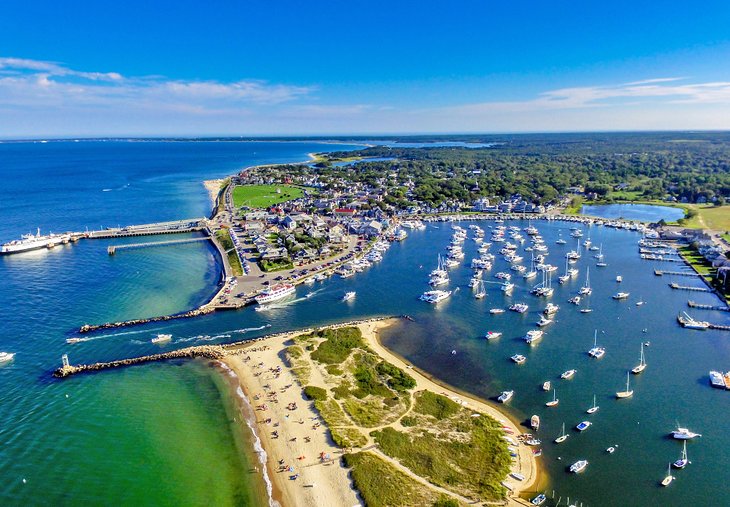
- Vineyard Haven: This is the main year-round port for the Steamship Authority. Vineyard Haven is a dry town (no alcohol sales), known for its charming Main Street, literary connections, and a more subdued atmosphere compared to Oak Bluffs.
- Oak Bluffs: Serving as the seasonal port for the Steamship Authority, Hy-Line Cruises, and the Island Queen Ferry. Oak Bluffs is a vibrant town famous for its Gingerbread Cottages, Flying Horses Carousel, and lively harborfront.
Both ports are well-equipped with services upon arrival, including taxi stands, bus stops, and rental shops within walking distance.

Transportation on the Island
Once on Martha’s Vineyard, you’ll find a range of transportation options to suit your needs, making it entirely feasible to enjoy the island without a personal car.
- Vineyard Transit Authority (VTA) Buses: The VTA operates an extensive and reliable bus network that connects all the island’s major towns, beaches, and attractions. Buses run frequently, especially during the summer, and offer an affordable way to explore. Day passes or multi-day passes are available and provide excellent value. This is often the preferred method for foot passengers.
- Taxis and Ride-Shares: Taxis are readily available at both ferry ports and the airport. Ride-share services like Uber and Lyft also operate on the island, though availability and pricing can fluctuate, especially in the off-season or late at night. It’s advisable to book taxis in advance for early morning or late-night travel.
- Bike and Moped Rentals: For active travelers, renting a bicycle or moped is an incredibly popular and enjoyable way to see Martha’s Vineyard. The island offers numerous scenic bike paths and a relatively flat terrain in many areas. Rental shops are abundant in Vineyard Haven, Oak Bluffs, and Edgartown.
- Car Rentals: If you decided against bringing your own car but still desire the flexibility of having one, car rental agencies are available on the island, primarily at Martha’s Vineyard Airport and near the ferry terminals. However, rental cars can be expensive and availability is limited, especially during peak season, so advance reservations are crucial.
In conclusion, getting to Martha’s Vineyard from Boston offers a spectrum of choices, each with its unique blend of convenience, cost, and experience. Whether you opt for the swiftness of air travel, the traditional charm of a drive and ferry, or the integrated efficiency of public transport, careful planning is the ultimate key to unlocking a smooth and enjoyable journey. Remember to book well in advance, especially for summer travel, and embrace the adventure as you make your way to this magnificent island retreat. Your Martha’s Vineyard experience truly begins the moment you embark on your chosen path from Boston.
LifeOutOfTheBox is a participant in the Amazon Services LLC Associates Program, an affiliate advertising program designed to provide a means for sites to earn advertising fees by advertising and linking to Amazon.com. Amazon, the Amazon logo, AmazonSupply, and the AmazonSupply logo are trademarks of Amazon.com, Inc. or its affiliates. As an Amazon Associate we earn affiliate commissions from qualifying purchases.