
California, a land of unparalleled natural beauty, vibrant cities, and diverse cultural experiences, is also famously situated on the active Pacific Rim of fire. While seismic activity is an inherent characteristic of the state’s geology, a 6.0 magnitude earthquake is always a notable event, warranting attention from residents and prospective visitors alike. Today, a 6.0 magnitude earthquake was reported in a remote but picturesque part of the state, sending ripples through the news cycle and prompting questions about its exact location, impact, and implications for tourism. For those planning a trip or currently exploring the Golden State, understanding such events is crucial for ensuring a safe and enjoyable experience.
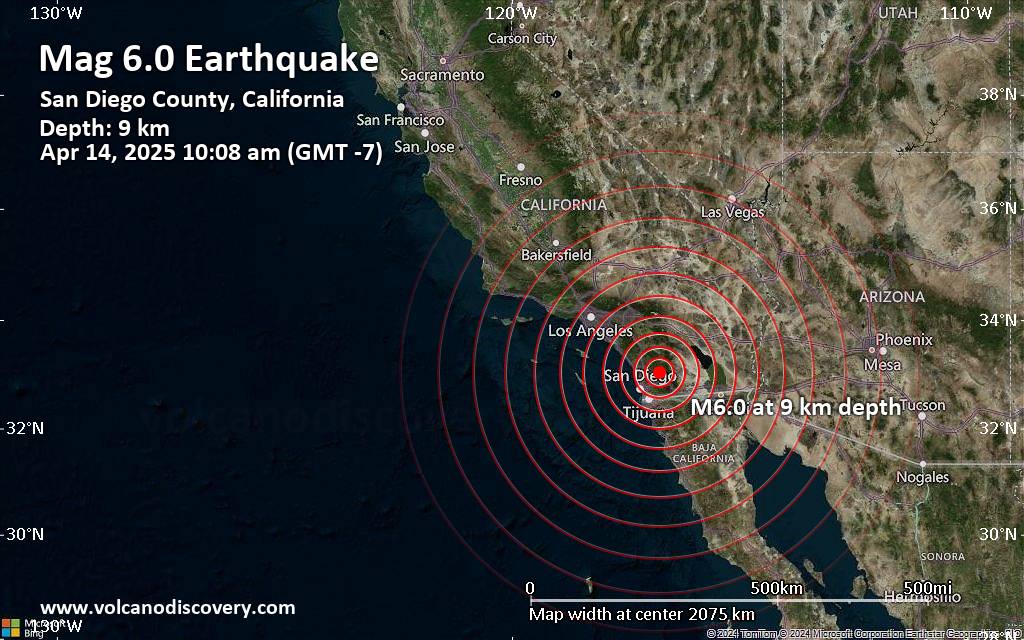
Pinpointing the Epicenter: Understanding California’s Seismic Activity
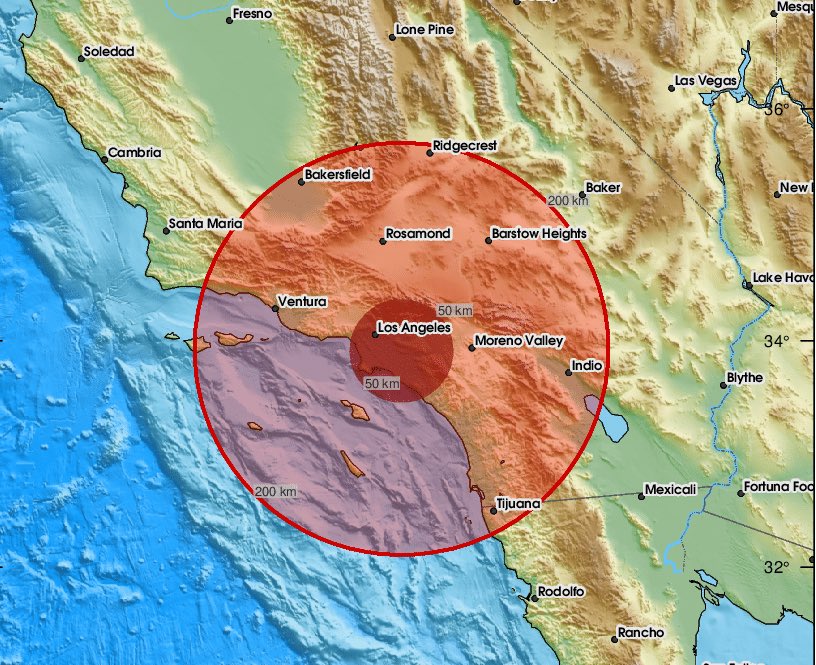
The earth’s crust is a dynamic canvas, particularly along the western edge of North America. When a 6.0 magnitude earthquake strikes, its location immediately becomes the focal point of discussion. Today’s significant seismic event was centered in the Eastern Sierra region of California, specifically near the town of Mammoth Lakes. This area, renowned for its stunning mountain vistas, world-class skiing, and pristine alpine lakes, sits amidst a complex network of fault lines.
Initial Reports and Geographic Location
According to preliminary reports from the U.S. Geological Survey (USGS), the earthquake occurred approximately 20 miles southeast of Mammoth Lakes, at a relatively shallow depth. The tremor was widely felt across the Eastern Sierra and even reported by residents in distant urban centers like Sacramento and parts of Nevada. The immediate vicinity of the epicenter is characterized by dramatic volcanic landscapes and the eastern flanks of the majestic Sierra Nevada mountain range, making it a popular destination for outdoor enthusiasts seeking adventure in wilderness areas, including Yosemite National Park’s eastern access points. Towns such as Lone Pine and Bishop also felt the quake intensely, given their proximity.
California’s Tectonic Landscape: A Tourist’s Perspective
California is a land of extremes and natural wonders, largely due to its geological position. The state is bisected by the notorious San Andreas Fault, a major right-lateral strike-slip fault that forms the tectonic boundary between the Pacific Plate and the North American Plate. While today’s earthquake was not directly on the San Andreas, the Eastern Sierra region is highly active, influenced by the complex tectonics associated with the ongoing stretching and extension of the Great Basin and the convergence with the Sierra Nevada block. For tourists, understanding this geological backdrop isn’t about fear, but about appreciation for the powerful forces that shape the landscapes they come to admire, from the soaring peaks of Mount Whitney to the deep valleys of Death Valley National Park. These geological processes are what create the very scenery that draws millions of visitors annually.
Historical Context of Earthquakes in the Region
The Eastern Sierra has a rich history of seismic activity, with numerous moderate to strong earthquakes recorded over the decades. This region is no stranger to tremors, which have shaped its unique geomorphology. While a 6.0 magnitude event is significant, the infrastructure in this part of California is generally built to withstand such forces, designed with seismic resilience in mind. This historical context provides an important perspective: California’s building codes and emergency response systems are among the most robust in the world, a testament to the state’s proactive approach to living with seismic activity.
Immediate Impact on Tourism and Local Life
An earthquake of 6.0 magnitude naturally raises concerns regarding safety and potential disruptions, especially for the tourism sector. The immediate aftermath involves assessing damage, ensuring public safety, and managing potential logistical challenges.
Assessing Infrastructure and Attractions
Initial reports from the Eastern Sierra indicate relatively minor damage given the quake’s magnitude and the region’s sparse population density. Reports from Mammoth Lakes, Bishop, and Lone Pine have largely pointed to items falling off shelves, some power outages, and minor structural issues in older buildings, rather than widespread destruction. Key tourist attractions, including ski resorts, hiking trails, and Lake Tahoe to the north, are undergoing thorough inspections. Roads, bridges, and utilities are being checked by authorities to ensure they are safe for travel and public use. While some minor closures for assessment might occur, the overall resilience of modern infrastructure in California is designed precisely for such events. For example, popular sites like the Manzanar National Historic Site are expected to resume normal operations quickly after safety checks.
Disruptions to Travel and Transportation
The primary impact on tourism typically manifests as temporary disruptions to travel. Following the 6.0 magnitude earthquake, there were initial reports of temporary road closures, particularly on smaller, unpaved roads and mountain passes, for safety assessments. Major arteries like US Route 395, which serves as the lifeblood of the Eastern Sierra, were quickly inspected and largely remained open or reopened swiftly. Public transportation, where available, might experience slight delays as systems are checked. Airports in major hubs like Los Angeles and San Francisco were unaffected, as they are a significant distance from the epicenter. Travelers with immediate plans to visit the Eastern Sierra should check local news and official transportation advisories before departing.
Local Community Response and Resilience
The communities in the Eastern Sierra are accustomed to seismic activity and have well-established emergency protocols. Local residents, businesses, and emergency services responded swiftly and effectively. This resilience is a key aspect of life in California and ensures that tourists are in a prepared environment. The spirit of community support and preparedness helps mitigate the anxieties that might arise from such natural events, allowing for a quicker return to normalcy and a continued welcoming atmosphere for visitors.
Safety First: Essential Tips for Tourists in California
While earthquakes can be unsettling, preparedness and knowledge are powerful tools. For tourists exploring California, understanding basic earthquake safety significantly enhances peace of mind and personal security.
Before You Travel: Preparedness and Awareness
If you’re planning a trip to California, particularly to seismically active regions like the Eastern Sierra, a few preparatory steps are advisable. Familiarize yourself with emergency procedures that might be posted in your accommodation. Know where emergency exits are and identify safe spots within your room, such as under a sturdy desk or table. Download local emergency alert apps, if available, or ensure your phone is set to receive government alerts. Having a small emergency kit with water, a flashlight, and a first-aid kit, especially for backcountry excursions, is always a good practice, earthquake or not.
During an Earthquake: Drop, Cover, and Hold On
The most critical safety advice during an earthquake is “Drop, Cover, and Hold On.”
- Drop: Get down on your hands and knees. This position protects you from being thrown to the ground and allows you to crawl to cover.
- Cover: Take cover under a sturdy desk or table. If no shelter is nearby, cover your head and neck with your arms and crouch in an inside corner of the building.
- Hold On: Stay put until the shaking stops. Be prepared to move with your shelter if it shifts.
If you are outdoors, move to a clear area away from buildings, power lines, and trees. If driving, pull over to a safe location and stay in your car with your seatbelt fastened until the shaking stops. Avoid bridges and overpasses.
After an Earthquake: Staying Informed and Safe
Once the shaking subsides, remain calm and assess your surroundings. Check yourself and others for injuries. If you are in a building, be aware of potential aftershocks, which can occur minutes, hours, or even days later. Evacuate if there is significant damage or if instructed by emergency personnel. Listen to local news, radio, or official social media channels for updates and instructions. Do not enter damaged buildings. If you are exploring natural areas, be mindful of potential rockfalls or landslides, especially in mountainous regions like the Sierra Nevada or coastal areas like Big Sur.
Navigating Your California Experience Post-Quake
Following an earthquake, while the immediate danger passes, there may be lingering effects on local operations and attractions. Tourists can play a positive role in the recovery process.
Checking for Openings and Rescheduled Events
Before heading to a specific attraction or attending a scheduled event in the affected area, it’s prudent to confirm its operational status. Check official websites, social media accounts, or call ahead. Many businesses and parks, including those within Yosemite National Park’s gateway communities or around Lake Tahoe, might close temporarily for safety inspections or clean-up. Flexibility in your itinerary is a valuable asset, allowing you to adapt to any unforeseen changes. Tourism boards for regions like Napa Valley or Santa Barbara, even if unaffected, are also great resources for general state-wide travel information.
Supporting Local Businesses and Recovery Efforts
One of the most impactful ways tourists can contribute after a natural event is by continuing to support local businesses. By dining at local restaurants, staying at local accommodations, and purchasing from shops, you help stimulate the economy and aid in the recovery of the affected community. Many areas in California thrive on tourism, and your continued patronage, provided it’s safe to visit, sends a powerful message of solidarity and helps residents rebuild their lives and livelihoods. Places like Mammoth Lakes, which is heavily dependent on winter and summer tourism, will particularly appreciate this support.
Exploring Alternative Attractions and Regions
If your planned destination is significantly impacted or if you prefer to give the immediate affected area space to recover, California offers an incredible array of alternative experiences. From the bustling cultural hubs of Los Angeles and San Francisco with their iconic landmarks like the Golden Gate Bridge and the excitement of Hollywood and Disneyland, to the serene beauty of coastal towns or the unique landscapes of Joshua Tree National Park and San Diego, there are countless other adventures awaiting. The vastness and diversity of the state mean that while one region might experience a temporary setback, numerous others remain vibrant and ready to welcome visitors.
California’s Enduring Allure: A Resilient Tourist Destination
While a 6.0 earthquake is a significant event, it’s important to remember that California is a state built on resilience and preparedness. Its natural beauty and diverse attractions continue to draw millions, and its infrastructure and emergency services are designed to manage such events effectively.
The Spirit of California Tourism
The spirit of California tourism is one of adventure, innovation, and boundless possibility. Earthquakes are a part of the natural rhythm of this geologically active state, and residents and officials have learned to live with and mitigate their risks. The focus quickly shifts from the event itself to recovery, rebuilding, and ensuring that the state remains a premier destination for travelers worldwide. The welcoming nature of communities, combined with swift recovery efforts, ensures that the overall tourist experience is minimally impacted in the long run.

Planning Your Future Visit with Confidence
For those considering a future trip to California, today’s earthquake should not deter your plans. Instead, it should reinforce the importance of being informed and prepared, qualities that enhance any travel experience. The state’s commitment to safety, combined with its unparalleled offerings—from the wineries of Napa Valley to the beaches of San Diego and the wilderness of the Sierra Nevada—ensure that California will continue to captivate and inspire travelers for generations to come. By staying updated with local advisories and understanding basic safety protocols, you can confidently explore all that this magnificent state has to offer.
LifeOutOfTheBox is a participant in the Amazon Services LLC Associates Program, an affiliate advertising program designed to provide a means for sites to earn advertising fees by advertising and linking to Amazon.com. Amazon, the Amazon logo, AmazonSupply, and the AmazonSupply logo are trademarks of Amazon.com, Inc. or its affiliates. As an Amazon Associate we earn affiliate commissions from qualifying purchases.