
Navigating health insurance can often feel as complex as planning an international itinerary across multiple time zones. Just as you meticulously plan your travel logistics – from booking accommodations to mapping out local attractions – understanding the intricacies of your health coverage, especially when circumstances change, is paramount. For residents of California, Covered California provides a vital pathway to health insurance. However, life is a journey, and sometimes those journeys necessitate a change in your health plan, whether you’re relocating to a new city, embarking on an extended travel adventure, or experiencing shifts in your lifestyle and employment.
This comprehensive guide will walk you through the process of canceling your Covered California plan, detailing the necessary steps, important considerations, and how these decisions intertwine with your broader travel and lifestyle aspirations.
Understanding When and Why to Cancel Your Covered California Plan
Before delving into the “how-to,” it’s crucial to understand the circumstances that might prompt you to cancel your Covered California plan. These reasons often align with significant life events that impact your residency, employment, or long-term travel plans, directly influencing your accommodation needs, travel destinations, and overall lifestyle choices.
Key Reasons for Cancellation Tied to Travel & Lifestyle:
- Relocation to a New Destination: One of the most common reasons for canceling state-specific health insurance like Covered California is moving out of California. Whether you’re moving to a bustling metropolis like New York City, a serene coastal town in Florida for retirement, or even an entirely different country, your Covered California plan will no longer be applicable. This shift in destination necessitates finding new local coverage, akin to adapting your travel plans to a new country’s customs and regulations.
- New Employer-Sponsored Coverage: A change in employment, particularly if you secure a new position that offers comprehensive health benefits, is another frequent reason. This often accompanies career advancements or geographical moves, potentially opening up new lifestyle opportunities, from luxury travel experiences to more frequent business stays. If your new employer provides a robust health plan, continuing with Covered California may lead to duplicate coverage or be financially redundant.
- Enrollment in Other Qualifying Health Coverage: This could include Medicare, Medicaid (Medi-Cal in California), or even private plans outside of the marketplace. This change often reflects evolving life stages, such as turning 65 and becoming eligible for Medicare, or a shift in financial circumstances that qualifies you for government assistance, potentially freeing up resources for more travel or different accommodation choices.
- Embarking on Extended Travel or Expatriate Life: For the intrepid traveler planning a long-term world tour or relocating to a foreign country for an extended period, maintaining a California health plan usually doesn’t make sense. In such cases, specialized travel insurance or international expatriate health insurance becomes essential. This ties directly into lifestyle choices, from budget travel to immersive cultural experiences, where local health considerations are paramount.
- Financial Changes and Lifestyle Adjustments: While less direct, significant changes in income can impact your eligibility for subsidies or your ability to afford your current plan. This might lead you to seek more affordable options or, conversely, upgrade to a plan that better suits an improved financial situation, perhaps aligning with a desire for more luxurious travel or premium accommodation.
Understanding these triggers helps you prepare for the cancellation process, ensuring a smooth transition as your life journey unfolds.
Step-by-Step Guide to Canceling Your Covered California Plan
Canceling your Covered California plan is a straightforward process, designed to accommodate the dynamic nature of life. Whether you prefer the convenience of online management, the personal touch of a phone call, or the formality of mail, Covered California offers multiple avenues to ensure your cancellation is processed efficiently.
Method 1: Canceling Online Through Your Covered California Account
This is often the most expedient method, offering immediate confirmation and control over your policy. It’s akin to managing your hotel bookings or flight reservations through an online portal – efficient and accessible.
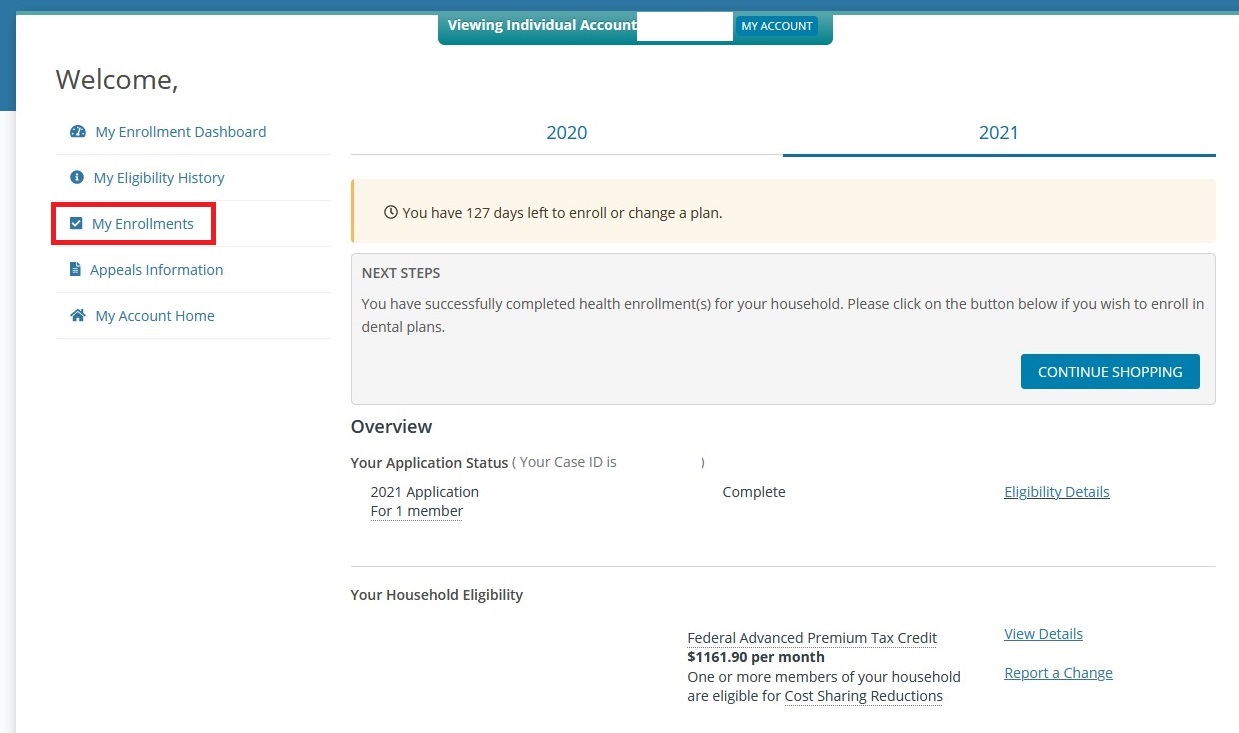
- Log In to Your Account: Visit the official Covered California website and log in using your username and password. If you’ve forgotten your credentials, follow the “Forgot Username” or “Forgot Password” prompts.
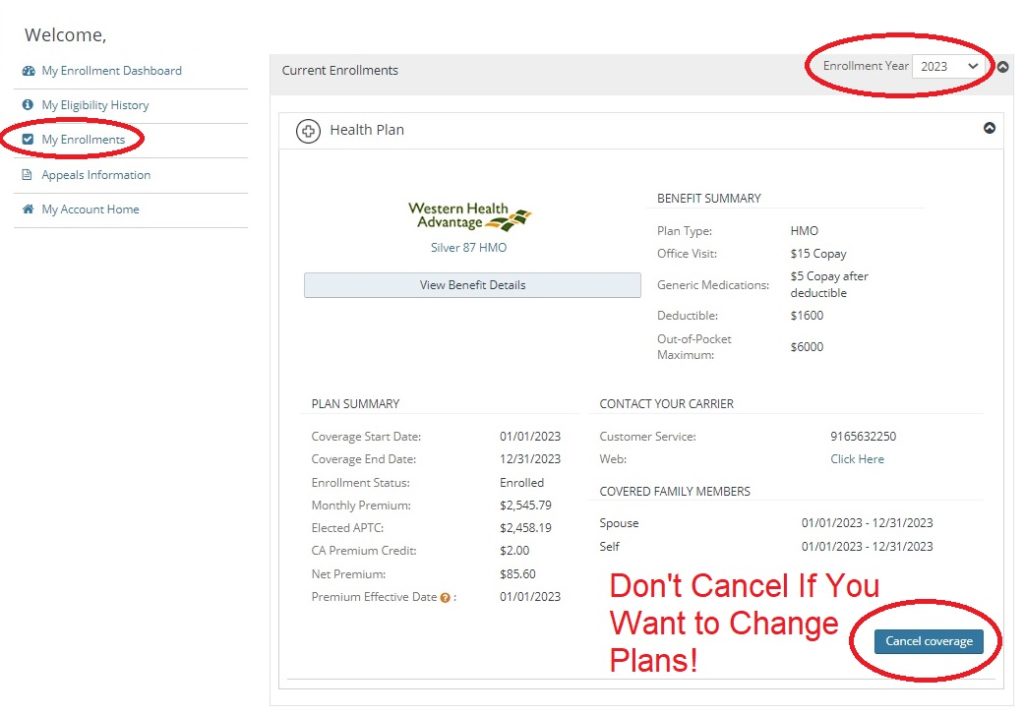
- Navigate to Your Health Plans Section: Once logged in, look for a section labeled “My Health Plans,” “Your Coverage,” or similar. This is where all your active health insurance policies are listed.
- Select the Plan to Terminate: If you have multiple plans or family members on different policies, ensure you select the correct plan for termination.
- Initiate Termination: Look for an option such as “Terminate Coverage,” “End Coverage,” or “Cancel Plan.” Click on this link to begin the cancellation process.
- Provide a Reason for Cancellation: Covered California will typically ask for a reason for your cancellation. This is where you can specify if you’re moving out of state, have new employer coverage, or have enrolled in another plan. Be prepared to provide the effective date of your new coverage if applicable. This information helps Covered California track eligibility and minimize gaps in coverage.
- Specify the Effective Date of Cancellation: You will need to choose the date you want your coverage to end. This is a critical step. Ensure this date aligns with the start date of your new coverage to prevent any lapse. Generally, coverage will end on the last day of the month you specify, provided you cancel by a certain date (usually the 15th of the month). If you miss this deadline, your coverage might extend to the end of the following month. For instance, if you’re moving to Mexico on June 10th and your new international travel insurance starts June 1st, you’d want your Covered California plan to end on May 31st.
- Review and Confirm: Before finalizing, carefully review all the details of your cancellation. Once you confirm, you should receive a confirmation message or email. Keep this for your records, much like you’d retain a boarding pass or hotel confirmation.
Method 2: Canceling by Phone
For those who prefer direct communication or have complex questions, calling Covered California directly is an excellent option. This is similar to calling a hotel concierge for personalized assistance or a travel agent for expert advice.
- Gather Necessary Information: Before you call, have your Covered California account number, policy details, and the desired effective date of cancellation readily available. If you’re moving, having your new address or the details of your new insurance plan can be helpful.
- Call Customer Service: Dial the Covered California customer service number. You can find this number on their official website or on your plan documents. Be prepared for potential wait times, especially during peak enrollment periods.
- Speak with a Representative: Explain clearly that you wish to terminate your health coverage. The representative will guide you through the process, asking for verification details and the reason for cancellation. They can also help clarify any questions about your eligibility or timing.
- Confirm Details and Request Confirmation: Double-check the effective date of cancellation with the representative. Ask for a confirmation number or request that a written confirmation be mailed or emailed to you. This written proof is vital for your records.
Method 3: Canceling by Mail
While less common in the digital age, canceling by mail remains an option, especially if you prefer a paper trail or have specific documentation requirements. This method offers a formal record, much like sending a certified letter to confirm a long-term accommodation lease termination.
- Write a Formal Letter: Clearly state your intention to cancel your Covered California plan. Include your full name, Covered California account number, policy number, and the precise effective date you wish for your coverage to end. Also, provide a brief reason for cancellation (e.g., “relocating to Canada,” “new employer coverage”).
- Include Contact Information: Provide your current mailing address, phone number, and email address so Covered California can contact you if necessary.
- Mail the Letter: Send the letter to the official Covered California mailing address for member services. It is highly recommended to send it via certified mail with a return receipt requested. This provides proof that your letter was sent and received, offering peace of mind.
- Allow Processing Time: Be aware that cancellation by mail can take longer to process compared to online or phone methods. Plan accordingly, especially if you have a tight deadline for your new coverage to begin.
Essential Considerations for a Smooth Transition
Canceling your health insurance is a significant life administrative task, much like orchestrating a complex trip. Proper planning and attention to detail ensure you don’t encounter unexpected bumps in the road, such as gaps in coverage or unforeseen expenses.
Timing Your Cancellation
The timing of your cancellation is crucial. Ideally, you should aim to have your Covered California plan end on the last day of the month, right before your new coverage begins on the first day of the subsequent month. This seamless transition prevents gaps in coverage, which can be financially risky.
- Effective Date: Remember that Covered California generally requires you to cancel by the 15th of the month for coverage to end on the last day of that same month. If you cancel after the 15th, your coverage will likely extend to the end of the next month. Plan your cancellation around this deadline, especially if you’re coordinating with a move to a new state or country where immediate health coverage is vital, such as exploring the iconic Eiffel Tower in Paris or the bustling markets of Kyoto.
- Qualifying Life Events (QLEs): Many of the reasons for cancellation (moving, new job, marriage, birth of a child) are considered Qualifying Life Events. While QLEs primarily trigger special enrollment periods to gain new coverage, they also inform the timing and reason for ending existing coverage.
Ensuring Continuous Coverage
A lapse in health insurance can be costly and stressful, particularly if an unexpected medical emergency arises during a period without coverage. This is a crucial aspect of responsible travel and lifestyle planning – always having a safety net.
- Coordinate with New Coverage: If you are moving to another state, immediately research and apply for health insurance through that state’s marketplace or directly from insurers. If your new job offers benefits, ensure you understand the enrollment timeline.
- Travel Insurance for International Trips: For extended international travel or living abroad, a robust travel insurance policy that includes medical evacuation and emergency care is indispensable. Standard health insurance, even employer-sponsored plans, often provides limited or no coverage outside the United States. Consider a specialized policy from providers like World Nomads Travel Insurance if your travels take you to diverse locales or remote areas.
- Short-Term Plans: In some cases, if there’s a small gap between coverages, a short-term health plan might be an option, though these often offer less comprehensive benefits. Always weigh the pros and cons carefully.
Financial Implications
Canceling your plan can have financial implications beyond simply stopping premium payments.
- Premium Payments: Ensure you understand your final premium obligation. If you cancel mid-month, you might still be responsible for the full month’s premium, depending on the plan’s terms and the effective cancellation date.
- Tax Credits/Subsidies: If you were receiving Advanced Premium Tax Credits (APTCs) through Covered California, changes in your income or household composition (the very reasons often prompting cancellation) could impact the amount of tax credit you were eligible for. It’s wise to reconcile these during tax season to avoid unexpected liabilities.
- Medical Expenses: Be mindful of any outstanding medical bills or ongoing treatments. Ensure your current plan covers these up to the effective cancellation date.
Beyond Cancellation: Embracing New Lifestyle and Travel Opportunities
The decision to cancel your Covered California plan often marks a new chapter in your life journey. This could involve settling into a dream retirement spot, embarking on a digital nomad adventure, or simply starting a new career path that comes with new benefits and possibilities.
Relocation and Accommodation: A Fresh Start
Moving to a new state or country often brings with it the excitement of exploring new destinations, discovering local culture, and finding the perfect accommodation.
- Domestic Relocation: If your move keeps you within the United States, you might explore cities known for their unique landmarks, vibrant tourism scenes, and diverse lifestyles. For instance, moving from California to Seattle might introduce you to a new coffee culture and proximity to stunning natural parks, while a move to Austin offers a different music and food scene. Researching your new home’s local tourism and accommodation options, from boutique hotels to long-term apartment rentals, becomes part of the adventure.
- International Expatriation: Moving abroad opens up a world of possibilities for immersive experiences, from learning new languages in Rome to mastering culinary arts in Bangkok. Your accommodation could range from a charming Airbnb in Florence to a long-term villa rental on the Amalfi Coast. Understanding the healthcare system in your new country is just as important as knowing where to find the best local food.
Extended Travel: The Ultimate Lifestyle Shift
For many, canceling state-specific health insurance is a precursor to an extended travel experience, a deliberate choice to prioritize experiences over fixed residency. This lifestyle often blends budget travel with occasional luxury stays, depending on the destination and duration.
- Choosing Your Destinations: Whether you dream of backpacking through Southeast Asia, exploring the ancient wonders of Egypt, or taking a road trip across Australia, your health and safety are paramount. Your travel insurance will be your primary medical safety net.
- Accommodation Strategy: Long-term travelers often embrace a variety of accommodation types, from budget hostels and guesthouses in developing countries to mid-range hotels like a Hyatt Place or even splurging on a stay at a luxurious Grand Hyatt Hotel in a major city. Researching reviews and comparing options becomes a constant part of life on the road.
- Embracing New Cultures: Extended travel offers unparalleled opportunities for cultural immersion, from participating in local festivals to sampling authentic cuisine. Each experience enriches your understanding of the world and yourself, aligning with the “tourism” aspect of a travel lifestyle.
Conclusion: A Seamless Transition for Your Next Adventure
Canceling your Covered California plan is more than just an administrative task; it’s often a signal of a new chapter unfolding in your life’s grand journey. Whether you’re moving to a new city to explore different landmarks, taking a new job that offers a different lifestyle, or setting off on an extended travel adventure to experience diverse cultures and accommodations, managing your health insurance effectively is a foundational step.
By understanding the “why” and meticulously following the “how-to” outlined above, you can ensure a smooth transition, avoiding any gaps in coverage and setting yourself up for success in your next endeavor. Just as you would thoroughly plan every aspect of a memorable trip, approach your health insurance changes with the same diligence and foresight. This preparation allows you to focus on the excitement of your new destination, lifestyle, or travel experiences, knowing your health and well-being are securely managed.
LifeOutOfTheBox is a participant in the Amazon Services LLC Associates Program, an affiliate advertising program designed to provide a means for sites to earn advertising fees by advertising and linking to Amazon.com. Amazon, the Amazon logo, AmazonSupply, and the AmazonSupply logo are trademarks of Amazon.com, Inc. or its affiliates. As an Amazon Associate we earn affiliate commissions from qualifying purchases.