
The opening notes of “California Dreamin'” instantly transport listeners to a world of sun-drenched beaches, bohemian freedom, and an enduring sense of optimistic possibility. More than just a song, it became an anthem for a generation, a sonic postcard from a promised land, and a powerful symbol of a particular lifestyle that continues to captivate hearts worldwide. While the melody and lyrics are instantly recognizable, the question of “who sang California Dreaming?” points to the pivotal artists who breathed life into this cultural phenomenon, shaping how millions perceived and aspired to the Californian way of life.
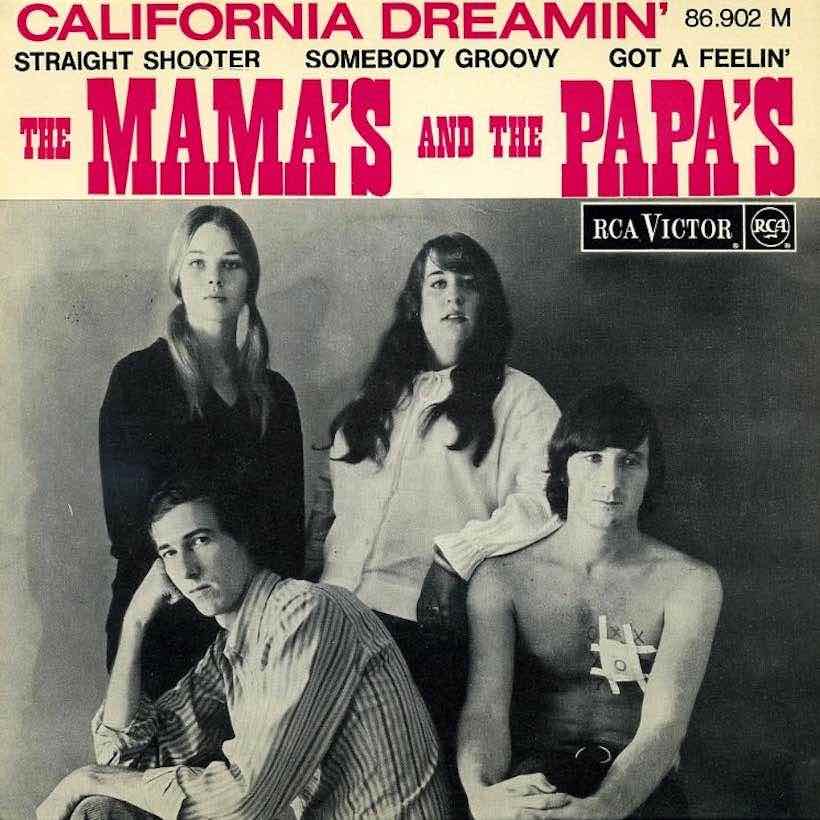
This iconic track, originally released in 1965, is synonymous with the folk-rock vocal group The Mamas & the Papas. Their harmonious blend of voices, coupled with the song’s melancholic yet hopeful narrative, etched it into the annals of music history. But its journey from a nascent idea conceived on a cold New York winter’s day to a global phenomenon reflects a broader cultural shift towards seeking new horizons, both geographical and psychological, embodying a lifestyle yearning for warmth, freedom, and artistic expression.
The Voices Behind the Dream: The Mamas & the Papas
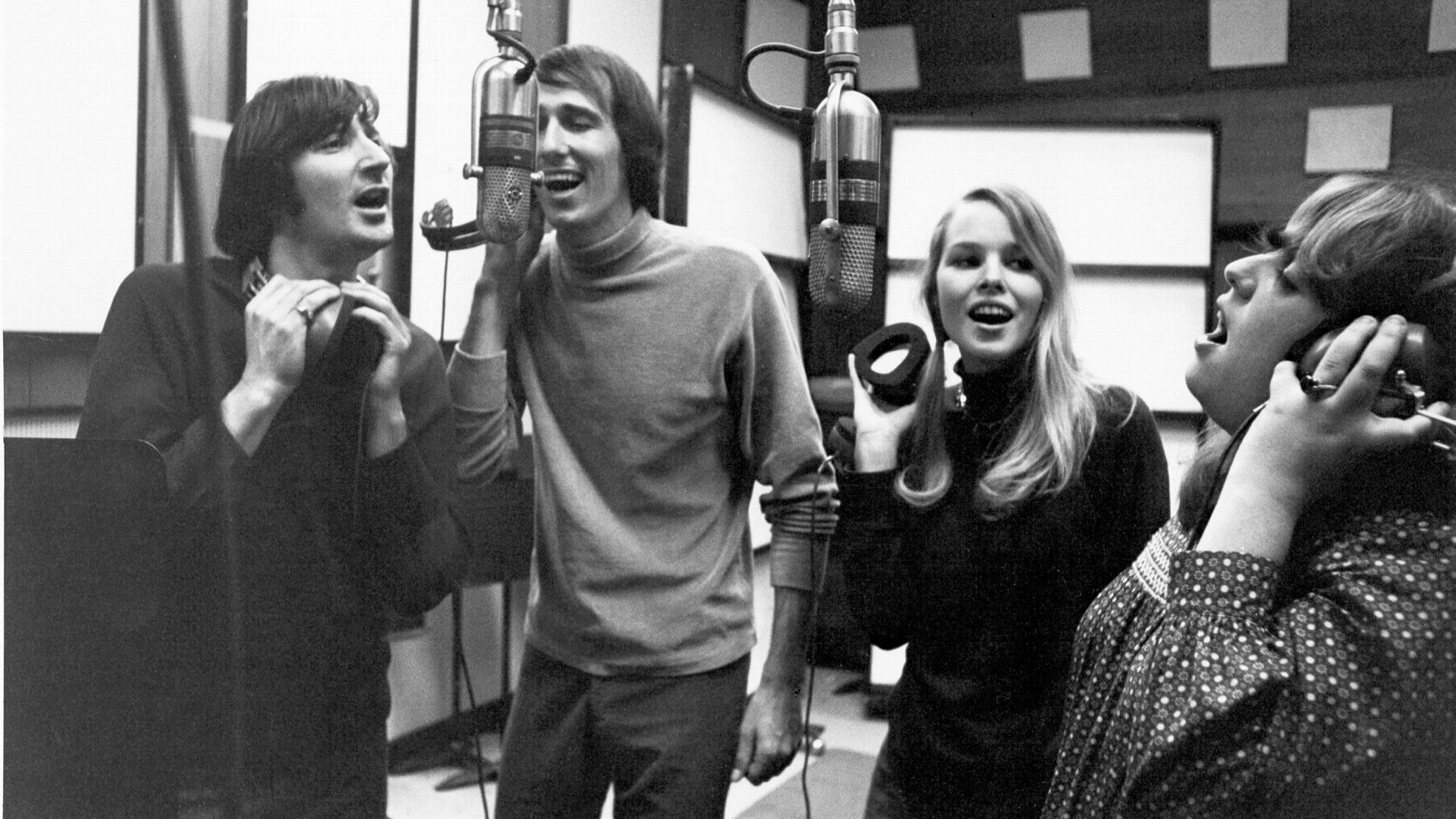
The story of “California Dreamin'” is inextricably linked to the quartet known as The Mamas & the Papas. Comprising John Phillips, Michelle Phillips, Denny Doherty, and Cass Elliot (Mama Cass), the group epitomized the burgeoning folk-rock movement of the mid-1960s. Their intricate vocal harmonies, often layered and complex, distinguished them from their contemporaries and created a sound that was both sophisticated and accessible.
A Folk-Rock Legacy Forged in California
Before achieving global fame, the members of The Mamas & the Papas had roots in various folk ensembles. John Phillips and Michelle Phillips met in the folk scene, as did Denny Doherty and Cass Elliot. Their individual paths eventually converged, leading to the formation of the group that would become emblematic of a specific era and lifestyle. It was in Los Angeles, California, a magnet for creative spirits and dreamers, that their collective vision truly solidified.
California in the 1960s was more than just a geographical location; it was a state of mind, a symbol of liberation and opportunity, particularly for those looking to escape the conventional norms of society. The move to California by these aspiring musicians was itself a reflection of a broader lifestyle choice: a pursuit of artistic freedom, a warmer climate, and a community of like-minded individuals. This environment directly influenced their sound and subject matter, culminating in songs that captured the zeitgeist of the time. The group’s arrival coincided with the counterculture blossoming across the state, from the vibrant Sunset Strip in Los Angeles to the Haight-Ashbury district in San Francisco, solidifying their place not just in music, but in the lifestyle narrative of the era.
The Song’s Genesis: A Winter’s Day Dream
The story of “California Dreamin'” begins not in the sunshine of the Golden State, but during a harsh winter in New York in 1963. John Phillips and Michelle Phillips, longing for the warmth of California, found inspiration in the stark contrast between their current surroundings and their desired lifestyle. Michelle Phillips famously recalled John Phillips waking her up to help him write the song, starting with the iconic line, “All the leaves are brown, and the sky is grey.”
Initially, the song was recorded by Barry McGuire, but it was The Mamas & the Papas’ version, released on Dunhill Records and produced by Lou Adler, that soared to success. Lou Adler made the crucial decision to add a distinctive alto flute solo, transforming the track and giving it its unmistakable sound. This version perfectly encapsulated the yearning for a different life, a dream of escaping the mundane and embracing a more vibrant, free-spirited existence — a lifestyle choice that resonated deeply with millions.
An Anthem of Aspiration and Escape
“California Dreamin'” transcended mere popular music; it became a cultural touchstone, a narrative vehicle for a collective yearning. The song’s success wasn’t just due to its catchy melody or beautiful harmonies; it was its profound resonance with the aspirations and desire for escape that defined a significant part of the 1960s lifestyle.
Capturing the Californian Ideal
The lyrics paint a vivid picture of a cold, grey winter’s day, with the singer seeking solace and warmth in the thought of California. This simple contrast between a harsh reality and a dreamed-of ideal tapped into a universal human desire for betterment, for a place where life is easier, brighter, and more fulfilling. For many, California represented that ideal, a beacon of sunshine, opportunity, and a relaxed, unconventional lifestyle.
The song articulated the unspoken hopes of countless individuals across America and Europe who yearned for a change of scenery and a new way of living. It wasn’t just about visiting California; it was about adopting the lifestyle it represented: one of freedom, artistic expression, and a break from societal constraints. The dream wasn’t just geographic; it was existential, a longing for a different kind of life.
The Soundtrack to a Generation’s Lifestyle
The release of “California Dreamin'” coincided with the peak of the counterculture movement and the “Summer of Love” in 1967. The song became an unofficial anthem for young people flocking to California, particularly to cultural hubs like San Francisco and Los Angeles, in search of communal living, psychedelic experiences, and a rejection of materialism. It played a prominent role at events like the Monterey Pop Festival, further cementing its place in the cultural fabric of the era.
The lifestyle promoted by the song and its associated movement was one of exploration, self-discovery, and a belief in the power of music and love. It encouraged listeners to “drop out” and experience life on their own terms, to chase their dreams, even if those dreams were thousands of miles away. “California Dreamin'” was more than just background music; it was a motivational soundtrack for a generation seeking to redefine their lives and embrace a new, unconventional lifestyle.
Beyond the Original: Covers and Enduring Influence
The power of “California Dreamin'” lies not only in its initial impact but also in its enduring appeal. The song’s core message of yearning and aspiration has resonated across decades, leading to numerous covers and solidifying its place as a timeless classic.
Diverse Interpretations Keep the Dream Alive
While The Mamas & the Papas’ version remains the definitive one, the song has been covered by a diverse array of artists across various genres. From the surf-rock harmonies of The Beach Boys to the soulful Latin rhythm of Jose Feliciano, each interpretation brings a new flavor to the familiar tune while preserving its fundamental essence. These covers demonstrate the song’s versatility and its universal themes, which continue to speak to new audiences.
Every new rendition helps to introduce “California Dreamin'” to another generation, allowing them to connect with its message of longing for a better place or a different life. This continuous reinterpretation ensures the song remains relevant, inspiring listeners to reflect on their own aspirations and the lifestyles they pursue. The consistent popularity of these covers underscores the timeless human desire for freedom, escape, and the pursuit of a personal paradise, a significant aspect of contemporary lifestyle choices.
A Timeless Call to Adventure and Lifestyle Change
Decades after its release, “California Dreamin'” still evokes a powerful sense of wanderlust and the desire for a particular way of life. It’s often used in films, television shows, and advertisements to convey a sense of nostalgia, longing, or the promise of new beginnings. The song serves as a cultural shorthand for the “Californian lifestyle” – often associated with sunshine, relaxed attitudes, innovation, and an open-minded approach to life.
For many, the song continues to be a catalyst for real-life decisions, from planning a vacation to California to even considering a permanent move. It symbolizes a break from routine, an embrace of adventure, and the pursuit of a lifestyle that prioritizes well-being, creativity, and a connection to nature. This enduring influence highlights how music can not only reflect but also actively shape our desires and choices regarding where and how we want to live.
The Legacy of the Dream
“California Dreamin'” is far more than a hit single from the 1960s. It is a cultural landmark that captured the essence of an era and continues to resonate deeply within the broader context of lifestyle and aspiration. The Mamas & the Papas gave voice to a collective yearning, turning a personal longing for warmth into a universal anthem for freedom and change.
California’s Enduring Mystique
The song played a significant role in cementing California’s image as a land of dreams, a place where one could shed old identities and embrace a new, more fulfilling lifestyle. This mystique continues to drive tourism and migration to the state, as people seek to experience the very dreams evoked by the song. From the entertainment industry in Los Angeles to the tech hubs of San Francisco and the natural beauty of its coastlines, California remains a powerful symbol of possibility. The song contributed to defining a “Californian lifestyle” that still draws millions.

Music as a Lifestyle Catalyst
Ultimately, “California Dreamin'” stands as a testament to the profound power of music as a lifestyle catalyst. It demonstrates how a few minutes of harmonious sound and evocative lyrics can encapsulate a generation’s hopes, influence travel trends, and inspire countless individuals to pursue a life that aligns with their deepest desires. The Mamas & the Papas not only sang “California Dreamin'”; they helped to define what that dream meant, solidifying their legacy as architects of a sonic lifestyle blueprint that continues to enchant and inspire. It reminds us that our dreams, whether for a warmer climate or a different way of life, are often orchestrated by the soundtracks of our lives.
LifeOutOfTheBox is a participant in the Amazon Services LLC Associates Program, an affiliate advertising program designed to provide a means for sites to earn advertising fees by advertising and linking to Amazon.com. Amazon, the Amazon logo, AmazonSupply, and the AmazonSupply logo are trademarks of Amazon.com, Inc. or its affiliates. As an Amazon Associate we earn affiliate commissions from qualifying purchases.