
California, a state synonymous with culinary innovation, fresh produce, and diverse dining experiences, has recently grappled with an unexpected challenge: a significant egg shortage. For a region celebrated for its farm-to-table philosophy and vibrant food scene, the scarcity of such a fundamental ingredient might seem perplexing. This shortage isn’t merely a minor inconvenience; it has rippled through kitchens, restaurants, bakeries, and grocery stores across the Golden State, impacting not only residents but also the millions of tourists who flock to California each year seeking its unique gastronomic adventures. Understanding the root causes of this shortage is crucial for anyone exploring California’s rich culinary landscape, as it sheds light on the complex interplay of agricultural economics, public health, and stringent regulatory frameworks that define the modern food industry. From the bustling brunch spots of San Francisco to the gourmet bakeries of the Napa Valley, the absence of readily available eggs presents a fascinating case study in how global and local factors can reshape the tourism experience, especially when it comes to the universal language of food.

The Unfolding Crisis: Root Causes of California’s Egg Woes
The current egg shortage in California is a multifaceted issue, stemming from a combination of widespread agricultural challenges, shifts in consumer behavior, and unique state-specific regulations. These factors have converged to create a perfect storm, limiting supply and driving up prices, thereby directly influencing the local food scene and, by extension, the culinary tourism experience.
Avian Flu Outbreaks and Production Disruptions
One of the primary drivers of the egg shortage has been the devastating impact of highly pathogenic avian influenza (HPAI), commonly known as bird flu. Across the United States, and particularly in major egg-producing states, outbreaks have led to the culling of millions of laying hens to prevent further spread of the disease. This drastic measure, while necessary for public health and animal welfare, has severely reduced the national flock size. Since California relies heavily on egg imports from other states to meet its demand, these widespread production disruptions elsewhere directly translate into reduced availability and higher costs within its borders. The recovery of a laying flock is not instantaneous; it takes months for new hens to mature and begin consistent egg production, creating a lag in the supply chain that exacerbates the shortage over an extended period. This vulnerability in the broader agricultural ecosystem highlights how external shocks can profoundly impact local food accessibility, even in a state as agriculturally rich as California. For culinary tourists, this means that the availability of egg-centric dishes might be inconsistent, requiring flexibility and an openness to explore alternative menu items.
Shifting Consumer Demand and Supply Chain Pressures
Beyond disease outbreaks, evolving consumer demand patterns and persistent supply chain challenges have compounded the problem. During and post-pandemic, there has been a noticeable increase in demand for eggs, partly due to more home cooking and a growing awareness of eggs as a versatile and affordable protein source. This surge in demand has placed additional strain on an already disrupted supply chain. Inflationary pressures have also played a significant role, increasing the cost of feed, fuel, and labor for poultry farmers. These rising operational costs often translate into higher retail prices, which can deter some consumers but also indicate a fundamental imbalance between supply and demand. Logistic bottlenecks, from a shortage of truck drivers to increased shipping expenses, further complicate the movement of eggs from farms to grocery shelves and restaurant kitchens across California. This confluence of factors creates a volatile market where prices fluctuate wildly, and consistent supply remains elusive, challenging the predictability that both local businesses and visiting food enthusiasts typically rely upon.
Regulatory Landscape: Proposition 12 and Animal Welfare Standards
Unique to California is the significant influence of its animal welfare legislation, specifically Proposition 12. Enacted to ensure that veal calves, breeding pigs, and egg-laying hens are raised with specific minimum space requirements, Proposition 12 mandates that all eggs sold in California—whether produced in-state or imported—must comply with these standards. While admirable in its intent to improve animal living conditions, this regulation has presented considerable challenges for the egg industry. Many out-of-state producers, who traditionally supplied a significant portion of California’s egg market, have struggled to transition to the mandated cage-free systems, citing high conversion costs and logistical complexities. Consequently, some producers have opted to reduce or cease supplying eggs to California altogether. This reduction in the pool of compliant suppliers has drastically tightened the market, making California an ‘island’ in terms of its specific egg sourcing requirements. The combined effect of avian flu decimating flocks and Proposition 12 restricting the available supply pool has created a perfect storm, leaving the state with an unprecedented egg shortage that profoundly impacts its food economy and tourism sector.
Impact on California’s Vibrant Food Scene and Culinary Tourism
California’s reputation as a global culinary hub is built on its abundance of fresh ingredients and a culture of gastronomic excellence. The egg shortage directly challenges this foundation, forcing innovative adaptations and, in some cases, altering the very fabric of local dining experiences for both residents and visitors.
Breakfast and Brunch Staples Under Threat
Breakfast and brunch are quintessential components of California’s dining scene, with eggs often taking center stage. From the classic California omelet to artisanal eggs benedict served in scenic cafes along the coast of Santa Monica or in the vibrant neighborhoods of Los Angeles, eggs are an indispensable ingredient. The shortage means that many restaurants have been forced to limit egg-based menu items, increase prices, or, in extreme cases, temporarily remove popular dishes. For tourists, this can be a disappointment, as they often seek out these iconic breakfast experiences as part of their travel itinerary. Imagine planning a trip to San Diego’s Gaslamp Quarter for a famous brunch, only to find egg dishes unavailable or prohibitively expensive. This situation pushes restaurants to get creative, exploring plant-based egg alternatives or reimagining their menus to highlight other local produce and proteins. While fostering innovation, it undeniably shifts the expected culinary experience, requiring visitors to be flexible and perhaps discover new favorites they hadn’t initially considered.
Bakeries and Patisseries Adapt and Innovate
The impact of the egg shortage extends far beyond savory dishes, profoundly affecting California’s’s thriving bakery and patisserie scene. Eggs are critical for structure, leavening, moisture, and richness in countless baked goods, from delicate croissants and fluffy cakes to intricate pastries and artisanal breads found in places like Orange County. Bakeries have been particularly hard-hit, facing the dual challenge of sourcing eggs and managing the skyrocketing costs. This has spurred a wave of culinary innovation, with many establishments experimenting with egg substitutes such as applesauce, mashed bananas, flaxseed “eggs,” or commercial vegan egg replacers. While these alternatives allow bakeries to continue production, achieving the exact texture, flavor, and consistency of traditional recipes can be a meticulous process. For culinary tourists, this might mean encountering slightly different versions of beloved treats or discovering new, equally delicious plant-based options that reflect the resilience and creativity of California’s’s chefs and bakers. It’s a testament to the state’s adaptability, turning a supply challenge into an opportunity for inventive culinary exploration.
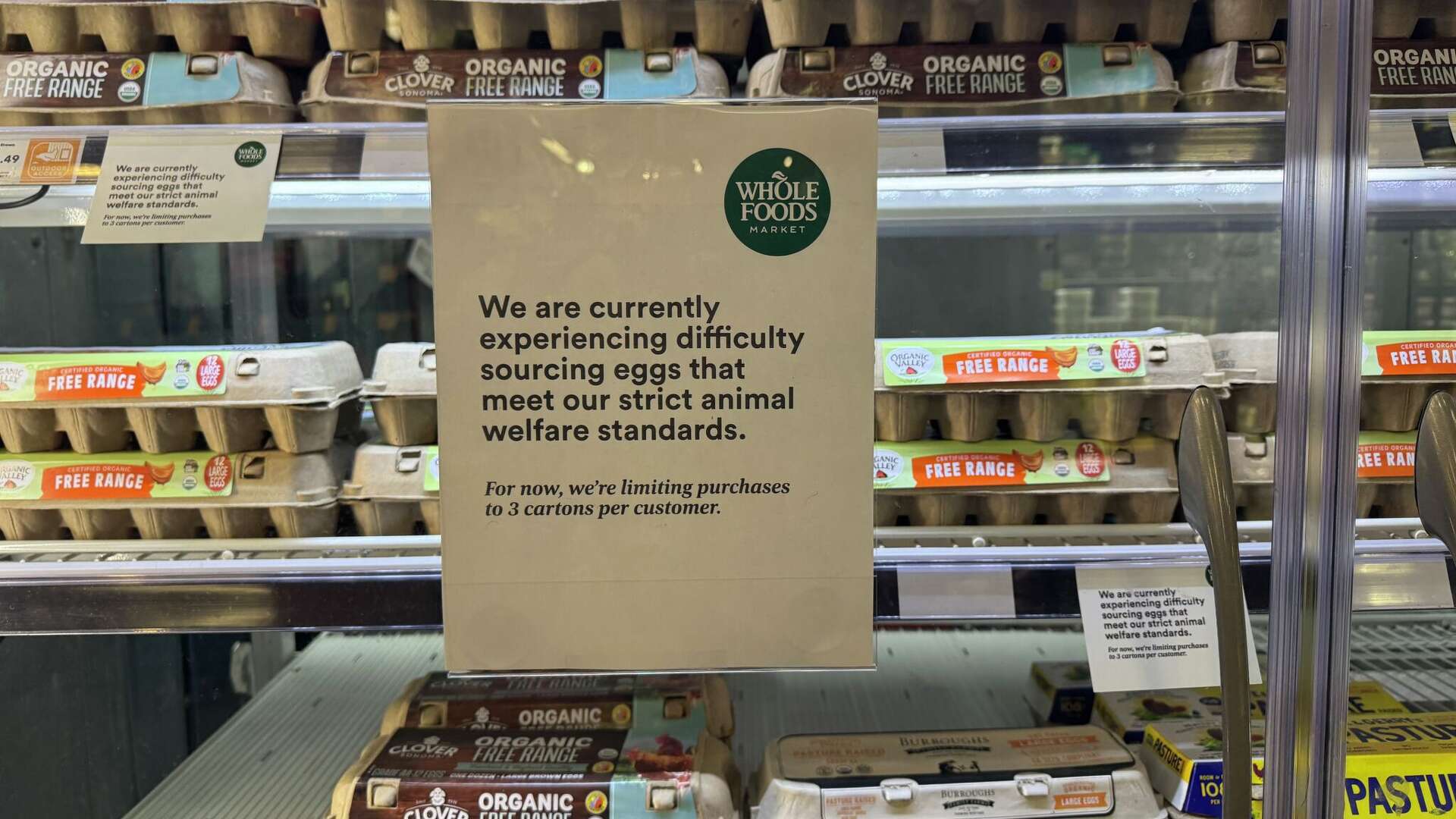
Home Cooking and Grocery Store Scarcity for Visitors and Residents
For tourists staying in self-catering accommodations, vacation rentals, or those simply wishing to grab essentials from a local grocery store, the egg shortage presents a direct and tangible challenge. Empty egg shelves have become a common sight in supermarkets across California, from bustling urban centers like Los Angeles to quieter towns. This scarcity impacts not only residents’ daily lives but also visitors who might want to prepare a simple breakfast or a light meal. The inability to easily purchase a carton of eggs restricts flexibility and can add unexpected stress to a trip. Instead of a leisurely morning cooking eggs, tourists might find themselves searching multiple stores or having to adjust their meal plans. This situation underscores the deep integration of basic food availability into the overall travel experience, reminding visitors that local market conditions can unexpectedly influence their stay, pushing them to explore local cafes or restaurants more often for meals they might have planned to prepare themselves.
Navigating the Shortage: Tips for Culinary Travelers in California
For those planning a culinary adventure in California amidst the egg shortage, a proactive and flexible approach can ensure a satisfying experience. Embracing the state’s diverse food offerings and staying informed are key to navigating these temporary challenges.
Embrace Egg-Free Alternatives and Local Specialties
Rather than focusing on what might be scarce, culinary travelers are encouraged to lean into California’s’s incredible breadth of other fresh and local specialties. The state is a bounty of amazing produce, from avocados and citrus to artisanal cheeses and world-class seafood. Consider starting your day with dishes like fresh fruit bowls, California burritos (often egg-free), or avocado toast. Explore the incredible array of vegan and vegetarian restaurants that flourish across cities like Los Angeles and San Francisco, many of which offer innovative and delicious egg-free breakfast and brunch options. This is an opportune moment to broaden your palate and discover new favorites, perhaps diving into the vibrant Mexican food scene or savoring fresh catch from the Pacific.
Check Menus and Call Ahead
Before setting your heart on a specific egg-centric dish at a popular brunch spot in Hollywood or a quaint cafe in San Francisco, it’s highly advisable to check menus online or, even better, call the restaurant directly. Many establishments are transparent about their menu adjustments due to supply issues. A quick phone call can save you time and disappointment, allowing you to make reservations for places that can accommodate your preferences or steer you towards restaurants with ample egg-free choices. This small step ensures a smoother dining experience and allows you to enjoy the culinary journey without unexpected hitches.
Explore Farmers’ Markets and Specialty Stores
For those staying in accommodations with kitchen facilities or simply looking for fresh, local ingredients, visiting California’s renowned farmers’ markets can be a rewarding experience. While traditional grocery stores might have empty egg shelves, some smaller, local farms selling directly at markets, such as the famous Ferry Building Marketplace in San Francisco, might occasionally have limited supplies of compliant eggs. These markets are also excellent places to discover a wealth of other fresh produce, artisanal breads, and unique local products that can form the basis of a delicious, egg-free meal or snack. Specialty grocery stores and health food shops might also occasionally stock niche or premium eggs that comply with Proposition 12, albeit at higher prices. Engaging with local vendors not only supports small businesses but also offers an authentic taste of California’s’s food culture.
The Road Ahead: Future Outlook for Egg Availability in California
The egg shortage in California is a complex challenge, but the state’s robust agricultural sector and innovative spirit suggest a path toward recovery and greater resilience. Understanding the ongoing efforts and potential long-term shifts can offer insights into the future of California’s food landscape.
Industry Resilience and Recovery Efforts
The poultry industry, both within California and in key supplying states, is actively working to rebuild flocks decimated by avian flu. This involves significant investments in biosecurity measures, re-stocking new hens, and adapting to the evolving regulatory environment. Farmers are demonstrating remarkable resilience, striving to increase production while adhering to stringent animal welfare standards. While the process of flock recovery and maturation takes time, these efforts are crucial for stabilizing the supply chain. Furthermore, research into more disease-resistant poultry breeds and improved prevention strategies are ongoing, aiming to mitigate the impact of future outbreaks. As production slowly ramps up and logistical issues are addressed, consumers and the tourism sector can anticipate a gradual improvement in egg availability.

Long-Term Implications for Food Policy and Sourcing
The current shortage is likely to have lasting implications for California’s food policy and sourcing strategies. There’s a growing discussion about the importance of diversifying supply chains and potentially increasing in-state egg production to reduce reliance on external sources that may not comply with local regulations or are vulnerable to external shocks like avian flu. This could lead to policy initiatives supporting local poultry farmers in transitioning to Proposition 12-compliant systems. Additionally, the shortage has prompted hospitality businesses to re-evaluate their menus and explore sustainable, egg-free alternatives or innovative ingredient substitutions. This push towards diversification and local sourcing could ultimately enhance the resilience and sustainability of California’s’s food system, ensuring a more stable and diverse culinary offering for both residents and the millions of tourists who come to experience its unique gastronomic charm.
In conclusion, the egg shortage in California is a multifaceted issue driven by avian flu, supply chain pressures, and unique state regulations. While challenging, it has also spurred innovation and adaptability within California’s’s vibrant food scene. For culinary travelers, this period offers an opportunity to explore the diverse, egg-free delights and other local specialties that the Golden State proudly offers, proving that even amidst scarcity, California’s’s gastronomic appeal remains undimmed.
LifeOutOfTheBox is a participant in the Amazon Services LLC Associates Program, an affiliate advertising program designed to provide a means for sites to earn advertising fees by advertising and linking to Amazon.com. Amazon, the Amazon logo, AmazonSupply, and the AmazonSupply logo are trademarks of Amazon.com, Inc. or its affiliates. As an Amazon Associate we earn affiliate commissions from qualifying purchases.