
Embarking on a journey from the bustling metropolis of Chicago to the charming heart of Central Illinois, Peoria, is a common route for both business travelers and leisure seekers. Whether you’re visiting family, attending a conference, or exploring the cultural landscape of the Prairie State, understanding the logistics of this trip is crucial for a smooth and enjoyable experience. This guide delves into the distance, travel times, transportation options, and everything you need to know about traversing the landscape between these two distinctive Illinois cities.
The journey from Chicago to Peoria is more than just a commute; it’s an opportunity to experience the diverse topography and communities that define the state. From the urban sprawl and architectural marvels of the Windy City to the scenic riverfront and industrial heritage of Peoria, the transition is noticeable and often an integral part of the travel experience. Our aim is to provide a comprehensive overview that makes your planning effortless, ensuring you select the best method of travel tailored to your preferences and needs.
Unveiling the Distance and Driving Dynamics
Understanding the actual distance and estimated travel time is the foundational step for any trip. The route from Chicago to Peoria is predominantly straightforward, mainly involving interstate highways, making it a relatively predictable journey.
The Direct Route: Miles and Minutes
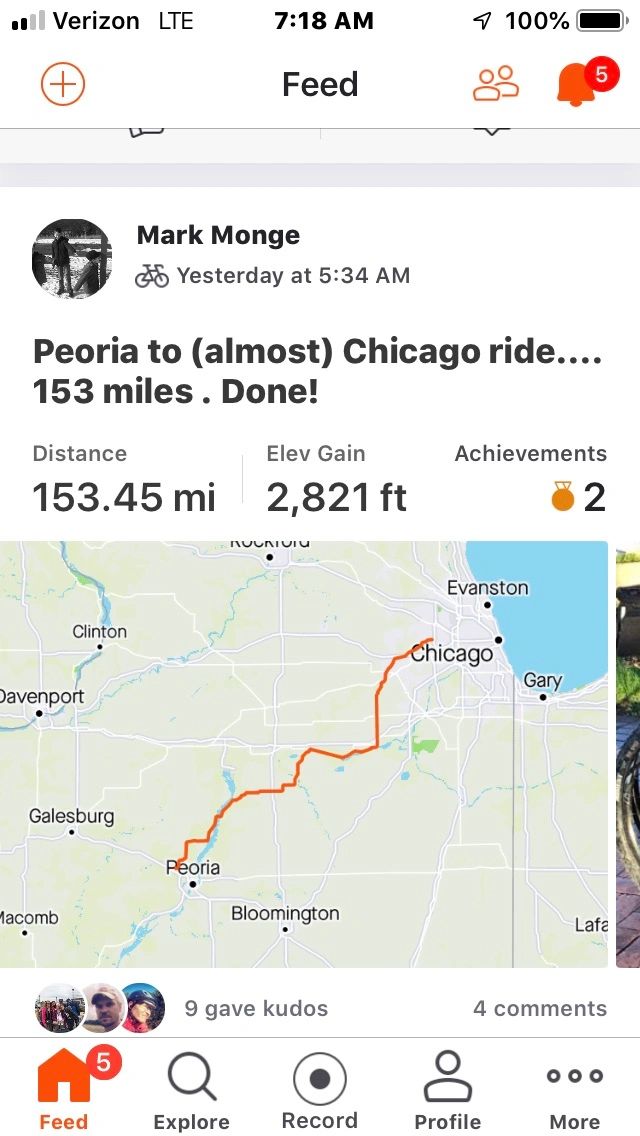
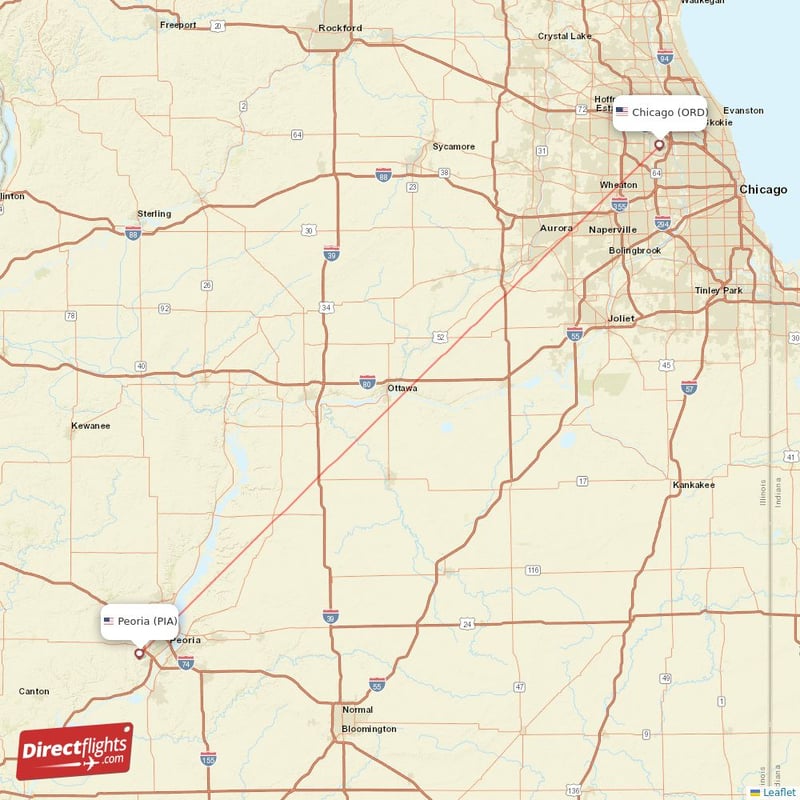
The approximate driving distance from Chicago to Peoria is typically between 160 to 170 miles (257 to 274 kilometers), depending on your exact starting point in Chicago and your final destination in Peoria. The most common and direct route involves heading southwest from Chicago, primarily utilizing Interstate 55 (I-55) South and then transitioning onto Interstate 74 (I-74) West near Bloomington-Normal.
Under ideal driving conditions, with no significant traffic or extensive stops, the journey by car generally takes around 2.5 to 3 hours. This makes it an achievable day trip or a convenient segment of a longer itinerary within the region. The roads are well-maintained, and the signage is clear, ensuring a smooth drive for most motorists. However, it’s always prudent to account for potential variables that could extend this estimated time.
Factors Influencing Travel Time
While the direct route offers a baseline, several elements can impact your actual travel duration:
- Traffic Congestion: Leaving Chicago can be particularly challenging, especially during peak rush hours (morning and late afternoon on weekdays) or on Friday afternoons as people escape the city for the weekend. Expect delays on I-55 within the greater Chicago metropolitan area. Similarly, traffic can accumulate around Bloomington-Normal where I-55 intersects with I-74, though less severe than Chicago traffic.
- Road Construction: Illinois experiences various road construction projects, especially during the warmer months. These can lead to lane closures, detours, and reduced speed limits, all of which contribute to extended travel times. It’s advisable to check current traffic and construction updates before heading out.
- Weather Conditions: Illinois weather can be unpredictable. Heavy rain, snow, ice, or fog can significantly slow down travel, reduce visibility, and make driving more hazardous. Winter months, in particular, can see journey times extend considerably due to adverse conditions.
- Stopovers and Breaks: While it’s possible to drive straight through, many travelers opt for comfort breaks, refueling, or a quick meal. Incorporating a 15-30 minute stop can add to your overall journey time but can greatly enhance comfort and safety, especially for the driver.
- Driving Speed and Habits: Individual driving speeds and adherence to speed limits will naturally affect the total time. Furthermore, if you plan to take a more scenic, non-interstate route, expect a longer journey, often exceeding 3.5 to 4 hours.
Considering these factors, it’s wise to build in some buffer time when planning your arrival in Peoria from Chicago, especially if you have a scheduled appointment or event.
Navigating the Journey: Transportation Choices
While driving is undoubtedly the most popular method for traveling between Chicago and Peoria, it’s far from the only option. Depending on your budget, schedule, and preferences, you have several viable alternatives.
Driving: The Most Popular Option
Driving offers unparalleled flexibility and convenience. For many, the ability to control their schedule, make impromptu stops, and transport luggage easily makes it the preferred choice.
- Freedom and Flexibility: A personal vehicle allows you to depart at your leisure, choose your route, and stop whenever and wherever you please. This is particularly beneficial for those traveling with family, pets, or significant luggage.
- Car Rental: If you don’t own a car or prefer not to use your own, numerous car rental agencies operate in Chicago, including at Chicago O’Hare International Airport (ORD) and Chicago Midway International Airport (MDW). Renting a car provides the same benefits of driving without the wear and tear on your own vehicle.
- Cost Considerations: Driving costs include fuel, potential tolls (though less common on this route), and vehicle wear. For solo travelers, this might be more expensive than public transport, but for groups or families, it often becomes the most economical option.
Public Transportation: Bus and Limited Rail Options
For those who prefer to sit back and let someone else do the driving, public transportation offers a stress-free alternative.
- Bus Services: Intercity bus services are a reliable and cost-effective way to travel from Chicago to Peoria. Companies like Greyhound and Burlington Trailways operate daily routes directly between the two cities. The journey typically takes around 3.5 to 4 hours, factoring in stops and potential transfers, making it slightly longer than direct driving but often more relaxing. Buses usually depart from major transportation hubs in Chicago and arrive at designated stations in Peoria. Booking tickets in advance is recommended, especially during peak travel periods, to secure better fares and preferred seating.
- Train Services: While Amtrak offers extensive rail services across Illinois, there is no direct Amtrak line running to Peoria. Travelers opting for a train journey would need to take an Amtrak train to a nearby city, such as Bloomington-Normal or Galesburg, and then arrange for an onward connection (bus, taxi, or ride-share) to Peoria. This multi-modal approach adds complexity, time, and potentially cost, making it a less practical direct option compared to bus or driving. The train portion itself to Bloomington-Normal is approximately 2.5 hours, plus the additional transfer time.
Flying: A Less Common but Faster Choice
For those prioritizing speed above all else, flying is an option, albeit a less common one for this specific route due to the relatively short distance.
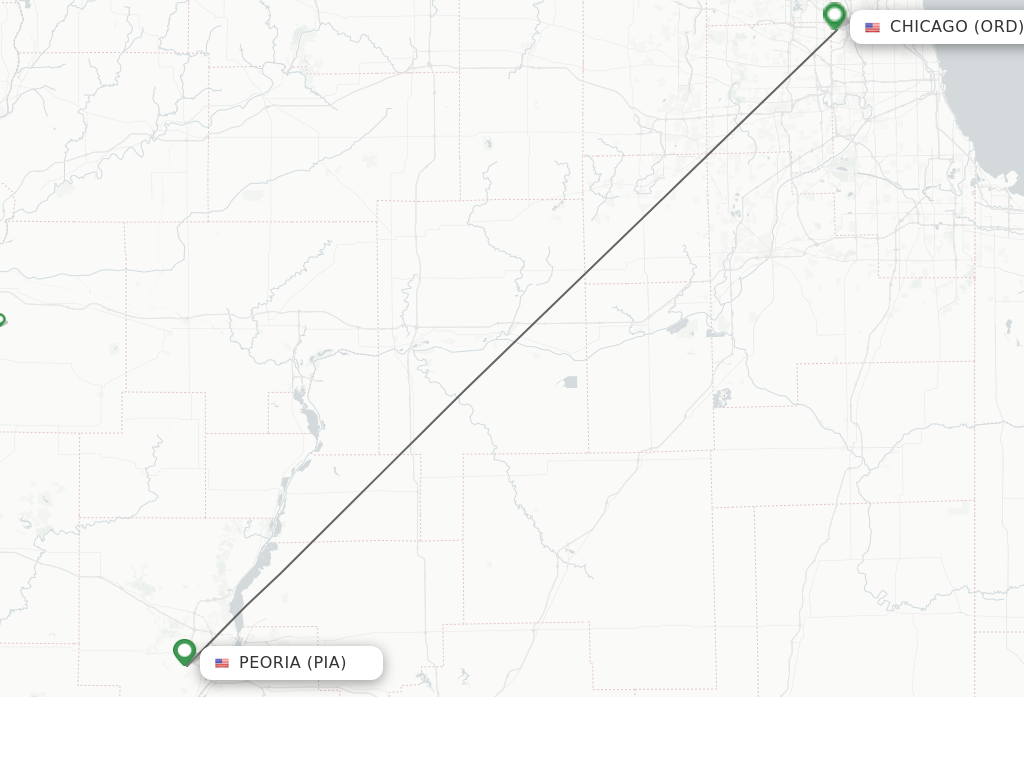
- Airport Connections: Travelers can fly from Chicago O’Hare International Airport (ORD) or Chicago Midway International Airport (MDW) to General Wayne A. Downing Peoria International Airport (PIA).
- Time vs. Cost: The actual flight time is very short, often less than an hour. However, when you factor in travel to the Chicago airport, security checks, boarding, and then travel from Peoria’s airport to your final destination, the total door-to-door time often equals or exceeds the driving time, especially considering potential delays. Furthermore, flying is typically the most expensive option, and flight frequency can be limited. This option is usually considered only for specific business needs or if connecting from a longer international or domestic flight.
Exploring Along the Way: A Glimpse of the Illinois Landscape
The journey from Chicago to Peoria, though primarily highway-based, offers a subtle immersion into the heartland of Illinois. It’s a testament to America’s expansive and productive agricultural regions, interspersed with small towns and historical markers.
Midpoint Marvels and Rest Stops
While the interstates are designed for efficient transit, there are opportunities for brief pauses that can enhance the trip. The stretch of I-55 South from Chicago to Bloomington-Normal is part of the historic Route 66 corridor. Many towns along this path, such as Pontiac, have preserved nostalgic diners, museums, and roadside attractions that celebrate the iconic highway. While a direct detour into these towns might add significant time, passing them by offers a historical context to the drive.
- Service Areas and Fuel Stops: The route is well-equipped with service plazas offering fuel, food, and restroom facilities. Cities like Dwight, Pontiac, and Normal (part of Bloomington-Normal) serve as convenient points for a break. These are often located directly off the interstate, making quick stops easy.
- Agricultural Views: A significant portion of the drive will showcase Illinois’s rich agricultural land. Vast fields of corn and soybeans stretch to the horizon, painting a serene and quintessential Midwestern landscape, particularly beautiful during the growing seasons of spring and summer.
Short Detours and Points of Interest
For those with a little extra time and an adventurous spirit, a few brief detours can add flavor to the journey:
- Route 66 Museums: In Pontiac, the Illinois Route 66 Hall of Fame and Museum offers a fascinating glimpse into the history of the “Mother Road.” This can be a worthwhile stop for history buffs or anyone interested in Americana, easily accessible from I-55.
- Bloomington-Normal: This twin-city area, roughly midway, serves as a significant hub where I-55 meets I-74. It offers a wider array of dining and shopping options if you desire a more substantial break. It’s also home to Illinois State University, adding a vibrant, collegiate atmosphere.
- Starved Rock State Park (North of the Route): While not directly on the route, Starved Rock State Park is an hour north of the Chicago-Peoria path. If you have a full day to spare and are keen on nature, this state park offers stunning canyons, waterfalls, and hiking trails along the Illinois River. It requires a dedicated detour but is a popular attraction.
For most travelers, the primary goal is efficient transit. However, knowing these options exist allows for greater customization of the journey, transforming it from a mere drive into a more engaging travel experience, even if only for a brief moment.
Peoria: The Heart of Central Illinois Beckons
Upon arrival, travelers discover Peoria is far more than just a destination; it’s a city steeped in industrial heritage, surrounded by natural beauty, and brimming with a vibrant community spirit. Understanding what awaits you can greatly enhance the anticipation of your trip.
A City with Character and Charm
Peoria, nestled on the banks of the historic Illinois River, boasts a rich history dating back to the 17th century. Once a major hub for distilleries and an enduring home to heavy industry, it has evolved into a dynamic regional center.
- Riverfront Revitalization: The Peoria Riverfront is a focal point of the city, offering a scenic promenade, diverse dining options, and access to river cruises. The Peoria RiverFront Museum stands as a beacon of culture, housing art, natural history, and science exhibits, along with a state-of-the-art planetarium.
- Arts and Culture: Beyond the museum, Peoria supports a thriving arts scene, with numerous galleries, live music venues, and performing arts groups. The historic Peoria Civic Center hosts concerts, sporting events, and conventions, drawing visitors from across the region.
- Green Spaces and Recreation: For those seeking outdoor activities, Peoria offers an abundance of parks and natural areas. The Peoria Zoo is a family-friendly attraction, while the Luthy Botanical Garden provides a tranquil escape with its beautifully curated plant collections. Hiking and biking trails weave through various parts of the city and surrounding areas, including the Forest Park Nature Center.
Business and Leisure: Why People Travel to Peoria
The reasons for traveling to Peoria are as diverse as the city itself, encompassing both professional and personal motivations.
- Industrial and Corporate Hub: Peoria is internationally recognized as the headquarters of Caterpillar Inc., a global leader in construction and mining equipment. This makes Peoria a significant destination for business travelers, engineers, and corporate visitors. The presence of other manufacturing and technology firms also contributes to its robust business travel segment.
- Education and Academia: Home to Bradley University, Peoria attracts students, faculty, and their families. University events, commencement ceremonies, and campus visits are regular drivers of traffic to the city.
- Healthcare and Medical Centers: Peoria serves as a regional healthcare hub, with major medical facilities like OSF Saint Francis Medical Center and UnityPoint Health – Methodist. People often travel to Peoria for specialized medical appointments, treatments, or to visit hospitalized loved ones.
- Family and Personal Visits: As a mid-sized city with a strong community feel, Peoria is a frequent destination for individuals visiting family and friends. Its accessibility from Chicago makes it an ideal spot for weekend reunions or holiday gatherings.
- Events and Conventions: The Peoria Civic Center regularly hosts conventions, trade shows, and sporting tournaments, drawing attendees and participants who contribute to the local economy and vibrancy.
No matter the purpose of your visit, Peoria offers a welcoming atmosphere and a range of amenities to ensure a comfortable and productive stay, making the journey from Chicago a well-worthwhile endeavor.
Planning Your Journey: Essential Travel Tips
A successful trip hinges on meticulous planning. By considering a few key aspects before you depart, you can ensure a smooth and enjoyable travel experience from Chicago to Peoria.
Best Time to Travel
Optimizing your travel timing can significantly impact the ease and comfort of your journey.
- Weekdays vs. Weekends: If driving, weekdays (Tuesday through Thursday) generally see lighter traffic outside of immediate rush hours compared to Fridays or Sundays, which are popular travel days. Saturdays can also be busy depending on local events.
- Time of Day: For drivers, departing Chicago early in the morning (before 7:00 AM) or later in the evening (after 7:00 PM) can help you avoid the worst of the city’s notorious rush hour traffic. Conversely, arriving in Peoria during off-peak hours can make navigating the city and checking into accommodation less stressful.
- Seasons:
- Spring (April-May) and Fall (September-October): These seasons generally offer the most pleasant driving conditions with mild temperatures and picturesque scenery, particularly in the fall with changing leaves.
- Summer (June-August): While warm, summer can bring increased road construction and tourist traffic. Thunderstorms are also common.
- Winter (November-March): This can be the most challenging time to travel due to snow, ice, and extreme cold, which can significantly lengthen travel times and make driving hazardous. Always check weather forecasts diligently during these months.
Preparation Checklist
A little preparation goes a long way in preventing unforeseen issues and ensuring a comfortable journey.
- Navigation: Whether using a GPS device or a smartphone app, ensure your navigation system is updated and you have a clear understanding of your route. Consider downloading offline maps in case of patchy cellular service.
- Vehicle Maintenance: If driving your own car, perform a basic check: tire pressure, oil levels, fluid levels, and ensure your wipers and lights are functioning correctly. A well-maintained vehicle reduces the risk of breakdowns.
- Fuel: Start your journey with a full tank of gas. While there are plenty of fuel stops along the way, it’s always better to be proactive.
- Snacks and Hydration: Pack some snacks and water, especially if traveling with children or during times when stops might be infrequent.
- Entertainment: For longer drives or bus journeys, bring books, podcasts, music, or other forms of entertainment to pass the time. Don’t forget chargers for your electronic devices.
- Public Transport Bookings: If traveling by bus or planning a flight, book your tickets well in advance, especially around holidays or major events, to secure your spot and often better pricing. Confirm departure and arrival times closer to your travel date.
Safety and Comfort
Your well-being during the journey is paramount.
- Rest Stops: Plan for regular breaks, ideally every two hours, to stretch your legs, refresh yourself, and combat driver fatigue.
- Roadside Assistance: Have a plan for roadside assistance (e.g., AAA membership, car manufacturer’s service) in case of a flat tire or mechanical issue.
- Emergency Kit: Consider carrying a basic emergency kit in your car, especially during winter months, including blankets, a first-aid kit, jumper cables, and a flashlight.
- Stay Informed: Keep an eye on local news or traffic apps for real-time updates on road conditions, accidents, or weather warnings that might affect your route.
By taking these tips into account, your trip from Chicago to Peoria will not only be efficient but also safe and enjoyable, allowing you to focus on the purpose of your visit.
The journey from Chicago to Peoria is a well-traveled path, connecting two significant Illinois cities with distinct personalities. Whether you opt for the freedom of driving, the convenience of a bus, or the speed of a short flight, understanding the distance and myriad travel considerations will empower you to make the best choices for your trip. Peoria awaits with its blend of history, industry, and Midwestern charm, promising a rewarding experience for every traveler. Safe travels!
LifeOutOfTheBox is a participant in the Amazon Services LLC Associates Program, an affiliate advertising program designed to provide a means for sites to earn advertising fees by advertising and linking to Amazon.com. Amazon, the Amazon logo, AmazonSupply, and the AmazonSupply logo are trademarks of Amazon.com, Inc. or its affiliates. As an Amazon Associate we earn affiliate commissions from qualifying purchases.