
Embarking on a journey across the American Midwest often involves connecting some of its most dynamic cities. For many travelers, the question of “How far is Chicago from Columbus, Ohio?” is not merely about mileage; it’s a gateway to planning a memorable trip, understanding logistics, and anticipating the experiences that await at either end. This guide delves into the practicalities of bridging these two vibrant urban centers, offering insights for every type of traveler.
The Journey Unveiled: Distance and Driving Time
Understanding the distance between Chicago, Illinois, and Columbus, Ohio, is the first step in planning any travel. While the geographical proximity suggests a manageable trip, several factors can influence the actual time spent on the road or in transit.

The Straight Line vs. The Open Road
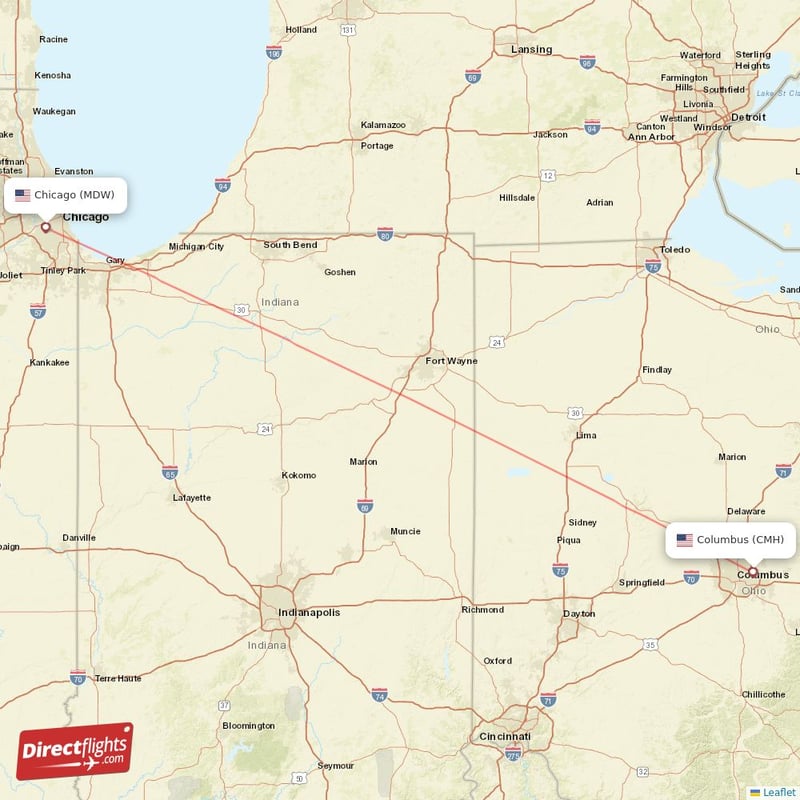
As the crow flies, the air distance between Chicago and Columbus is approximately 280-290 miles (450-467 kilometers). However, ground travel, particularly by car, necessitates following established road networks, which always adds mileage. The typical driving distance hovers around 350-360 miles (560-580 kilometers), depending on the specific route taken and starting/ending points within each metropolitan area.
This distance translates to an average driving time of 5.5 to 6 hours under ideal conditions. “Ideal conditions” imply clear weather, minimal traffic, and infrequent stops. It’s crucial for travelers to factor in potential delays, which are almost inevitable on such a popular interstate route.
Factors Influencing Travel Time
Several elements can significantly impact how long your journey takes from Chicago to Columbus, or vice versa:
- Traffic Congestion: Both Chicago and Columbus are major urban hubs with considerable daily commuter traffic. Departures or arrivals during peak rush hours (typically 7-9 AM and 4-6 PM on weekdays) can easily add an hour or more to your travel time, especially when navigating city expressways. Weekends, particularly holiday weekends, can also see increased traffic volume on major interstates.
- Road Construction: Infrastructure projects are a continuous effort on major highways. While beneficial in the long run, construction zones often lead to lane closures, reduced speed limits, and slowdowns. Checking state Department of Transportation websites for Illinois, Indiana, and Ohio before departure can help travelers anticipate and potentially bypass these areas.
- Weather Conditions: The Midwest experiences a full range of seasons, each with its own travel challenges. Winter can bring snow and ice, significantly slowing down travel and making driving hazardous. Summer thunderstorms can reduce visibility and cause temporary delays. Always check the forecast for your entire route.
- Planned Stops: Rarely does a 5-6 hour drive happen without a stop. Fueling up, grabbing a meal, or simply stretching your legs are essential for a comfortable and safe journey. Each stop, even a quick one, adds to the total travel time. Budget at least 30-60 minutes for necessary breaks.
Navigating the Midwest Corridor: Driving and Road Trips
For many, the most practical and flexible way to travel between Chicago and Columbus is by car. This option offers the freedom to depart on your schedule, bring as much luggage as needed, and explore points of interest along the way.
Recommended Routes and Major Interstates
The primary driving route connecting Chicago and Columbus involves a straightforward path across Indiana:
- The Interstate 70 Corridor: From Chicago, travelers typically head southeast on Interstate 65 towards Indianapolis, Indiana. Upon reaching Indianapolis, you’ll merge onto Interstate 70 East, which takes you directly into Columbus, Ohio. This route is well-maintained and heavily trafficked, ensuring plenty of services along the way.
- Alternative via Interstate 74: An alternative, though often slightly longer, route involves taking Interstate 74 East from Champaign, Illinois (reachable from Chicago via Interstate 57) to Indianapolis, then connecting to Interstate 70 East. This might be preferable if you wish to avoid certain sections of Interstate 65 or explore different scenery.
Pit Stops and Scenic Detours Along the Way
While the direct drive is feasible, making a road trip out of it can enhance the experience. Indianapolis, roughly midway, is an excellent place to break up the journey.
- Indianapolis, Indiana: Known for its rich automotive history, Indianapolis offers attractions like the Indianapolis Motor Speedway Museum. The city’s downtown canal walk is a pleasant spot for a stroll, and its burgeoning food scene provides ample dining options.
- Richmond, Indiana: Just across the Ohio border, Richmond boasts a charming historic downtown and is known as the “Cradle of Recorded Jazz” for its early recording studios.
- Springfield, Ohio: A slight detour north of Interstate 70 will take you to Springfield, home to the beautiful Wittenberg University campus and the Springfield Museum of Art.
Preparing Your Vehicle for the Trip
Before embarking on any substantial road trip, a quick vehicle check is always prudent. Ensure your tires are properly inflated and have adequate tread, check fluid levels (oil, coolant, windshield wiper fluid), and verify your lights and turn signals are functioning. It’s also wise to have your registration, insurance, and a basic emergency kit readily accessible. Modern navigation apps are invaluable for real-time traffic updates and route adjustments, but a physical map or downloaded offline map can serve as a backup in areas with spotty cell service.

Alternative Travel Options: Beyond the Automobile
While driving offers unparalleled flexibility, not everyone prefers or has access to a car for long-distance travel. Fortunately, a few other options connect Chicago and Columbus.
Taking to the Skies: Flights Between Chicago and Columbus
For the fastest travel time, flying is the clear winner. Several airlines offer direct flights between Chicago and Columbus.
- Chicago Airports: Travelers typically depart from either O’Hare International Airport (ORD) or Midway International Airport (MDW). Both offer a wide range of flights, though O’Hare generally has more options.
- Columbus Airport: All flights arrive at John Glenn Columbus International Airport (CMH).
- Flight Duration: The actual flight time is approximately 1 hour and 15 minutes to 1 hour and 30 minutes. However, when factoring in travel to and from airports, security checks, boarding, and potential delays, the total travel time from city center to city center can easily extend to 3-5 hours, sometimes rivaling the quicker driving times. Cost and convenience (especially avoiding airport hassles) are often the deciding factors here.
Rail and Bus Services: A More Relaxed Pace
For budget-conscious travelers or those who prefer to sit back and enjoy the journey without driving, train and bus services provide viable alternatives.
- Train (Amtrak): Amtrak operates routes that connect Chicago to Ohio, though a direct route to Columbus is not currently available. Travelers often need to take a train from Chicago to a nearby city like Toledo or Cleveland, Ohio, and then transfer to a bus or another mode of transport for the final leg to Columbus. This multi-modal approach significantly increases travel time, often making the journey 8-12 hours or more, but offers a unique, scenic experience for rail enthusiasts.
- Bus (Greyhound and others): Intercity bus services, such as Greyhound, offer direct routes between Chicago and Columbus. These journeys typically take between 6.5 and 8 hours, depending on the number of stops and traffic conditions. While generally the most economical option, bus travel is often longer than driving and provides less flexibility.
Chicago: The Windy City Beckons
Once you’ve successfully navigated the distance, the vibrant metropolis of Chicago awaits with an abundance of attractions and experiences. Known for its stunning architecture, world-class museums, and deep-dish pizza, Chicago truly lives up to its reputation as a global city.
Iconic Attractions for Every Traveler
- Millennium Park: Home to the iconic “Cloud Gate” sculpture (the Bean), this park is a hub of public art, design, and cultural events.
- Art Institute of Chicago: One of the oldest and largest art museums in the United States, featuring a collection that spans centuries and cultures.
- Navy Pier: Offering panoramic views of the city skyline and Lake Michigan, Navy Pier is a popular destination for dining, entertainment, and family fun.
- Architectural Boat Tours: A must-do for first-time visitors, these tours provide an insightful and breathtaking perspective on Chicago’s legendary architecture.
Culinary Delights and Cultural Hotspots
Chicago’s food scene is legendary, from its famous deep-dish pizza and Chicago-style hot dogs to Michelin-starred restaurants. The city also boasts a rich cultural tapestry, with vibrant neighborhoods like Pilsen and Andersonville offering unique experiences, diverse cuisines, and independent shops. Shopping enthusiasts will revel in the luxury boutiques and department stores along the Magnificent Mile.
Columbus, Ohio: A Vibrant Heartland Hub
At the other end of your journey lies Columbus, the capital of Ohio, a city that increasingly garners attention for its burgeoning arts scene, innovative food culture, and friendly atmosphere. It’s a city that blends big-city amenities with a welcoming, Midwestern charm.
Uncovering Columbus’s Unique Charm
- Short North Arts District: Known for its art galleries, boutiques, and diverse restaurants, the Short North is a lively area perfect for an evening stroll, especially during its monthly Gallery Hop.
- German Village: A beautifully preserved historic neighborhood with brick streets, charming homes, and quaint shops, offering a glimpse into Columbus’s rich heritage.
- Franklin Park Conservatory and Botanical Gardens: A stunning collection of plant species, outdoor gardens, and a grand conservatory, providing a peaceful escape from the urban hustle.
- Scioto Mile: This urban oasis along the Scioto River features parks, fountains, and walking paths, offering beautiful views of the Columbus skyline.
Events, Districts, and Experiences
Columbus is a city of distinct neighborhoods, each with its own character. Beyond the Short North and German Village, the Arena District is home to sports venues and entertainment, while the University District buzzes with the energy of Ohio State University. The city’s culinary scene is dynamic, with farm-to-table restaurants, microbreweries, and a vibrant coffee culture. Columbus also hosts numerous festivals and events throughout the year, celebrating everything from jazz to pride, ensuring there’s always something happening to engage visitors.
Whether you choose the open road, the swift flight, or the leisurely pace of rail or bus, the journey between Chicago and Columbus, Ohio, promises to connect you to two distinct yet equally compelling American cities. With careful planning and an adventurous spirit, the distance transforms from a simple measurement into an opportunity for discovery.
LifeOutOfTheBox is a participant in the Amazon Services LLC Associates Program, an affiliate advertising program designed to provide a means for sites to earn advertising fees by advertising and linking to Amazon.com. Amazon, the Amazon logo, AmazonSupply, and the AmazonSupply logo are trademarks of Amazon.com, Inc. or its affiliates. As an Amazon Associate we earn affiliate commissions from qualifying purchases.