
For travelers contemplating a winter visit, the question “How much snow in Boston?” is not merely a meteorological inquiry but a vital aspect of trip planning. Boston, a city steeped in history and vibrant culture, transforms dramatically under a blanket of white. Understanding the typical snowfall, its impact on local life, and the unique opportunities it presents is crucial for crafting an unforgettable New England experience. From navigating frosted cobblestone streets to enjoying world-class museums in a cozy setting, a snowy Boston offers a distinct charm that captivates visitors. This guide delves into the realities of Boston’s winter, preparing you for an informed and delightful journey.

Boston’s Winter Wonderland: Understanding Average Snowfall
Boston is renowned for its distinct four seasons, and winter, particularly from December to March, often brings significant snowfall, painting the historic cityscape in picturesque white. For travelers dreaming of a true winter escape, understanding the city’s snowy disposition is the first step in planning.
The Climate of Massachusetts and Boston
Situated in the northeastern United States, Boston experiences a humid continental climate, characterized by warm, humid summers and cold, snowy, and often windy winters. The city’s proximity to the Atlantic Ocean also plays a significant role, moderating temperatures slightly compared to inland areas but also contributing to nor’easter storms that can dump substantial amounts of snow. The interplay of cold air masses from Canada and moisture from the ocean creates the perfect conditions for heavy snowfall, making Boston a prime destination for those seeking a classic winter aesthetic. The overall climate of Massachusetts ensures that winter is a serious affair, and travelers should come prepared for chilly temperatures and the likelihood of snow.
Historical Averages and Record-Breaking Winters
On average, Boston receives about 43 inches (approximately 109 cm) of snow annually. However, this is just an average, and actual snowfall can vary dramatically from year to year. Some winters see very little snow, barely enough to cover the ground, while others can be legendary. The winter of 2014-2015, for instance, set an all-time record, with over 110 inches (280 cm) of snow blanketing the city, creating immense challenges but also breathtaking landscapes. This variability means that while you can expect snow, the exact amount remains a delightful mystery until closer to your travel dates. The heaviest snowfall typically occurs in January and February, with December and March also contributing their fair share. Travelers hoping for a picturesque snowy backdrop for their photos should target these months, though flexibility is always a traveler’s best friend.
When to Expect Snow: Peak Season
The snow season in Boston generally begins in late November or early December, with the first dustings often arriving just in time for the holiday season. The truly significant snowfall, however, typically occurs from mid-January through late February. During this peak period, travelers have the highest probability of experiencing substantial snow accumulations, transforming iconic landmarks like Boston Common and the Public Garden into idyllic winter scenes. By early March, temperatures begin to rise, and while snow is still possible, it tends to be less frequent and quicker to melt. Late March snowfalls, affectionately known as “spring snow,” can still surprise, offering a final flourish of winter before the full onset of spring. For the quintessential snowy Boston experience, aiming for a mid-winter visit is your best bet, but always check the long-range forecasts closer to your departure.
Navigating a Snowy Boston: Travel Implications
While the thought of a snow-covered Boston is enchanting, practical considerations are paramount for a smooth and enjoyable trip. Snowfall can affect transportation, require specific packing, and necessitate staying informed about local conditions.
Transportation Challenges and Solutions
Heavy snowfall can significantly impact travel to and within Boston. Air Travel: Logan International Airport is a major hub, but snowstorms can lead to flight delays or cancellations. It’s wise to book flexible tickets and monitor airline updates closely during winter months. Public Transportation: The MBTA, Boston’s public transit system (known as “the T”), is generally reliable but can experience delays or service adjustments during heavy snow. Subway lines typically fare better than buses, which can get stuck in traffic or navigate difficult road conditions. Walking, where sidewalks are cleared, can be an excellent way to experience the city, particularly in charming neighborhoods like Beacon Hill. Ride-sharing and Taxis: While available, these services may have surge pricing during storms, and availability can be limited. Driving: Renting a car is generally not recommended for visitors in winter, especially if you’re not accustomed to driving in snow. Parking can be a nightmare, and navigating narrow, sometimes uncleared, streets can be challenging. For getting around, prioritizing the subway, walking, and being patient with potential delays are the best strategies.
Essential Packing for Winter Travel
Proper attire is non-negotiable for a winter trip to Boston. Layering is key:
- Outerwear: A heavy, waterproof, and windproof winter coat is essential. Look for one that extends below your hips for extra warmth.
- Mid-Layers: Fleece jackets, wool sweaters, or down vests provide critical insulation.
- Base Layers: Thermal underwear (tops and bottoms) made of wool or synthetic materials will keep you warm without bulk.
- Footwear: Waterproof boots with good traction are paramount. You’ll be walking on potentially icy or slushy sidewalks. Ensure they are comfortable for extended periods of walking.
- Accessories: Don’t forget a warm hat that covers your ears, waterproof gloves or mittens, and a thick scarf. These items make a significant difference in comfort, especially with Boston’s often windy conditions.
- Essentials: Consider bringing hand warmers, lip balm, and moisturizer to combat dry winter air. A portable charger for your phone is also useful, as cold weather can drain batteries faster.
Staying Informed: Weather Resources
Before and during your trip, reliable weather information is your best friend.
- National Weather Service (NWS): The official source for weather forecasts in the United States. Check the NWS Boston/Norton office for detailed forecasts, advisories, and warnings.
- Local News Channels: Boston’s local news stations (e.g., WCVB, WBZ, WHDH) provide extensive coverage during snow events, including school closings, travel alerts, and city service updates.
- City of Boston Website: The official city website often posts information regarding snow removal efforts, parking bans, and emergency declarations.
- MBTA Alerts: Sign up for MBTA service alerts via text or email, or check their website for real-time updates on public transit disruptions.
- Travel Apps: Many weather apps offer hyper-local forecasts and push notifications for weather alerts, which can be invaluable when exploring.
By staying informed and prepared, you can navigate Boston’s winter weather with confidence, turning potential challenges into part of your authentic travel experience.
Embracing the Snow: Winter Activities and Attractions

A snowy Boston is not a reason to stay indoors; it’s an invitation to experience the city in a unique and often magical light. The crisp air, the quiet hush of newly fallen snow, and the warm glow from historic buildings create an ambiance unlike any other season.
Iconic Boston Landmarks in Snow
Many of Boston’s most famous sites gain an ethereal beauty under a layer of snow:
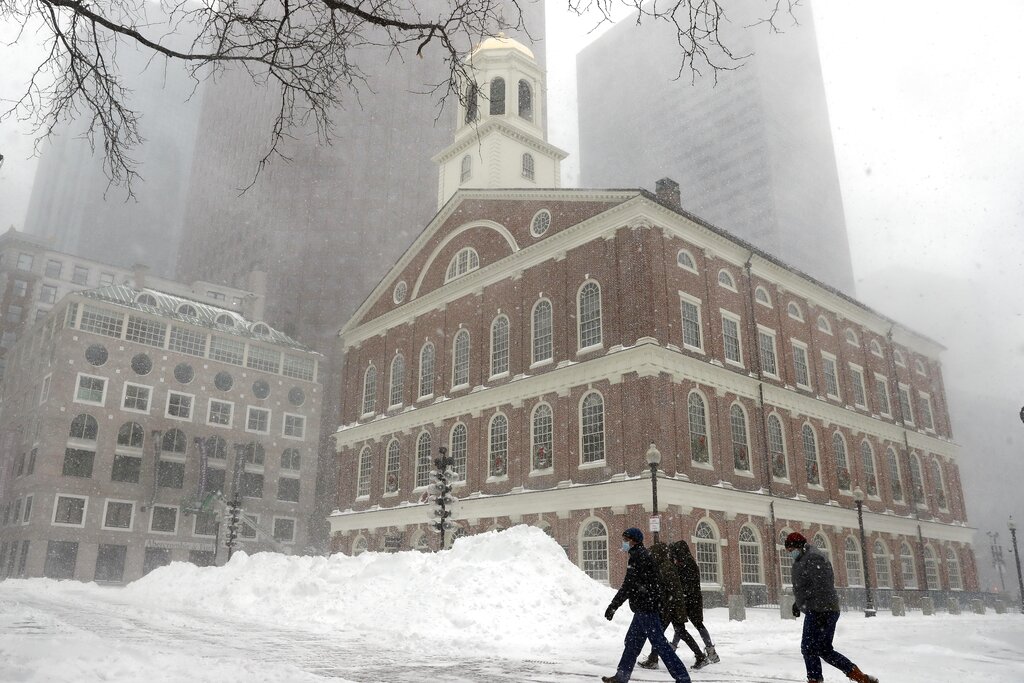
- Freedom Trail: Imagine walking the historic Freedom Trail, with red brick buildings dusted in white, and monuments like the Old State House standing stark against a winter sky. It’s a quieter, more contemplative experience, perfect for history buffs.
- Boston Common & Public Garden: These central parks are transformed into a true winter wonderland. The famous Swan Boats in the Public Garden pond are replaced by ice skaters on the Frog Pond in Boston Common, creating a classic Boston winter scene.
- Beacon Hill: The picturesque gas lamps and cobblestone streets of Beacon Hill become even more charming and postcard-perfect with a fresh blanket of snow, making for incredible photo opportunities.
- Charles River Esplanade: A walk along the frozen Charles River offers stunning views of the city skyline, often shrouded in a soft, snowy haze.
- Faneuil Hall Marketplace & Quincy Market: While primarily bustling indoors, the outdoor areas are often decorated for the holidays and remain vibrant, offering a cozy contrast to the winter chill.
Outdoor Winter Experiences
Beyond sightseeing, Boston offers several engaging outdoor winter activities:
- Ice Skating on Frog Pond: Located in Boston Common, the Frog Pond transforms into a popular ice skating rink from November to March, offering skate rentals and a charming atmosphere.
- Cross-Country Skiing/Snowshoeing: For adventurous travelers, some parks outside the immediate city center, and even parts of the Emerald Necklace (a chain of parks designed by Frederick Law Olmsted), offer opportunities for cross-country skiing or snowshoeing after significant snowfall.
- Winter Walks: Simply bundling up and taking a leisurely stroll through neighborhoods like Back Bay or the North End can be a delightful experience, with historical architecture accentuated by the snow.
Cozy Indoor Retreats and Cultural Gems
When the chill gets too intense, Boston’s world-class indoor attractions provide warmth, comfort, and rich cultural experiences:
- Museums:
- Museum of Fine Arts (MFA): Home to vast collections from ancient to contemporary art.
- Isabella Stewart Gardner Museum: A unique Venetian-palace style museum with a stunning interior courtyard, perfect for a cold day.
- Museum of Science: Engaging for all ages, with interactive exhibits.
- New England Aquarium: Explore marine life in comfort.
- USS Constitution Museum: Delve into naval history in Charlestown.
- Shopping: From high-end boutiques on Newbury Street to the diverse shops within Copley Square and the Prudential Center, retail therapy is a great way to escape the cold.
- Culinary Scene: Boston’s vibrant restaurant scene, particularly in the North End for Italian food or the Seaport District for modern cuisine, offers warm, inviting spaces to savor delicious meals and hot beverages.
- Sports & Entertainment: Catch a Bruins or Celtics game at the TD Garden, or enjoy a performance at one of Boston’s historic theaters.
- Cafes & Bookstores: Cozy up in one of Boston’s many independent coffee shops or bookstores, perhaps with a hot chocolate and a good read.
A snowy Boston is a canvas for diverse experiences, blending the beauty of winter with the richness of urban culture.
Planning Your Snowy Boston Escape
A successful winter trip to Boston hinges on thoughtful planning, from timing your visit to ensuring your comfort and safety. With the right preparation, a snowy visit can be an exhilarating and memorable experience.
Best Time to Visit for a Snowy Experience
For travelers specifically seeking a snowy ambiance, the period from mid-January to late February offers the highest probability of significant snowfall. During these weeks, the city is usually fully embraced by winter, often experiencing multiple snow events. While December can bring festive decorations and occasional snow, it’s generally lighter and less consistent. Early March can also see snow, but the longer days and rising temperatures mean it typically doesn’t linger as long. If you want the classic “winter wonderland” feel, complete with ice skating and snow-dusted landmarks, focus your travel plans on the heart of winter. Be prepared for colder temperatures, often hovering around or below freezing, and the potential for storm-related travel adjustments.
Booking Accommodations and Flights
- Accommodations: Boston’s hotel prices can fluctuate, but winter (outside of holiday weekends or major conventions) often sees more favorable rates than peak tourist seasons. Book your accommodation well in advance, especially if your trip coincides with a specific event or if you’re traveling during the school holiday periods around Christmas and New Year’s. Consider hotels within walking distance of MBTA subway stations for easy transit, regardless of the weather. Hotels in areas like Back Bay, Downtown, and the Seaport offer good access to attractions and amenities.
- Flights: When booking flights to Logan International Airport, consider purchasing travel insurance, especially if you’re traveling during the peak snow months. This can protect your investment in case of weather-related delays or cancellations. Look for airlines with flexible change policies. Booking early can sometimes secure better rates, but last-minute deals can also appear if you have flexibility.
Safety Tips for Winter Visitors
Ensuring your safety and comfort in a snowy environment is paramount:
- Dress Appropriately: As mentioned earlier, layers, waterproof outer gear, and sturdy, waterproof boots with good traction are essential. Frostbite and hypothermia are risks in extreme cold, so never underestimate the weather.
- Watch Your Step: Snow and ice can make sidewalks and streets very slippery. Walk slowly, watch for black ice (which is nearly invisible), and use handrails when available. Consider boots with anti-slip soles.
- Stay Hydrated and Warm: Drink plenty of water (even if you don’t feel thirsty) and warm beverages like tea or coffee. Pop into cafes, museums, or shops regularly to warm up.
- Be Aware of Snow Piles: Snow removal can create large snow piles at corners and along sidewalks, which can obscure visibility for drivers and pedestrians. Be extra cautious when crossing streets.
- Public Transit over Driving: Rely on the MBTA as much as possible. If renting a car, ensure it has winter tires or is an all-wheel-drive vehicle, and be experienced in driving on snow and ice.
- Emergency Preparedness: Carry a fully charged phone. Know the location of the nearest urgent care or hospital. Inform someone of your travel plans if you’re exploring alone.
- Flexibility is Key: Weather can be unpredictable. Be prepared for potential changes to your itinerary due to snowstorms. Embrace the unexpected; sometimes the quietest, snowiest days offer the most serene Boston experiences.
By keeping these planning and safety tips in mind, your snowy Boston adventure can be as smooth and delightful as it is picturesque.
Conclusion
Boston’s winter landscape, often adorned with a significant blanket of snow, offers a truly distinctive travel experience. Averaging around 43 inches annually, with the heaviest falls typically occurring in January and February, the city transforms into a quintessential New England wonderland. While snow brings with it practical considerations for transportation and requires thoughtful packing, these challenges are easily overcome with preparation and a flexible mindset.
Embracing the snow opens up a plethora of unique activities, from ice skating on Frog Pond and serene walks through historic Beacon Hill to exploring world-class indoor attractions like the Museum of Fine Arts or indulging in the city’s cozy culinary scene. For the traveler seeking charm, history, and a touch of seasonal magic, a snowy visit to Boston is unparalleled. With proper planning, warm attire, and an open mind, you’ll discover that Boston in winter is not just a destination but an unforgettable experience, painted white with history and vibrant life.
LifeOutOfTheBox is a participant in the Amazon Services LLC Associates Program, an affiliate advertising program designed to provide a means for sites to earn advertising fees by advertising and linking to Amazon.com. Amazon, the Amazon logo, AmazonSupply, and the AmazonSupply logo are trademarks of Amazon.com, Inc. or its affiliates. As an Amazon Associate we earn affiliate commissions from qualifying purchases.