
The vast expanse of the United States offers a compelling tapestry of landscapes, cultures, and urban centers, each with its unique allure. When contemplating a journey between two major metropolitan hubs like Chicago, Illinois, and Dallas, Texas, the initial question that often arises is about the distance. Beyond a simple number, understanding the journey between these two dynamic cities involves delving into geography, travel logistics, and the diverse experiences that await. This article will serve as your comprehensive guide to bridging the gap between the Midwest and the Lone Star State, offering insights into distances, travel methods, and what to expect along the way.
The Geographical Reality: Bridging the Heartland and the Lone Star State
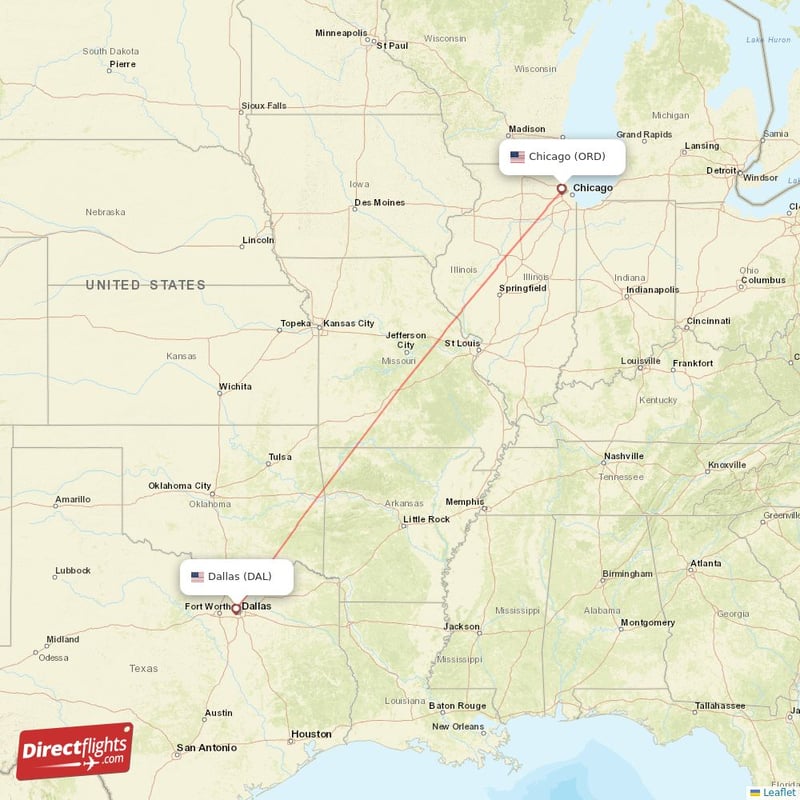
The journey from Chicago to Dallas spans a significant portion of the North American continent, connecting the industrial heartland with the vibrant Southern United States. Understanding this geographical context is crucial for appreciating the scope of your travel.
Straight-Line vs. Practical Driving Distance
When discussing distance, it’s important to distinguish between the straight-line (as the crow flies) distance and the practical driving distance. The straight-line distance between Chicago and Dallas is approximately 800-810 miles (around 1,290-1,300 kilometers). This figure is primarily relevant for air travel, which minimizes detours.
For those planning to drive, the reality is a bit different. Road networks, terrain, and state borders necessitate a longer path. The typical driving distance between the two cities ranges from 930 to 950 miles (approximately 1,500-1,530 kilometers), depending on the specific route taken and any chosen detours. This translates to an estimated driving time of 14 to 16 hours without significant stops, though a more realistic journey often spans two days, allowing for rest and breaks.
Understanding the Midwestern and Southern Divide
The route from Chicago to Dallas takes travelers through a diverse array of states, each offering a glimpse into the regional differences of the United States. Leaving Illinois, drivers typically traverse Missouri, Oklahoma, and then into Texas. Some routes might briefly clip parts of Arkansas or Kansas, showcasing the transition from the rolling farmlands of the Midwest to the more arid landscapes and sprawling plains of the Southwest. This journey is more than just covering miles; it’s an experience of cultural and environmental shifts, from the deep historical roots of the Mississippi River region to the distinct Southern hospitality that greets you in Texas.
Navigating the Journey: Popular Travel Methods
With a significant distance separating Chicago and Dallas, travelers have several viable options, each offering different advantages in terms of speed, cost, and experience.
Taking to the Skies: Air Travel
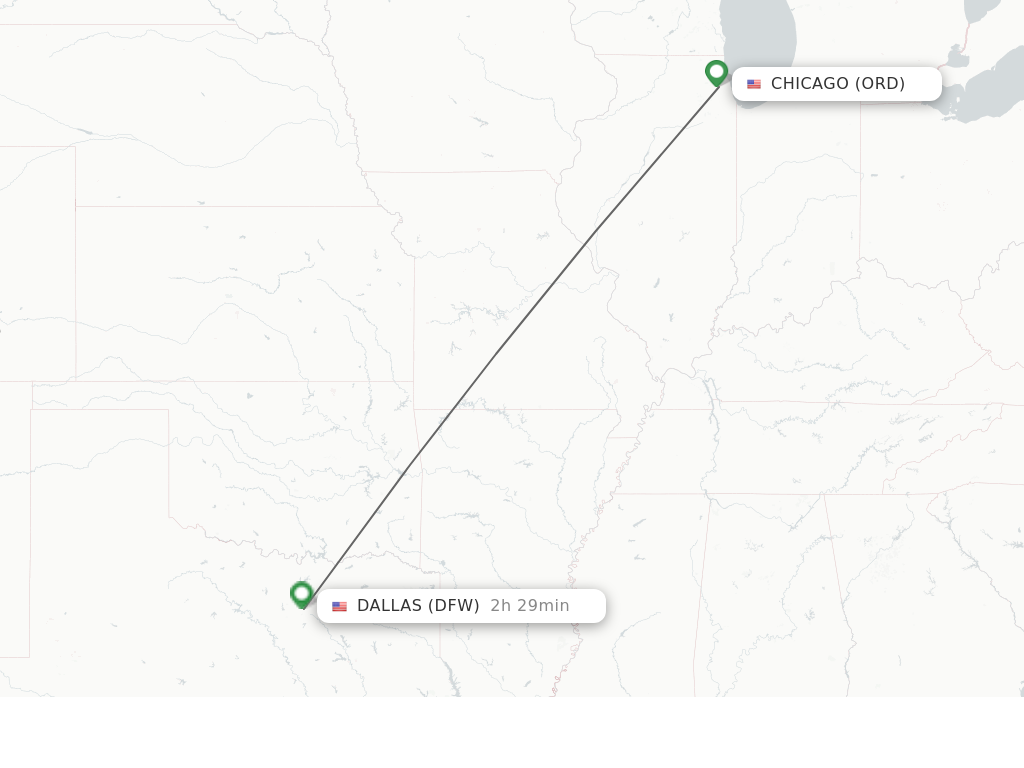
For most business travelers and those with limited time, flying is the most efficient way to travel between Chicago and Dallas. Direct flights typically take around 2 hours and 30 minutes to 3 hours.
Chicago is served by two major airports: O’Hare International Airport (ORD) and Midway International Airport (MDW). Dallas also has two primary airports: Dallas/Fort Worth International Airport (DFW) and Dallas Love Field (DAL). Major airlines like American Airlines, United Airlines, and Southwest Airlines offer frequent direct services between these city pairs, making connections relatively seamless. When choosing flights, consider factors like airport accessibility, baggage policies, and the overall cost, which can fluctuate based on booking time and season.
The Open Road: Driving Between Cities
Driving offers flexibility and the opportunity to experience the changing landscapes between the Midwest and Texas. As mentioned, the drive is approximately 930-950 miles, taking 14-16 hours of pure driving time. Most travelers choose to break this journey into two days.
Popular routes generally involve a combination of major interstates:
- Interstate 55 (I-55) South from Chicago through Missouri.
- Connecting to Interstate 44 (I-44) West through Oklahoma.
- Finally, Interstate 35 (I-35) South into Dallas.
This route offers several potential stopover cities, such as St. Louis, Missouri, or Oklahoma City, Oklahoma, allowing travelers to rest, refuel, and perhaps explore a local attraction. Driving also means factoring in fuel costs, potential tolls, and vehicle wear and tear.
Rail and Bus: Alternative Routes
For those who prefer not to fly or drive, train and bus services provide economical and often more leisurely alternatives.
Amtrak, the national passenger rail system, offers routes that connect Chicago to Dallas, though usually not directly. A typical journey might involve a transfer, often in St. Louis or Kansas City, and can take anywhere from 24 to 30 hours, depending on connections. While slower, train travel offers comfort, scenic views, and the ability to move around during the journey.
Bus services, primarily through Greyhound, also connect the two cities. These journeys are generally the most budget-friendly but are also the longest, often exceeding 20 hours with multiple stops and transfers. They provide a practical option for travelers focused on cost efficiency.

Preparing for Your Trip: What to Consider
Regardless of your chosen mode of transport, a well-planned trip enhances the overall experience and ensures a smoother journey.
Best Time to Travel
The weather between Chicago and Dallas can vary significantly across seasons.
- Spring (March-May) and Fall (September-November) are generally considered the most pleasant times to travel, offering mild temperatures and beautiful scenery, especially for drivers. However, spring in the Midwest and Southern Plains can bring severe weather, including thunderstorms and tornadoes, so monitoring forecasts is crucial.
- Summer (June-August) means hot and humid conditions, particularly as you approach Texas. Air travel might be affected by summer storms, and driving requires constant air conditioning and hydration.
- Winter (December-February) can bring snow and ice to Illinois and Missouri, potentially causing delays for both air and road travel. Texas experiences milder winters but can still encounter “blue northers,” sudden cold snaps.
Essential Packing Tips
Packing smart is key for a long journey. Consider the duration of your trip, the weather at your destination, and any activities you plan to undertake.
- For flights: Stick to airline baggage limits to avoid extra fees. Pack essentials in your carry-on.
- For driving: Bring snacks, drinks, a first-aid kit, and entertainment. Ensure your vehicle is in good condition, and consider a roadside assistance plan. A physical map or offline GPS can be a lifesaver in areas with poor cell service.
- General: Layered clothing is often best, especially when transitioning between climates. Don’t forget chargers for electronics, identification, and any necessary medications.
Mid-Journey Stopovers and Scenic Routes (for Driving)
Breaking up the drive can turn a long haul into an enjoyable road trip.
- St. Louis, Missouri: Home to the iconic Gateway Arch, it’s a natural halfway point for many. Explore its vibrant music scene or historical sites.
- Oklahoma City, Oklahoma: Offers insights into the American West with attractions like the National Cowboy & Western Heritage Museum and the Oklahoma City National Memorial & Museum.
- Historic Route 66: While the main interstates are faster, segments of the legendary Route 66 can be accessed for a nostalgic detour, particularly in Missouri and Oklahoma, offering charming small towns and quirky roadside attractions.
A Tale of Two Cities: Brief Overviews for Travelers
Understanding the destination can enrich the journey, offering motivation and a sense of what awaits. Both Chicago and Dallas are major cities with distinct personalities and attractions.
Exploring the Windy City: Chicago’s Allure
Chicago, often called the “Windy City,” is a global hub for finance, culture, and architecture. Its stunning skyline is punctuated by landmarks like the Willis Tower and boasts world-class museums such as the Art Institute of Chicago. Travelers can explore Millennium Park with its famous “Bean” sculpture, stroll along the upscale Magnificent Mile for shopping, or delve into its legendary jazz and blues scene. Its deep-dish pizza is a culinary experience not to be missed.
Discovering the Big D: Dallas’s Charm
Dallas, a jewel of North Texas, is a sprawling metropolis known for its modern architecture, burgeoning arts scene, and rich historical significance. Visitors can explore the Dallas Arts District, home to the Dallas Museum of Art and the Nasher Sculpture Center. The Sixth Floor Museum at Dealey Plaza offers a poignant look into American history. For entertainment, the vibrant Deep Ellum neighborhood offers live music and eclectic dining, while Klyde Warren Park provides an urban oasis. Dallas also boasts a fantastic culinary scene, particularly renowned for its Tex-Mex and barbecue.
Making the Most of Your Journey
Deciding how to travel between Chicago and Dallas ultimately comes down to a balance of factors unique to each traveler.
Cost-Benefit Analysis of Travel Options
- Air Travel: Fastest, but often highest cost, especially when factoring in airport transfers and potential baggage fees. Best for short trips or when time is critical.
- Driving: Offers flexibility and the potential for scenic detours. Cost-effective for groups or those transporting a lot of luggage, but requires significant time commitment, fuel expenses, and potential overnight stays.
- Rail/Bus: Most economical for solo travelers on a budget. Longest travel times, but comfortable for those who enjoy the journey and don’t mind the slower pace.
Evaluate your budget, time constraints, and preferences for comfort and convenience to determine the best fit for your trip.
Safety and Comfort Considerations
No matter how you choose to travel, prioritizing safety and comfort is paramount.
- Flights: Book reputable airlines, arrive early, and be aware of security protocols. Consider seat selection for comfort on longer flights.
- Driving: Ensure your vehicle is well-maintained. Plan your route in advance, inform others of your itinerary, and take regular breaks to avoid fatigue. Be mindful of changing weather conditions and road construction.
- Rail/Bus: Choose reputable companies. Keep valuables secure and be aware of your surroundings, especially during stops or transfers.
The distance from Chicago to Dallas is significant, but the journey itself can be as rewarding as the destination. Whether you’re soaring above the clouds, navigating the open road, or enjoying the rhythm of rail travel, understanding the logistics and embracing the adventure will ensure a memorable experience bridging two of America’s great cities.
LifeOutOfTheBox is a participant in the Amazon Services LLC Associates Program, an affiliate advertising program designed to provide a means for sites to earn advertising fees by advertising and linking to Amazon.com. Amazon, the Amazon logo, AmazonSupply, and the AmazonSupply logo are trademarks of Amazon.com, Inc. or its affiliates. As an Amazon Associate we earn affiliate commissions from qualifying purchases.