
Embarking on a journey from the bustling metropolis of Chicago, Illinois, to the historic shores of Maryland on the East Coast presents a quintessential American travel experience. Whether you’re planning a relocation, a business trip, or a leisurely vacation, understanding the geographical span, available transportation methods, and critical planning considerations is paramount. This comprehensive guide delves into the logistics of traversing the significant distance between these two distinct regions, offering insights to help you prepare for a smooth and enjoyable journey.
The Geographic Span: Understanding the Distance
The distance between Chicago and Maryland is substantial, linking the heart of the Midwest to the Mid-Atlantic region. This journey isn’t just about covering miles; it’s about crossing state lines, diverse landscapes, and varying time zones, all of which contribute to the travel experience.

Straight-Line vs. Driving Distance
When discussing distance, it’s crucial to distinguish between a straight-line (as the crow flies) measurement and the actual driving distance. The straight-line distance typically serves as a baseline for air travel, while road travel involves navigating existing highway networks.
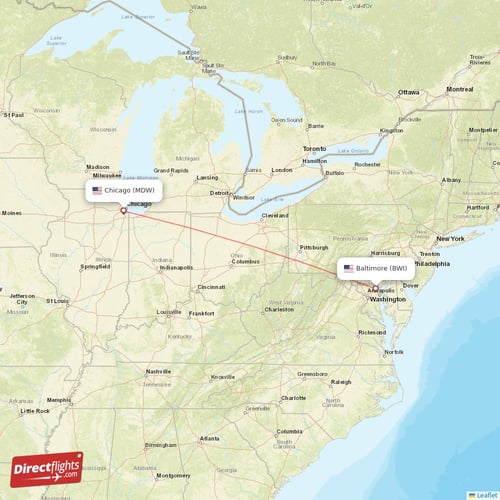
The air distance from Chicago to a central point in Maryland, such as Baltimore, is approximately 600 to 650 miles (around 965 to 1046 kilometers). This direct measurement is significantly shorter than the route a vehicle would take due to the winding nature of roads and the geographical features that must be circumvented.
For those opting to drive, the journey typically covers between 700 to 750 miles (approximately 1126 to 1207 kilometers), depending on the specific origin and destination points within each state and the chosen route. This translates to an estimated driving time of 11 to 13 hours without significant stops for rest, meals, or sightseeing. Travelers should always account for potential traffic delays, especially when passing through major metropolitan areas or during peak travel seasons.
Key Cities for Reference
To provide a clearer picture, let’s consider specific cities within Maryland as destination points from Chicago:
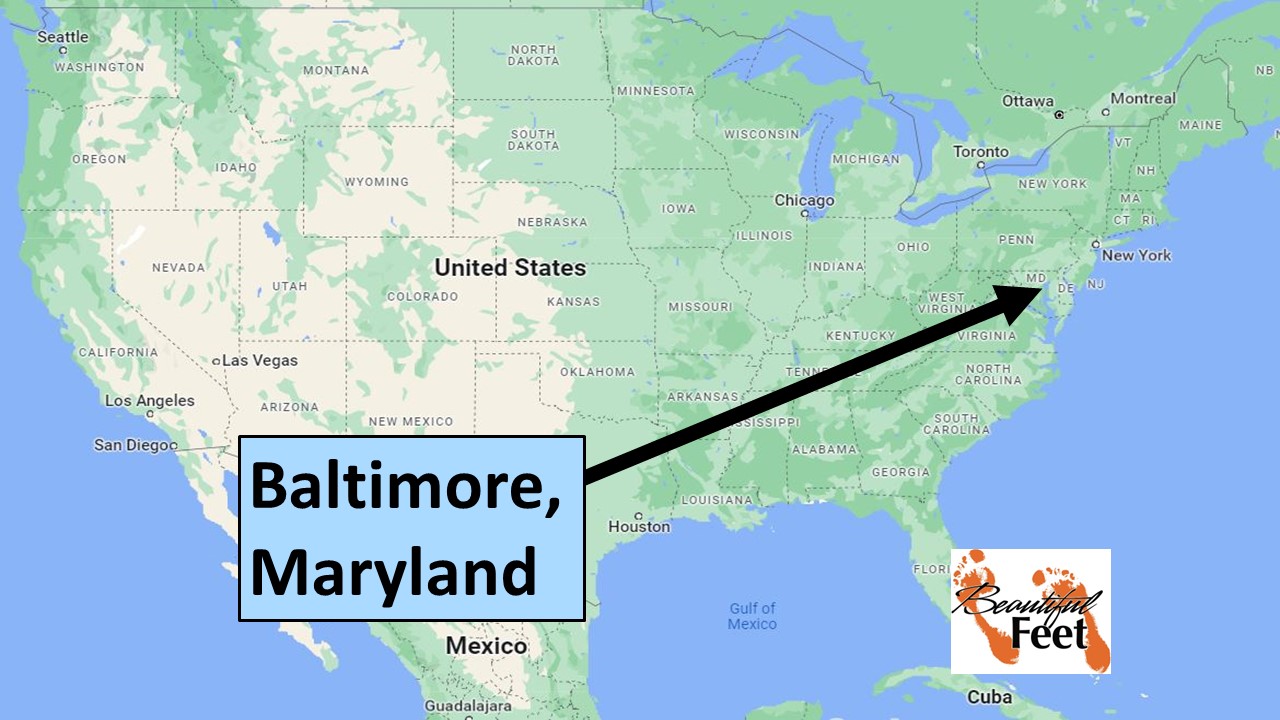
- From Chicago to Baltimore: Baltimore is Maryland’s largest city and a major port. The driving route often takes travelers through Indiana, Ohio, and Pennsylvania. A common route involves Interstate 80 East, then connecting to Interstate 70 East, which leads directly to Baltimore. This path offers a relatively straightforward journey, though it includes crossing the Appalachian Mountains in Pennsylvania, which can present varied terrain and weather conditions.
- From Chicago to Washington D.C. (adjacent to Maryland): While Washington D.C. is not in Maryland, it is a frequent destination for travelers heading to the region, situated right on the Maryland border. The distance and travel time are very similar to that of Baltimore, often utilizing the same major interstates.
- From Chicago to Ocean City (Maryland’s eastern shore): Traveling to the popular coastal destination of Ocean City would add another 150 miles or so to the journey from Baltimore, pushing the total driving time past 15 hours. This specific route would involve crossing the Chesapeake Bay via bridge-tunnel or bridge, depending on the exact path.
Understanding these key reference points helps in accurately gauging the required travel time and effort, allowing for more precise planning tailored to your specific destination within Maryland.
Navigating the Journey: Modes of Transportation
Choosing the right mode of transportation is critical for a long-distance trip between Chicago and Maryland. Each option offers a unique balance of speed, cost, convenience, and experience.
Flying: The Fastest Route
For those prioritizing speed, flying is unequivocally the quickest way to travel from Chicago to Maryland. Direct flights typically take approximately 1 hour and 30 minutes to 2 hours.
- Airports: Travelers departing from Chicago typically use O’Hare International Airport (ORD) or Midway International Airport (MDW). Both offer numerous daily flights to Baltimore/Washington International Thurgood Marshall Airport (BWI), Maryland’s primary international airport, which is conveniently located between Baltimore and Washington D.C.
- Considerations: While the flight itself is short, travelers must factor in time for commuting to and from airports, security checks, boarding, and baggage claim. This can easily add 3-4 hours to the total travel time, bringing the door-to-door journey to roughly 5-6 hours. Airfares can vary significantly based on booking time, airline, and season, so comparing options and booking in advance is advisable. Despite the ancillary time, flying remains the most time-efficient option for this route.
Driving: An American Road Trip
Driving offers flexibility, the freedom to explore, and the ability to carry more luggage. It also provides the quintessential American road trip experience, with opportunities to discover towns and landscapes along the way.
- Primary Routes: The most common driving route from Chicago to Maryland generally involves heading east. A popular path follows Interstate 80 through Indiana and Ohio, then connecting to Interstate 70 East through Pennsylvania and into Maryland. Another alternative might involve Interstate 65 South from Chicago before connecting to eastbound interstates.
- Journey Time: As mentioned, a continuous drive without significant stops would take 11 to 13 hours. However, for safety and comfort, it’s highly recommended to break this journey into two days, with an overnight stop. Popular cities for a stopover include Pittsburgh or Cleveland, offering a chance to rest and perhaps explore.
- Costs: Driving costs include fuel, potential tolls (especially prominent in Pennsylvania and Ohio), and accommodation if making an overnight stop. These costs can be offset by traveling with companions, sharing expenses.
Rail and Bus: Scenic and Economical Options
For travelers seeking an alternative to flying or driving, long-distance rail and bus services provide economical and often more relaxed travel experiences.
- Train ( Amtrak ): Amtrak offers routes connecting Chicago Union Station to cities in Maryland, such as Baltimore ( Baltimore Penn Station ). While typically slower than flying (journeys can range from 15 to 20 hours, often involving transfers), train travel offers comfortable seating, dining cars, and scenic views of the American landscape, particularly as you traverse the Allegheny Mountains in Pennsylvania. It’s an excellent option for those who prefer not to drive and enjoy a more leisurely pace.
- Bus (e.g., Greyhound ): Intercity bus services like Greyhound provide the most budget-friendly option. Direct bus routes from Chicago to Baltimore can take anywhere from 14 to 18 hours, depending on the number of stops and transfers. While less comfortable than train travel, bus services are a viable choice for cost-conscious travelers who have flexible schedules.
Planning Your Trip: Essential Considerations
Regardless of the chosen mode of transport, thorough planning is essential for a stress-free journey from Chicago to Maryland.
Cost Analysis: Budgeting for Your Travel
Travel costs can fluctuate dramatically based on your chosen method, timing, and personal preferences.
- Flights: Airfares can range from $100 to $400 or more for a one-way ticket, depending on the season, airline, and how far in advance you book. Don’t forget to factor in potential baggage fees and airport transfers.
- Driving: Calculate fuel costs based on your vehicle’s MPG and current gas prices. Budget for tolls (which can be substantial on some East Coast routes), an overnight stay if splitting the drive, and wear and tear on your vehicle. For a 700-mile journey, expect fuel costs alone to be in the range of $80-$150, plus tolls easily adding another $30-$50.
- Train/Bus: Train tickets can range from $70 to $200+, with sleeper car options costing significantly more. Bus tickets are typically the cheapest, often available for $50 to $100, especially if booked in advance.
Comparing these costs against the value of your time and desired comfort level will guide your decision.
Time Management: Optimizing Your Schedule
Beyond the actual travel duration, consider the total time investment required for your journey.
- Flexibility: If your schedule allows for flexibility, traveling during off-peak days (mid-week) or seasons can often result in lower costs and less crowded conditions for all modes of transport.
- Preparation Time: Factor in time for packing, pre-trip errands, and preparing your vehicle if driving. For flights, arriving at the airport well in advance is crucial.
- Breaks: If driving, plan for regular breaks every 2-3 hours to stretch, refuel, and re-energize. For longer trips, scheduling an overnight stop is not just a convenience but a safety measure.
Packing and Preparation: What to Bring
Smart packing and preparation can significantly enhance your travel experience.
- Essentials: Always have your identification, booking confirmations, and any necessary medications readily accessible.
- Comfort: For long journeys, comfortable clothing, neck pillows, and entertainment (books, headphones, fully charged devices) are invaluable.
- Road Trip Specifics: If driving, ensure your vehicle is in good condition, check tire pressure and fluid levels, and have an emergency kit. Snacks, drinks, and a portable charger are also highly recommended.
- Weather: Check the weather forecast for both Chicago and your destination in Maryland, as well as along your route, especially if traveling during seasons prone to extreme weather (winter snow, summer storms).
Beyond the Miles: Exploring What Awaits
While the focus of this guide is on the journey, it’s worth briefly touching upon what awaits you at your destination, making the travel itself an anticipation of discovery.
Maryland’s Allure: From Chesapeake Bay to Urban Charms
Upon arrival in Maryland, travelers are greeted by a state rich in history, diverse landscapes, and vibrant culture. From the historic harbors of Baltimore with its renowned Inner Harbor and National Aquarium, to the stunning natural beauty of the Chesapeake Bay, there’s a wide array of experiences. Visitors can explore colonial towns like Annapolis, hike through the Appalachian Mountains in the western part of the state, or relax on the sandy beaches of Ocean City. The state’s proximity to Washington D.C. also makes it an excellent base for exploring national monuments and museums.
Chicago’s Grandeur: A Midwest Metropolis
For those traveling to Chicago from Maryland, the destination promises an equally captivating experience. Chicago, situated on the shores of Lake Michigan, is celebrated for its groundbreaking architecture, world-class museums like the Art Institute of Chicago, and a thriving culinary scene. The city’s vibrant neighborhoods, iconic landmarks such as Millennium Park and the Willis Tower, and its deep-rooted jazz and blues heritage offer endless opportunities for exploration and enjoyment.
Ultimately, the journey between Chicago and Maryland is more than just a matter of distance; it’s an opportunity for discovery, planning, and adapting to the diverse landscapes and travel options available across the United States. By carefully considering the geographic span, transportation methods, and essential planning aspects, travelers can ensure a well-prepared and fulfilling experience, no matter their ultimate destination.
LifeOutOfTheBox is a participant in the Amazon Services LLC Associates Program, an affiliate advertising program designed to provide a means for sites to earn advertising fees by advertising and linking to Amazon.com. Amazon, the Amazon logo, AmazonSupply, and the AmazonSupply logo are trademarks of Amazon.com, Inc. or its affiliates. As an Amazon Associate we earn affiliate commissions from qualifying purchases.