
Phoenix, Arizona, often referred to as the Valley of the Sun, is a destination renowned for its year-round sunshine and strikingly warm temperatures. For any prospective traveler, understanding the meteorological nuances of this vibrant desert city is paramount to planning an enjoyable and successful trip. Far from being a mere footnote in a travel guide, Phoenix’s weather dictates everything from the optimal time to visit to the type of activities one can comfortably pursue. This guide delves into the specifics of Phoenix’s unique climate, offering insights to help you prepare for whatever the Sonoran Desert has in store.
Understanding Phoenix’s Desert Climate
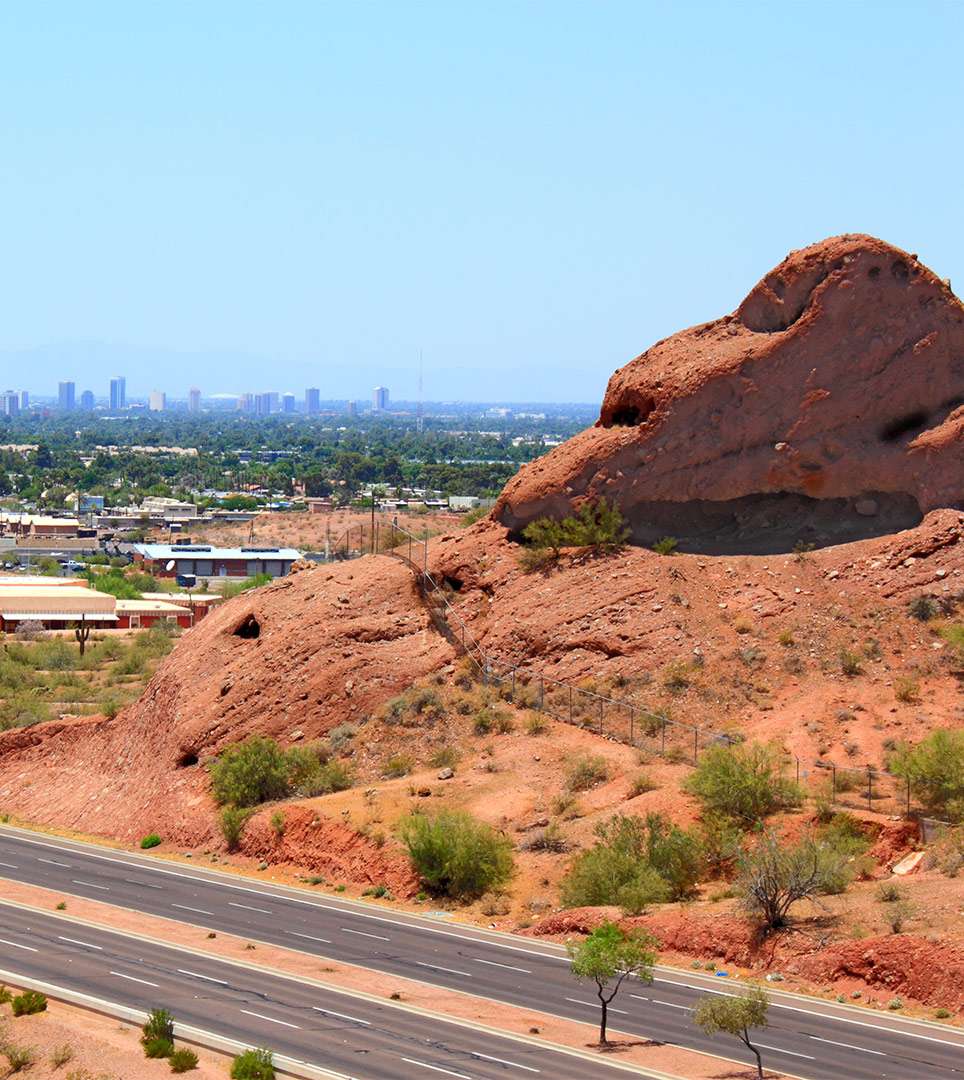
At the heart of Phoenix’s weather patterns is its location within the Sonoran Desert, one of the hottest and largest deserts in North America. This geographical positioning bestows upon the city a distinctive arid climate characterized by extremely hot summers, mild winters, and very low humidity for most of the year.
The Sonoran Desert Influence
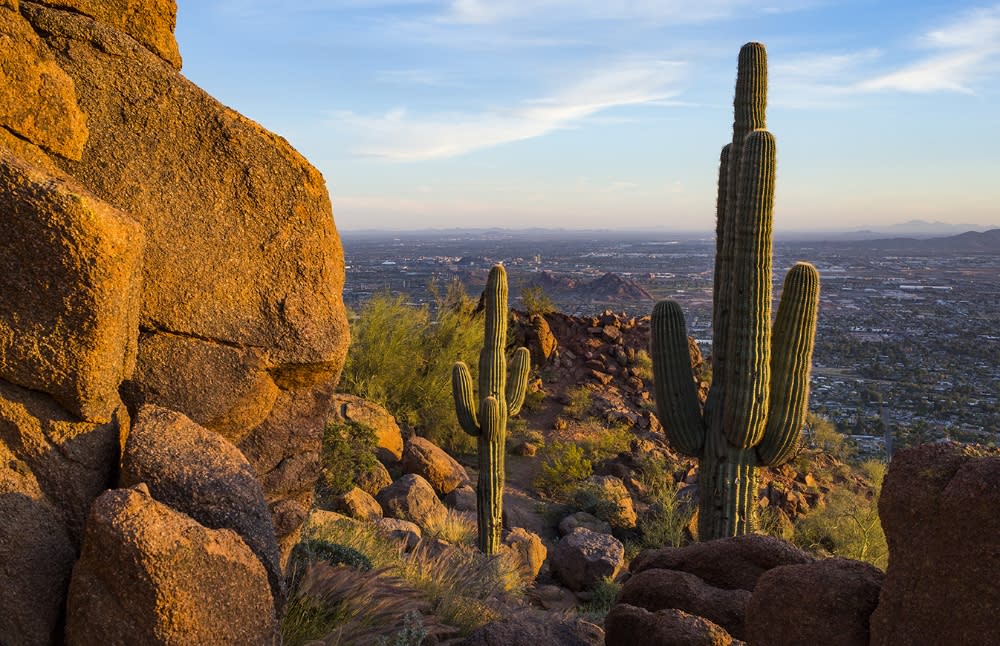
The Sonoran Desert plays a pivotal role in shaping Phoenix’s climate. Unlike many other deserts, the Sonoran Desert receives two distinct rainy seasons annually: a gentle winter rain and a more dramatic summer monsoon. However, despite these rainfalls, the overall environment remains arid, leading to significant temperature fluctuations between day and night, especially during the cooler months. The desert landscape also means abundant sunshine, with Phoenix boasting over 300 sunny days a year, making it a reliable destination for those seeking warmth and clear skies.
Arid Conditions and Low Humidity
For much of the year, Phoenix experiences very low humidity. This is a crucial factor for visitors, as dry heat feels significantly different from humid heat. While summer temperatures can soar well above 100°F (38°C), the lack of moisture in the air often makes it feel more tolerable than similar temperatures in humid climates. However, low humidity also means a higher risk of dehydration and sunburn, necessitating extra precautions for travelers. The arid conditions contribute to clear skies and brilliant sunsets, adding to the city’s allure as a picturesque destination.
A Seasonal Breakdown: When to Visit
The best time to visit Phoenix largely depends on your tolerance for heat and the type of activities you wish to undertake. Each season offers a distinct experience, from bustling outdoor festivals in winter to quieter, indoor-focused adventures in the summer.
Scorching Summers: June to September
Summer in Phoenix is synonymous with intense heat. From June through September, daily high temperatures routinely exceed 100°F (38°C), often climbing to 110°F (43°C) or even higher in July and August. Overnight lows typically remain in the 80s°F (27-32°C). While the dry heat can be deceptively comfortable for some, it demands respect. Outdoor activities during midday are generally not recommended due to the risk of heatstroke. However, early mornings and late evenings can still offer opportunities for enjoying the outdoors, albeit with caution. This period also marks the arrival of the monsoon season, typically from July to mid-September, bringing sudden, intense thunderstorms and a temporary increase in humidity, often resulting in spectacular lightning displays and flash floods. Despite the heat, summer can be an economical time to visit, with lower accommodation rates and fewer crowds at popular attractions like the Desert Botanical Garden or Frank Lloyd Wright’s Taliesin West, provided you plan your activities around the peak heat.
Delightful Winters: November to February
Winter is arguably the most popular time to visit Phoenix, and for good reason. From November to February, the weather is simply idyllic. Daytime temperatures average a comfortable 60°F to 70°F (15-21°C), with abundant sunshine and cool, crisp evenings dropping into the 40s°F (4-9°C). This period is perfect for hiking, golfing, cycling, and exploring outdoor attractions such as Papago Park, Camelback Mountain, or South Mountain Park and Preserve. It’s also prime time for major events, spring training baseball, and outdoor festivals, attracting visitors from colder climates seeking a warm escape. Accommodation prices and crowds are at their peak during these months, so booking well in advance is advisable.
Pleasant Shoulder Seasons: Spring and Fall
The shoulder seasons—March to May (spring) and October (fall)—offer a fantastic balance of pleasant weather and slightly fewer crowds than the peak winter months. Spring brings blooming wildflowers to the desert landscape and consistently warm, sunny days with temperatures typically ranging from 70°F to 90°F (21-32°C). This is an excellent time for all types of outdoor activities, including a visit to the Heard Museum or a stroll through Old Town Scottsdale. October, following the intense summer heat and monsoons, transitions back to comfortable temperatures, often in the 80s°F (27-32°C), making it another ideal time for outdoor exploration and enjoying patio dining. Both spring and fall offer a vibrant atmosphere with numerous events and pleasant conditions for exploring the diverse offerings of Phoenix and its surrounding communities like Scottsdale, Tempe, and Mesa.
Navigating Phoenix’s Heat: Tips for Travelers
Regardless of when you visit, understanding how to manage the heat is crucial for a comfortable and safe trip to Phoenix. Even during milder seasons, the desert sun can be intense.
Hydration and Sun Protection
Staying hydrated is non-negotiable in Phoenix. Carry a reusable water bottle and drink water frequently, even if you don’t feel thirsty. Electrolyte drinks can also be beneficial, especially if you’re engaging in physical activity. Sun protection is equally vital. Always apply broad-spectrum sunscreen with a high SPF, wear a wide-brimmed hat, and sunglasses. Lightweight, light-colored clothing that covers your skin can also offer significant protection from the sun’s powerful UV rays. Seek shade whenever possible, particularly during the hottest parts of the day.
Planning Outdoor Activities Wisely
For those visiting during the hotter months, strategic planning of outdoor activities is key. Schedule hikes, bike rides, or visits to outdoor attractions like the Phoenix Zoo for early mornings or late evenings. Many trails and parks will be less crowded and significantly cooler before 9 AM or after 5 PM. If you must be outdoors during midday, limit your exposure, take frequent breaks in shaded areas, and listen to your body’s signals for overheating. Always inform someone of your plans if venturing onto remote trails. In the cooler months, outdoor activities can be enjoyed throughout the day, but sun protection remains essential.
Embracing Indoor Attractions
Phoenix offers a wealth of indoor attractions that provide a welcome respite from the heat while offering rich cultural and entertainment experiences. Consider exploring world-class museums such as the Musical Instrument Museum (MIM), the Arizona Science Center, or the Phoenix Art Museum. Shopping centers, casinos, and entertainment venues in Glendale and other surrounding cities also offer air-conditioned comfort. For those interested in higher education, a visit to the campus of Arizona State University in Tempe can also offer a stimulating indoor experience. Don’t forget the numerous spas and resorts that offer luxurious indoor relaxation.
Monsoon Season: A Brief Interlude
While Phoenix is primarily known for its arid conditions, the summer monsoon season offers a dramatic, albeit temporary, change in weather patterns.
When to Expect the Monsoons
The North American Monsoon, often referred to simply as “the monsoon,” typically runs from mid-June through September. During this period, shifts in atmospheric pressure draw moisture from the Gulf of California and the Pacific Ocean into Arizona. This results in an increase in humidity and the development of intense, but often brief, thunderstorms. These storms can bring heavy rain, strong winds, dust storms (haboobs), and spectacular lightning displays. While they offer a dramatic weather show, they are usually short-lived, with skies often clearing shortly after.
Safety and Preparedness
If visiting during monsoon season, it’s wise to stay informed about weather forecasts. Flash floods can occur rapidly in washes and low-lying areas, making it crucial to “turn around, don’t drown” if you encounter flooded roads. Strong winds from dust storms can significantly reduce visibility, so if driving, pull safely off the road and wait for the dust to settle. While these events can be impressive, they require respect and awareness to ensure your safety.
Packing Essentials for Your Phoenix Trip
Your packing list for Phoenix will heavily depend on the season of your visit, but some items are universally recommended.
Summer Garb
For summer travel, pack lightweight, breathable fabrics like cotton or linen. Light colors are preferable as they reflect sunlight. Think shorts, t-shirts, sundresses, and sandals. A wide-brimmed hat, sunglasses, and reef-safe high-SPF sunscreen are absolutely essential. Don’t forget a reusable water bottle. Evenings can sometimes be warm, but a light cover-up might be useful if you’re sensitive to strong air conditioning indoors.
Winter Layers
Winter in Phoenix calls for layers. While days are pleasant, mornings and evenings can be quite cool. Pack long-sleeved shirts, sweaters, light jackets or fleeces, and long pants. You might even want a warmer jacket for very early morning or late-night outings, especially if heading to higher elevations outside the city. Comfortable walking shoes are a must for exploring.

Year-Round Must-Haves
Regardless of the season, every visitor to Phoenix should include:
- Sunscreen: High SPF, broad-spectrum.
- Hat: Wide-brimmed for maximum protection.
- Sunglasses: To protect your eyes from intense glare.
- Reusable Water Bottle: Hydration is key.
- Comfortable Walking Shoes: For exploring attractions and trails.
- Swimsuit: Many hotels and resorts feature pools that are inviting year-round.
- Camera: To capture the stunning desert landscapes and vibrant city scenes.
In conclusion, the weather in Phoenix, Arizona, is a defining characteristic of this captivating Sonoran Desert destination. By understanding its seasonal variations, from the intense summer heat to the mild, sunny winters, and preparing accordingly, travelers can ensure a safe, comfortable, and truly memorable experience in the Valley of the Sun. Whether you seek vibrant outdoor adventures or relaxing indoor cultural excursions, Phoenix’s climate shapes its offerings, inviting you to discover its unique charm at any time of the year.
LifeOutOfTheBox is a participant in the Amazon Services LLC Associates Program, an affiliate advertising program designed to provide a means for sites to earn advertising fees by advertising and linking to Amazon.com. Amazon, the Amazon logo, AmazonSupply, and the AmazonSupply logo are trademarks of Amazon.com, Inc. or its affiliates. As an Amazon Associate we earn affiliate commissions from qualifying purchases.