
For any traveler planning a visit to the Golden State, understanding the local environment is key to a seamless and enriching experience. California, renowned for its vibrant cities, stunning national parks, and diverse landscapes, is also famously situated on the Pacific Ring of Fire, a geological hotbed of seismic activity. The question “How many earthquakes today in California?” isn’t just one of curiosity; it’s a practical inquiry for those keen on safe and informed travel. While the immediate answer might fluctuate daily, a deeper dive reveals a fascinating and manageable aspect of traveling through this dynamic state. Far from being a deterrent, understanding California’s seismic reality empowers travelers to prepare, stay safe, and appreciate the geological forces that have sculpted its breathtaking terrain.
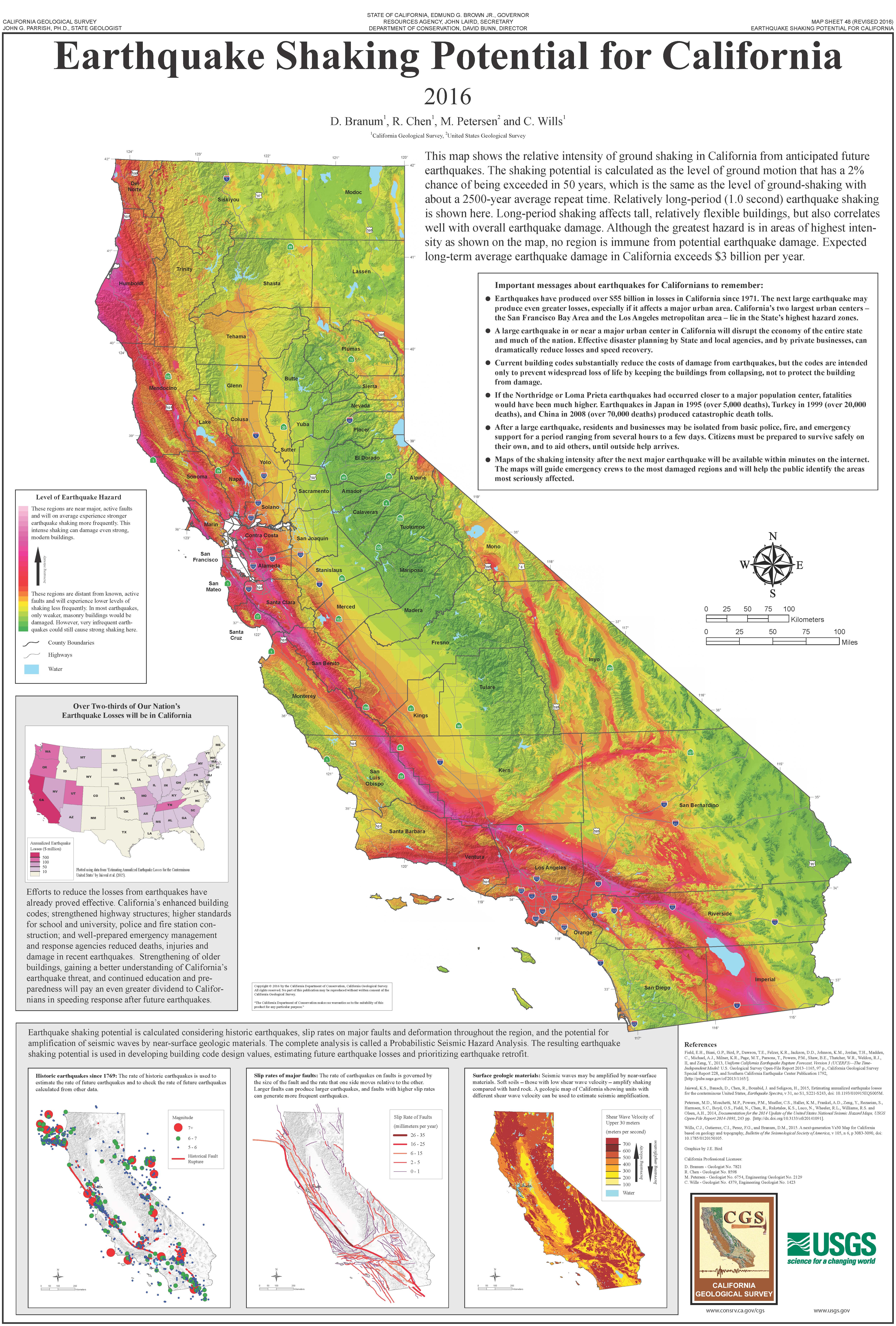
Understanding California’s Seismic Landscape for Travelers
California sits at the boundary of two immense tectonic plates: the Pacific Plate and the North American Plate. These colossal landmasses are constantly grinding past each other, giving rise to numerous fault lines across the state, with the most famous being the San Andreas Fault. This geological dynamism is what makes California one of the most seismically active regions in the world, a fact that’s essential context for any traveler.
The Science Behind the Shakes
Earthquakes are a natural consequence of the Earth’s crust moving and releasing built-up stress along these fault lines. While the vast majority of these events are imperceptible to humans, occurring miles beneath the surface or registering as minor tremors, they are a constant feature of the Californian environment. Scientists at institutions like the U.S. Geological Survey (USGS) and the Southern California Earthquake Center (SCEC) continuously monitor seismic activity, providing valuable data that helps residents and visitors alike understand the rhythm of the Earth beneath their feet. For travelers, this means that while the state experiences hundreds, if not thousands, of earthquakes annually, the probability of encountering a significant, damaging event during a typical vacation is remarkably low.
Major Fault Lines and Their Influence
Beyond the iconic San Andreas Fault, California is crisscrossed by a network of other significant faults. In Southern California, areas around Los Angeles and Long Beach are influenced by systems like the Puente Hills Thrust Fault. In the San Francisco Bay Area, the Hayward Fault and the Calaveras Fault are notable for their activity. Even in less populated regions like the Mojave Desert, faults such as the Garlock Fault play a role. These geological features are not just points on a map; they are fundamental to understanding the state’s geography and the distribution of seismic risk. For instance, knowing that many cities are built close to or even directly on top of these active fault zones underscores the importance of stringent building codes and emergency preparedness, which are paramount in California. As a traveler, observing the modern, earthquake-resistant architecture in cities like San Francisco or Oakland can be an insightful experience in itself, showcasing human ingenuity in adapting to natural forces.
Daily Rumbles: What to Expect as a Visitor
So, to answer the initial question directly: “How many earthquakes today in California?” The literal answer is usually many. The USGS reports hundreds of small earthquakes every single day across California, though the vast majority are so minor they are only detectable by sensitive scientific instruments.
The Magnitude Scale and Perceptibility
Earthquakes are measured on the Richter scale, or more commonly, the moment magnitude scale, which quantifies the energy released. Most earthquakes in California register below a magnitude 3.0. These are typically not felt by people.
- Magnitude 2.5 to 5.4: Often felt, but only cause minor damage. This category includes the vast majority of earthquakes noticeable to the average person.
- Magnitude 5.5 to 6.0: May cause slight damage to buildings and other structures.
- Magnitude 6.1 to 6.9: May cause a lot of damage in very populated areas.
- Magnitude 7.0 to 7.9: Considered a major earthquake, causing serious damage.
- Magnitude 8.0 or greater: A great earthquake, capable of devastating communities near the epicenter.
As a traveler, it’s possible you might experience a minor tremor (e.g., a magnitude 3.0-4.0) during your stay, especially if you are in areas known for higher activity, such as Ridgecrest or Eureka. These small quakes are generally harmless and often described as a sudden jolt, a brief swaying, or a rattling of objects. Many long-time California residents hardly notice them, viewing them as a routine part of life.
Accessing Real-Time Seismic Data
For curious travelers, resources like the USGS Earthquake Hazards Program website provide real-time maps and lists of recent earthquake activity in California and worldwide. You can specify a region (e.g., Southern California or Northern California) and a time frame (e.g., past hour, past day, past week) to see precisely how many tremors have occurred. This transparency is a testament to California’s proactive approach to seismic awareness and can be a fascinating tool for those interested in the state’s geology. Before or during your trip, checking this data can offer reassurance and context, demonstrating that the overwhelming majority of daily seismic events are inconsequential to public safety or travel plans.
Safety First: Preparing for Earthquakes During Your Trip
While the likelihood of experiencing a significant earthquake during your visit is low, being prepared is always the best approach for any traveler. California is a leader in earthquake preparedness, and travelers can benefit from understanding the basic safety protocols.
Before You Go: Research and Awareness

Before embarking on your California adventure, familiarize yourself with basic earthquake safety tips. Resources from the California Office of Emergency Services (CalOES) or the Federal Emergency Management Agency (FEMA) are excellent starting points. Consider where you’ll be staying – hotels in California are generally built to strict seismic standards. However, knowing the emergency exits and assembly points in your accommodation is always wise, regardless of the destination. If you’re planning to visit remote areas, like national parks or undeveloped coastlines, understand that emergency response might be slower. It’s prudent to have a basic emergency kit in your car (water, snacks, first-aid, flashlight) if you’re undertaking a road trip.
During a Shake: Drop, Cover, and Hold On
The cardinal rule during an earthquake is “Drop, Cover, and Hold On.”
- Drop to the ground immediately.
- Cover your head and neck with your arms and crawl under a sturdy desk or table. If no shelter is available, crawl next to an interior wall.
- Hold On to your shelter until the shaking stops. Be prepared to move with it.
If you are outdoors, move to a clear area away from buildings, power lines, and trees. If you are driving, pull over to a clear spot and stay in your car with your seatbelt fastened until the shaking stops. Never stop under an overpass or bridge. These simple actions can significantly reduce the risk of injury from falling objects or structural collapse. California residents are regularly educated on these protocols, and travelers can easily adopt them.
After the Shaking Stops: What to Do Next
Once the ground stops shaking, take a moment to assess your surroundings.
- Check for Injuries: Attend to any injuries and provide first aid if possible.
- Check for Damage: Look for hazards like fallen power lines, gas leaks (often identifiable by a rotten egg smell), or structural damage. If you suspect a gas leak, turn off the main gas valve if it’s safe to do so, and evacuate the area.
- Expect Aftershocks: Smaller tremors, known as aftershocks, can occur hours, days, or even weeks after a significant earthquake. Remain vigilant.
- Communicate: Use text messages rather than phone calls to conserve cell tower bandwidth for emergency services. Inform loved ones of your safety.
- Follow Official Guidance: Tune into local news or emergency alerts for instructions from authorities. California has sophisticated emergency alert systems, including the ShakeAlert system, which provides a few seconds of warning before shaking begins for some areas, allowing people to take cover.
Navigating Travel During Seismic Events
While most earthquakes won’t disrupt travel, understanding how larger events might affect your plans is part of being an informed traveler. California’s infrastructure is built to withstand seismic activity, but significant events can still cause temporary disruptions.
Infrastructure and Transport Implications
In the rare event of a moderate to strong earthquake, infrastructure can be affected. Roads, bridges, and tunnels might be closed for inspection to ensure structural integrity. Airports and train stations may temporarily halt operations. For example, during the 1989 Loma Prieta Earthquake in Northern California or the 1994 Northridge Earthquake in Southern California, sections of major highways were damaged, leading to significant travel delays. However, these instances are exceptions, not the rule. Most minor to moderate earthquakes cause no significant travel disruptions. Transportation agencies like Caltrans are highly efficient in assessing and repairing damage, often restoring services quickly. As a traveler, it’s wise to check local news and transportation authority websites for real-time updates if a noticeable earthquake occurs during your trip.
Communication and Emergency Services
California’s emergency services are highly coordinated and well-prepared for seismic events. Hospitals, fire departments, and law enforcement agencies regularly conduct drills and have robust emergency response plans. In a major event, cell phone networks might experience congestion, but emergency lines (911) are prioritized. For travelers, ensuring your phone is charged and knowing how to access local emergency information (e.g., via radio or official government apps) can be invaluable. Many public places, including hotels and tourist attractions, also have their own emergency protocols and staff trained to assist visitors. Countries like Japan, New Zealand, and Chile also have high seismic activity and well-developed emergency systems, making California’s approach part of a global best practice for living with earthquakes.
California Beyond the Tremors: Enjoying Your Visit Safely
Ultimately, the dynamic geology of California is an integral part of its identity, contributing to its stunning mountain ranges, dramatic coastlines, and fertile valleys. While understanding seismic activity is important, it should not overshadow the myriad reasons to visit this incredible state.
Embrace the Golden State Experience
From the bustling streets of Los Angeles and the iconic Golden Gate Bridge in San Francisco, to the ancient redwood forests and the serene beauty of Lake Tahoe, California offers an unparalleled range of experiences. Theme parks, world-class museums, vibrant culinary scenes, and breathtaking natural wonders await. By being informed about earthquake preparedness, travelers can enjoy these attractions with peace of mind, knowing they are ready for any eventuality. The preparedness itself is a testament to the resilience and resourcefulness of [California](https://lifeoutofthebox.com/california]’s communities.
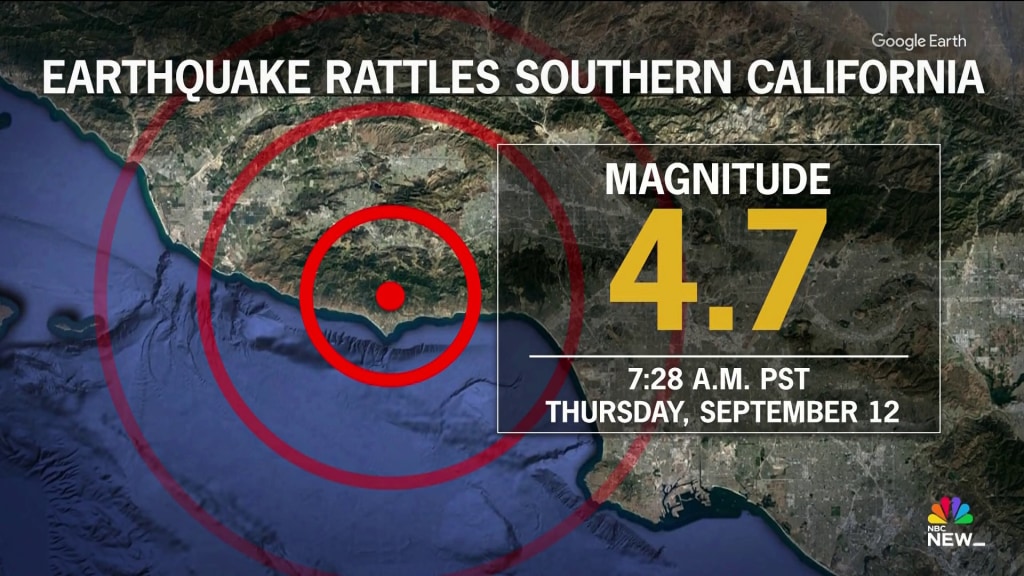
Informed Travel is Empowered Travel
In conclusion, while California experiences many earthquakes daily, the vast majority are unfelt and pose no threat to visitors. The state’s robust infrastructure, advanced monitoring systems, and comprehensive public safety campaigns ensure that residents and travelers are among the best-prepared populations globally for seismic events. By familiarizing yourself with basic safety protocols, staying informed, and recognizing that a minor tremor is a normal part of life in the Golden State, you can ensure your California travel experience is not only unforgettable but also safe and worry-free. Embrace the adventure, and let the occasional rumble serve as a gentle reminder of the powerful, living planet beneath our feet.
LifeOutOfTheBox is a participant in the Amazon Services LLC Associates Program, an affiliate advertising program designed to provide a means for sites to earn advertising fees by advertising and linking to Amazon.com. Amazon, the Amazon logo, AmazonSupply, and the AmazonSupply logo are trademarks of Amazon.com, Inc. or its affiliates. As an Amazon Associate we earn affiliate commissions from qualifying purchases.