
The distance between Memphis, Tennessee, and Chicago, Illinois, is a fundamental question for anyone planning travel between these two iconic American cities. Whether you’re a history buff drawn to the birthplace of rock and roll and blues, or a city explorer eager to experience the architectural marvels and vibrant culture of the Windy City, understanding the geographical gap and the various ways to traverse it is the first step in crafting an unforgettable journey. This article delves into the specifics of this inter-state connection, offering a comprehensive guide to distances, travel times, and modes of transport, ensuring your trip planning is as smooth and informed as possible.
The Direct Route: Unpacking the Distance and Drive
For many, the open road represents freedom and the opportunity to experience the changing landscapes between destinations. A road trip from Memphis to Chicago is a classic American journey, primarily following a well-established interstate corridor.
The Core Numbers: Miles and Hours
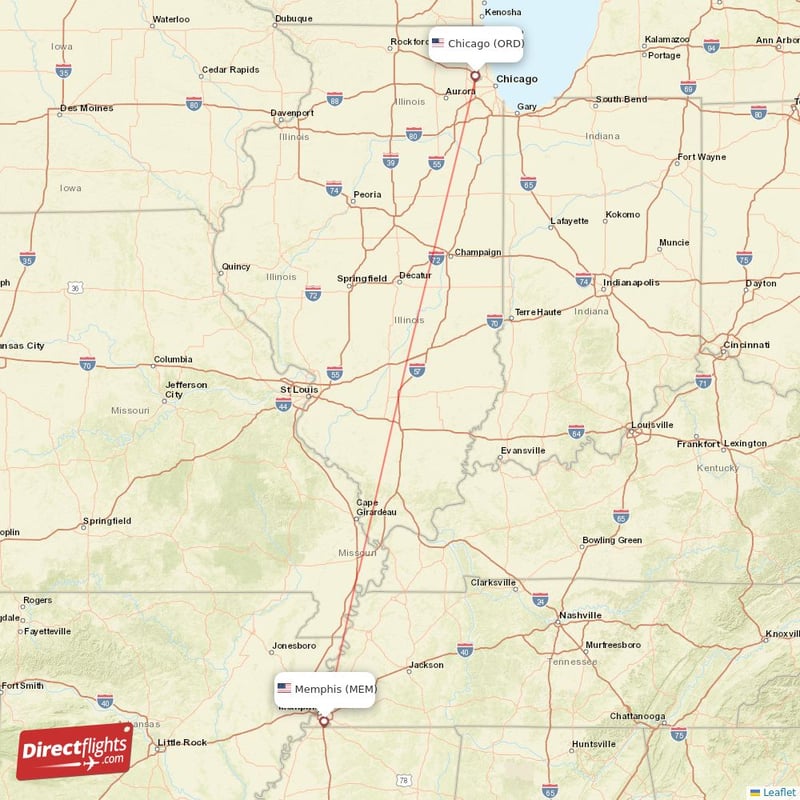
The approximate driving distance between Memphis and Chicago is around 520 to 550 miles (837 to 885 kilometers), depending on the specific starting and ending points within each metropolitan area and the exact route taken. This substantial distance translates to an estimated driving time of 8 to 9 hours under ideal conditions, without significant stops for fuel, food, or rest. It’s crucial to factor in real-world variables: traffic congestion, especially when entering or exiting major cities like St. Louis or Chicago; potential road construction; and adverse weather conditions such as heavy rain, snow, or fog, which can significantly extend travel times. Planning at least one or two substantial breaks is recommended to maintain driver alertness and comfort, often pushing the total journey duration closer to 10-12 hours for a single-day drive.
Primary Driving Routes
The most direct and commonly used route for traveling between Memphis and Chicago is via Interstate 57 (I-57) North. This major artery provides a relatively straight shot through the heart of the Midwest.
Starting in Memphis, travelers typically take Interstate 55 North through eastern Arkansas and the Missouri bootheel, crossing the Mississippi River. Just north of Sikeston, Missouri, I-55 merges with I-57 North. From this point, I-57 continues directly north through central Illinois, passing through cities like Carbondale, Champaign, and Kankakee, before ultimately leading into the Chicagoland area.
The terrain along this route is predominantly flat, characterized by expansive agricultural fields typical of the Midwest. This offers a generally easy driving experience, though it can become monotonous for some. The route is well-serviced with gas stations, rest stops, and dining options, particularly around the exits of larger towns and cities. While I-57 is the primary choice, some might consider minor variations, though they generally add to the distance and travel time. Ensuring your vehicle is in good condition, planning your fuel stops, and downloading offline maps are prudent steps for any road tripper.
Beyond the Wheel: Alternative Travel Modes
While driving offers flexibility, it’s not the only way to bridge the distance between Memphis and Chicago. Air, rail, and bus services provide viable alternatives, each with its own set of advantages and considerations.
Taking to the Skies: Flying Between Cities
For speed and efficiency, flying is unparalleled. Direct flights between Memphis International Airport (MEM) and Chicago’s major airports—O’Hare International Airport (ORD) and Midway International Airport (MDW)—typically last around 1 hour and 30 minutes to 2 hours.
However, the total travel time extends beyond the flight itself. Travelers must account for commuting to and from airports, navigating security checkpoints, and baggage claim. Door-to-door, a flight can easily take 4 to 6 hours or more, depending on airport transfers and potential layovers if a direct flight isn’t available or preferred. Major airlines like American Airlines, United Airlines, and Southwest Airlines frequently operate on this route, offering a range of fares and schedules. While generally the quickest option, flying can also be the most expensive, especially when booking last-minute or during peak travel seasons.
Riding the Rails: Amtrak’s City of New Orleans
For a more relaxed and scenic journey, Amtrak offers a unique experience. The iconic City of New Orleans train service connects Memphis Central Station directly to Chicago Union Station. This route is famous for tracing the path of the Mississippi River and offering a glimpse into the heartland of America.
The train journey typically takes significantly longer than driving or flying, often ranging from approximately 9 to 10 hours. Many choose this option for its comfort, the ability to relax, work, or enjoy meals in the dining car, and the absence of driving stress. It’s often an overnight journey, allowing passengers to sleep through a portion of the travel. While slower, it can be a particularly appealing choice for those who value the journey itself as part of the travel experience, without the hassle of airport security or traffic. Reservations are highly recommended, especially for sleeper accommodations if desired.

Bus Travel: An Economical Option
Bus travel presents the most budget-friendly option for getting from Memphis to Chicago. Companies like Greyhound operate regular services between the two cities.
The duration of a bus trip is the longest among all modes of transport, generally ranging from 10 to 14 hours or more, depending on the number of stops, transfers, and route efficiency. While it offers the lowest cost, the trade-off is often comfort and speed. Passengers should prepare for extended periods of sitting, potential delays, and multiple stops along the way. However, for travelers on a tight budget or those who don’t mind a longer journey, bus travel remains a practical choice, providing a direct connection without the need for personal vehicle maintenance or air travel logistics.
Crafting Your Journey: Planning Considerations
Effective planning is key to a smooth and enjoyable trip between Memphis and Chicago, regardless of your chosen mode of transportation. Several factors can influence your travel experience, from the time of year to your budget.
Best Time to Travel
The season you choose to travel can significantly impact your journey. Spring (April-May) and Fall (September-October) are often considered the best times for driving, offering pleasant temperatures and beautiful scenery without the extremes of summer heat or winter cold.
- Summer (June-August): While popular for vacations, summer months can bring very high temperatures, especially in the Southern portions of the route, and the potential for thunderstorms. Heavy traffic around popular attractions and during holiday weekends is also common.
- Winter (November-March): Traveling during winter, particularly through Illinois, can present challenges. Snow, ice, and freezing rain are common, which can lead to hazardous driving conditions and significant delays for all modes of transport, including flight cancellations and train delays. Always check weather forecasts well in advance if planning a winter trip.
Stopovers and Scenic Detours
For those driving, the journey between Memphis and Chicago offers opportunities for stopovers that can break up the drive and add unique experiences. While the direct route through Illinois is mostly agricultural, areas like Southern Illinois boast state parks and forests, such as the Shawnee National Forest, offering a change of scenery. Small towns along the route also provide local diners and historical points of interest. If you have an extra day, a detour through St. Louis, Missouri, to see the Gateway Arch or visit its vibrant downtown could turn your transit into a multi-city adventure. These detours, while adding to travel time, can enrich the overall trip experience, transforming a simple drive into a memorable exploration.
Budgeting Your Trip
Costs vary significantly among travel options:
- Driving: Primarily involves fuel costs, potential tolls (minimal on this route), and wear and tear on your vehicle. If you break up the drive, include accommodation costs.
- Flying: Ticket prices fluctuate based on booking time, season, and airline. Factor in baggage fees, airport parking, and ground transportation to and from airports.
- Train: Amtrak fares depend on the class of service (coach, business, sleeper) and how far in advance you book. Meals are an additional cost.
- Bus: Generally the cheapest option for the ticket itself, but consider additional costs for food and comfort items during the long journey.
Always compare prices across different platforms and consider booking in advance, especially for flights and trains, to secure better rates.
Arriving in Chicago or Memphis: A Glimpse of Your Destination
Upon arriving at your destination, understanding the local transportation and key highlights can help you transition smoothly from journey to exploration.
Navigating Chicago’s Urban Landscape
Once you arrive in Chicago, whether by plane at ORD or MDW, train at Union Station, or car, you’ll find a robust public transportation system. The Chicago Transit Authority (CTA) operates an extensive network of ‘L’ trains and buses, making it easy to navigate the city’s diverse neighborhoods and reach major attractions like Millennium Park, the Art Institute of Chicago, and the Magnificent Mile. Taxis, rideshares, and car rental services are also readily available, though a car might be less necessary within the city center due to traffic and parking challenges.

Exploring Memphis’s Southern Charm
Arriving in Memphis offers a different experience. While the city has public transportation, many visitors find having a car beneficial for exploring sites that are spread out. From Memphis International Airport or Memphis Central Station, options for getting around include car rentals, taxis, and rideshares. Key attractions like Beale Street, Graceland, and the National Civil Rights Museum are accessible, each offering a deep dive into the city’s rich history and cultural heritage.
In conclusion, the distance between Memphis and Chicago is substantial, but the journey is highly manageable with various transportation options tailored to different preferences and budgets. Whether you prefer the independence of a road trip, the speed of a flight, the relaxation of a train, or the economy of a bus, careful planning will ensure your travel experience is as rewarding as the destinations themselves.
LifeOutOfTheBox is a participant in the Amazon Services LLC Associates Program, an affiliate advertising program designed to provide a means for sites to earn advertising fees by advertising and linking to Amazon.com. Amazon, the Amazon logo, AmazonSupply, and the AmazonSupply logo are trademarks of Amazon.com, Inc. or its affiliates. As an Amazon Associate we earn affiliate commissions from qualifying purchases.