
The vast and diverse landscape of Texas, known for its sprawling ranches, vibrant metropolises, and rich cultural tapestry, also presents a spectrum of living environments. When considering a move, a vacation, or even a simple visit, safety often ranks as a paramount concern. The Lone Star State, with its over 268,000 square miles, hosts a myriad of cities, each with its unique character, opportunities, and, of course, safety profiles. The question of “What is the safest city in Texas?” is not merely an academic one; it touches upon the well-being and peace of mind for residents and travelers alike. To answer this comprehensively, we must delve into various metrics that define urban safety, looking beyond simple crime statistics to encompass community engagement, emergency preparedness, and the overall quality of life that contributes to a secure environment.

Defining Safety: Beyond the Headlines
The perception of safety in any given location is a multifaceted concept. While raw crime rates, often broken down into violent and property crimes, serve as a foundational data point, they don’t tell the whole story. A city might have a low crime rate but lack robust emergency services, or it could experience a surge in petty crime that, while not life-threatening, significantly impacts residents’ sense of security. Therefore, a nuanced approach is necessary to truly identify the safest cities. This involves examining:
- Crime Statistics: This is the most objective measure. We look at the FBI’s Uniform Crime Reporting Program data, which collects information on crimes reported to law enforcement agencies. Key indicators include the rate of violent crimes per 100,000 people (homicide, rape, robbery, aggravated assault) and property crimes (burglary, larceny-theft, motor vehicle theft, arson). It’s crucial to compare these rates against state and national averages.
- Law Enforcement Presence and Effectiveness: A visible and well-trained police force can act as a deterrent. This includes the number of officers per capita, response times, community policing initiatives, and public trust in law enforcement.
- Socioeconomic Factors: Poverty, unemployment, and lack of educational opportunities can correlate with higher crime rates. Cities that invest in their communities through job creation, affordable housing, and educational programs often see improvements in safety.
- Community Engagement and Social Cohesion: Strong community ties, active neighborhood watch programs, and a sense of shared responsibility contribute to a safer environment. When residents feel connected and empowered, they are more likely to look out for one another.
- Emergency Preparedness and Infrastructure: This encompasses the city’s readiness to handle natural disasters, public health crises, and other emergencies. This includes the quality of fire departments, ambulance services, and the resilience of critical infrastructure.
It’s important to acknowledge that “safest” can also be subjective and depend on individual priorities. For a family with young children, school safety and low rates of child-related crime might be paramount. For a solo traveler, a low incidence of street crime and a strong sense of pedestrian safety could be more critical.
Navigating Texas’s Safe Havens
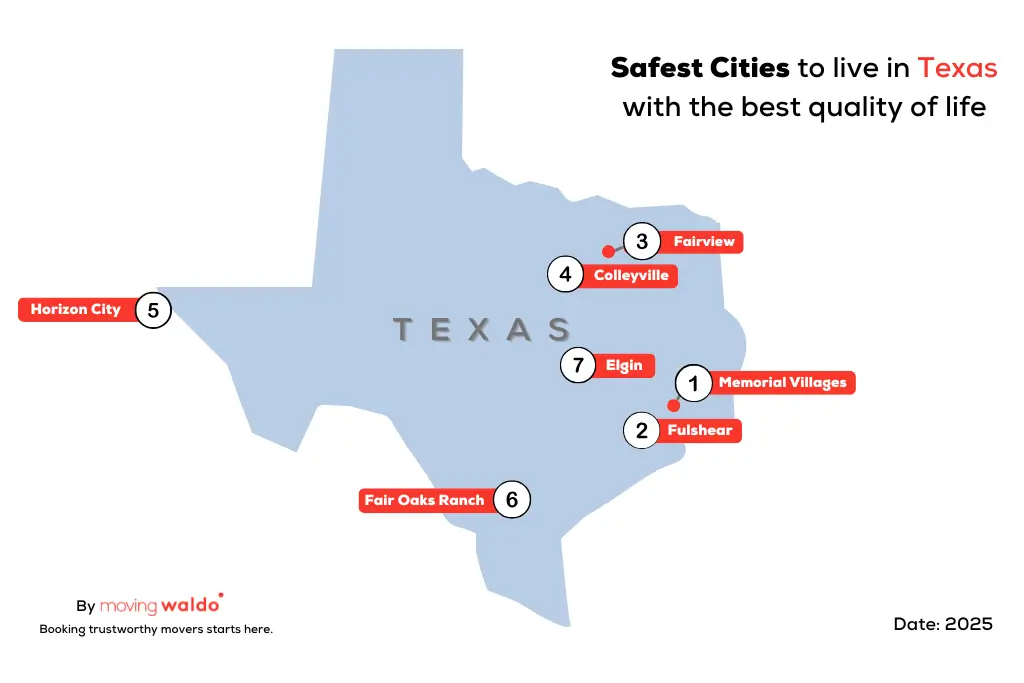
While numerous Texas cities boast commendable safety records, several consistently rise to the top of rankings based on comprehensive data analysis. These cities often share common traits: a strong economic base, well-funded public services, and a commitment to community well-being.
Small Town Charm and Suburban Serenity
Many of the safest cities in Texas are found in the suburban rings of major metropolitan areas or are smaller, independent towns that prioritize community values. These locations often benefit from a lower population density, which can naturally lead to lower crime rates, and a more tight-knit community structure where neighbors know each other.
- The Woodlands, Texas: Often cited as one of the safest places to live in Texas, The Woodlands is a master-planned community known for its meticulously maintained parks, extensive trail systems, and high quality of life. Its consistent ranking is attributed to low crime rates, excellent schools, and a strong emphasis on community security. The presence of a dedicated law enforcement presence, the Montgomery County Sheriff’s Office, and community-driven safety initiatives contribute significantly to its secure atmosphere. For those seeking a blend of suburban tranquility and access to urban amenities, The Woodlands offers a compelling lifestyle. Accommodation options range from luxurious resorts like the The Woodlands Resort, a Curio Collection by Hilton, to a variety of family-friendly hotels and apartment complexes.
- Georgetown, Texas: Located just north of Austin, Georgetown is a charming historic city with a vibrant downtown square. It consistently ranks high for safety, with low violent and property crime rates. The city’s management emphasizes public safety through its police department and a strong sense of civic pride. Georgetown offers a rich cultural scene, beautiful natural landscapes, and a welcoming environment for families and retirees. Its historic architecture and proximity to the San Gabriel River make it an attractive destination for both long-term stays and shorter visits.
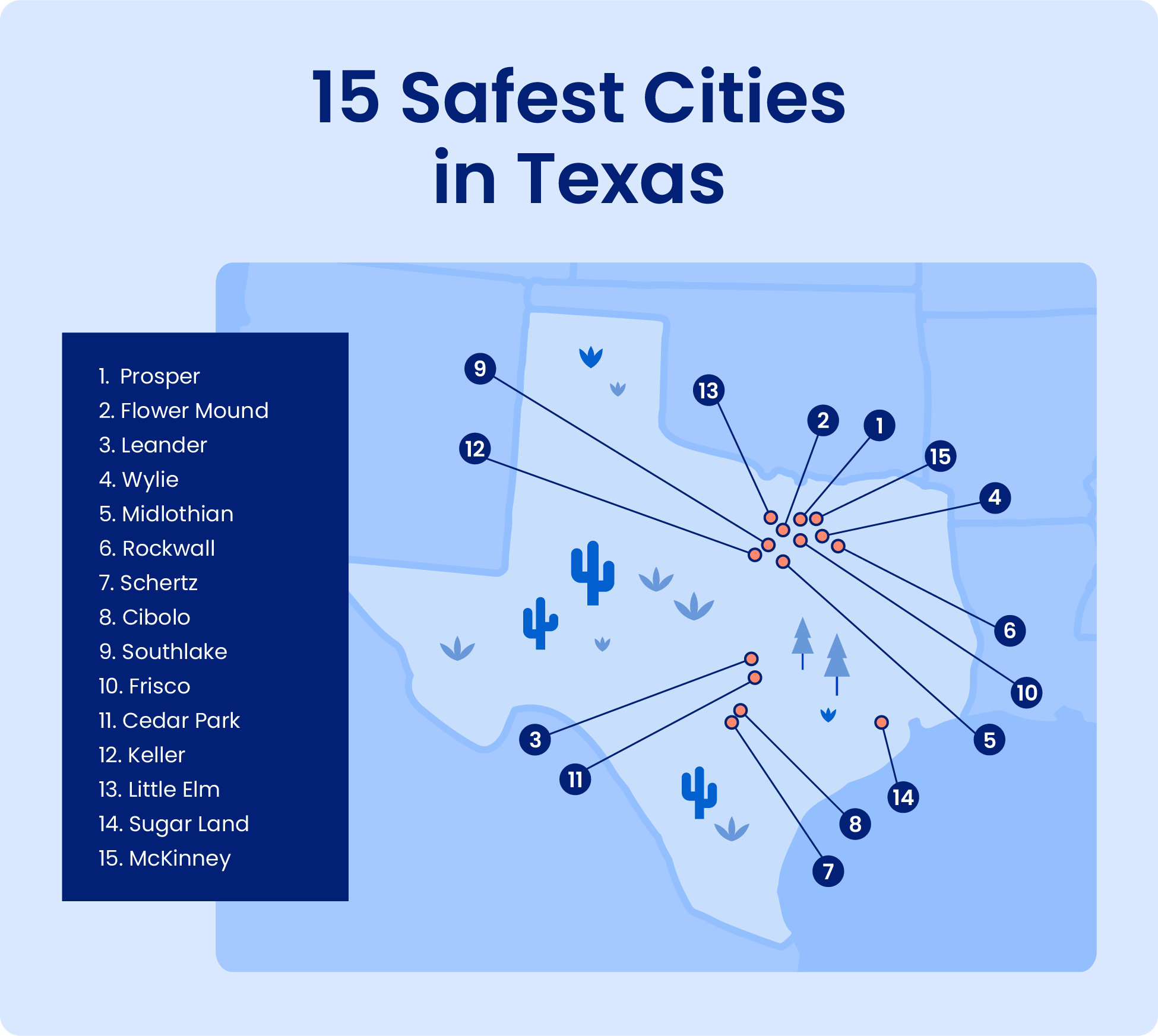
- Sugar Land, Texas: Situated southwest of Houston, Sugar Land is a diverse and rapidly growing city that has made public safety a cornerstone of its development. It boasts a low crime rate for its size and a highly regarded police department. Beyond safety, Sugar Land offers excellent educational opportunities, a thriving business sector, and numerous recreational facilities. The city’s commitment to sustainability and its well-planned infrastructure further enhance its appeal as a secure and desirable place to live and visit. Visitors can find comfortable accommodations ranging from budget-friendly hotels to more upscale options, catering to various travel lifestyles.
Mid-Sized Cities with a Strong Community Focus
While smaller towns often dominate safety rankings, some larger cities and their well-managed suburbs also present compelling cases for being considered among the safest in Texas. These cities often strike a balance between robust economic development and a genuine commitment to resident well-being.
- McKinney, Texas: Part of the Dallas-Fort Worth metroplex, McKinney is a historic and growing city that consistently ranks high in safety surveys. Its low crime rate is a testament to its well-supported police department and active community involvement. McKinney offers a charming historic downtown, a family-friendly atmosphere, and a good range of amenities and attractions. The city’s proactive approach to development and its emphasis on preserving its small-town feel while embracing growth make it an attractive option for those seeking a secure and vibrant lifestyle.
- Allen, Texas: Another prominent North Texas city, Allen has built a reputation for safety and a high quality of life. It features a low crime rate, excellent schools, and a variety of recreational and shopping opportunities, including the popular Allen Premium Outlets. The city’s commitment to community engagement and its well-resourced police department are key factors in its secure environment. Allen offers a comfortable and family-oriented lifestyle with ample accommodation choices for visitors.
- Frisco, Texas: Known for its booming economy and family-friendly attractions, Frisco has also earned recognition for its safety. The city benefits from a strong economic base, which often translates to better funding for public services, including law enforcement. Frisco offers a modern lifestyle with numerous dining, entertainment, and shopping options, as well as a strong emphasis on parks and recreation. Its strategic location within the Dallas-Fort Worth metroplex provides convenient access to major attractions while maintaining a secure suburban environment. Visitors can explore a range of hotel options, from business-oriented hotels to family resorts, ensuring a comfortable stay.
Factors Contributing to Texas’s Safest Cities
The common threads among the safest cities in Texas are not accidental. They are the result of intentional planning, ongoing investment, and a strong sense of community pride. Understanding these contributing factors can provide a clearer picture of what makes a city truly safe.
Proactive Governance and Community Investment
- Strong Law Enforcement: Cities that consistently rank high in safety often have well-funded and community-oriented police departments. This includes employing sufficient officers, providing them with advanced training, and encouraging community policing initiatives that build trust and collaboration between law enforcement and residents. The adoption of modern policing strategies and a commitment to transparency are crucial.
- Economic Stability and Opportunity: A robust local economy with ample job opportunities and a diverse business landscape contributes to lower crime rates. When residents have access to good jobs and economic stability, the underlying social pressures that can contribute to crime are often reduced. Cities that attract businesses and foster entrepreneurship tend to be more secure.
- Investment in Public Services: This includes high-quality education systems, well-maintained parks and recreational facilities, and efficient public transportation. When cities invest in the well-being of their residents, from childhood through adulthood, it fosters a more positive and secure environment. Parks and green spaces, for example, can improve mental well-being and provide safe areas for recreation.
- Community Engagement and Social Capital: The presence of active neighborhood associations, volunteer programs, and community events fosters a sense of belonging and mutual responsibility. When residents are engaged with their neighbors and feel a connection to their community, they are more likely to look out for one another and report suspicious activities. This social capital acts as a powerful, informal safety net.
- Effective Urban Planning and Infrastructure: Thoughtful urban planning that incorporates safe pedestrian walkways, well-lit streets, and accessible public spaces can significantly enhance perceived and actual safety. Investing in resilient infrastructure that can withstand natural disasters and ensuring efficient emergency response systems further bolster a city’s safety profile.
Lifestyle Considerations for a Secure Stay
Whether you are planning a long-term relocation or a short vacation, understanding the lifestyle aspects of a city can help you choose the safest and most enjoyable environment. The safest cities in Texas often offer a high quality of life that extends beyond just low crime statistics.
For travelers, looking for a safe destination means considering factors like pedestrian safety, the prevalence of tourist-friendly areas with good lighting and visible security, and the reliability of local public transport. Cities like The Woodlands with its extensive trail system and pedestrian-friendly design, or Georgetown with its walkable historic downtown, offer a sense of security for those exploring on foot. When booking accommodation, whether it’s a luxurious suite at a resort or a comfortable apartment for a longer stay, researching the neighborhood’s safety reputation and proximity to well-patrolled areas is advisable. Many hotels in these safer cities, such as those in Sugar Land, often have their own security measures in place, adding an extra layer of peace of mind.
For residents seeking a permanent home, the definition of safety expands to include factors like school safety ratings, community policing efforts, and the overall sense of neighborhood cohesion. Cities like McKinney and Allen are highly regarded for their family-friendly environments, offering excellent educational systems and community programs that foster a secure upbringing for children. The lifestyle in these cities often emphasizes outdoor activities, with ample parks and community centers providing safe and engaging spaces for all ages.
Ultimately, the safest city in Texas is not a singular destination but rather a collection of communities that prioritize the well-being of their residents through a combination of effective governance, robust public services, and strong community bonds. By considering the multifaceted nature of safety and exploring the various offerings of these exemplary Texas cities, individuals can make informed decisions for their travel and living needs.
LifeOutOfTheBox is a participant in the Amazon Services LLC Associates Program, an affiliate advertising program designed to provide a means for sites to earn advertising fees by advertising and linking to Amazon.com. Amazon, the Amazon logo, AmazonSupply, and the AmazonSupply logo are trademarks of Amazon.com, Inc. or its affiliates. As an Amazon Associate we earn affiliate commissions from qualifying purchases.