
Embarking on a journey from the vibrant metropolis of Chicago to the sunny shores of Florida is a popular choice for countless travelers seeking a change of scenery, whether for business or leisure. One of the most common questions travelers pose during the planning phase is, “How long will the flight take?” While the simple answer often ranges from 2 hours and 30 minutes to 3 hours and 30 minutes for a direct flight, the actual duration can be influenced by a multitude of factors, from your specific departure and arrival airports to prevailing weather conditions and the airline you choose. This comprehensive guide will delve into the intricacies of flight times between these two major United States regions, providing insights to help you plan your perfect getaway.
Unpacking Direct Flight Durations to Florida’s Major Hubs
Florida boasts an array of international airports, each serving different regions and attracting various types of travelers. The flight duration from Chicago will largely depend on which Florida airport is your final destination, as the state stretches over a considerable distance.
Chicago to Orlando: The Theme Park Gateway
For many, Orlando is synonymous with world-renowned theme parks like Walt Disney World and Universal Studios. Flights from Chicago to Orlando International Airport (MCO) are among the most frequent and typically represent the median flight time for the state.
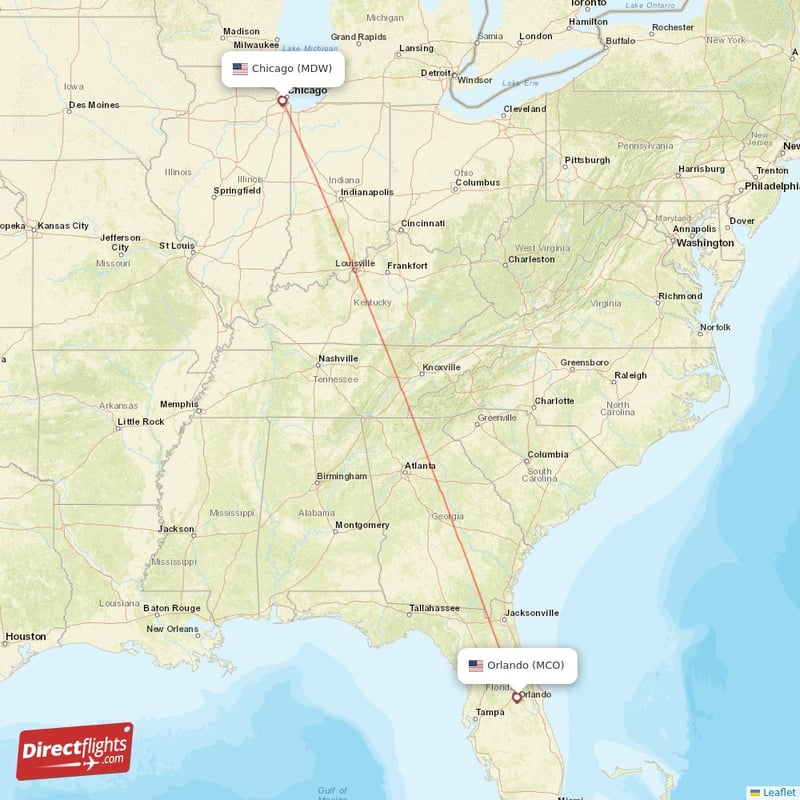
A direct flight from Chicago’s O’Hare International Airport (ORD) or Midway International Airport (MDW) to MCO generally clocks in at approximately 2 hours and 45 minutes to 3 hours and 15 minutes. This makes for a relatively quick journey, allowing travelers to maximize their time enjoying the attractions.
Chicago to Miami & Fort Lauderdale: South Florida’s Vibrant Connection
The southern tip of Florida, including the bustling cities of Miami and Fort Lauderdale, offers a distinct blend of cultural experiences, pristine beaches, and vibrant nightlife. These destinations are a bit further south, naturally extending the flight time.
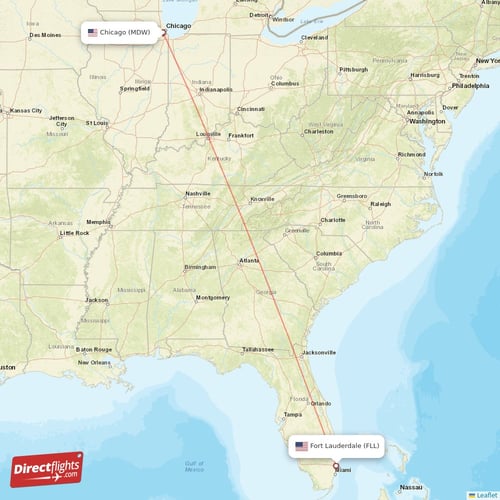
Direct flights from Chicago to Miami International Airport (MIA) or Fort Lauderdale-Hollywood International Airport (FLL) typically range from 3 hours to 3 hours and 30 minutes. While a slightly longer journey, the extra time is a small price to pay for the allure of South Florida’s unique appeal.
Chicago to Tampa: Accessing the Gulf Coast
On Florida’s picturesque Gulf Coast lies Tampa, a city known for its beautiful waterfronts, historic Ybor City, and proximity to stunning beaches like Clearwater and St. Pete Beach.
A direct flight from Chicago to Tampa International Airport (TPA) generally takes about 2 hours and 50 minutes to 3 hours and 20 minutes. This duration is comparable to flights to Orlando, making the Gulf Coast easily accessible for a long weekend or extended vacation.
Chicago to Jacksonville: North Florida’s Commercial Core
Jacksonville, located in North Florida, serves as a major commercial hub and offers visitors a blend of cultural attractions, outdoor activities, and beautiful beaches. Being closer to Chicago geographically than its southern counterparts, flights here tend to be shorter.
Direct flights from Chicago to Jacksonville International Airport (JAX) typically fall within the range of 2 hours and 30 minutes to 2 hours and 50 minutes, making it one of the quickest flights to Florida from the Windy City. Other smaller airports like Palm Beach International Airport (PBI), Sarasota-Bradenton International Airport (SRQ), Southwest Florida International Airport (RSW) in Fort Myers, or Destin-Fort Walton Beach Airport (VPS) might have slightly different durations based on specific routes and aircraft.
Key Factors Influencing Flight Time
While average flight times provide a good baseline, several dynamic factors can alter the actual duration of your journey. Understanding these can help set realistic expectations and even inform your flight choices.
The Role of Specific Airports and Air Traffic
Both Chicago and Florida have multiple airports. The choice between O’Hare International Airport (ORD) and Midway International Airport (MDW) in Chicago can subtly affect flight times. ORD, being one of the world’s busiest airports, can sometimes experience longer taxi times or air traffic control delays, adding a few minutes to the overall journey. Similarly, larger airports in Florida like MCO or MIA might have more ground traffic compared to smaller regional airports.
Aircraft Speed and Cruising Altitude
Different aircraft models fly at varying cruising speeds and altitudes. A larger, more modern jet might complete the journey slightly faster than an older, smaller aircraft. While these differences are usually marginal for a relatively short domestic flight, they can contribute to the minute-by-minute variations you see in scheduled flight times.
Meteorological Conditions and Headwinds/Tailwinds
Weather is perhaps the most significant external factor. Strong headwinds (winds blowing against the direction of travel) can increase flight time, sometimes by as much as 30-45 minutes on a route of this length. Conversely, strong tailwinds can significantly shorten the journey. Turbulence can also necessitate changes in altitude or flight path, indirectly impacting duration. Airlines typically factor in average historical wind patterns when publishing schedules, but actual conditions on the day of travel can always differ.
Flight Path and Airspace Congestion
Air traffic control (ATC) dictates specific flight paths to manage the flow of aircraft efficiently and safely. These paths can vary due to weather systems, military airspace restrictions, or congestion in certain corridors. A more direct, optimal flight path will result in a shorter journey, while deviations can add time. Similarly, heavy air traffic can lead to holding patterns, where planes circle before being cleared to land, adding minutes to the descent phase of the flight.
Direct vs. Connecting Flights: Calculating Total Travel Time
While the focus has been on direct flights, many travelers opt for connecting flights, often due to cost savings or to reach smaller airports without direct service. It’s crucial to distinguish between actual flight time and total travel time when layovers are involved.

The Convenience of Non-Stop Journeys
Direct flights, also known as non-stop flights, offer the quickest way to get from point A to point B. They minimize potential delays associated with connections, such as missed flights due to initial delays or lost luggage during transfers. For travelers prioritizing speed and convenience, a direct flight is almost always the preferred option.
Understanding Layover Impact on Overall Duration
A connecting flight means your journey will involve at least one stop at an intermediate airport. The total travel time for a connecting flight includes:
- The first flight segment’s duration.
- The layover duration (which can range from 45 minutes to several hours, or even overnight).
- The second flight segment’s duration.
For example, a flight from Chicago to Orlando with a 2-hour layover in Atlanta could easily turn a 3-hour direct flight into a 7-8 hour travel day. Always add up all these components when evaluating connecting flight options.
Strategic Stopovers for Cost or Comfort
Sometimes, a connecting flight isn’t just about saving money; it can also offer a strategic break. For travelers with young children or those who prefer to stretch their legs between flights, a longer layover can be a welcome pause. However, be mindful of the trade-off in total travel time. Popular connection hubs for Chicago-Florida routes might include Atlanta (Hartsfield-Jackson Atlanta International Airport), Charlotte (Charlotte Douglas International Airport), or Dallas (Dallas/Fort Worth International Airport), depending on the airline.
Optimizing Your Journey: Tips for Efficient Travel
Beyond simply knowing the average flight duration, savvy travelers can employ several strategies to ensure their journey from Chicago to Florida is as smooth and efficient as possible.
Choosing the Right Departure Airport in Chicago
Chicago offers two main international airports: O’Hare International Airport (ORD) and Midway International Airport (MDW).
- ORD is generally served by major carriers like United Airlines, American Airlines, and Delta Air Lines, offering a wider range of direct flights and aircraft types, sometimes leading to slightly longer taxi times due to its sheer size and traffic volume.
- MDW, primarily served by Southwest Airlines and Frontier Airlines, often boasts quicker gate-to-air times and a generally less overwhelming experience, which can sometimes shave a few minutes off the overall travel duration, especially if you factor in ground logistics. Consider which airport is easier for you to access from your starting point in Chicago.
Selecting Airlines and Flight Schedules
Different airlines might have slightly different average flight times due to their fleet, typical flight paths, and operational efficiency. Reputable airlines like United Airlines, American Airlines, Delta Air Lines, and Southwest Airlines frequently operate direct routes between Chicago and major Florida cities. Budget carriers such as Spirit Airlines and Frontier Airlines also offer competitive options.
Early morning flights are often less prone to delays caused by accumulating air traffic throughout the day. Conversely, late-night flights can sometimes face fewer queues for takeoff and landing. Analyzing specific flight schedules and historical on-time performance can be beneficial.
Booking Strategies for Shorter Travel Times
While finding the absolute shortest flight time might not always be the primary goal, here are a few tips:
- Prioritize Direct Flights: This is the most straightforward way to minimize travel duration.
- Check Multiple Airlines: Compare schedules from different carriers, as they may have varying published flight times and actual performance.
- Consider Time of Day: Early morning departures often experience fewer delays.
- Monitor Flight Tracking Apps: Tools like FlightAware or FlightStats can provide real-time data on typical flight durations for specific routes and times, giving you a more accurate picture than just scheduled times.
Real-World Examples and Average Flight Times
To give you a clearer picture, let’s look at some real-world averages for popular direct routes:
From O’Hare International Airport to Orlando International Airport
Flights between O’Hare International Airport (ORD) and Orlando International Airport (MCO) with carriers like United Airlines or American Airlines typically average 2 hours and 55 minutes to 3 hours and 10 minutes. This is a very well-serviced route with many daily options.
From Midway International Airport to Miami International Airport
For those departing from Midway International Airport (MDW) heading to Miami International Airport (MIA), a direct flight, often operated by Southwest Airlines, usually takes around 3 hours and 5 minutes to 3 hours and 25 minutes. The slightly longer duration reflects the southerly location of Miami.
Variations Across Different Carriers
While the geographical distance remains constant, slight variations in scheduled flight times can exist between airlines. This is often due to different aircraft types, planned cruising speeds, or how much buffer time they build into their schedules to account for potential delays. For instance, one airline might schedule a Chicago to Tampa flight for 3 hours, while another lists it at 3 hours and 10 minutes. These differences are usually minor but can sometimes be a deciding factor for travelers seeking the absolute fastest option. The path over the Gulf of Mexico or the Atlantic Ocean can also influence flight paths and, by extension, flight times.
In conclusion, a direct flight from Chicago to Florida will generally take between 2 hours and 30 minutes and 3 hours and 30 minutes, depending on your specific destination within the Sunshine State. By considering factors like your chosen airport, airline, time of day, and potential weather impacts, you can effectively plan for a smooth and enjoyable journey to Florida. Always check the most up-to-date flight information and airline schedules for the most accurate timing for your specific travel dates.
LifeOutOfTheBox is a participant in the Amazon Services LLC Associates Program, an affiliate advertising program designed to provide a means for sites to earn advertising fees by advertising and linking to Amazon.com. Amazon, the Amazon logo, AmazonSupply, and the AmazonSupply logo are trademarks of Amazon.com, Inc. or its affiliates. As an Amazon Associate we earn affiliate commissions from qualifying purchases.