
Embarking on a journey from the vibrant Midwest hub of Chicago to the sun-drenched shores of Los Angeles on the West Coast is a popular route for both business travelers and vacationers alike. The question of “how long is the flight” seems straightforward, yet the answer involves a fascinating interplay of various factors, from aircraft type to prevailing wind conditions. Understanding these nuances can significantly enhance your travel planning and overall experience.
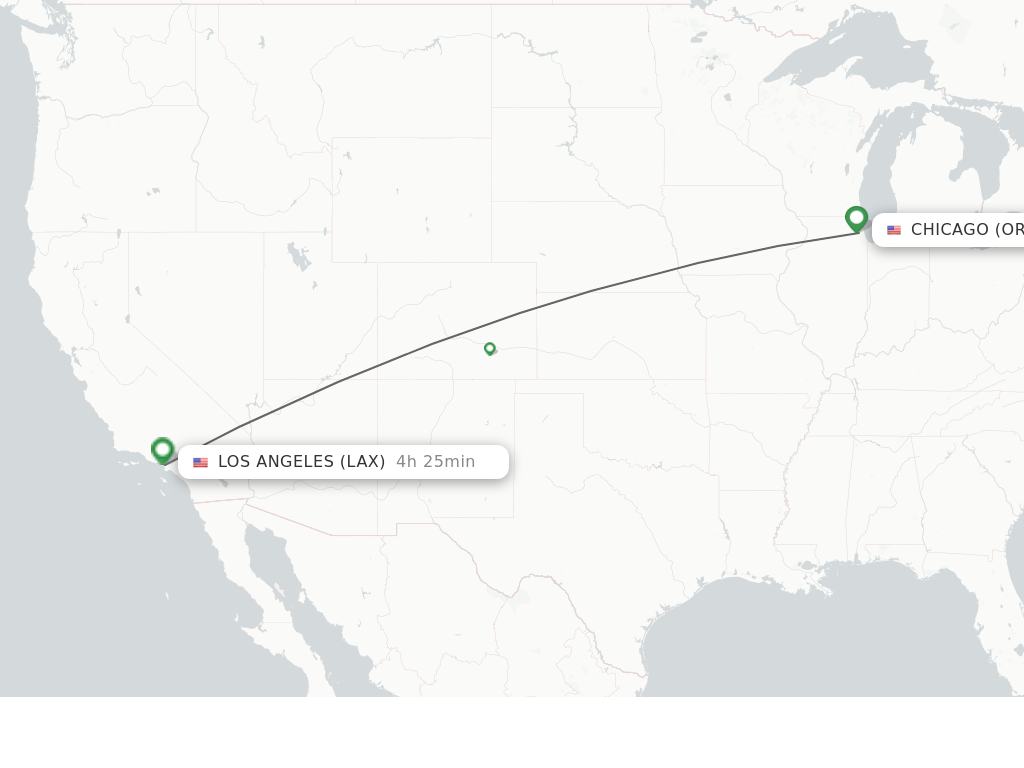
At its core, a direct flight between Chicago and Los Angeles typically spans approximately 4 hours to 4 hours and 45 minutes. This duration covers the actual airborne time, often referred to as block time by airlines, which includes taxiing, takeoff, and landing. However, the total travel time from the moment you leave your home in Chicago to arriving at your destination in Los Angeles will undoubtedly be longer, factoring in airport check-ins, security, boarding, and ground transportation upon arrival. This article delves into the specifics of this popular transcontinental route, offering insights into what to expect and how to make your journey as smooth as possible.
Understanding the Typical Flight Duration
The duration of your flight from Chicago to Los Angeles is largely dependent on whether you opt for a non-stop service or a connecting flight. While the airborne time is a crucial metric, the total time you spend traveling will vary considerably.
Non-Stop Flights
For travelers prioritizing efficiency and minimal travel time, non-stop flights are the preferred choice. These direct services offer the quickest way to traverse the roughly 1,745 miles (2,808 kilometers) between the two major United States cities.
A non-stop flight from Chicago to Los Angeles generally has an average duration of 4 hours and 15 minutes. However, this can fluctuate:
- Minimum Duration: As short as 4 hours, particularly with favorable tailwinds.
- Maximum Duration: Up to 4 hours and 45 minutes, often due to headwinds or slight air traffic control adjustments.
Major airlines like United Airlines, American Airlines, and Southwest Airlines operate multiple daily non-stop flights on this popular route, providing ample options for travelers to choose departure times that suit their schedules. The convenience of a non-stop flight cannot be overstated, as it eliminates the stress and potential delays associated with layovers.
Connecting Flights
While non-stop flights are abundant, some travelers might opt for connecting flights due to lower fares, specific airline loyalty, or the need to stop in another city. It’s important to understand that choosing a connecting flight will significantly extend your total travel time.
A connecting flight involves at least one layover, typically in another major airport. Common layover cities for flights between Chicago and Los Angeles include:
The actual flight time for each segment of a connecting journey will be shorter, but the layover itself can range from 1 to 5 hours, or even longer for extended connections. Consequently, the total travel time for a connecting flight can easily stretch to 7 to 10 hours or more, including the combined flight segments and the layover duration. While potentially more economical, this option demands more patience and careful planning to ensure smooth transitions between flights.
Factors Influencing Flight Time
Beyond the basic distinction between non-stop and connecting flights, several dynamic factors can influence the precise duration of your flight from Chicago to Los Angeles. These elements are constantly at play and contribute to the slight variations you might observe in scheduled flight times.
Aircraft Type and Speed
The specific model of aircraft used for your flight plays a role in its speed. Larger, more modern jets like the Boeing 737 or Airbus A320 series, commonly used on this route, have similar cruising speeds. However, variations exist. For instance, a newer, more aerodynamically efficient aircraft might shave a few minutes off the journey compared to an older model. Airlines often select aircraft based on passenger capacity and fuel efficiency for specific routes, which indirectly influences the published flight times. While not a dramatic difference, it’s one of the underlying factors in slight time adjustments.
Wind Conditions (Jet Stream)
One of the most significant natural factors affecting flight duration is the wind, particularly the powerful high-altitude currents known as the jet stream.
- Westbound Flights (e.g., Chicago to Los Angeles): When flying westward, aircraft often encounter headwinds, meaning they are flying against the jet stream. This acts as a natural brake, increasing the flight time. It’s not uncommon for a westbound flight to take 15-30 minutes longer than its eastbound counterpart due to strong headwinds.
- Eastbound Flights (e.g., Los Angeles to Chicago): Conversely, eastbound flights typically benefit from tailwinds, where the jet stream pushes the aircraft along, significantly reducing flight time. This is why a flight from Los Angeles back to Chicago can often be as short as 3 hours and 30 minutes to 4 hours.
Airlines account for average wind conditions when publishing schedules, but unpredictable changes in weather patterns can still lead to real-time adjustments.
Air Traffic Control and Route Optimization
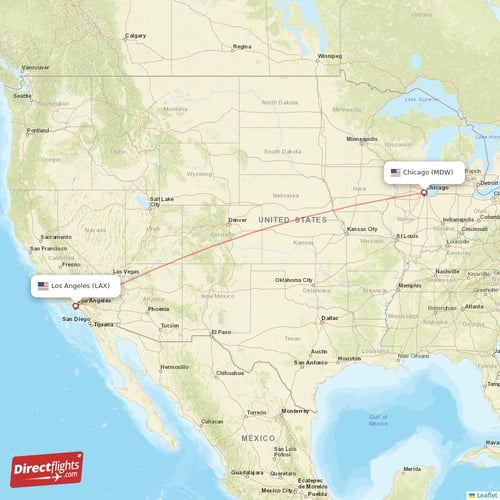
Air traffic control (ATC) plays a critical role in managing the flow of aircraft in crowded airspace. The route from Chicago to Los Angeles traverses several busy sectors across the United States, crossing states like Illinois, Iowa, Nebraska, Colorado, Utah, and Nevada, before entering California.
- ATC Directives: To maintain safety and efficiency, ATC might direct planes to follow specific flight paths, altitudes, or speeds, which can sometimes extend or shorten the journey. This is especially true when navigating around congested areas or adverse weather systems.
- Route Optimization: Airlines use sophisticated software to plan the most efficient routes, considering factors like fuel consumption, wind, and restricted airspace. However, real-time conditions can necessitate deviations, adding a few minutes to the flight.
- Ground Delays: While not airborne time, delays on the tarmac due to congestion at departure (O’Hare International Airport can be particularly busy) or arrival (Los Angeles International Airport also experiences high traffic) can contribute to the overall perceived travel time.
Major Airports and Airlines Serving the Route
Understanding the primary airports and the airlines that frequent this route can help you make informed decisions when booking your flight and navigating your journey.
Departures from Chicago
Your journey from Chicago will almost certainly begin at one of its two major airports:
- O’Hare International Airport (ORD): As one of the busiest airports in the world, ORD serves as a major hub for both United Airlines and American Airlines. The vast majority of non-stop flights to Los Angeles depart from O’Hare. Its extensive facilities mean it can handle a high volume of traffic, but it also means that ground delays can sometimes occur.
- Midway International Airport (MDW): Primarily a hub for Southwest Airlines, Midway also offers non-stop service to Los Angeles. MDW is generally smaller and easier to navigate than ORD, often appealing to travelers living closer to downtown Chicago or seeking a potentially smoother airport experience.
When booking, consider your proximity to each airport and the specific amenities or loyalty programs associated with the airlines flying from them.
Arrivals in Los Angeles
All non-stop flights from Chicago arrive at:
- Los Angeles International Airport (LAX): LAX is the primary gateway to Southern California and a major international hub. Upon arrival, travelers have numerous options for ground transportation, including rental cars, ride-sharing services, shuttles, and public transit, to reach popular destinations like Hollywood, Santa Monica, Beverly Hills, Disneyland in Orange County, or Universal Studios. Navigating LAX can be a bit overwhelming due to its size and traffic, so having a plan for onward travel is highly recommended.
Preparing for Your Flight: Tips for a Smooth Journey
A cross-country flight, even a relatively short one like Chicago to Los Angeles, requires a bit of preparation to ensure a comfortable and stress-free experience.
Booking Smart
- When to Book: Generally, booking 1-3 months in advance for domestic flights can yield better prices. Flexibility with your travel dates (avoiding peak holidays and weekends) can also result in significant savings.
- Direct vs. Connecting: While non-stop flights are faster, connecting flights can sometimes be considerably cheaper. Weigh the cost savings against the added travel time and potential for delays.
- Airline Choice: Consider not only the price but also baggage allowances, seat comfort, in-flight amenities, and your loyalty program affiliations when choosing an airline.
Packing Essentials
- In-flight Entertainment: While most airlines offer seat-back screens or streaming options, having your own loaded tablet, e-reader, or noise-canceling headphones can be a lifesaver, especially for the unexpected delay.
- Comfort Items: A neck pillow, eye mask, and a light blanket or shawl can make a big difference in comfort. The cabin temperature can vary, so layers are always a good idea.
- Snacks and Water: Airport food can be expensive, and airline service might be limited on a mid-range domestic flight. Pack some healthy snacks and an empty water bottle to fill up after security.
- Charging Devices: Don’t forget portable chargers or power banks for your electronics. Many planes offer USB ports or outlets, but it’s always good to have a backup.
Navigating the Airports
- Arrive Early: Especially if departing from busy O’Hare, aim to arrive at least 2 hours before a domestic flight. This allows ample time for check-in, security, and getting to your gate without rushing.
- Security Pre-Check: Consider programs like TSA PreCheck or Clear to expedite your security screening process.
- Gate Information: Double-check your gate number upon arrival at the airport, as it can sometimes change.
- Ground Transportation in LA: Plan your transportation from LAX in advance. Whether it’s a rental car, ride-share, or shuttle, knowing your route will save time and reduce stress upon arrival in a new city.
Dealing with Time Zones
Traveling from Chicago (Central Time) to Los Angeles (Pacific Time) involves a 2-hour time difference. While it’s not a severe jet lag inducer, it’s still worth noting:
- When you land, your body clock will feel 2 hours ahead of the local time. If you depart at 9 AM Central Time and fly for 4 hours, you’ll land around 1 PM Pacific Time, but your body will still feel like it’s 3 PM.
- Adjust to the local time as quickly as possible. Stay hydrated, try to get some natural light, and avoid heavy meals or excessive alcohol.
In conclusion, a flight from Chicago to Los Angeles is a manageable journey, with non-stop options typically lasting between 4 and 4.75 hours. By understanding the factors that influence flight duration and preparing adequately, you can ensure your cross-country travel is as efficient and enjoyable as possible, setting the stage for a great experience in the City of Angels.
LifeOutOfTheBox is a participant in the Amazon Services LLC Associates Program, an affiliate advertising program designed to provide a means for sites to earn advertising fees by advertising and linking to Amazon.com. Amazon, the Amazon logo, AmazonSupply, and the AmazonSupply logo are trademarks of Amazon.com, Inc. or its affiliates. As an Amazon Associate we earn affiliate commissions from qualifying purchases.