
Embarking on a journey from the vibrant metropolis of Chicago to the sunny, theme-park-filled wonderland of Orlando is a popular route for both leisure and business travelers. Whether you’re planning a family vacation to iconic attractions or a quick getaway, understanding the flight duration is crucial for effective trip planning. While a seemingly simple question, the actual time spent in the air can vary based on several factors, including the specific airports used, the type of flight (non-stop vs. connecting), and even external elements like weather and air traffic. Generally, a direct flight between these two major United States cities clocks in at a comfortable duration, making it an accessible trip for millions each year. This guide will delve into the specifics, offering a comprehensive look at what to expect when flying this popular route, helping you optimize your travel experience from start to finish.
The Direct Answer: Typical Flight Duration
For most travelers, the primary concern is the length of a non-stop flight, offering the quickest and most straightforward path between Chicago and Orlando. This direct approach minimizes travel time, avoiding the complexities and delays often associated with layovers.
Average Non-stop Flight Time
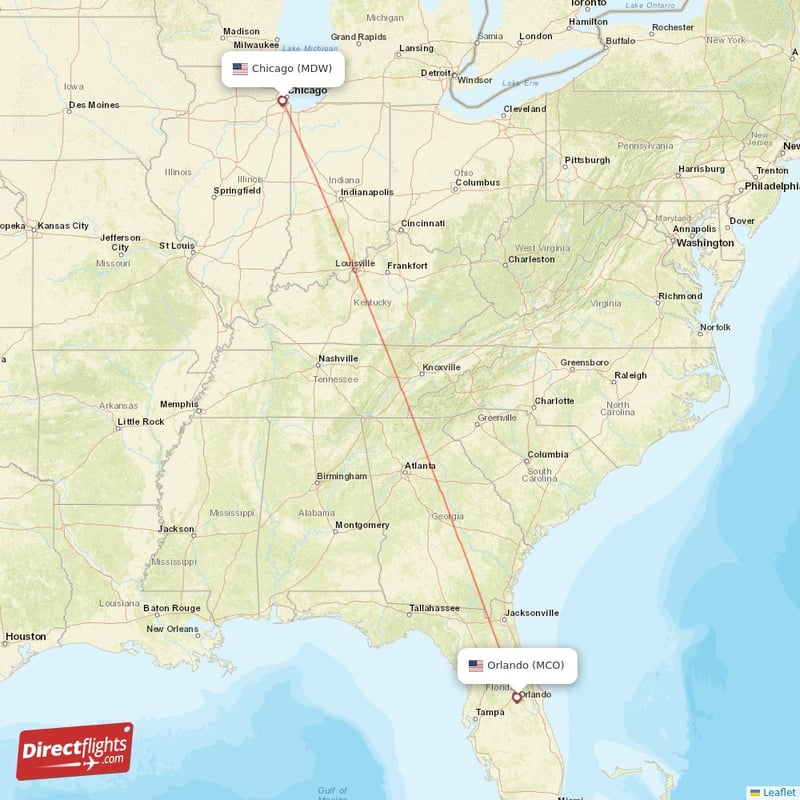
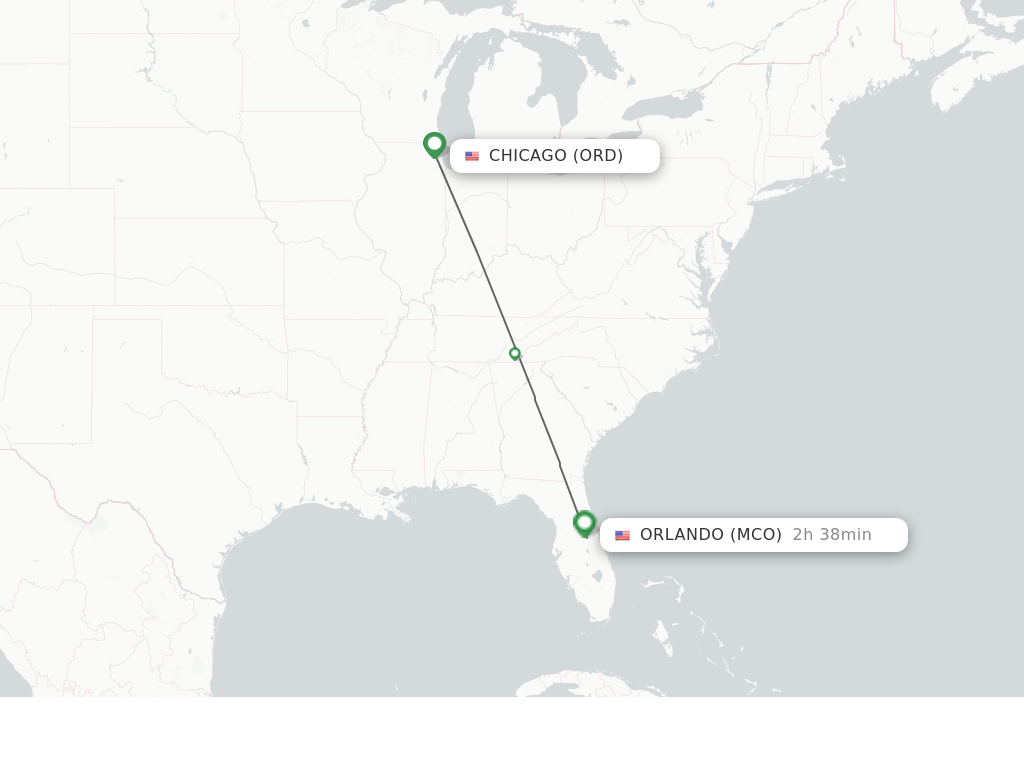
A direct flight from Chicago to Orlando typically ranges between 2 hours and 30 minutes to 3 hours. This duration can fluctuate slightly depending on the specific departure and arrival airports, as well as the airline operating the service. For instance, flights departing from O’Hare International Airport (ORD) might have a marginally different average flight time compared to those leaving from Midway International Airport (MDW). Similarly, flights landing at Orlando International Airport (MCO) versus the smaller Orlando Sanford International Airport (SFB) can also see minor variations in airtime due to different flight paths and approach procedures. Several major airlines, including United Airlines, American Airlines, Southwest Airlines, Spirit Airlines, Frontier Airlines, and Delta Air Lines, offer frequent non-stop services on this popular route, providing travelers with a wide array of choices to fit their schedules and budgets.
Factors Influencing Direct Flight Times
While the average provides a good baseline, several factors can cause slight deviations in the actual flight duration:
- Tailwinds and Headwinds: The most significant meteorological factor influencing flight time is wind. A strong tailwind (wind blowing in the direction of flight) can significantly shorten the journey, sometimes by 15-20 minutes or more. Conversely, a strong headwind can extend the flight duration. Pilots constantly adjust their speed and altitude to optimize for these conditions.
- Air Traffic Control (ATC) Directives: Air traffic density, especially around major hubs like Chicago and Orlando, can lead to delays. ATC might issue holding patterns, revised flight paths, or speed restrictions, all of which can add minutes to the planned flight time.
- Route Optimization: Airlines use sophisticated software to determine the most efficient flight paths, taking into account weather, restricted airspace, and air traffic. Minor adjustments to these routes can affect the total distance flown and, consequently, the time taken.
- Aircraft Type: While less impactful on commercial routes of this distance, different aircraft models have varying cruising speeds. A slightly faster jet might shave a few minutes off the flight compared to a slower one, though these differences are often negligible for the passenger experience.
Understanding the Variables: Beyond Direct Flights
While non-stop flights are generally preferred for their efficiency, understanding the role of connecting flights and other operational factors is essential for comprehensive travel planning.
The Impact of Layovers and Connections
For travelers seeking potentially lower fares or flying from less direct origins, flights with layovers are a common alternative. The total travel time for a connecting flight can vary wildly, extending from 4-5 hours to 8 hours or even more, depending entirely on the duration and location of the layover. Common connection points for this route might include airports in cities like Atlanta, Charlotte, or Dallas. When considering a connecting flight, it’s crucial to factor in not just the flight legs themselves but also the time needed for deplaning, navigating the connecting airport, and re-boarding. A short layover (e.g., 45-60 minutes) carries a higher risk of missing your connection if the first flight is delayed, while longer layovers can add unnecessary hours to your journey. Always check the minimum connection time recommended by the airline for the specific airport.
Aircraft Type and Speed
Modern commercial aircraft typically cruise at speeds between 500-600 miles per hour (800-965 km/h). The specific model of aircraft, be it a Boeing 737, Airbus A320, or a larger Boeing 757 sometimes used on this route, will have slightly different optimal cruising speeds. However, for a flight segment of approximately 990 miles (1,593 km) like Chicago to Orlando, the difference in airtime between these common aircraft types is usually marginal—perhaps only 5-10 minutes. Airlines prioritize fuel efficiency and passenger comfort, so slight speed variations are more about operational parameters than a significant impact on passenger travel time.
Air Traffic Control and Route Efficiency
The skies are a complex network, and Air Traffic Control (ATC) plays a vital role in ensuring safety and efficiency. ATC directs aircraft, managing take-offs, landings, and en-route movements. During peak travel seasons or adverse weather conditions, ATC might implement flow control measures, causing planes to depart later, fly at different altitudes, or even take slightly longer routes to avoid congested airspace. This is particularly relevant when flying into or out of busy airports like O’Hare International Airport in Chicago or Orlando International Airport. While these measures ensure safety, they can inevitably add to the total travel time. Airlines often pad their scheduled flight times by a few minutes to account for such potential delays, aiming to maintain on-time performance records.
Optimizing Your Travel Experience
Beyond just the flight duration, several strategic choices can enhance your journey and ensure a smoother trip from the Midwest to the Sunshine State.
Choosing Your Departure Airport in Chicago
Chicago offers two primary airports for commercial flights: O’Hare International Airport (ORD) and Midway International Airport (MDW).
- O’Hare International Airport (ORD): One of the busiest airports in the world, ORD offers a vast selection of airlines and flight times, often at competitive prices. Its size means longer taxi times to and from runways and potentially more walking within terminals. It is located further northwest of downtown Chicago.
- Midway International Airport (MDW): Located closer to downtown and generally smaller, MDW is known for its efficiency and shorter wait times. It’s a hub for Southwest Airlines, which offers numerous non-stop flights to Orlando. If convenience and a quicker airport experience are priorities, MDW might be the better choice, depending on your starting point in the Chicago area. Consider your commute to each airport when making your decision.
Selecting Your Arrival Airport in Orlando
Similarly, Orlando is served by two main airports:
- Orlando International Airport (MCO): This is the primary and busiest airport, located closest to major attractions like Walt Disney World Resort and Universal Orlando Resort. It offers the most options for ground transportation and rental cars.
- Orlando Sanford International Airport (SFB): Situated further north, SFB is a smaller airport primarily used by budget airlines like Allegiant Air and Sun Country Airlines. While sometimes offering cheaper flights, the trade-off is a longer drive (approximately 45 minutes to an hour) to Orlando’s main attractions. Evaluate the total cost and time, including ground transportation, before opting for SFB.
Best Times to Fly: Weather and Demand
The time of year and even the time of day can influence your flight experience.
- Weather Considerations: While flights generally operate reliably, severe weather events in either Chicago (snowstorms in winter) or Orlando (thunderstorms in summer) can lead to delays or cancellations. Flying during calmer weather periods can mitigate these risks.
- Peak Travel Times: Weekends, holidays, and school breaks see increased demand, often resulting in higher fares and fuller flights. Flexibility with your travel dates, flying mid-week or during off-peak seasons, can lead to better deals and a more relaxed airport experience. Early morning flights are also often less prone to cumulative delays that build up throughout the day.
Pre-Flight and Post-Flight Considerations
The actual time in the air is only one component of your overall travel time. Acknowledging the pre-flight and post-flight processes is vital for an accurate estimation of your total journey duration.
Airport Arrival and Security Checkpoints
Before you even step on the plane, you need to navigate the airport. It’s recommended to arrive at the airport at least 2 hours before a domestic flight, especially if you’re checking bags. This allows ample time for:
- Check-in and Bag Drop: Depending on your airline and whether you’ve checked in online, this process can take anywhere from 10 minutes to over an hour if lines are long.
- Security Screening: TSA checkpoints can be unpredictable. During peak times, wait times can exceed an hour. Programs like TSA PreCheck or Clear can significantly expedite this process.
- Walking to Your Gate: Large airports like ORD require considerable walking or shuttle rides between terminals/concourses.
Accounting for these pre-flight activities, your effective “travel time” starts much earlier than your scheduled departure.
Navigating Orlando International Airport (MCO)
Upon arrival at Orlando International Airport (MCO), the process continues:
- Deplaning and Terminal Transfer: MCO utilizes an airside/landside terminal system. You’ll deplane in one of four airsides and then take an automated people mover (APM) to the main terminal building (landside) to collect luggage and access ground transportation. This transfer usually takes 10-15 minutes.
- Baggage Claim: Waiting for checked luggage can add another 15-30 minutes to your arrival process.
- Rental Cars/Ground Transportation: MCO has extensive facilities for rental cars, taxis, ride-shares, and shuttle services. Locating your chosen transport and getting on the road typically adds another 15-20 minutes.
Ground Transportation in Orlando
Once you’ve cleared the airport, the final leg of your journey is reaching your accommodation or destination in Orlando.
- To Walt Disney World Resort/Universal Orlando Resort Area: From MCO, the drive to the main theme park areas (like Lake Buena Vista or International Drive) typically takes 20-40 minutes, depending on traffic.
- To Downtown Orlando: The drive to downtown Orlando from MCO is usually around 15-25 minutes.
- From Orlando Sanford International Airport (SFB): As mentioned, expect a longer drive, often 45-60 minutes, to reach the main tourist areas from SFB.
Including all these steps, a journey from leaving your home in Chicago to arriving at your Orlando hotel can easily span 6-8 hours or more, even with a direct flight.
Making the Most of Your Journey
While the flight is a means to an end, it can also be an enjoyable part of your travel experience with a little preparation.
In-Flight Comfort and Amenities
For a flight lasting around 2.5 to 3 hours, comfort is key. Most airlines operating this route offer standard economy seating, but some provide options for extra legroom or upgraded services.
- Connectivity: Many carriers now offer in-flight Wi-Fi, allowing you to stay connected, work, or stream entertainment. Some services may be complimentary, while others require a fee.
- Entertainment: While short, flights often provide seat-back screens with movies and TV shows, or access to content via your personal device. Don’t forget to download movies or podcasts beforehand as a backup.
- Snacks and Beverages: Depending on the airline and fare class, complimentary snacks and non-alcoholic beverages may be offered. For longer flights or if you have specific dietary needs, it’s always wise to bring your own snacks.
Dress comfortably, bring a good book or your favorite tunes, and use the opportunity to relax before the excitement of Orlando begins.
Preparing for Your Orlando Adventure
Even before landing, you can start mentally preparing for your Orlando experience.
- Review Your Itinerary: Use the flight time to double-check park hours, dining reservations, or activity bookings.
- Weather Check: Confirm the latest Orlando weather forecast to ensure you have appropriate clothing packed.
- Theme Park Apps: If visiting Walt Disney World Resort or Universal Orlando Resort, download their respective mobile apps (e.g., My Disney Experience, Universal Orlando Resort App) before you land. These apps are invaluable for park navigation, wait times, mobile ordering, and more.
In conclusion, while the core flight time from Chicago to Orlando is a manageable 2.5 to 3 hours, successful travel planning requires accounting for all stages of the journey. By understanding the variables and making informed choices about airports, airlines, and timing, you can ensure a smooth and enjoyable transition from the hustle of Chicago to the magical allure of Orlando. Safe travels!
LifeOutOfTheBox is a participant in the Amazon Services LLC Associates Program, an affiliate advertising program designed to provide a means for sites to earn advertising fees by advertising and linking to Amazon.com. Amazon, the Amazon logo, AmazonSupply, and the AmazonSupply logo are trademarks of Amazon.com, Inc. or its affiliates. As an Amazon Associate we earn affiliate commissions from qualifying purchases.