
Embarking on a journey, whether for business or leisure, often begins with a fundamental question: “How far is it?” For those contemplating a trip between the vibrant metropolis of Boston and the charming landscapes of Connecticut, understanding the distance and travel time is paramount to effective planning. This article serves as your comprehensive guide, delving into the geographical nuances, transportation options, and the myriad experiences that await you at both ends of this popular New England corridor. From scenic road trips to efficient train travel, we’ll cover everything you need to know to transform your travel plans into a memorable adventure.

Unveiling the Distance: A Geographical Perspective
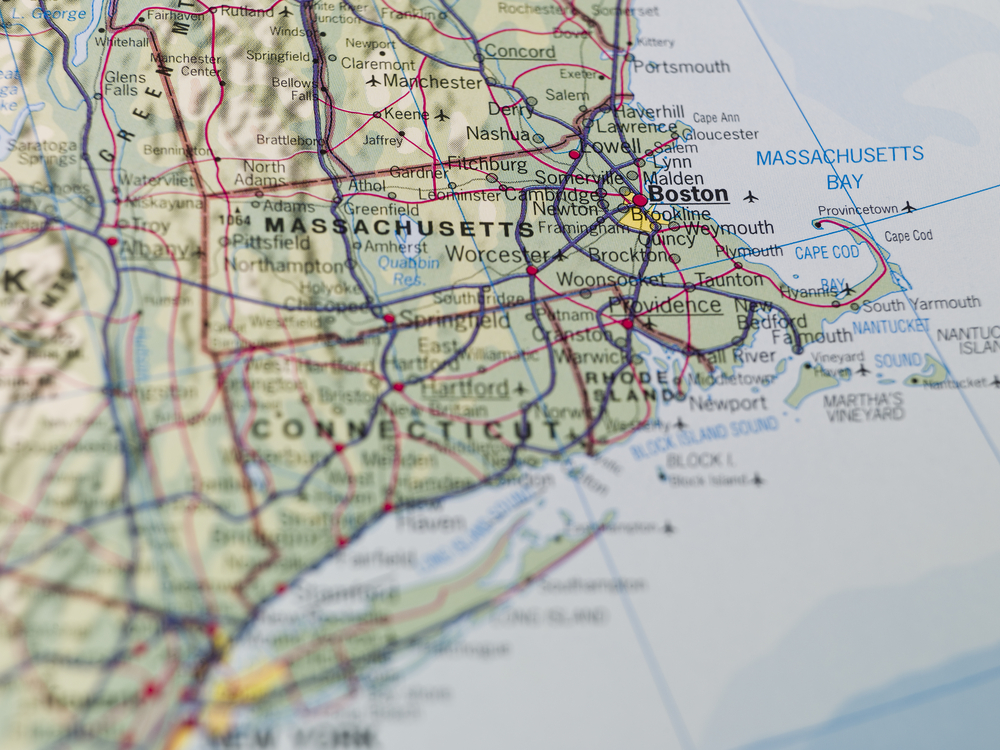
The journey between Boston, Massachusetts, and various points in Connecticut is a well-traveled route, connecting two distinct yet equally captivating regions. The distance isn’t a single, fixed number but rather varies depending on your specific departure point in Boston and your chosen destination within Connecticut, which stretches over 100 miles from east to west.
The Straightforward Answer: Mileage and Travel Time
On average, the driving distance from downtown Boston to a central Connecticut city like Hartford is approximately 100-110 miles (160-177 kilometers). To coastal cities like New Haven, the distance stretches to about 140 miles (225 kilometers), and to the popular Mystic area, it’s roughly 90-100 miles (145-160 kilometers).
The corresponding travel time, under ideal conditions without significant traffic, typically ranges from:
- 1 hour 45 minutes to 2 hours 15 minutes for eastern Connecticut (e.g., Mystic, New London).
- 1 hour 45 minutes to 2 hours 30 minutes for central Connecticut (e.g., Hartford).
- 2 hours 30 minutes to 3 hours for southern Connecticut (e.g., New Haven, Stamford, Greenwich).
These estimates serve as a baseline, with actual travel times subject to significant fluctuations based on traffic conditions, time of day, and specific routes taken.
Key Routes and Interstate Connections
The primary arteries connecting Boston and Connecticut are the Interstate highways, offering generally straightforward navigation:
- I-90 (Massachusetts Turnpike) and I-84: This is the most common route for destinations in central and western Connecticut, including Hartford. From Boston, you’d take I-90 West to I-84 West.
- I-90 and I-395/Route 6: For eastern Connecticut towns like Mystic and New London, you might take I-90 West for a shorter stretch before connecting to I-395 South or Route 6 West.
- I-95: While I-95 runs through coastal Connecticut, accessing it directly from Boston typically involves first heading south on I-93 and then connecting to I-95 South through Providence, Rhode Island. This route is longer for Hartford but ideal for coastal Connecticut destinations and points further south towards New York City.
Each route offers its own advantages, with the most efficient choice largely depending on your final destination within Connecticut.
Navigating the Journey: Transportation Options
Travelers have several viable options for making the trip between Boston and Connecticut, each offering a different balance of cost, convenience, and flexibility.
Driving: Flexibility and Scenic Routes
Driving is, for many, the preferred method of travel between these two points due to its unparalleled flexibility. You can set your own schedule, make spontaneous stops, and carry as much luggage as you need. The routes are generally well-maintained, though tolls are present on parts of I-90 in Massachusetts.
Pros of Driving:
- Flexibility: Depart and arrive on your schedule.
- Door-to-door convenience: Especially useful if your Connecticut destination isn’t easily accessible by public transport.
- Road trip potential: Opportunity to explore charming towns, diners, or natural attractions along the way.
- Cost-effective for groups: When splitting fuel and toll costs, driving can be more economical than individual train or bus tickets.
Cons of Driving:
- Traffic: Can significantly extend travel times, especially during rush hour or holiday weekends.
- Parking: Can be expensive and challenging in urban centers like Boston and some Connecticut cities.
- Wear and tear: On your vehicle and yourself.
Public Transportation: Bus and Train Connections
For those who prefer to avoid driving, public transportation offers a comfortable and often less stressful alternative.
Bus Services
Several bus companies operate routes connecting Boston with various cities in Connecticut. Greyhound and Peter Pan Bus Lines are the most prominent, offering multiple daily departures from Boston’s South Station to destinations like Hartford, New Haven, and Stamford.
- Travel Time: Typically 2.5 to 4 hours, depending on the destination and number of stops.
- Cost: Generally the most budget-friendly option, with fares varying based on booking in advance and demand.
- Convenience: Drop-off and pick-up usually occur in city centers, close to other public transport hubs.
Train Services
Amtrak provides train services along the Northeast Corridor, connecting Boston’s South Station with Connecticut cities. The Acela Express offers faster, premium service, while the Northeast Regional is a more economical option with more frequent stops.
- Travel Time: For Hartford, expect around 2.5 to 3 hours. For New Haven, it’s typically 3.5 to 4 hours due to the indirect route.
- Cost: Fares can be higher than bus travel, especially for Acela or last-minute bookings, but often include amenities like Wi-Fi and power outlets.
- Comfort: Trains offer more space to move around, larger seats, and often scenic views, making them a comfortable choice for longer journeys.
Flying: A Niche Consideration
While flying is generally impractical for a trip between Boston and Connecticut due to the relatively short distance, it could be a consideration in very specific circumstances, such as connecting to a further destination or if one is already at an airport. Logan International Airport (BOS) in Boston and Bradley International Airport (BDL) near Hartford are the main hubs.
- Travel Time: Flight time itself is very short (around 30-45 minutes), but once you factor in airport transfers, security checks, and waiting times, the total travel duration usually far exceeds driving or train travel.
- Cost: Flights are typically much more expensive than other options for this route.
- Convenience: Only convenient if your origin and destination are very close to these airports and other transport methods are unsuitable.
Beyond the Miles: Planning Your Trip
Understanding the sheer mileage is just the first step. A well-planned trip considers various other factors to ensure a smooth and enjoyable experience.
Factors Affecting Travel Time: Traffic and Time of Day
Traffic is the single biggest variable that can turn a two-hour drive into a four-hour ordeal.
- Rush Hour: Avoid traveling during peak commuter times (typically 6:30 AM – 9:30 AM and 3:30 PM – 6:30 PM on weekdays), especially in and around Boston and the Hartford metropolitan area.
- Weekends and Holidays: Long weekends and major holidays see a significant increase in traffic, particularly on Fridays afternoon/evening and Sunday afternoons/evenings as people travel to and from vacation spots.
- Construction: Ongoing road work can cause unexpected delays, so checking real-time traffic apps is always recommended.
Ideal Times to Travel
To minimize potential delays and maximize comfort:
- Mid-day on a weekday (10 AM – 2 PM): Often the sweet spot for driving, after morning rush hour and before afternoon congestion.
- Early morning on a weekend: Departing before 8 AM on a Saturday or Sunday can allow you to cover significant distance before traffic builds up.
- Late evening: Traveling after 7 PM on weekdays can also be relatively smooth, though driver fatigue becomes a consideration.
Exploring Both Ends: Attractions and Destinations
Whether you’re visiting Boston from Connecticut or vice versa, both regions offer a wealth of attractions catering to diverse interests.
Must-See Sights in Boston
Boston is a city steeped in history, culture, and vibrant urban life:
- Freedom Trail: A 2.5-mile walk through the city’s most historic sites, including Boston Common, Faneuil Hall Marketplace, and the Old North Church.
- Fenway Park: Home of the Boston Red Sox, a must-visit for sports enthusiasts, even if just for a tour.
- Museums: The Museum of Fine Arts, the Isabella Stewart Gardner Museum, and the New England Aquarium offer world-class collections and experiences.
- Academic Hubs: Explore the campuses of Harvard University in Cambridge or the Massachusetts Institute of Technology (MIT).
- Food Scene: Indulge in fresh seafood at the Boston Seaport or Italian delicacies in the North End.
Connecticut’s Charms: From Coastal Towns to Historic Cities
Connecticut offers a diverse array of attractions, from quaint coastal villages to bustling urban centers:
- Mystic: A popular destination known for its maritime history, featuring the Mystic Seaport Museum and Mystic Aquarium.
- New Haven: Home to the prestigious Yale University, with its stunning architecture and world-class art galleries, plus a renowned pizza scene.
- Hartford: The state capital, offering historical sites like the Mark Twain House & Museum and the Wadsworth Atheneum Museum of Art.
- Coastal Drives: Explore charming shoreline towns like Old Saybrook, Norwalk, or Greenwich.
- Casinos: For entertainment, Foxwoods Resort Casino and Mohegan Sun offer gaming, dining, and live performances.
- Nature: Visit Gillette Castle State Park for unique architecture and panoramic views of the Connecticut River.
Making the Most of Your Journey: Practical Tips
Regardless of your chosen mode of transport, a few practical tips can enhance your travel experience.
Road Trip Essentials
If driving, consider these:
- Vehicle Check: Ensure your car is in good condition, especially tires, oil, and fluid levels.
- Navigation: Use a reliable GPS or smartphone app with real-time traffic updates (e.g., Google Maps, Waze).
- Entertainment: Prepare playlists, podcasts, or audiobooks for your journey.
- Snacks and Drinks: Pack a cooler with refreshments to avoid frequent stops and save money.
- Emergency Kit: Jumper cables, a first-aid kit, and a flashlight are always good to have.
- Toll Payment: Many tolls in Massachusetts are cashless (all-electronic), relying on EZ-Pass or billing by plate. Ensure you’re aware of the system.

Accommodations and Stopovers
- Book Ahead: Especially during peak season or for popular destinations, secure your accommodations in advance.
- Consider a Mid-Way Stop: If you’re traveling from a far end of Connecticut to Boston or vice versa, and want to break up the journey, cities like Worcester, Massachusetts, or Springfield, Massachusetts, offer lodging and dining options.
- Public Transport Hub Hotels: If using trains or buses, look for hotels conveniently located near South Station in Boston or the main Amtrak stations in Hartford or New Haven.
In conclusion, the distance between Connecticut and Boston is easily manageable, making it an ideal route for short trips, weekend getaways, or longer explorations. With proper planning and an understanding of the available transportation options, your journey between these two captivating New England gems is sure to be as rewarding as the destinations themselves.
LifeOutOfTheBox is a participant in the Amazon Services LLC Associates Program, an affiliate advertising program designed to provide a means for sites to earn advertising fees by advertising and linking to Amazon.com. Amazon, the Amazon logo, AmazonSupply, and the AmazonSupply logo are trademarks of Amazon.com, Inc. or its affiliates. As an Amazon Associate we earn affiliate commissions from qualifying purchases.