
Embarking on a journey from the vibrant heart of the United States, Chicago, to the futuristic metropolis of Tokyo, Japan, is an adventure that spans continents, cultures, and a considerable amount of time in the air. This trans-Pacific flight is one of the longest commercial routes available, covering thousands of miles and traversing multiple time zones. Understanding the duration of this flight is crucial for any traveler planning their itinerary, managing expectations, and preparing for the extensive travel involved.
The simple answer to “How long is a flight from Chicago to Tokyo?” typically ranges from 12 to 14 hours for a direct flight. However, this is merely an average, and several critical factors can influence the actual time spent in the air, from the specific airline and aircraft to environmental conditions and whether you opt for a direct or connecting flight. This comprehensive guide will delve into these variables, offer insights into what to expect during your journey, and provide practical advice for making your long-haul flight as comfortable as possible.
The Trans-Pacific Journey: An Overview
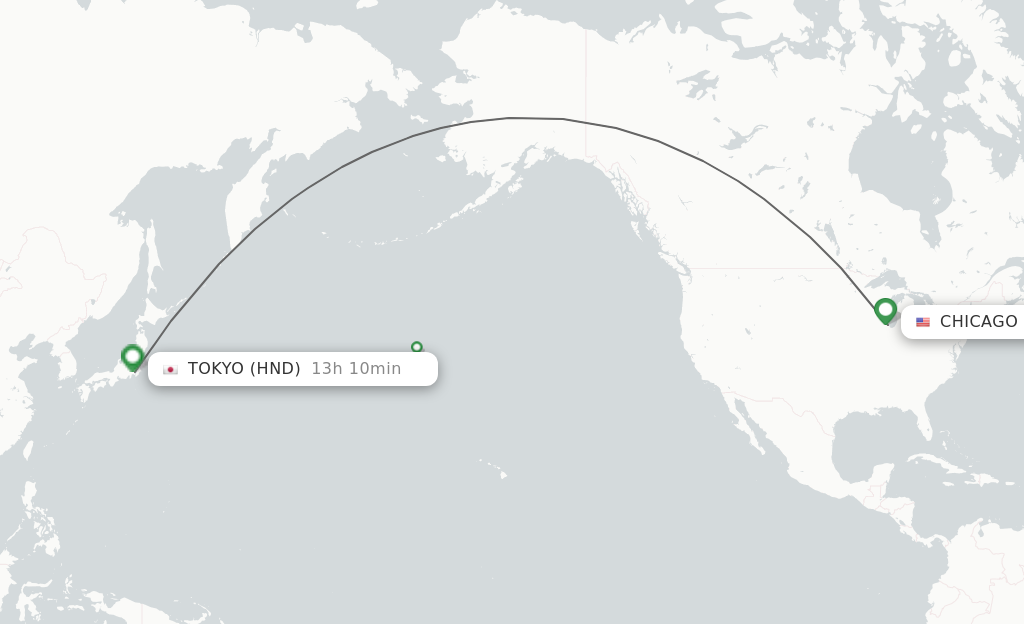
The vast expanse of the Pacific Ocean separates North America from Asia, making any flight between the two continents a significant undertaking. The distance between Chicago (O’Hare International Airport – ORD) and Tokyo (Narita International Airport – NRT or Haneda Airport – HND) is approximately 6,200 to 6,300 miles (around 10,000 to 10,100 kilometers). This substantial distance necessitates a flight duration that demands preparation and an understanding of the journey ahead.
Direct Flights vs. Connecting Flights
The most straightforward way to travel from Chicago to Tokyo is via a direct flight. These flights eliminate the need for layovers, minimizing total travel time and reducing the chances of missed connections or baggage issues. For this route, direct flights typically fall within the 12 to 14-hour range.
Connecting flights, while often more budget-friendly, significantly extend the total travel time. A flight with one layover can push the total journey time to anywhere from 16 to 24 hours or even more, depending on the duration of the stopover and the efficiency of the connecting airports. Common layover cities in North America for this route include major hubs on the west coast such as Los Angeles, San Francisco, and Seattle in the United States, or Vancouver in Canada. Some connections might also route through other Asian hubs like Seoul or Taipei.
Geographical Distance and Time Zones
The immense geographical distance directly dictates the flight’s duration. Furthermore, the significant time zone difference plays a crucial role in how the journey feels and impacts the traveler upon arrival. Chicago operates in Central Daylight Time (CDT) or Central Standard Time (CST), which is UTC-5 or UTC-6, respectively. Tokyo operates in Japan Standard Time (JST), which is UTC+9. This translates to a staggering 14-hour time difference (when Chicago is on CDT). When you depart [Chicago](https://lifeoutofthebox.com/chicago] in the afternoon, you are essentially flying “into tomorrow,” often arriving two calendar days after your departure date due to crossing the International Date Line. This phenomenon, while fascinating, can intensify the effects of jet lag.
Average Flight Duration Explained
The “average” flight duration is a calculation based on typical cruising speeds, direct routes, and standard operational procedures. For non-stop flights, 12 to 13 hours is a common baseline. However, a range is provided because of the dynamic nature of air travel. It’s not merely a fixed speed over a fixed distance; rather, it’s a complex interplay of atmospheric conditions, air traffic management, and airline-specific factors.
Key Factors Influencing Flight Time
While a direct flight offers the fastest path from Chicago to Tokyo, several elements can subtly or significantly alter the actual flight time. Being aware of these can help set realistic expectations and understand potential variances.
Headwinds and Tailwinds: The Role of the Jet Stream
One of the most impactful natural phenomena affecting trans-Pacific flights is the jet stream. These strong, fast-moving currents of air flow from west to east at high altitudes.
- Tailwinds: When flying eastward, from Tokyo to Chicago, aircraft often benefit from the jet stream, which acts as a natural “push,” shortening flight times. A return flight might be as short as 11 hours.
- Headwinds: Conversely, when flying westward, from Chicago to Tokyo, aircraft often fly against the jet stream. This creates a “headwind,” requiring more power and extending flight duration. This is a primary reason why the westbound flight is typically longer than the eastbound return. The difference can be as much as 1 to 2 hours. Pilots will often seek to avoid the strongest headwinds, but some resistance is usually unavoidable.
Aircraft Type and Cruising Speed
Different aircraft models have varying cruising speeds and operational efficiencies. Modern wide-body jets, such as the Boeing 787 Dreamliner, Boeing 777, or Airbus A350, are designed for long-haul routes and typically cruise at speeds of around 550-580 miles per hour (885-933 km/h).
- Newer, more fuel-efficient planes may be able to maintain higher average speeds without excessive fuel consumption, potentially shaving a few minutes off the total flight time.
- Older aircraft or those operated by airlines with different operational strategies might have slightly longer schedules.
Route Optimization and Air Traffic Control
Airlines constantly optimize their flight paths for efficiency, safety, and fuel consumption. Factors include:
- Air Traffic Control (ATC) restrictions: Over congested airspace or during peak times, ATC may mandate specific routes or altitudes, which can add slight detours.
- Weather avoidance: Pilots will deviate from the planned route to avoid turbulent weather, storms, or volcanic ash, ensuring passenger safety and comfort. Such diversions, while necessary, can add to the flight time.
- Geopolitical considerations: Airspaces over certain regions might be restricted, necessitating longer, alternative routes.
Layover Duration (for connecting flights)
For travelers opting for connecting flights, the layover duration is the primary determinant of the total journey time. Layovers can range from a quick 1-hour dash between gates to an extended 8-12 hour stopover, or even an overnight stay. When booking connecting flights, it’s essential to:
- Allow sufficient connection time: Especially for international flights where customs and immigration may be involved.
- Consider airline schedules: Some connections are more efficiently timed than others.
- Factor in potential delays: A delay on the first leg of a journey can easily lead to missing a tight connection.
Airlines Servicing the Chicago-Tokyo Route
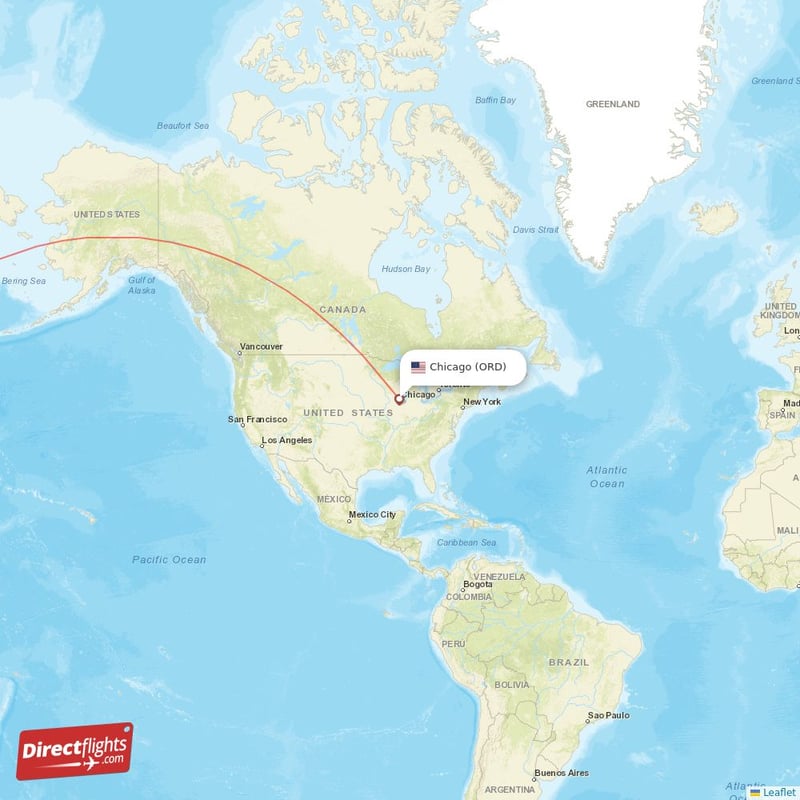
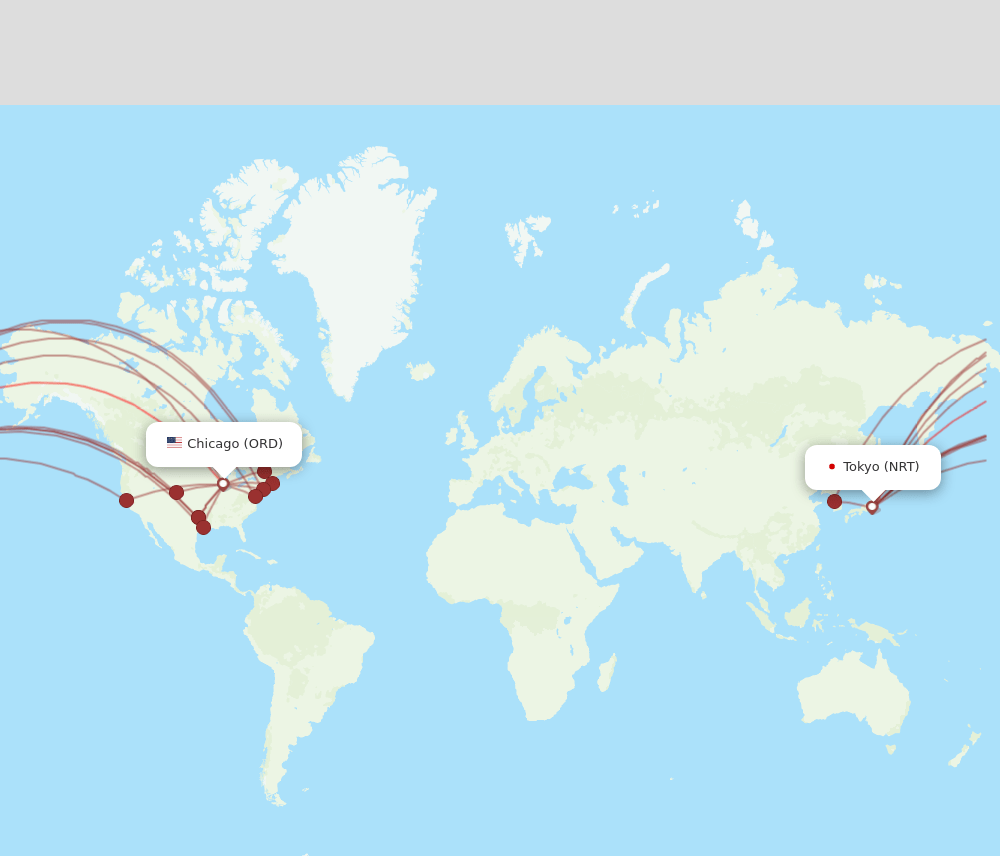
A number of reputable airlines offer services between Chicago’s O’Hare International Airport (ORD) and Tokyo’s primary international gateways, Narita International Airport (NRT) and Haneda Airport (HND).
Major Carriers and Their Schedules
The primary carriers for direct flights between Chicago and Tokyo typically include:
- Japan Airlines (JAL): Often flies direct to Narita or Haneda.
- All Nippon Airways (ANA): Another major Japanese carrier, also offering direct services to both Narita and Haneda.
- United Airlines: A major US carrier, operating direct flights to Narita or Haneda from its hub in Chicago.
These airlines generally have comparable flight durations for their direct services, usually falling within the 12.5 to 13.5-hour window. Schedules can vary based on the season and day of the week, so it’s always best to check the most current information.
Non-Stop Flight Options
Non-stop flights are the most convenient and fastest option. As mentioned, major airlines like Japan Airlines, All Nippon Airways, and United Airlines are usually the carriers offering these direct routes. While premium, these flights save valuable time and reduce the logistical complexities of connections. For a 13-hour flight, departing Chicago at, say, 1 PM CDT on Monday would typically result in an arrival in Tokyo around 4 AM JST on Wednesday, effectively losing an entire day due to time zone differences.
Common Layover Hubs for Connecting Flights
If a direct flight isn’t available or budget is a concern, connecting flights are a viable alternative. Popular layover cities include:
- United States West Coast: San Francisco (SFO), Los Angeles (LAX), Seattle (SEA) are major hubs with frequent flights to Tokyo. Airlines like American Airlines and Delta Air Lines often use these routes.
- Canada: Vancouver (YVR) is a popular option, with Air Canada offering strong connections.
- Asia: Some routes might connect through other Asian cities before reaching Tokyo, such as Seoul (ICN) with Korean Air or [Asiana Airlines], Taipei (TPE) with EVA Air or [China Airlines], or even Shanghai (PVG) with China Eastern. While these routes might be longer, they sometimes offer competitive pricing.
Preparing for a Long-Haul Flight to Japan
A 12-14 hour flight, combined with a significant time zone change, can be taxing on the body. Proper preparation can significantly mitigate discomfort and minimize the effects of jet lag.
Beating Jet Lag: Strategies for Tokyo Time
Jet lag is almost inevitable on a flight of this magnitude. Strategies to combat it include:
- Adjusting Sleep Schedule: Begin shifting your sleep schedule a few days before departure, trying to gradually move closer to Tokyo time.
- Hydration: Drink plenty of water before, during, and after the flight. Avoid excessive alcohol and caffeine, which can exacerbate dehydration.
- Movement: Get up and move around the cabin every couple of hours to promote circulation and prevent stiffness. Perform simple stretches in your seat.
- Lighting: Upon arrival, expose yourself to natural light during Tokyo daytime to help reset your circadian rhythm. Avoid bright lights late at night.
- Sleep Discipline: Try to sleep on the plane according to [Tokyo](https://lifeoutofthebox.com/tokyo]’s night schedule, if possible. Once you land, resist the urge to nap for too long during the day.
In-Flight Comfort and Essentials
Making yourself comfortable on a long flight is paramount:
- Comfortable Clothing: Wear loose-fitting, breathable layers.
- Essentials Kit: Pack an eye mask, earplugs/noise-canceling headphones, a travel pillow, moisturizing lotion, lip balm, and any necessary medications in your carry-on.
- Entertainment: Load up your devices with movies, TV shows, podcasts, or e-books. While most airlines offer in-flight entertainment, having your own options is always a good idea.
- Snacks: Pack some healthy snacks, as airline meal times may not align with your internal clock.
- Hydration reminders: Carry a reusable water bottle to refill after security checks.
Post-Arrival: Getting Around Tokyo
Upon landing at either Narita or Haneda, you’ll need to navigate your way into central Tokyo.
- From Narita: The Narita Express (N’EX) or Keisei Skyliner are the fastest and most convenient train options to major Tokyo stations like Shinjuku, Tokyo Station, or Ueno. Limousine buses are also available.
- From Haneda: Haneda is much closer to central Tokyo. The Keikyu Line or Tokyo Monorail provide quick access to various parts of the city. Taxis are an option but expensive.
Beyond the Flight: Planning Your Tokyo Adventure
While the flight duration is a critical piece of information, a successful trip to Tokyo involves broader planning.
Best Time to Visit
Tokyo is a year-round destination, but certain seasons offer unique experiences:
- Spring (March-May): Famous for cherry blossoms (sakura), comfortable temperatures.
- Autumn (September-November): Vibrant fall foliage, pleasant weather, fewer crowds than spring.
- Summer (June-August): Hot and humid, but lively with festivals.
- Winter (December-February): Cold but clear days, fewer tourists, beautiful illuminations.
Visa and Entry Requirements for Japan
Travelers from the United States typically do not require a visa for stays of up to 90 days for tourism purposes. However, it’s always essential to check the most current visa and entry requirements from the Japanese embassy or consulate well in advance of your travel date, as regulations can change. Ensure your passport is valid for the duration of your stay.
Must-See Attractions in Tokyo
Once you’ve successfully navigated your long journey and settled into Tokyo, a world of incredible experiences awaits. Some iconic attractions include:
- Shibuya Crossing: Experience the organized chaos of the world’s busiest intersection.
- Senso-ji Temple: Tokyo’s oldest temple, offering a glimpse into traditional Japan.
- Tokyo Skytree or Tokyo Tower: For panoramic views of the sprawling city.
- Imperial Palace East Garden: Explore the grounds of the Emperor’s residence.
- Meiji Jingu Shrine: A serene oasis dedicated to Emperor Meiji and Empress Shoken.
- Ginza and Shinjuku: For shopping, dining, and vibrant nightlife.
In conclusion, a flight from Chicago to Tokyo is a significant journey, with direct flights typically lasting between 12 and 14 hours. By understanding the factors that influence this duration and preparing adequately, travelers can ensure a smoother, more comfortable experience as they cross continents to explore the wonders of Japan’s captivating capital.
LifeOutOfTheBox is a participant in the Amazon Services LLC Associates Program, an affiliate advertising program designed to provide a means for sites to earn advertising fees by advertising and linking to Amazon.com. Amazon, the Amazon logo, AmazonSupply, and the AmazonSupply logo are trademarks of Amazon.com, Inc. or its affiliates. As an Amazon Associate we earn affiliate commissions from qualifying purchases.