
The question, “Is Florida in California?”, might seem straightforward to anyone familiar with a map of the United States, yet it often surfaces in travel discussions, highlighting a common geographical misconception or a playful inquiry into shared characteristics. The simple answer is no; Florida and California are two distinct states, located on opposite sides of the North American continent. Florida graces the southeastern coast, bordered by the Atlantic Ocean and the Gulf of Mexico, while California stretches along the southwest, defined by the vast Pacific Ocean.
Beyond this fundamental geographical separation, these two iconic states offer vastly different travel experiences, shaped by their unique climates, landscapes, cultures, and attractions. For the discerning traveler, understanding these distinctions is key to choosing the ideal destination that aligns with their interests, whether seeking sun-drenched beaches and thrilling theme parks or dramatic coastlines, towering mountains, and vibrant metropolises. This article delves into what makes Florida and California stand apart as premier travel destinations, offering insights into their individual appeals and helping to clarify why they are often mistakenly, yet understandably, lumped together in the popular imagination as America’s ultimate sunshine states.
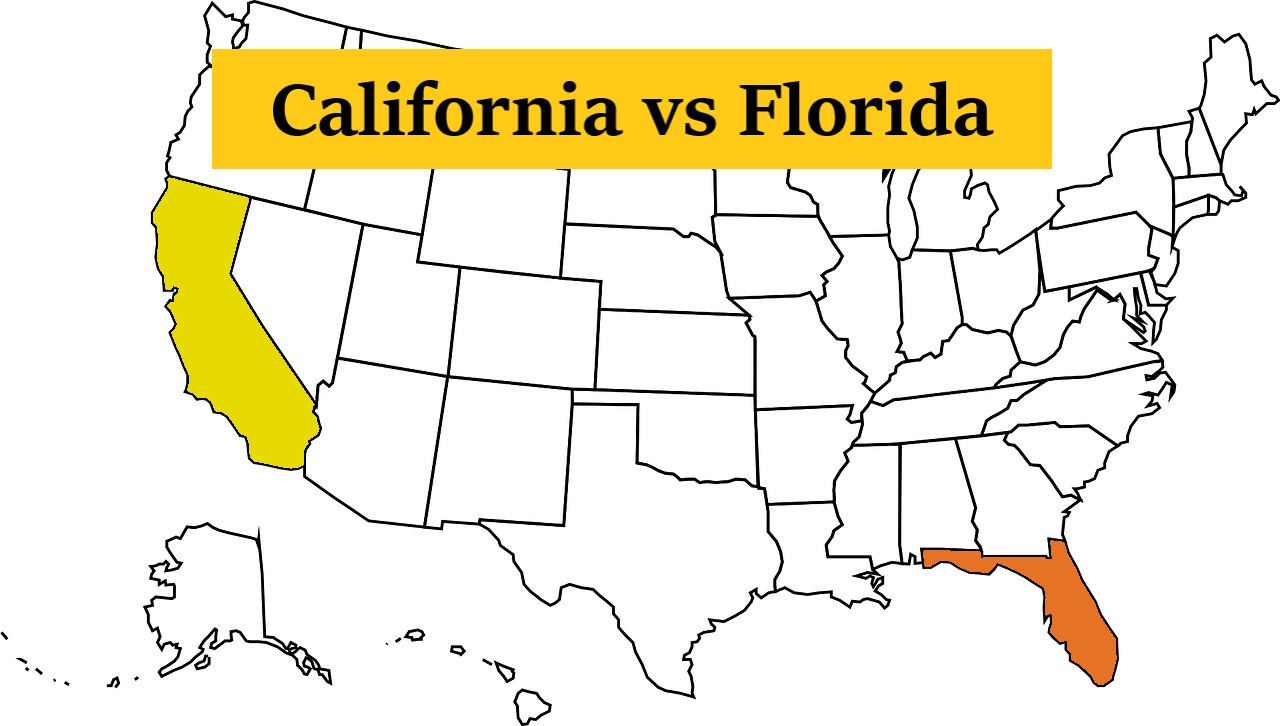
A Tale of Two Coasts: Understanding the Geography and Climate
While both Florida and California are celebrated for their abundant sunshine and extensive coastlines, their geographical positioning dictates profoundly different climates and natural environments, which in turn shape their distinct travel offerings.
The Sunshine State: Florida’s Unique Identity
Florida, often dubbed “The Sunshine State,” is a low-lying peninsula extending into the Atlantic Ocean and Gulf of Mexico. Its geography is predominantly flat, characterized by a subtropical to tropical climate, making it a year-round destination for warmth and water-based activities. The state is famous for its extensive network of waterways, including the unique wetland ecosystem of the Everglades National Park, and its countless lakes.
The climate in Florida is marked by hot, humid summers and mild, pleasant winters. While the summer months (June to September) are ideal for beachgoers, they also bring high humidity and the potential for tropical storms or hurricanes. The cooler, drier winter months (November to April) are considered peak tourist season, offering comfortable temperatures perfect for exploring outdoor attractions without the oppressive heat. This consistent warmth is a major draw for snowbirds and families seeking an escape from colder climes.
The Golden State: California’s Diverse Landscape
In stark contrast, California, known as “The Golden State,” boasts an extraordinary geographical diversity that spans over 800 miles along the Pacific Ocean. This includes everything from sun-drenched beaches and arid deserts to towering mountains, including the magnificent Sierra Nevada range, and lush valleys. The state’s topography creates a multitude of microclimates, offering travelers a chance to experience vastly different environments within relatively short distances.
California’s climate varies dramatically from north to south and east to west. Coastal areas enjoy mild, Mediterranean-like weather, with warm, dry summers and cool, wet winters. Inland regions, particularly in the south, can experience extreme heat, such as in Death Valley, while the Sierra Nevada mountains receive significant snowfall in winter, making them a haven for winter sports enthusiasts. This incredible range means that one can surf in the morning and ski in the afternoon, a testament to California’s unparalleled natural variety.
Distinctive Travel Experiences: What Each State Offers
The unique geographical and climatic characteristics of Florida and California translate into distinct travel experiences, catering to different interests and types of vacations.
Florida: Beaches, Theme Parks, and Tropical Allure
Florida’s travel identity is largely defined by its world-class theme parks, pristine beaches, and vibrant subtropical ecosystems.
- Theme Park Capital: Orlando is undeniably the heart of Florida’s tourism, home to the iconic Walt Disney World Resort, Universal Studios Florida, and SeaWorld Orlando. These attractions draw millions of families and thrill-seekers annually, offering immersive entertainment, thrilling rides, and memorable character experiences.
- Beach Paradises: With thousands of miles of coastline, Florida boasts some of the world’s most beautiful beaches. From the vibrant shores of Miami Beach and the Art Deco charm of South Beach to the tranquil, sugar-sand beaches of the Florida Panhandle and the laid-back vibe of the Florida Keys, there’s a beach for every preference.
- Natural Wonders: Beyond the man-made attractions, Florida offers unique natural experiences. Exploring the Everglades National Park by airboat or kayak provides an encounter with alligators, manatees, and diverse birdlife. The crystal-clear freshwater springs, such as those in Blue Spring State Park, offer opportunities for swimming, snorkeling, and tubing alongside gentle manatees in winter.
- Space Exploration: The Kennedy Space Center Visitor Complex near Cape Canaveral provides a fascinating glimpse into America’s space program, with interactive exhibits, astronaut encounters, and the chance to witness a rocket launch.
California: Mountains, Metropolises, and Pacific Grandeur
California’s travel appeal lies in its staggering diversity, offering everything from urban sophistication and cultural immersion to unparalleled outdoor adventures.
- Iconic Cities: California is home to several world-renowned cities. Los Angeles captivates with its entertainment industry, glamorous Hollywood Hills, and diverse neighborhoods. San Francisco charms with its Victorian architecture, cable cars, and the majestic Golden Gate Bridge. San Diego offers a relaxed coastal vibe, historic neighborhoods like the Gaslamp Quarter, and a thriving craft beer scene.
- National Parks and Outdoor Adventures: The state boasts an impressive array of national parks, each a world unto itself. Yosemite National Park is famous for its granite cliffs, giant sequoia groves, and stunning waterfalls. Redwood National and State Parks protect the tallest trees on Earth. Death Valley National Park presents an otherworldly desert landscape. Beyond these, the Sierra Nevada offers hiking, skiing at resorts like Mammoth Mountain, and the pristine waters of Lake Tahoe.
- Coastal Beauty: The California coastline is legendary, particularly the scenic drive along Highway 1 through Big Sur, renowned for its dramatic cliffs, redwood forests, and breathtaking ocean views. Coastal towns like Santa Monica and Monterey offer piers, aquariums, and classic California beach culture.
- Wine Country: California is a global leader in wine production, with the Napa Valley and Sonoma Valley offering exquisite vineyard tours, wine tastings, and gourmet dining experiences.

Planning Your Visit: Contrasting Climates and Essential Tips
When deciding between Florida and California for your next travel adventure, understanding the nuances of their climates and the best times to visit is crucial for an optimal experience.
Weathering Florida: Humidity, Hurricanes, and Sunshine
Florida’s subtropical to tropical climate means warm weather year-round, but with distinct seasons that impact travel.
- Peak Season (Winter: November to April): This is the most popular time to visit due to comfortable temperatures, low humidity, and minimal rainfall. It’s perfect for theme parks, golf, and enjoying the beaches without extreme heat. However, expect higher prices and larger crowds, especially during holidays and school breaks.
- Shoulder Season (Spring/Fall: May & October): These months offer a good balance, with pleasant weather, fewer crowds than winter, and more affordable rates. Early May can be warm but pre-hurricane season, while October marks the end of hurricane season, often with beautiful weather.
- Off-Peak/Summer Season (June to September): Summers are hot, humid, and rainy, with afternoon thunderstorms a daily occurrence. This is also hurricane season. While crowds can be lower (except for summer vacation spikes at theme parks), the heat and storm risk require careful planning. It’s an excellent time for water parks and indoor attractions, but be prepared for intense sun and humidity.
Travel Tip for Florida: Always check the hurricane forecast if traveling during summer or early fall. Book accommodations and attractions well in advance, especially during peak season or for popular events. Hydration is key, regardless of the season.
Navigating California: From Deserts to Snow-Capped Peaks
California’s vast geographical diversity means that the “best” time to visit largely depends on your desired activities and regions.
- Coastal Regions (e.g., Los Angeles, San Francisco): Enjoy mild, pleasant weather nearly year-round. Summer (June to August) is popular, but coastal fog (known as “June Gloom”) can be common. Spring (April-May) and Fall (September-October) offer ideal temperatures and fewer crowds.
- Wine Country (Napa Valley, Sonoma Valley): The harvest season in late summer and early fall (August-October) is beautiful but busy. Spring offers lush landscapes and pleasant weather.
- Mountain Regions (Yosemite, Sierra Nevada, Lake Tahoe): Summer (June-September) is prime for hiking and outdoor activities when trails are clear. Winter (December-March) is ideal for skiing and snowboarding.
- Desert Regions (Death Valley): Best visited in cooler months, from late fall to early spring (October-April), to avoid extreme summer heat.
Travel Tip for California: Given the vast distances, planning a road trip is often the best way to experience the state’s diversity. Pack layers, as temperatures can vary significantly between day and night, and across different regions. Book popular accommodations and national park permits well in advance, especially during peak seasons.
Beyond the Postcards: Culture, Cuisine, and Local Flair
While geography and climate set the stage, the cultural tapestry and culinary scene truly distinguish Florida and California, offering travelers a deeper connection to their unique identities.
Florida’s Melting Pot: Influences and Flavors
Florida’s culture is a vibrant blend, heavily influenced by its proximity to Latin America and the Caribbean, as well as its historical ties to the Southern United States.
- Culinary Delights: Miami stands out as a hub for Cuban cuisine, with authentic cafes serving strong coffee and delicious pastelitos in areas like Little Havana. Fresh seafood, particularly stone crab from Key West and shrimp from Apilachicola, is a staple across the state. The classic Key Lime Pie is a must-try dessert, embodying the state’s tropical essence.
- Art and History: The Art Deco Historic District in South Beach, Miami, is a testament to Florida’s architectural heritage, offering colorful buildings and a lively atmosphere. St. Augustine, the oldest continuously inhabited European-established settlement in the United States, provides a rich historical experience with its Spanish colonial architecture and historic fort, Castillo de San Marcos.
- Festivals and Events: Florida hosts numerous cultural festivals, celebrating everything from jazz and film to seafood and citrus. The annual Winterfest Boat Parade in Fort Lauderdale and the Calle Ocho Festival in Miami are vibrant displays of local culture.

California’s Culinary Canvas: Innovation and Farm-to-Table
California’s culture is characterized by innovation, a forward-thinking spirit, and a deep appreciation for healthy living, all reflected in its diverse culinary scene and artistic expressions.
- Farm-to-Table Movement: California is a pioneer of the farm-to-table movement, with an abundance of fresh, locally sourced produce. Its diverse agriculture yields everything from avocados and citrus to gourmet cheeses and world-class wines. Cities like San Francisco and Los Angeles are culinary powerhouses, offering everything from Michelin-starred restaurants to innovative food trucks.
- Arts and Entertainment Hub: Hollywood in Los Angeles remains the global epicenter of the entertainment industry, offering visitors a glimpse into movie magic at Universal Studios Hollywood or a walk among the stars on the Hollywood Walk of Fame. San Francisco and Oakland are renowned for their vibrant arts scenes, from avant-garde theater to world-class museums.
- Outdoor Lifestyle: The emphasis on outdoor activity and well-being is deeply ingrained in Californian culture. Surfing, hiking, yoga, and cycling are popular pastimes, contributing to a relaxed yet active lifestyle that visitors often embrace. The state’s numerous farmers’ markets and health-conscious eateries cater to this ethos.
In conclusion, while the question “Is Florida in California?” might provoke a smile, it serves as a wonderful starting point to explore the vast and fascinating differences between these two captivating American states. Each offers a unique tapestry of experiences, from the sun-soaked, theme-park-filled days of Florida to the rugged, diverse landscapes and cultural innovation of California. Understanding these distinctions allows travelers to make informed decisions, ensuring their vacation dreams perfectly align with the reality of either the “Sunshine State” or the “Golden State.”
LifeOutOfTheBox is a participant in the Amazon Services LLC Associates Program, an affiliate advertising program designed to provide a means for sites to earn advertising fees by advertising and linking to Amazon.com. Amazon, the Amazon logo, AmazonSupply, and the AmazonSupply logo are trademarks of Amazon.com, Inc. or its affiliates. As an Amazon Associate we earn affiliate commissions from qualifying purchases.