
For anyone planning a trip between the vibrant Midwest hub of Chicago and the historic capital of the United States, Washington, D.C., one of the most immediate and practical questions is always about travel time. Specifically, how long does it take to fly? While a straightforward question, the answer can vary depending on a multitude of factors, from the type of flight you choose to the specific airports involved and even the whims of weather. Understanding these nuances can help you plan your journey more effectively, minimize stress, and make the most of your time, whether you’re traveling for business, leisure, or a visit with family and friends. This comprehensive guide will delve into the typical flight durations, the variables that can influence them, and offer practical advice for a smooth air travel experience between these two significant American cities.

The Standard Flight Duration: A Quick Overview
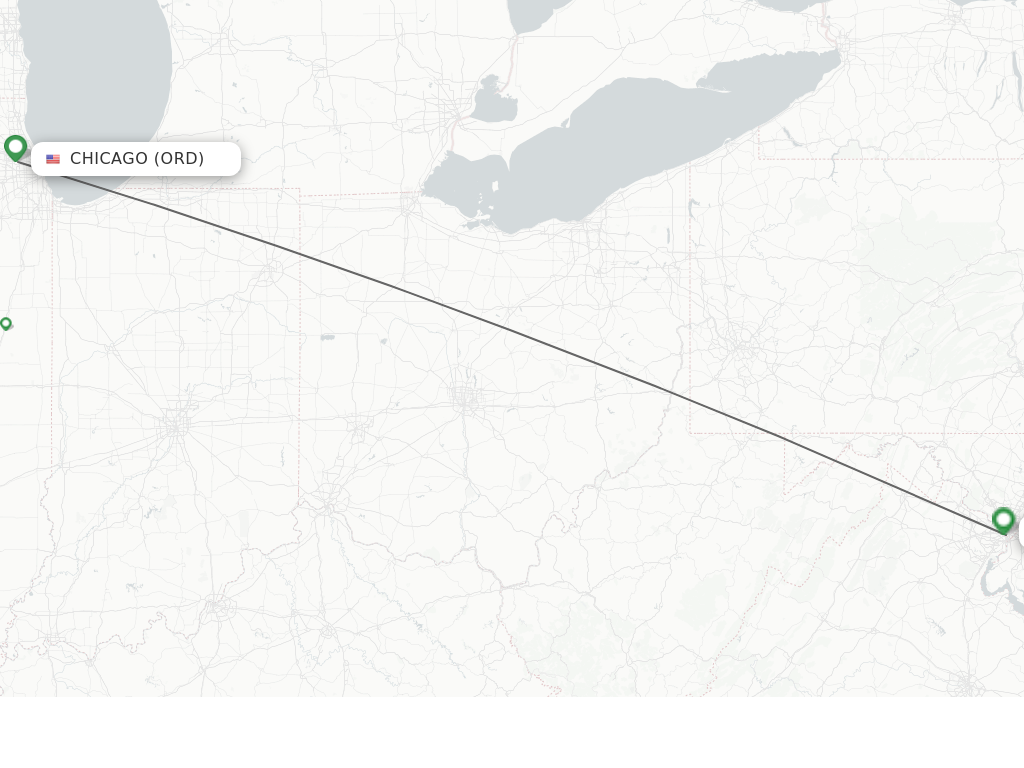
When considering the flight time from Chicago to Washington, D.C., it’s crucial to distinguish between non-stop and connecting flights, as these represent the most significant difference in overall travel time. The aerial distance between the two cities is approximately 600 miles (about 965 kilometers), making it a relatively short domestic route ideal for direct air travel.
Non-stop Flights
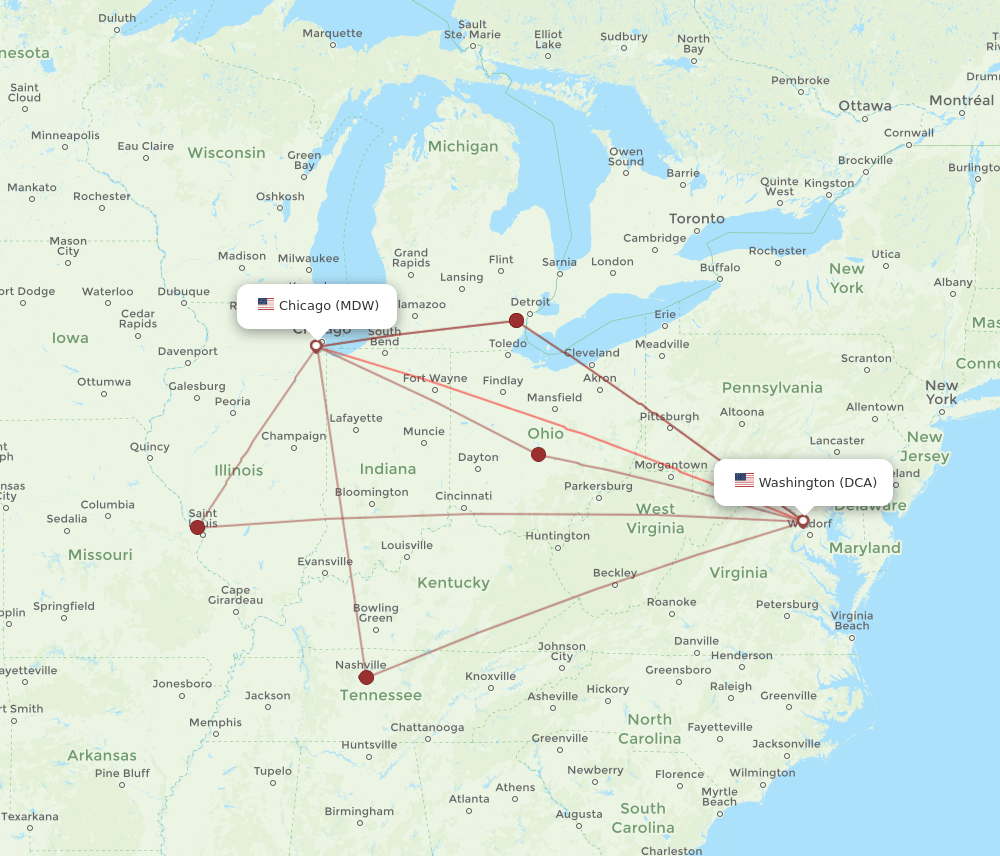
For travelers prioritizing speed and convenience, non-stop flights are the optimal choice. The average duration for a direct flight from Chicago to Washington, D.C. is typically between 1 hour and 40 minutes to 2 hours. This duration covers the actual time the aircraft is airborne, from takeoff to landing. This timeframe is remarkably efficient, allowing passengers to depart from one major metropolitan area and arrive in another in less than two hours, making it comparable to many longer commutes by car or train. Popular airlines offer numerous daily non-stop services between the cities, connecting Chicago’s major airports, primarily O’Hare International Airport (ORD) and Midway International Airport (MDW), with Washington, D.C.’s airports, most notably Ronald Reagan Washington National Airport (DCA) and sometimes Dulles International Airport (IAD) or Baltimore/Washington International Thurgood Marshall Airport (BWI).
Connecting Flights
While non-stop flights are widely available, travelers might opt for connecting flights due to lower fares, specific airline preferences, or less convenient direct schedules. The duration of connecting flights varies significantly because it includes the actual flight time plus the layover period. A typical connecting flight from Chicago to Washington, D.C. can range anywhere from 3 hours and 30 minutes to 6 hours or more, depending on the number of layovers, the duration of each layover, and the efficiency of the connecting airport. Common layover cities for this route might include Detroit, Charlotte, or Atlanta, among others. When booking a connecting flight, it’s essential to scrutinize the layover times. A short layover (e.g., 30-45 minutes) might seem appealing for speed but can be risky if there are delays, while overly long layovers (3+ hours) can significantly extend your total travel day.
Factors Influencing Flight Time
Beyond the basic distinction between non-stop and connecting flights, several dynamic factors can influence the actual duration of your journey. These elements are often outside the control of passengers but are crucial for understanding why a scheduled 1-hour 50-minute flight might occasionally take longer.
Aircraft Type and Speed
The specific type of aircraft used for the flight plays a subtle role in flight duration. While most commercial jets fly at similar cruising speeds (around 500-550 miles per hour), differences in engine power, aerodynamics, and operational protocols can lead to slight variations. Newer, more efficient aircraft might complete the journey a few minutes faster than older models. For example, a Boeing 737 or Airbus A320, common workhorses on domestic routes, will have similar flight times, but regional jets might operate at slightly different speeds.
Air Traffic Control and Route Optimization
The Federal Aviation Administration (FAA) and its air traffic controllers meticulously manage the thousands of flights crossing United States airspace daily. Flight paths are not always straight lines between two points. They are optimized for efficiency, safety, and to avoid congested airspace or severe weather. Depending on current air traffic, a flight might be assigned a slightly longer route or be instructed to hold before landing, adding minutes to the journey. The density of air traffic around major hubs like Chicago and Washington, D.C. can necessitate these adjustments.
Weather Conditions
Weather is one of the most unpredictable and impactful factors on flight duration. Headwinds, which are winds blowing against the direction of travel, can significantly slow down an aircraft, adding 10-20 minutes or even more to a flight. Conversely, tailwinds, which blow in the same direction as the aircraft, can provide a boost, sometimes shaving a few minutes off the scheduled time. Severe weather systems, such as thunderstorms or blizzards, can lead to reroutes, holding patterns, or even ground delays, all of which contribute to extended travel times. Airlines often build a small buffer into their schedules to account for common weather variations, but extreme conditions can always lead to further delays.
Airport Congestion and Delays
Both Chicago and Washington, D.C. are served by some of the busiest airports in the United States. O’Hare International Airport in Chicago is consistently ranked among the busiest airports globally. High traffic volumes at either departure or arrival airport can lead to delays on the ground. This includes longer taxi times to and from the runway, waiting for an available gate, or even delays due to air traffic control initiatives designed to space out landings. These ground delays, while not “flight time” in the air, certainly add to the total travel duration from when you board the plane to when you disembark.
Choosing Your Flight: Practical Considerations
Selecting the right flight involves more than just looking at the shortest duration. Strategic choices regarding airports, airlines, and even the time of day can significantly impact your overall travel experience and efficiency.
Departure and Arrival Airports
Chicago offers two primary airports: O’Hare International Airport (ORD) and Midway International Airport (MDW). Washington, D.C. is served by three major airports: Ronald Reagan Washington National Airport (DCA), Dulles International Airport (IAD), and Baltimore/Washington International Thurgood Marshall Airport (BWI).
- O’Hare International Airport (ORD): The larger of Chicago’s airports, offering the most flight options but potentially longer taxi and security lines.
- Midway International Airport (MDW): Closer to Downtown Chicago, often favored by budget airlines, and generally easier to navigate with shorter wait times.
- Ronald Reagan Washington National Airport (DCA): The most convenient airport for access to Downtown D.C. and nearby attractions, located just across the Potomac River. It has a perimeter rule, limiting flight distances, but Chicago is within its range. This airport is often preferred for domestic travel due to its proximity.
- Dulles International Airport (IAD): Located further west in Virginia, IAD serves as a major international hub. While it offers many flights, the commute to Downtown D.C. can add substantial time (45-60 minutes or more, depending on traffic).
- Baltimore/Washington International Thurgood Marshall Airport (BWI): Located south of Baltimore, BWI is another option, particularly for those flying budget carriers or residing closer to Baltimore. Travel time to Downtown D.C. from BWI can also be 45-60 minutes or more by train or car.
The choice of arrival airport in Washington, D.C. can impact your total travel time significantly due to ground transportation. Flying into Ronald Reagan Washington National Airport (DCA) often results in the shortest overall door-to-door travel.
Airline Selection
While most major airlines (e.g., United Airlines, American Airlines, Southwest Airlines) offer competitive non-stop services between Chicago and Washington, D.C., there can be subtle differences in their scheduled flight times, which account for their operational specificities. Some airlines might pad their schedules slightly more to improve on-time performance statistics, meaning a flight advertised as 2 hours might be airborne for 1 hour 45 minutes. It’s always worth checking a few different carriers for their published flight durations and historical on-time performance.
Time of Day and Week
The time of day and the specific day of the week can also influence travel time, especially regarding ground operations. Flights during peak travel hours (early mornings, late afternoons, and evenings) and on busy travel days (Fridays, Sundays, and holidays) are more susceptible to delays due to increased air traffic and airport congestion. Early morning flights are often the most punctual, as the airport system is typically resetting overnight. Conversely, flights departing later in the day are more likely to experience ripple effects from earlier delays.
Beyond the Flight: Total Travel Time
While the airborne duration is what most people initially ask about, the total door-to-door travel time for a trip between Chicago and Washington, D.C. is much longer than the 1 hour 40 minutes flight time. Comprehensive planning must account for all stages of the journey.
Getting to the Airport
The commute to the airport is often the most variable part of the journey. From the Chicago Loop, getting to O’Hare International Airport can take anywhere from 45 minutes to 1.5 hours by car or public transport (CTA Blue Line), depending on traffic. Travel to Midway International Airport is generally quicker, often 25-50 minutes by car or CTA Orange Line. Factoring in potential traffic jams, especially during rush hour, is critical.
Airport Procedures
Once at the airport, you need to budget time for check-in (if you have checked bags), security screening, and walking to your gate. For domestic flights, most airlines recommend arriving 1.5 to 2 hours before departure. This buffer helps absorb potential delays at security checkpoints, which can fluctuate wildly depending on the time of day and staffing levels. Boarding typically begins 30-45 minutes before departure, adding another layer of time you need to be at the gate.
Post-Arrival Travel
Upon landing in Washington, D.C., the journey isn’t over. You’ll need to deplane, potentially wait for checked luggage, and then navigate ground transportation to your final destination.
- From Ronald Reagan Washington National Airport (DCA) to Downtown D.C.: 15-30 minutes by Metrorail or taxi/rideshare.
- From Dulles International Airport (IAD) to Downtown D.C.: 45-60+ minutes by Silver Line Metrorail or Dulles Airport Express bus/taxi/rideshare, depending on traffic.
- From Baltimore/Washington International Thurgood Marshall Airport (BWI) to Downtown D.C.: 45-75+ minutes by MARC train, Amtrak, or car/rideshare.
Considering all these stages, a non-stop flight from Chicago to Washington, D.C. that takes less than two hours in the air will typically result in a total door-to-door travel time of 4.5 to 6 hours. This holistic view is essential for accurate trip planning.
Maximizing Your Travel Experience
To ensure your journey from Chicago to Washington, D.C. is as smooth and efficient as possible, consider these strategic tips.
Booking Strategies
Booking your flight in advance, especially for popular routes, often secures better fares and more desirable flight times. Be flexible with your travel dates and times if possible; flying on a Tuesday or Wednesday in the middle of the day can sometimes be cheaper and less crowded than peak travel times. Using flight comparison websites can help identify the best deals and flight durations across different airlines and airports. Always check the total travel time, including layovers, if considering connecting flights, and prioritize non-stop options for the shortest journey.
In-flight Comfort
Even though it’s a relatively short flight, ensuring comfort can enhance your experience. Bring a good book, download some podcasts or movies, or simply relax. Snacks and drinks are typically available for purchase or complimentary on some carriers. Make sure your devices are charged, and consider noise-canceling headphones for a more peaceful journey. This short window is an excellent opportunity to unwind before exploring the capital.
What to Do in D.C.
Once you land in Washington, D.C., a world of history, culture, and power awaits. Take advantage of its world-class attractions, many of which are free. The iconic National Mall stretches between the Lincoln Memorial and the U.S. Capitol Building, flanked by numerous Smithsonian Museums, including the National Air and Space Museum and the National Museum of American History. Other must-see sites include the White House, the Washington Monument, and the Jefferson Memorial. Researching your preferred attractions and planning your ground transportation from the airport to your hotel and around the city will help you maximize your visit.
In conclusion, while the direct flight time from Chicago to Washington, D.C. is remarkably short, typically under two hours, a well-planned trip accounts for all components of the journey. By understanding the factors that influence flight duration and making informed choices about airports and schedules, you can ensure a smooth, efficient, and enjoyable travel experience between these two dynamic American cities.
LifeOutOfTheBox is a participant in the Amazon Services LLC Associates Program, an affiliate advertising program designed to provide a means for sites to earn advertising fees by advertising and linking to Amazon.com. Amazon, the Amazon logo, AmazonSupply, and the AmazonSupply logo are trademarks of Amazon.com, Inc. or its affiliates. As an Amazon Associate we earn affiliate commissions from qualifying purchases.