
Embarking on an international journey is an exciting prospect, and for many travelers, the allure of the Emerald Isle from the heart of the Midwest is particularly strong. One of the most common initial inquiries for anyone planning this adventure is, naturally, “How long is the flight from Chicago to Dublin?” While the answer might seem straightforward, several factors contribute to the overall travel time, from direct flight durations to the intricacies of connecting routes and atmospheric conditions. This comprehensive guide will illuminate the various aspects of this transatlantic journey, preparing you for a seamless and enjoyable experience.
Understanding Direct Flight Durations
For those prioritizing speed and convenience, a direct flight is undoubtedly the preferred option. These non-stop journeys eliminate the need for layovers, significantly reducing total travel time and potential disruptions.
The Non-Stop Journey: Specifics and Influences
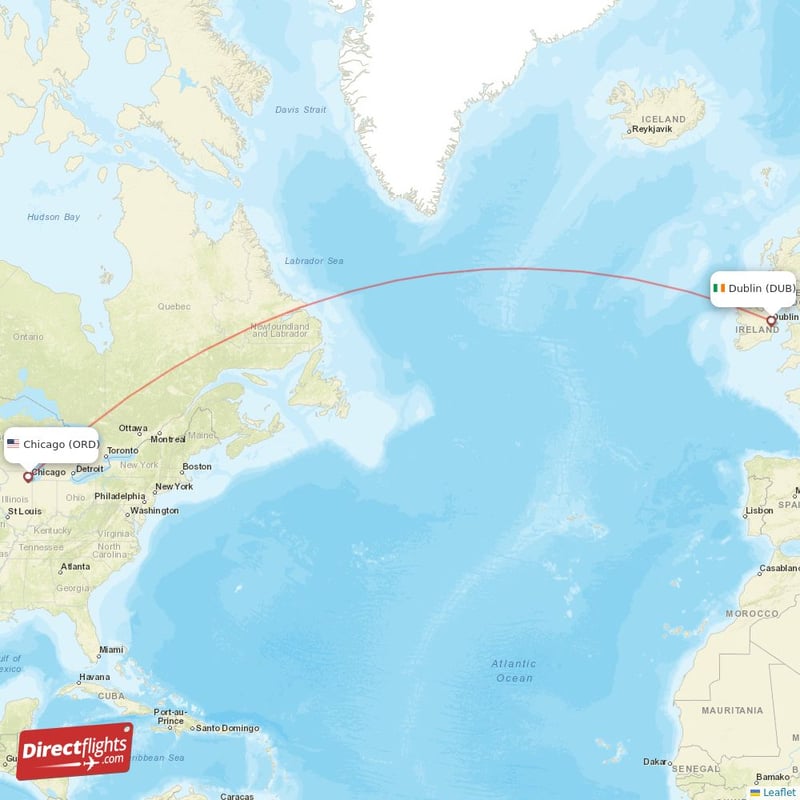
A direct flight from Chicago (Chicago O’Hare International Airport (ORD)) to Dublin (Dublin Airport (DUB)) typically spans between 7 hours and 15 minutes to 7 hours and 50 minutes. This is the actual time the aircraft is airborne. However, this figure is an average, and actual flight times can fluctuate due to a variety of factors, primarily atmospheric conditions such as prevailing winds. For instance, strong tailwinds can shorten the journey, while headwinds can extend it. Air traffic control considerations and slight variations in flight paths also play a role in these minor discrepancies.
Airlines Offering Direct Routes
Several reputable airlines operate direct flights connecting these two vibrant cities, providing travelers with choices in terms of schedule, service, and pricing. The primary carriers offering non-stop service include Aer Lingus and United Airlines. These airlines often utilize modern, fuel-efficient aircraft designed for long-haul transatlantic travel, such as Boeing 787 Dreamliners or Airbus A330s, which contribute to a comfortable journey across the Atlantic Ocean. When booking, it’s always advisable to check the specific airline’s schedule and the precise flight duration listed for your chosen date, as these can vary seasonally or based on operational adjustments.
Time Zones and Arrival
Beyond the airborne duration, understanding the time difference is crucial for a smooth arrival and managing jet lag. Chicago operates on Central Time Zone (CT), while Dublin observes Irish Standard Time (IST). Irish Standard Time is typically 6 hours ahead of Central Time Zone.
This significant time difference means that even a 7.5-hour flight departing Chicago in the late evening will result in an early morning arrival in Dublin the following day. For example, a flight departing at 8:00 PM Central Time Zone will land around 7:30 AM Irish Standard Time the next day, effectively consuming an entire night. This “lost night” can be a factor in feeling the effects of jet lag upon arrival, highlighting the importance of proper preparation for a transatlantic journey.
Navigating Connecting Flights
While direct flights offer the quickest route, connecting flights present a viable and often more economical alternative for many travelers. These routes involve one or more layovers at an intermediate airport, extending the total travel time but potentially offering greater flexibility in scheduling and pricing.
Why Choose a Connecting Flight?
There are several compelling reasons why a traveler might opt for a connecting flight. The most common motivation is cost savings. Tickets with layovers are frequently less expensive than direct flights, making them attractive to budget-conscious travelers. Furthermore, connecting flights often provide a wider range of departure times and airline choices, offering more flexibility to align with specific travel plans. For those who live further from major international hubs, a connecting flight from a regional airport might also be more convenient than traveling to Chicago O’Hare International Airport for a direct flight. Sometimes, an extended layover in a city like London or Amsterdam can even be viewed as an opportunity for a brief stopover and an added travel experience.
Common Layover Hubs
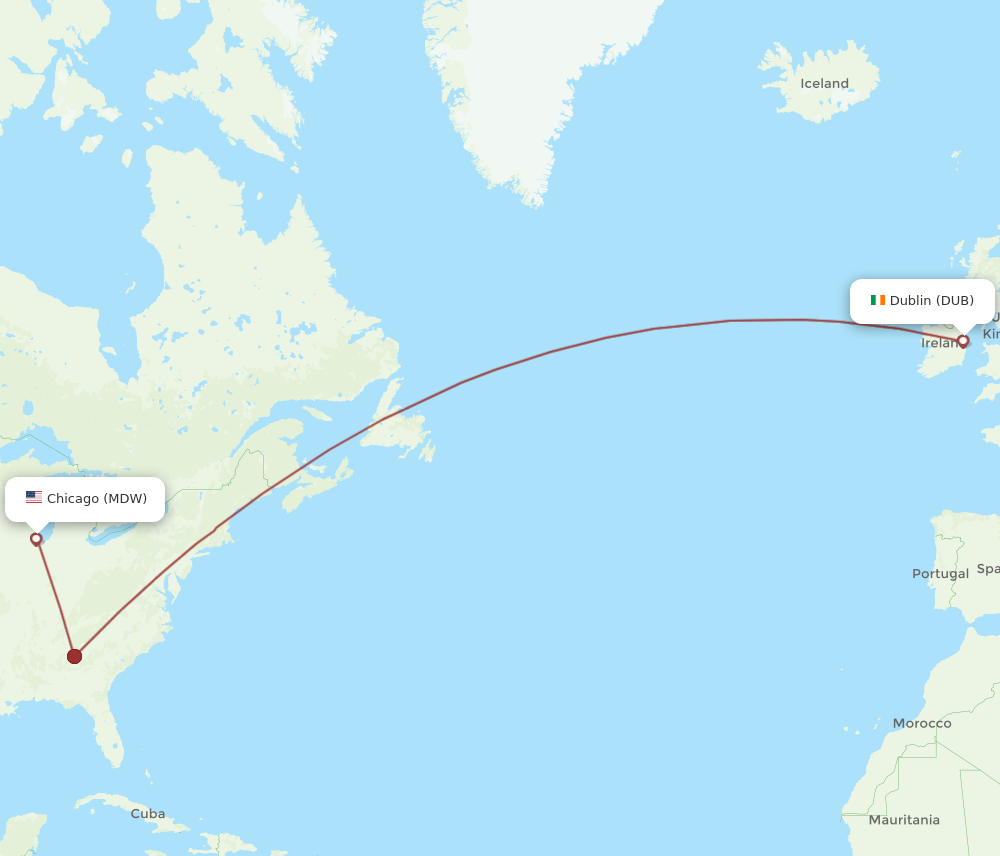
Connecting flights from Chicago to Dublin typically route through major international airports in either the United States or Europe. In the United States, popular hubs include New York (JFK or Newark Liberty International Airport (EWR)), Boston (Logan International Airport (BOS)), Philadelphia (Philadelphia International Airport (PHL)), and Washington D.C. (Washington Dulles International Airport (IAD)). European layover options frequently include major gateways like London (Heathrow Airport (LHR)), Amsterdam (Amsterdam Airport Schiphol (AMS)), and Paris (Charles de Gaulle Airport (CDG)). The choice of layover city can significantly impact the total travel time and the overall experience.
Estimating Total Travel Time
When accounting for connecting flights, the total travel time will naturally be longer than a direct route. This duration encompasses the first flight segment, the layover time, and the second flight segment. For a single-connection flight from Chicago to Dublin, the total journey can range anywhere from 10 to 15 hours, though some itineraries with longer layovers or multiple connections could easily exceed this.
Key factors influencing this estimate include:
- Layover Duration: Short layovers (1-2 hours) are ideal for minimizing overall travel time but carry a higher risk of missing a connection due to delays. Longer layovers (3-5+ hours) offer a buffer but extend the journey.
- Number of Connections: While most connecting flights feature a single stop, some itineraries might involve two or more, drastically increasing the total travel time.
- Airport Efficiency: The size and efficiency of the layover airport play a role. Navigating a massive hub like Heathrow Airport can take longer than a smaller, less congested airport.
- Customs and Immigration: If your layover is in a country where you need to re-enter the customs process before your next flight, this will add significant time.
When booking a connecting flight, always factor in sufficient layover time, especially if you need to change terminals or go through additional security checks.
Factors Influencing Flight Time
Beyond the basic distinction between direct and connecting flights, several nuanced elements can subtly or significantly alter the actual duration of your journey across the Atlantic Ocean. Understanding these can help set realistic expectations and appreciate the complexities of modern air travel.

Atmospheric Conditions
One of the most impactful natural factors is atmospheric conditions, particularly the jet stream. The jet stream is a fast-flowing, narrow air current found in the atmosphere. Flights traveling eastward from North America to Europe often benefit from the jet stream, which acts as a strong tailwind, pushing the aircraft along and shortening the flight duration. Conversely, westbound flights often contend with headwinds from the jet stream, making those journeys longer. While a flight from Chicago to Dublin is eastbound, the exact strength and position of the jet stream can vary daily, leading to minor fluctuations in flight time. Other weather phenomena, such as storms or turbulence, can also necessitate changes in altitude or flight path, adding minutes to the journey.
Aircraft Type and Speed
The type of aircraft deployed for the route also plays a role. Modern long-haul jets like the Boeing 787 Dreamliner, Boeing 777, or Airbus A330 are designed for efficiency and speed over long distances. While their cruising speeds are relatively similar, minor differences exist. Older aircraft types might have slightly slower cruising speeds or different operational parameters that could impact flight duration. Airlines meticulously calculate these factors to optimize their schedules and fuel consumption.
Air Traffic Control & Route Optimization
The global air traffic control system is a complex network designed to ensure safety and efficiency. However, congestion at busy airports, unforeseen weather patterns, or geopolitical airspace restrictions can all lead to delays or require deviations from the most direct flight path. Air traffic controllers might instruct pilots to hold, take a longer route to avoid congested airspace, or descend more slowly, all of which can add to the flight time. Airlines continually optimize their routes based on real-time data to minimize these impacts, but they are an unavoidable aspect of air travel.
Departure and Arrival Airports
The specific characteristics of Chicago O’Hare International Airport (ORD) and Dublin Airport (DUB) can also influence the overall experience and perceived flight time. As one of the world’s busiest airports, Chicago O’Hare International Airport is known for potential ground delays, taxiing times, and occasional air traffic control holds, which can add to the “block time” (gate-to-gate) even if the airborne time remains consistent. Dublin Airport, while smaller, is also a significant European hub. Efficiency in ground operations, runway availability, and the swiftness of baggage handling and customs procedures upon arrival contribute to the overall travel fluidity.
Preparing for a Long-Haul Flight to Dublin
A transatlantic flight, whether direct or connecting, requires some preparation to ensure maximum comfort and minimize the effects of travel fatigue. Thoughtful planning can transform the journey into a positive prelude to your Irish adventure.
Managing Jet Lag
Jet lag is an almost inevitable companion on eastbound transatlantic flights due to the significant time difference. To mitigate its effects:
- Adjust Before You Go: A few days before departure, try to gradually shift your sleep schedule closer to Dublin time.
- Hydrate: Drink plenty of water before, during, and after the flight. Avoid excessive alcohol and caffeine, which can exacerbate dehydration.
- Sleep on the Plane: If your flight is overnight, try to get some sleep. Eye masks, earplugs, and neck pillows can be incredibly helpful.
- Embrace the New Time Zone: Upon arrival, immediately adjust to local time. Seek natural daylight, eat meals at local times, and try to stay awake until the evening to establish a new sleep pattern.
- Light Exercise: A brisk walk upon arrival can help reset your body clock.
In-Flight Comfort and Essentials
Making yourself comfortable can significantly improve the flight experience:
- Wear Comfortable Clothing: Loose-fitting layers are ideal for adjusting to cabin temperature fluctuations.
- Move Around: Periodically get up, stretch, and walk the aisle to promote circulation and prevent stiffness.
- Entertainment: Load your devices with movies, music, podcasts, or e-books. While most airlines offer in-flight entertainment, having personal options is a good backup.
- Essentials Kit: Pack a small bag with a toothbrush, travel-sized toiletries, lip balm, moisturizer, and any necessary medications in your carry-on.
- Snacks: While meals are provided, having your own healthy snacks can be beneficial, especially if you have dietary restrictions or prefer specific foods.
Booking Strategies
Strategic booking can not only save money but also enhance your travel experience:
- Book in Advance: Generally, booking 2-3 months out yields the best prices for international flights.
- Consider Off-Peak Seasons: Traveling during shoulder seasons (spring and fall) can offer better fares and fewer crowds than the peak summer months.
- Flexibility with Dates: If your travel dates are flexible, use fare calendars to identify the cheapest days to fly. Mid-week flights are often less expensive than weekend departures.
- Check Different Airports: While Chicago O’Hare International Airport is the primary hub, sometimes considering flights from nearby international airports (though less direct to Dublin) might open up more competitive pricing options, particularly for connecting flights.
- Loyalty Programs: Utilize frequent flyer miles or airline loyalty programs for potential upgrades or discounts.
Beyond the Flight: First Impressions of Dublin
After hours traversing the Atlantic Ocean, the moment your plane touches down at Dublin Airport signals the true beginning of your Irish adventure. Knowing what to expect immediately post-flight can smooth your transition into the bustling capital.
Arrival at Dublin Airport
Dublin Airport is a modern and efficient facility, serving as the main international gateway to Ireland. Upon disembarking, you will follow signs for “Arrivals” and proceed through immigration control. For United States citizens, the process is generally straightforward, requiring a valid passport. There are typically separate queues for EU/EEA citizens and non-EU citizens. After immigration, you’ll head to baggage claim to collect any checked luggage. From there, you’ll pass through customs. Unless you have goods to declare, this is usually a quick walk-through.
The airport is located approximately 10 kilometers (6 miles) north of Dublin city center. Several transportation options are available to get you into the city:
- Aircoach and Dublin Express: These private bus services offer frequent, comfortable, and direct routes to various points in the city center and beyond. Tickets can be purchased online, at the airport, or from the driver.
- Dublin Bus: The public bus system also serves the airport, offering a more economical option, though it might take longer due to more stops.
- Taxis: Taxis are readily available outside the terminals, providing a convenient door-to-door service, albeit at a higher cost.
Quick Guide to Getting Started
Once you’ve made your way from Dublin Airport into the city, consider these initial steps to settle in:
- Check into Accommodation: Head directly to your hotel, apartment, or guesthouse to drop off your luggage and freshen up.
- Grab a Coffee: Combat any lingering jet lag with a strong Irish coffee or a traditional cup of tea from a local cafe.
- Familiarize Yourself with Your Area: Take a short walk around your immediate neighborhood to get your bearings, locate nearby amenities, and soak in the atmosphere.
- Consider a Hop-on, Hop-off Bus Tour: This can be an excellent way to see many of Dublin’s major sights and landmarks in a relaxed manner, allowing you to get an overview of the city without excessive walking on your first day.
- Plan Your First Meal: Dive into Irish cuisine by finding a cozy pub for some traditional fare.
In conclusion, the flight from Chicago to Dublin is a manageable transatlantic journey, typically lasting around 7.5 hours for direct flights. While connecting flights offer alternative paths, understanding the various factors that influence total travel time, from jet streams to layover durations, is key to a well-planned and stress-free trip. With thoughtful preparation for the long-haul experience and a clear plan for arrival, your journey to the enchanting streets of Dublin will be as enjoyable as the destination itself. Safe travels!
LifeOutOfTheBox is a participant in the Amazon Services LLC Associates Program, an affiliate advertising program designed to provide a means for sites to earn advertising fees by advertising and linking to Amazon.com. Amazon, the Amazon logo, AmazonSupply, and the AmazonSupply logo are trademarks of Amazon.com, Inc. or its affiliates. As an Amazon Associate we earn affiliate commissions from qualifying purchases.