
Embarking on a journey to the Golden State requires more than just packing your bags and booking your flights; understanding the local time zone is a subtle yet critical detail that can significantly impact your travel experience. So, to answer the quintessential question for prospective visitors and even seasoned travelers: Is California in Pacific Standard Time (PST)?
The straightforward answer is yes, California primarily operates within the Pacific Time Zone (PT). However, the nuance lies in the observance of Daylight Saving Time. For roughly eight months of the year, the state shifts to Pacific Daylight Time (PDT). This distinction is crucial for planning your itinerary, coordinating with contacts in other regions, and ensuring a smooth, enjoyable trip to one of the United States’ most captivating destinations.

This article delves into the specifics of California’s time zone, its implications for travelers, and essential tips to help you navigate time differences like a pro, ensuring your focus remains on the incredible attractions, luxurious accommodations, and vibrant lifestyle experiences that await you.
Understanding California’s Time Zone: PST vs. PDT
The concept of time zones, while seemingly simple, often introduces a layer of complexity for travelers. For California, it’s not just one fixed time; it oscillates between two designations.
The Pacific Time Zone Explained
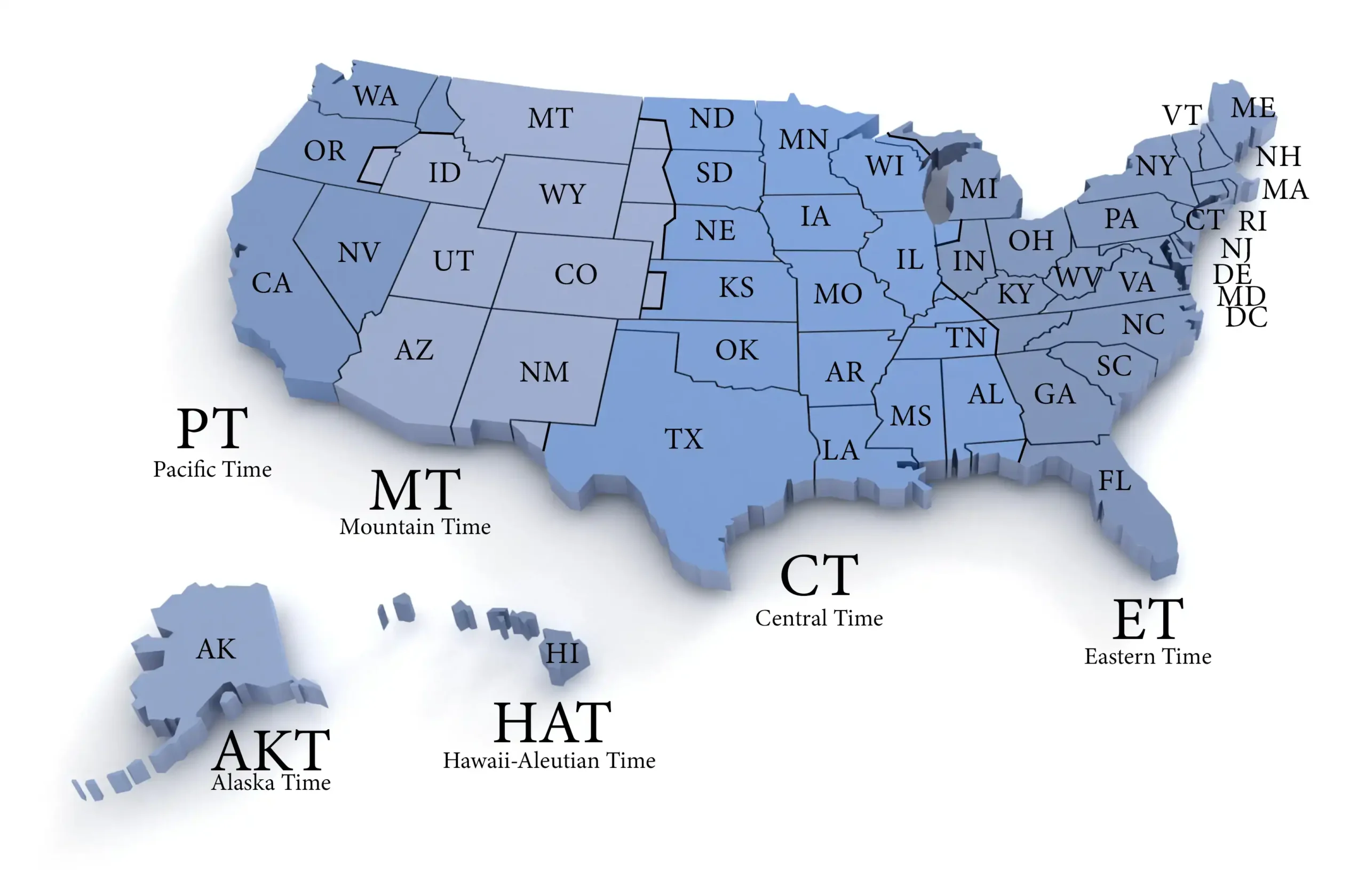
The Pacific Time Zone (PT) is a geographical region that observes a uniform standard time. In the USA, it covers the westernmost states, including virtually all of California, Nevada, Oregon, and Washington, as well as a small portion of Idaho. The standard offset from Coordinated Universal Time (UTC) for the Pacific Time Zone is UTC-8, which is known as Pacific Standard Time (PST).
PST is observed during the winter months. Typically, this period runs from the first Sunday in November until the second Sunday in March. During these months, if you’re traveling to a major California city like Los Angeles, San Francisco, or San Diego, your clocks will be set to Pacific Standard Time, which is eight hours behind UTC. This generally means earlier sunsets and later sunrises, which can influence your sightseeing schedule and evening plans, especially if you’re hoping to catch iconic sunset views from places like the Santa Monica Pier or the Golden Gate Bridge.
Decoding Daylight Saving Time in California
The plot thickens with the annual shift to Daylight Saving Time. On the second Sunday in March, California “springs forward,” moving its clocks one hour ahead. This transition marks the beginning of Pacific Daylight Time (PDT), which observes an offset of UTC-7. PDT remains in effect until the first Sunday in November, when clocks “fall back” an hour, returning to PST.
The primary purpose of Daylight Saving Time is to make better use of daylight, particularly in the evening, by effectively shifting an hour of daylight from the morning to the evening during the warmer months. For travelers, this means longer daylight hours for exploration and activities. Imagine enjoying a sunset hike in Yosemite National Park or an extended evening stroll along Fisherman’s Wharf in San Francisco – the extra hour of daylight can be a game-changer for your tourism experience. However, it also means a one-hour jump forward, which can slightly exacerbate jet lag if you’re arriving from a different time zone.
It’s worth noting that California has had a complex relationship with Daylight Saving Time, with propositions to eliminate it surfacing in recent years. As of now, the state continues to observe Daylight Saving Time, making the distinction between PST and PDT a vital piece of information for anyone planning a visit. Always confirm the current time designation based on your travel dates.
Navigating Time: Essential Tips for Travelers to California
Understanding California’s time zone mechanics is one thing, but applying that knowledge to enhance your travel is another. Here are practical tips to ensure a seamless and enjoyable trip.
Planning Your Itinerary and Bookings
When you’re meticulously crafting your California adventure, every detail matters, and time zone considerations should be at the forefront.
- Flight Times: Double-check your flight departure and arrival times, especially if you have connecting flights in different time zones. A flight arriving at “3 PM PST” can easily become “4 PM PDT” if the time change occurs during your travel period. Confirming the local time for all legs of your journey can prevent missed connections or unnecessary stress.
- Hotel Check-ins and Check-outs: Most hotels, resorts, and vacation apartments in California adhere to standard check-in (e.g., 3 PM or 4 PM) and check-out (e.g., 11 AM or 12 PM) times based on the local time. If you’re arriving early morning from an Eastern Time Zone flight, you might face a few hours before you can access your room. Plan accordingly by arranging for early check-in (if available), storing your luggage, or scheduling immediate activities like breakfast or a brief exploration to maximize your initial hours. Similarly, if your departure is later in the day, consider requesting a late check-out or booking an extra night to relax before your flight.
- Tour and Attraction Bookings: California’s most popular attractions, from Disneyland Park in Anaheim to Alcatraz Island in San Francisco, often require advance bookings for specific time slots. Ensure all your reservations — whether for a Universal Studios Hollywood tour, a wine tasting in Napa Valley, or a visit to the Griffith Observatory — are confirmed for the correct local time and date. Misinterpreting the time zone could lead to missed experiences and non-refundable tickets.
- Restaurant Reservations and Event Tickets: Dining in California can be a highlight, with world-class restaurants in cities like Los Angeles and San Francisco. Booking popular eateries often requires securing reservations weeks or even months in advance. Similarly, tickets for concerts, theater shows, or sporting events like a Lakers game or a Dodgers game will specify local start times. Always sync your personal schedule with these local times.
Overcoming Jet Lag and Maximizing Your Experience
Traveling across multiple time zones inevitably brings the challenge of jet lag. However, with a few strategic approaches, you can mitigate its effects and fully immerse yourself in the California lifestyle.
- Pre-Adjusting Your Sleep Schedule: A few days before your trip, gradually shift your sleep and wake times to align more closely with California’s time. If you’re traveling west, try to stay up a bit later and wake up later; if traveling east, adjust by going to bed earlier.
- Hydration and Light Meals: During your flight and upon arrival, stay well-hydrated and opt for light, healthy meals. Avoiding heavy foods, excessive caffeine, and alcohol can significantly reduce the severity of jet lag symptoms.
- Embrace Natural Light: Sunlight is a powerful tool for resetting your body clock. As soon as you arrive, try to get outside and expose yourself to natural light, especially in the morning hours. This helps signal to your body that it’s daytime. Similarly, minimize bright light exposure in the evenings if you’re trying to sleep.
- Stay Active (But Don’t Overdo It): Gentle exercise, like a walk around your hotel or resort, can boost energy levels and aid in sleep quality. However, avoid intense workouts immediately after a long flight, as they can be counterproductive.
- Set Your Watch to Local Time Immediately: As soon as you board your flight to California, change your watch to the local time. This mental shift can help you begin adapting to the new schedule even before you land.
- Prioritize Sleep: While it might be tempting to power through your first day, a good night’s sleep is paramount. If you arrive early, a short power nap (20-30 minutes) can be beneficial, but avoid long naps that might interfere with nighttime sleep. Aim to go to bed at a reasonable local time.
- Utilize Hotel Amenities: Many California hotels and resorts offer amenities designed for guest comfort, from relaxing spas and wellness centers to blackout curtains and soundproofing. Leverage these features to aid in your adjustment and ensure restful sleep, especially in luxury accommodations where personalized service often includes turndown service and comfortable bedding.
By proactively addressing time zone differences and potential jet lag, you’ll be better equipped to fully enjoy the diverse experiences California offers, from its bustling city life to its serene natural wonders.
California’s Iconic Destinations and Their Time-Zone Context
The vast and varied landscape of California boasts an unparalleled array of destinations, each offering unique attractions and experiences. Regardless of whether you’re visiting during PST or PDT, all these magnificent locations operate under the same time zone.
West Coast Wonders: From Los Angeles to San Francisco
The dynamic duo of Los Angeles and San Francisco forms the backbone of many California itineraries, each a microcosm of the state’s diverse appeal.
- Los Angeles: The Entertainment Capital: From the glitz and glamour of Hollywood and Beverly Hills to the sun-kissed beaches of Santa Monica and Malibu, LA is a city of endless possibilities. When planning your visits to the Hollywood Walk of Fame, Universal Studios Hollywood, or a celebrity home tour, remember that all scheduled times are local Pacific Time Zone. Whether you’re enjoying an early morning hike to the Hollywood Sign or catching a late-night show at the Staples Center, the local time dictates your schedule. Accommodation options range from luxury resorts in Bel-Air to trendy boutique hotels downtown, all operating on the local time.
- San Francisco: The City by the Bay: Known for its iconic Golden Gate Bridge, historic Alcatraz Island, and vibrant neighborhoods, San Francisco offers a unique blend of history, culture, and innovation. Timed tickets for attractions like the Cable Car Museum or tours of Alcatraz are strictly adhered to local Pacific Time. Even a casual stroll through Fisherman’s Wharf or the vibrant streets of Chinatown benefits from an awareness of the daylight hours, particularly for photography enthusiasts keen on capturing the city’s famous fog or stunning sunsets.
- San Diego: Southern California’s Charm: Further south, San Diego offers a relaxed vibe with beautiful beaches, world-class attractions like the San Diego Zoo in Balboa Park, and a rich military history. From catching waves in La Jolla to exploring the historic Gaslamp Quarter, all activities follow the local Pacific Time Zone.
Exploring Beyond the Big Cities
California is far more than its major urban centers. Its natural parks, wine regions, and coastal towns offer experiences that are equally time-sensitive.
- Napa Valley and Sonoma Valley: Wine Country Delights: Wine tasting tours, vineyard visits, and gourmet dining experiences in these world-renowned wine regions are all meticulously scheduled in Pacific Time. Booking a reservation for the Napa Valley Wine Train or a cellar tour should always account for local time, ensuring you don’t miss out on these exquisite lifestyle experiences.
- National Parks: California is home to an incredible array of National Parks, including Yosemite National Park, Sequoia National Park, King’s Canyon National Park, Redwood National Park, Joshua Tree National Park, and Death Valley National Park. These vast wilderness areas, while remote, also strictly adhere to the Pacific Time Zone. Park entrance times, ranger-led programs, and sunset viewing spots are all planned according to this schedule. During PDT, the extended daylight allows for longer hikes and exploration, making your outdoor adventures even more rewarding.
- Coastal Drives and Towns: Whether you’re cruising the iconic Highway 1 along Big Sur, exploring the charming streets of Monterey and Carmel-by-the-Sea, or relaxing in the beach towns of Santa Barbara and Laguna Beach, your activities will unfold in Pacific Time. From whale watching tours departing from Monterey Bay to sunset dining in Laguna Beach, being aligned with the local clock ensures a smooth experience.
No matter where your California journey takes you, from the bustling tech hubs of Silicon Valley in San Jose and Oakland to the state capital of Sacramento, or the desert oasis of Palm Springs, the Pacific Time Zone is your constant.
A Broader Look at US Time Zones for Seamless Travel
While California resides firmly in the Pacific Time Zone, many travelers will be arriving from or connecting with other parts of the USA. A quick overview of the nation’s time zone tapestry can further enhance your travel planning and communication.
The American Time Zone Tapestry
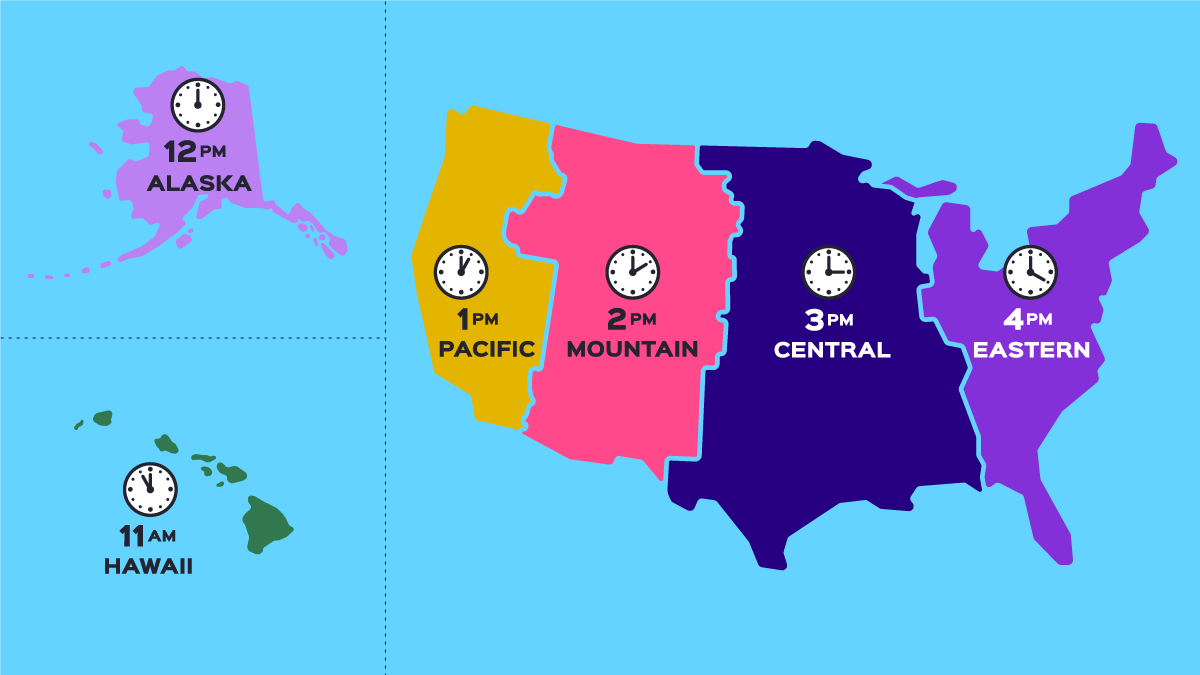
The continental United States is divided into four primary time zones, not including Alaska and Hawaii, which each have their own. Understanding these differences is crucial for coordinating business calls, family check-ins, or simply comprehending flight schedules.
- Eastern Time (ET): This is the easternmost time zone in the continental USA, covering states like New York, Florida, and most of the East Coast. It is 3 hours ahead of Pacific Time. So, if it’s 3 PM in Los Angeles, it’s 6 PM in New York City. Eastern Standard Time (EST) is UTC-5, and Eastern Daylight Time (EDT) is UTC-4.
- Central Time (CT): Spanning the middle of the country, including states like Texas, Illinois, and Louisiana, Central Time is 2 hours ahead of Pacific Time. Central Standard Time (CST) is UTC-6, and Central Daylight Time (CDT) is UTC-5.
- Mountain Time (MT): Covering states like Colorado, Arizona, and Montana, Mountain Time is 1 hour ahead of Pacific Time. Mountain Standard Time (MST) is UTC-7, and Mountain Daylight Time (MDT) is UTC-6. Notably, most of Arizona does not observe Daylight Saving Time, remaining on MST year-round, which means its time relative to California changes during Daylight Saving periods.
- Alaska Time (AKT): This zone covers most of Alaska and is 1 hour behind Pacific Time. Alaska Standard Time (AKST) is UTC-9, and Alaska Daylight Time (AKDT) is UTC-8.
- Hawaii Time (HST): The furthest west of the USA time zones, Hawaii does not observe Daylight Saving Time. It is 2 hours behind Pacific Standard Time and 3 hours behind Pacific Daylight Time. Hawaii Standard Time (HST) is UTC-10 year-round.
This multi-time-zone structure highlights the importance of always checking the local time for any destination within the USA, especially when traveling across the country or making cross-country arrangements. Travel apps, world clock features on smartphones, and airline websites are invaluable tools for keeping track.
In conclusion, while the answer to “Is California in Pacific Standard Time?” is a qualified “yes, during winter,” the broader understanding of Pacific Daylight Time and its implications for your travel plans is paramount. By staying informed and planning proactively, you can ensure your California adventure is as seamless and enjoyable as the golden sunsets over the Pacific Ocean.
LifeOutOfTheBox is a participant in the Amazon Services LLC Associates Program, an affiliate advertising program designed to provide a means for sites to earn advertising fees by advertising and linking to Amazon.com. Amazon, the Amazon logo, AmazonSupply, and the AmazonSupply logo are trademarks of Amazon.com, Inc. or its affiliates. As an Amazon Associate we earn affiliate commissions from qualifying purchases.