
Embarking on a journey from the vibrant urban landscape of San Francisco to the awe-inspiring wilderness of Yosemite National Park is a quintessential California experience. For many travelers, the allure of Yosemite’s towering granite cliffs, cascading waterfalls, and ancient sequoia groves is an irresistible call, promising an escape into nature’s grandeur that contrasts beautifully with the bustling city life of the Bay Area. But before you can immerse yourself in this natural masterpiece, a fundamental question often arises: “How far is Yosemite National Park from San Francisco, and what does the journey entail?”
This comprehensive guide will not only answer that crucial question but also delve into every aspect of planning your memorable trip, from choosing the best mode of transport to discovering the park’s iconic landmarks, selecting ideal accommodations, and embracing the diverse lifestyle options available for your adventure. Whether you’re a luxury traveler seeking unparalleled comfort, a budget-conscious explorer, or planning a family getaway, understanding the logistics and leveraging expert tips will ensure a seamless transition from city streets to stunning mountain vistas.

The Journey from San Francisco to Yosemite: Distance and Travel Time
Understanding the distance and anticipated travel time is the first step in planning your escape to Yosemite. The journey is manageable, but requires consideration of various factors to ensure a smooth and enjoyable experience.
The Direct Route: Miles and Hours
Generally, Yosemite National Park is located approximately 160 to 200 miles (257 to 322 kilometers) east of San Francisco, depending on your specific destination within the park and the route you choose. The most common entry points are through the western gates, which are typically accessed via Highways CA-120, CA-140, or CA-41.
- To Yosemite Valley (the most popular destination): The drive typically takes between 3.5 to 4.5 hours without significant stops or traffic delays. This estimate assumes a direct drive to the park entrance and then an additional 30-45 minutes to reach the heart of Yosemite Valley once inside the park boundaries.
The most direct and frequently used routes from San Francisco generally involve heading east on I-580, then connecting to various state routes that lead into the Sierra Nevada foothills.
- Highway CA-120 (Northern Route): Often considered the most scenic, especially once you begin ascending into the mountains. It provides direct access to Yosemite Valley and Tuolumne Meadows (though Tuolumne Meadows is only accessible in summer and fall).
- Highway CA-140 (Mid-Route): Known as the “all-weather highway,” as it tends to be less prone to winter closures than CA-120. It follows the Merced River canyon into El Portal and then to Yosemite Valley.
- Highway CA-41 (Southern Route): This route passes through the town of Oakhurst and provides access to Mariposa Grove of Giant Sequoias before reaching Wawona and then Yosemite Valley.
Factors Affecting Travel Duration: Traffic, Stops, and Seasonality
While 3.5-4.5 hours is a good baseline, several factors can significantly influence your actual travel time:
- Traffic: Departing San Francisco and navigating the wider Bay Area can add substantial time, especially during weekday rush hours or on Friday afternoons as people head out for weekend trips. Planning your departure for early mornings or non-peak hours is highly recommended.
- Stops: The drive itself is part of the adventure. You might want to make comfort stops, grab a bite to eat in one of the charming towns along the way, or simply pull over for a scenic photo opportunity. Account for at least an hour or two of stops if you’re not rushing.
- Seasonality and Weather:
- Winter: Snow and ice can close roads (especially CA-120 over Tioga Pass and parts of Glacier Point Road), or require tire chains, adding considerable time and complexity to your journey. Always check road conditions before you depart.
- Summer: Peak tourist season means more cars, potential delays at park entrances, and busier roads within the park. Early mornings are best for entering the park and navigating its roads.
- Park Entry Reservations: During peak seasons, Yosemite National Park often implements a temporary reservation system for entry, particularly for day-use visitors. Failure to secure a reservation in advance could result in being turned away, no matter how quickly you drive there. Always check the official park website for the latest entry requirements.
Choosing Your Mode of Transport: A Lifestyle Choice
Your choice of transportation from San Francisco to Yosemite will largely depend on your travel style, budget, and desired level of flexibility. Each option offers a unique experience, catering to different lifestyle preferences, from independent exploration to guided convenience.
Driving Yourself: Flexibility and Scenic Stops
For many, driving is the preferred method of travel. It offers unparalleled flexibility to set your own schedule, stop at intriguing points of interest along the way, and explore the park at your leisure. Rental cars are readily available in San Francisco for those who don’t have their own vehicle.
Pros:
- Freedom: Explore at your own pace, make detours, and access all areas of the park that are open to vehicles.
- Luggage: Ample space for all your gear, especially if you’re bringing hiking equipment, camping supplies, or photography essentials.
- Scenic Drives: Enjoy the changing landscapes from urban sprawl to rolling foothills and finally the dramatic Sierra Nevada mountains.
Cons:
- Cost: Gas, car rental fees, and potential parking fees (though parking within Yosemite is generally free, finding a spot can be challenging in peak season).
- Navigation: Requires attention to maps and road conditions.
- Traffic & Parking: Can be frustrating, especially inside the park during busy times.
Tips for Drivers:
- Download offline maps as cell service can be spotty.
- Fill up your gas tank before entering the park; gas stations inside are limited and expensive.
- Consider a full-size SUV for comfort and cargo space, especially if traveling with family or a group.
Public Transportation: Amtrak and YARTS
For those who prefer not to drive or wish to reduce their carbon footprint, a combination of train and bus services provides a viable public transportation route.
- Amtrak (Train): You can take an Amtrak San Joaquin train from the Bay Area (e.g., from Emeryville or Oakland) to Merced. The train journey itself is comfortable and offers scenic views of California’s Central Valley.
- Yosemite Area Regional Transportation System (YARTS) (Bus): From Merced, you connect with the YARTS bus service, which directly transports you into Yosemite National Park with multiple stops, including Yosemite Valley. YARTS buses are comfortable, air-conditioned, and allow you to relax and enjoy the scenery without the stress of driving. Plus, your YARTS ticket often covers your park entrance fee.
Pros:
- Stress-Free: No driving, no navigation, no parking worries.
- Eco-Friendly: A more sustainable way to travel.
- Cost-Effective: Can be cheaper than renting a car, especially for solo travelers.
- Scenic: Enjoy the views without distraction.
Cons:
- Less Flexible: Tied to schedules, less freedom for spontaneous stops.
- Time-Consuming: The combined train and bus journey can take longer than driving, potentially 6-8 hours or more depending on connections.
- Limited Access: Once in the park, you’ll rely on the free park shuttle system or your feet, which might limit exploration of remote areas.
Guided Tours: Convenience and Expertise
For those seeking ultimate convenience and an enriching experience, joining a guided tour from San Francisco is an excellent option. Tour operators typically offer day trips or multi-day packages that include transportation, a knowledgeable guide, and sometimes meals and accommodation.
Pros:
- Effortless Planning: Everything is arranged for you, from pick-up to drop-off.
- Expert Guidance: Learn about the park’s geology, history, and wildlife from experienced guides.
- Social Aspect: An opportunity to meet fellow travelers.
- Hassle-Free Logistics: No worries about driving, parking, or park entry requirements.
Cons:
- Less Flexible: Fixed itineraries mean less freedom to explore at your own pace.
- Cost: Generally more expensive than driving or public transport, but often includes value-added services.
- Group Pace: You’re on a group schedule, which might not suit everyone.
This option is perfect for travelers who prioritize ease and education, fitting a luxury travel lifestyle for those who appreciate all-inclusive services, or a family trip seeking structured activities.
Embracing Yosemite’s Majesty: Must-See Landmarks and Activities
Once you’ve made the journey, Yosemite unfolds as a panorama of natural wonders, offering an array of landmarks and activities that cater to every type of tourist and adventurer.
Iconic Landmarks Not to Miss
- Yosemite Valley: The heart of the park, offering iconic views of El Capitan, Half Dome, and Bridalveil Fall. This U-shaped glacial valley is easily accessible and offers numerous viewpoints and trailheads.
- El Capitan: A massive granite monolith, famous worldwide among rock climbers and a spectacular sight for all visitors.
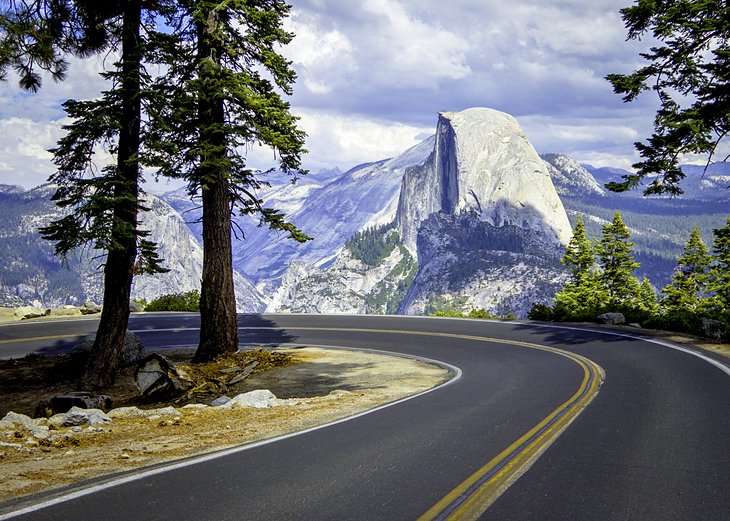
- Half Dome: Perhaps Yosemite’s most recognizable landmark, this distinctive granite dome offers an exhilarating, but challenging, hike to its summit (permit required).
- Yosemite Falls: The tallest waterfall in North America, plunging 2,425 feet (739 meters) from the upper to the lower falls. Best viewed in spring and early summer when snowmelt is at its peak.
- Bridalveil Fall: One of the first waterfalls you’ll see upon entering Yosemite Valley, known for its misty spray.
- Mariposa Grove of Giant Sequoias: Home to over 500 mature giant sequoias, including the famous Grizzly Giant, one of the largest trees in the world.
- Glacier Point: Offers arguably the most breathtaking panoramic views of Yosemite Valley, Half Dome, Yosemite Falls, and the High Sierra. Accessible by car in summer and fall, or via a challenging cross-country ski route in winter.
Activities for Every Traveler
Beyond sightseeing, Yosemite offers a wealth of activities for an unforgettable experience:
- Hiking: From leisurely strolls on paved paths to strenuous multi-day backcountry treks, there’s a trail for every fitness level. Popular trails include the Mist Trail to Vernal Fall and Nevada Fall, and the Valley Loop Trail.
- Photography: With unparalleled landscapes, Yosemite is a photographer’s paradise. Capture the changing light on El Capitan at sunset or the vibrant rainbows in waterfall mist.
- Stargazing: Away from city lights, Yosemite’s night sky is incredibly clear, offering spectacular views of the Milky Way and countless stars.
- Biking: Rent a bike in Yosemite Valley and explore over 12 miles of paved bike paths, offering a unique perspective of the valley floor.
- Water Sports (Seasonal): Enjoy rafting or kayaking on the Merced River during warmer months, or swimming in designated areas.
- Rock Climbing: For the adventurous and experienced, Yosemite is a world-renowned climbing destination, with routes ranging from beginner-friendly to expert-level on its iconic granite walls.
- Ranger Programs: Join a free ranger-led walk or evening program to learn more about the park’s natural and cultural history.
These activities cater to various lifestyles, from thrill-seeking adventurers to families looking for educational experiences, making Yosemite a diverse destination for tourism.
Accommodation and Tourism: Where to Stay Near Yosemite
Choosing where to stay can significantly impact your Yosemite experience. Options range from immersive stays inside the park to convenient and often more affordable choices in nearby gateway towns, catering to various budget travel and luxury travel preferences.
Inside the Park: Immersive Experiences
Staying within Yosemite National Park offers the ultimate convenience and immersion, allowing you to wake up to unparalleled views and be steps away from trailheads and attractions.
- The Ahwahnee (formerly Majestic Yosemite Hotel): A historic landmark hotel, offering a luxurious experience with grand architecture, exquisite dining, and stunning views of Half Dome and El Capitan. Ideal for those seeking high-end amenities and a touch of elegance.
- Yosemite Valley Lodge: A comfortable and family-friendly option located near the base of Yosemite Falls. It offers a range of rooms and is a popular choice for its convenient location and amenities like dining options and a swimming pool.
- Curry Village: Offers a mix of canvas tent cabins, rustic cabins with private baths, and motel rooms. This is a more budget-friendly and rustic option, providing a unique camping-like experience with the convenience of amenities.
- Other Options: Wawona Hotel (historic Victorian hotel near Mariposa Grove), Tuolumne Meadows Lodge (simple tent cabins in the High Sierra, seasonal), and several campgrounds (require reservations far in advance).
Booking Tips for In-Park Accommodation:
These accommodations are extremely popular and often book up 6-12 months in advance, especially for peak season (summer and fall weekends). If you’re planning a trip, secure your lodging as early as possible. Consider visiting during the shoulder seasons (spring or late fall) for better availability.
Gateway Towns: Options and Amenities
If staying inside the park isn’t possible or you prefer more diverse options, the towns surrounding Yosemite National Park offer a variety of hotels, suites, resorts, apartments, and villas, along with more dining and shopping choices. These towns are typically 30 minutes to 1.5 hours’ drive from the park entrance.
- El Portal: Located just outside the park’s Arch Rock Entrance on Highway 140, it offers the closest off-park lodging. Options include the Yosemite View Lodge and other smaller hotels.
- Groveland: Situated west of the park on Highway 120, a charming historic gold rush town with the famous Groveland Hotel and various motels.
- Mariposa: Further south on Highway 140, Mariposa is another historic town with a wider selection of hotels, restaurants, and shops.
- Oakhurst: Located on Highway 41 to the south, Oakhurst is a larger town with a good range of hotels, chain restaurants, and amenities, about 1.5 hours from Yosemite Valley.
- Fish Camp: Very close to the South Entrance on Highway 41, home to the Tenaya at Yosemite (formerly Tenaya Lodge), a full-service resort offering upscale amenities.
When choosing a gateway town, consider its proximity to your preferred park entrance and the type of amenities you desire. Many offer booking services directly to YARTS stops, making it easy to access the park without your car.
Planning Your Yosemite Adventure: Tips for a Seamless Experience
A successful trip to Yosemite from San Francisco requires careful planning, transforming potential hurdles into opportunities for exploration and enjoyment.
Best Time to Visit
Each season in Yosemite offers a distinct experience:
- Spring (April-May): Waterfalls are at their most powerful due to snowmelt, temperatures are pleasant, and wildflowers bloom. Roads like Tioga Pass and Glacier Point Road are usually still closed.
- Summer (June-August): Warm weather, all roads and facilities are open. Ideal for hiking, camping, and high-country exploration. This is the busiest season, so expect crowds and require advance reservations for everything.
- Fall (September-October): Fewer crowds, crisp air, and stunning fall foliage (especially in the higher elevations and around Hetch Hetchy and near Wawona). Waterfalls are often less voluminous.
- Winter (November-March): A serene, snow-covered wonderland. Opportunities for snowshoeing, cross-country skiing, and ice skating. Many roads close, and access is limited, but the quiet beauty is unparalleled.
For a first-time visitor from San Francisco hoping to see the most, late spring or early fall often strike the best balance between good weather, open access, and manageable crowds.
Essential Packing List
Prepare for varying conditions, as mountain weather can change rapidly:
- Layers of Clothing: Temperatures can fluctuate significantly throughout the day and with elevation changes.
- Comfortable Hiking Shoes: Sturdy, broken-in footwear is crucial for exploring trails.
- Water Bottle/Hydration Pack: Stay hydrated, especially during hikes.
- Sun Protection: Hat, sunglasses, and sunscreen are essential due to high altitude and clear skies.
- First-Aid Kit: For minor scrapes and blisters.
- Snacks and Food: While dining options exist, having your own snacks, especially for hikes, is always a good idea. Consider packing a picnic for scenic spots.
- Camera and Binoculars: To capture the breathtaking views and spot wildlife.
- Headlamp/Flashlight: Useful for early morning starts or late evening explorations.
- Map and Compass/GPS: Don’t rely solely on your phone, as reception is limited.
Park Reservations and Entry Fees
- Entry Fees: As of my last update, a private vehicle entry fee is typically valid for seven consecutive days. Check the official National Park Service website for current rates.
- Peak-Season Reservations: Yosemite National Park has periodically implemented a peak-hour or peak-season reservation system to manage visitor numbers. It is critical to check the official Yosemite National Park website (nps.gov/yose) for the most current entry requirements and to secure any necessary reservations well in advance of your trip. Without a reservation during these periods, you may be denied entry, even if you have an accommodation booking within the park.
- Wilderness Permits: If you plan on overnight backpacking in the wilderness, you will need a wilderness permit, which also requires advance reservation.
The journey from San Francisco to Yosemite National Park is more than just covering miles; it’s a transition from urban sophistication to untamed natural splendor. By understanding the distance, choosing the right transport, planning your stay, and preparing for the park’s offerings, you’re set for an unforgettable California adventure that seamlessly blends travel, tourism, and breathtaking landmarks into a lifelong memory.
LifeOutOfTheBox is a participant in the Amazon Services LLC Associates Program, an affiliate advertising program designed to provide a means for sites to earn advertising fees by advertising and linking to Amazon.com. Amazon, the Amazon logo, AmazonSupply, and the AmazonSupply logo are trademarks of Amazon.com, Inc. or its affiliates. As an Amazon Associate we earn affiliate commissions from qualifying purchases.