
For travelers, knowing the correct time zone of their destination is far more than a trivial detail; it’s a cornerstone of effective planning, seamless transitions, and maximizing every moment of a trip. When considering a visit to the vibrant metropolis of Chicago, Illinois, one of the fundamental questions that often arises is about its time zone. Understanding this critical piece of information can significantly impact everything from flight schedules and hotel check-ins to dinner reservations and meeting times. So, let’s definitively answer the question and delve into the practical implications for anyone planning to experience the Windy City.

The Definitive Answer: Chicago’s Time Zone
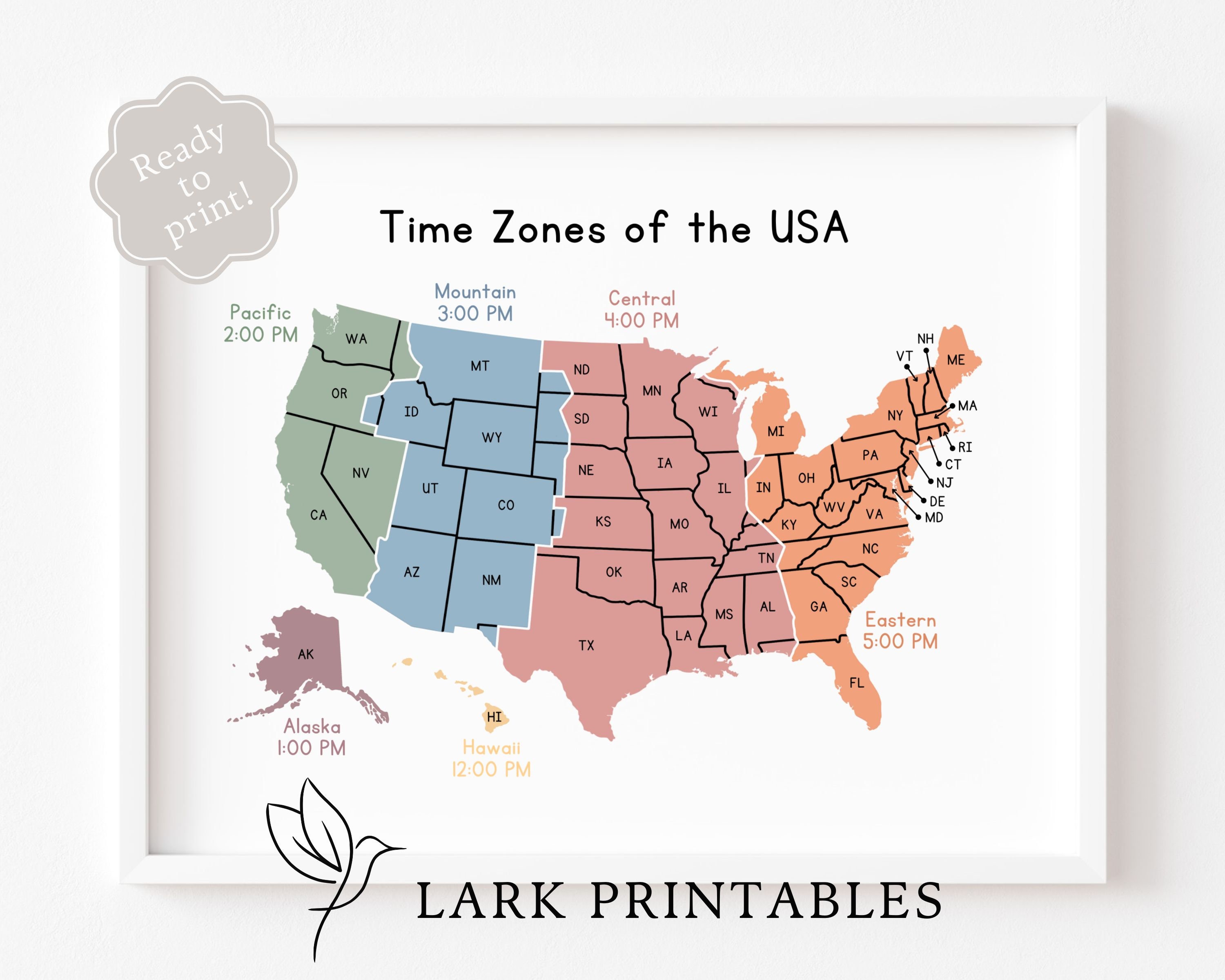
Yes, Chicago, Illinois, observes the Central Time Zone (CT). This places it firmly in the heart of one of the four main time zones within the contiguous United States.
Understanding Time Zones in the United States
The contiguous United States is divided into four primary standard time zones:
- Eastern Time Zone (ET)
- Central Time Zone (CT)
- Mountain Time Zone (MT)
- Pacific Time Zone (PT)
Each zone represents a one-hour difference from its neighboring zone. Central Time is one hour behind Eastern Time and one hour ahead of Mountain Time. This standardized system, established in the late 19th century largely due to the expansion of railroads, ensures uniformity and simplifies communication and travel across the vast country. For Chicago, this means that during standard time, it operates as Central Standard Time (CST), which is UTC-6 hours.
Why Central Time for Chicago?
The placement of Chicago within the Central Time Zone is a result of its geographical location. Time zones are generally drawn to follow lines of longitude, with modifications often made for political or practical reasons to keep states or major metropolitan areas within a single zone where possible. Chicago sits approximately at 87.6 degrees West longitude, which falls comfortably within the theoretical boundaries for the Central Time Zone. This positioning makes it a central hub not just geographically, but also temporally, for a significant portion of the Midwest. The consistency of this time zone across a broad region helps facilitate commerce, travel, and daily life for millions of people.
Practical Implications for Travelers and Residents
Understanding Chicago’s time zone is essential for various aspects of travel, from the moment you book your flight to the last souvenir you purchase. Miscalculating the time could lead to missed connections, forgotten appointments, or simply unnecessary stress during your trip.
Planning Your Arrival and Departure
When booking flights to O’Hare International Airport or Midway International Airport, all arrival and departure times will be listed in Central Time. If you’re traveling from an Eastern Time Zone city like New York City or Miami, remember you’ll effectively “gain” an hour upon arrival in Chicago (e.g., a 2 PM departure from New York City arriving in Chicago at 3 PM local time means a 3-hour flight, not 1 hour). Conversely, traveling west from Chicago to a Mountain Time Zone or Pacific Time Zone destination means you’ll “lose” time. Always double-check your itinerary and adjust your internal clock accordingly to avoid jet lag or missed connections. It’s also wise to inform friends or family about your new time zone to prevent early morning calls or late-night texts.
Navigating Daily Schedules and Business Hours
Once in Chicago, all local activities, attractions, tours, and dining reservations will operate on Central Time. Whether you’re planning to catch a show at the Chicago Theatre, explore the Art Institute of Chicago, or dine at a Michelin-starred restaurant, all scheduled times will adhere to CST or CDT (during Daylight Saving Time). For business travelers, this is particularly crucial for scheduling meetings and conference calls with colleagues in other time zones. Familiarize yourself with the time differences to ensure punctuality and efficient communication. Using a world clock app on your smartphone can be an invaluable tool.
Time Zone Differences with Other Major Cities
To put Chicago’s Central Time Zone into perspective for travelers, here’s how it compares to some other major United States cities:
- New York City, Miami, Atlanta: 1 hour ahead of Chicago (Eastern Time)
- Denver, Phoenix: 1 hour behind Chicago (Mountain Time)
- Los Angeles, Seattle: 2 hours behind Chicago (Pacific Time)
- Houston, Dallas: Same time as Chicago (Central Time)
Keeping these differences in mind will help avoid confusion and ensure smooth coordination during your travel preparations and while you are enjoying your stay.
Daylight Saving Time in Chicago
Like most of the United States, Chicago observes Daylight Saving Time (DST). This means that for part of the year, the clocks are adjusted.
When Does Daylight Saving Time Occur?
Daylight Saving Time typically begins on the second Sunday in March, when clocks “spring forward” one hour. Central Standard Time (CST) (UTC-6) becomes Central Daylight Time (CDT) (UTC-5). It then ends on the first Sunday in November, when clocks “fall back” one hour, returning to CST. This shift aims to extend daylight into the evening hours during the warmer months.
Impact on Travel Plans and Local Life
The switch to CDT means that sunsets occur later in the day, providing more daylight for evening activities and sightseeing – a definite plus for tourists. However, it also means that the initial mornings during DST are darker. For travelers, it’s crucial to be aware of these biannual changes, especially if your trip coincides with the transition dates. Most modern devices (smartphones, computers) automatically adjust, but analog clocks or older devices might need manual adjustment. Always confirm local times for critical appointments, flight schedules, and event timings around these dates to prevent any mix-ups. The transition can also briefly impact sleep patterns, so budget an extra hour or two for rest if you’re sensitive to time changes.
Beyond the Clock: Exploring Chicago’s Allure
While understanding Chicago’s time zone is practical, it merely sets the stage for the incredible experiences that await. Once you’re in sync with the local rhythm, the city opens up with an endless array of attractions and activities.
Iconic Landmarks and Attractions
Chicago boasts a skyline that is both historic and cutting-edge, complemented by world-class museums and parks. Take a leisurely stroll through Millennium Park to snap a photo with Cloud Gate (affectionately known as “The Bean”), or marvel at the vast collections within the Art Institute of Chicago. The panoramic views from the Willis Tower Skydeck (formerly Sears Tower) offer an unparalleled perspective of the city and Lake Michigan. For families, the Shedd Aquarium, Field Museum, and Lincoln Park Zoo provide educational and entertaining experiences. Don’t forget a visit to Navy Pier for entertainment, dining, and stunning waterfront views.
Culinary Delights and Entertainment
Chicago’s food scene is as diverse as its population, ranging from deep-dish pizza joints to Michelin-starred establishments. Indulge in local classics, explore diverse ethnic cuisines, or enjoy sophisticated fine dining. The city’s entertainment landscape is equally vibrant, with a legendary jazz and blues scene, world-class theater on the Chicago Theatre circuit, and lively sports culture with teams like the Chicago Bulls and Chicago Cubs. Planning your day effectively, aware of the Central Time Zone, ensures you won’t miss a single reservation or performance.
Best Times to Visit
While Chicago is a year-round destination, the spring, summer, and fall months generally offer the most pleasant weather for exploring. Summer (June to August) brings a bustling calendar of outdoor festivals, concerts, and al fresco dining, benefiting greatly from the extended daylight hours of CDT. Fall (September to November) offers crisp air, stunning foliage, and often fewer crowds. Winter (December to February) can be cold and snowy, but the city transforms into a festive wonderland, especially around the holidays, with unique indoor attractions and cozy experiences. No matter when you visit, being mindful of the Central Time Zone will help you make the most of the city’s seasonal offerings.
Maximizing Your Chicago Experience
A trip to Chicago is an opportunity for unforgettable memories. By understanding and respecting its time zone, you lay the groundwork for a smooth and enjoyable journey.
Essential Travel Tips
Beyond knowing the time, here are a few general tips for your Chicago adventure:
- Public Transportation: Utilize Chicago’s efficient CTA (Chicago Transit Authority) train and bus system to navigate the city. An unlimited ride pass can be cost-effective.
- CityPass: Consider purchasing a Chicago CityPASS if you plan to visit multiple major attractions, as it offers significant savings and often allows for expedited entry.
- Weather Preparedness: Chicago weather can be unpredictable. Pack layers, regardless of the season, and be prepared for sudden changes.
- Deep Dish: Don’t leave without trying authentic deep-dish pizza! Many famous pizzerias like Lou Malnati’s or Giordano’s have multiple locations.

Harnessing the Power of Time Management
Ultimately, managing your time effectively in Chicago starts with recognizing its place within the Central Time Zone. Set your watches and devices correctly upon arrival, plan your itinerary with the local time in mind, and communicate clearly with anyone outside of CT. This simple awareness will ensure that every moment of your journey, from arriving at O’Hare to catching a sunset over Lake Michigan, unfolds seamlessly and enjoyably. Chicago awaits, perfectly synchronized to Central Time, ready for you to explore its wonders.
LifeOutOfTheBox is a participant in the Amazon Services LLC Associates Program, an affiliate advertising program designed to provide a means for sites to earn advertising fees by advertising and linking to Amazon.com. Amazon, the Amazon logo, AmazonSupply, and the AmazonSupply logo are trademarks of Amazon.com, Inc. or its affiliates. As an Amazon Associate we earn affiliate commissions from qualifying purchases.