
The moniker “The Windy City” is as synonymous with Chicago as deep-dish pizza, towering skyscrapers, and a vibrant arts scene. It’s a nickname that has permeated popular culture, shaping perceptions and drawing curious travelers to question its origin and literal truth. When planning a visit to Chicago, understanding this famous epithet offers more than just a historical tidbit; it provides insight into the city’s character, its architectural prowess, and even practical advice for experiencing its unique climate. For those embarking on a journey to this iconic Midwest metropolis, delving into the story behind “The Windy City” is an essential part of appreciating its multifaceted charm. This article aims to unravel the layers of myth and meteorological fact, offering a comprehensive guide for travelers eager to truly know Chicago.
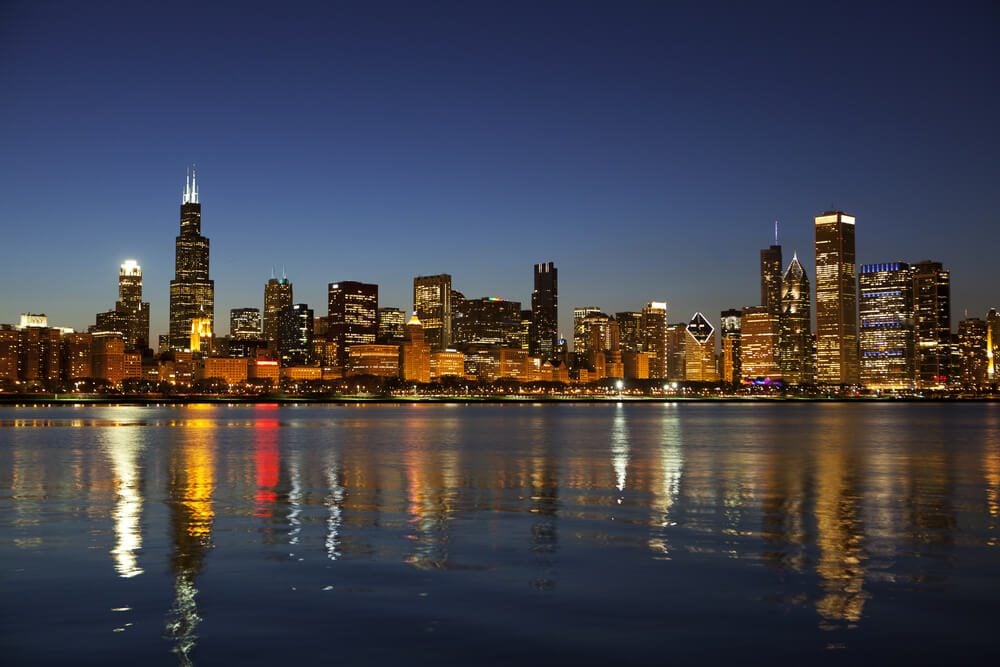
Unraveling the Myth: The Origins of “The Windy City”
The story behind “Chicago The Windy City” is far richer and more complex than simply a meteorological observation. While the city certainly experiences its share of breezes, the nickname’s genesis is often attributed to a blend of political rivalry, journalistic wit, and historical context rather than sheer wind speed alone. For travelers seeking to understand the soul of a destination, these origin stories reveal much about its identity and its place in the national consciousness.
A Tale of Rivalry and Journalism
One of the most widely cited origins for the “Windy City” moniker traces back to a journalistic rivalry in the late 19th century. The year 1893 saw Chicago preparing to host the monumental World’s Columbian Exposition, a global event that solidified the city’s reputation as an economic and cultural powerhouse. However, not everyone was thrilled about Chicago’s rising prominence. Legend has it that a journalist from the New York Sun, Charles Dana, purportedly used the term in an editorial, not to describe the weather, but to disparage Chicago’s boastful residents and their “windy” politicians, who were campaigning vigorously to bring the Exposition to their city over New York.
While the exact quote and its context remain somewhat elusive in historical records, the narrative has firmly taken root. It suggests that Chicago’s “windiness” was perceived as bluster, arrogance, or empty talk from its civic leaders and booster organizations. This origin story, whether entirely accurate or not, speaks volumes about the competitive spirit between burgeoning American cities during a period of rapid industrialization and expansion. For travelers, it highlights a fascinating aspect of urban history, where nicknames become weapons or badges of honor in the battle for national recognition.
Political Winds and Architectural Breezes
Beyond the journalistic feud, other theories suggest alternative origins for the “Windy City” nickname. Some historians propose that the term might have been used earlier in the context of political discourse, referring to the “windy” speeches delivered by politicians in Chicago, a city known for its robust and often tumultuous political landscape. The city’s rapid growth and its position as a hub for various reform movements and labor organizing certainly made it a place where strong opinions and impassioned rhetoric frequently swirled.
Another perspective links the nickname more literally to the physical environment, but perhaps not in the way one might immediately assume. Early Chicago was built on a relatively flat plain near Lake Michigan. As the city developed, its grid system and burgeoning architecture, though not yet reaching the skyscraper heights of today, might have created channels that exacerbated natural breezes, making certain areas feel particularly gusty. Some even point to an earlier reference in 1876 where an editor from Cincinnati, Ohio, referred to Chicago as “The Windy City” in an article about a baseball game, again potentially hinting at rivalry or perhaps an early observation of its climate. Regardless of the precise origin, what is clear is that the nickname evolved from a confluence of historical, political, and possibly environmental factors, becoming an indelible part of Chicago’s identity.
Chicago’s Climate: A Meteorological Perspective
While the historical and cultural origins of “The Windy City” are compelling, many travelers wonder about the literal truth: is Chicago truly windier than other major cities? A look at meteorological data offers a more nuanced answer, revealing that while Chicago certainly experiences significant wind, its reputation as the windiest city might be an exaggeration. Understanding the city’s actual wind patterns is crucial for travelers, allowing them to prepare appropriately and appreciate the local climate.
Lake Michigan’s Influence
The dominant factor influencing Chicago’s local climate and wind patterns is its proximity to Lake Michigan, one of the five Great Lakes. This massive body of water creates a “lake effect” that significantly impacts the city. During colder months, the warmer lake water can moderate temperatures near the shore, but it also creates lake-effect snowstorms. More pertinently for wind, the large expanse of the lake provides an unobstructed path for winds, particularly those from the north and east, to sweep across the city.
The urban canyon effect, where wind is channeled and accelerated between tall buildings, further intensifies these gusts, especially in the downtown areas. This interaction between natural geographic features and man-made structures means that while the average wind speed might not be extraordinarily high, the perception of windiness, particularly at street level or along the lakefront, can be quite strong. Travelers often feel this acutely when walking near landmarks like the Willis Tower or along the Chicago Riverwalk.
Comparing Wind Speeds
When meteorological data is scrutinized, Chicago typically ranks among the top tier of U.S. cities for average wind speed, but it rarely holds the top spot. Cities like Boston, Oklahoma City, and even some coastal cities like San Francisco or inland plains cities like Dallas and Detroit often record higher average annual wind speeds.
For instance, Oklahoma City, situated in a region known for its wide-open plains and powerful weather systems, frequently outranks Chicago in terms of average wind speed. What gives Chicago its enduring reputation then? It’s likely a combination of the aforementioned lake effect, the urban canyoning, and the historical anecdote that cemented the nickname. For the average traveler, the key takeaway is that while Chicago is indeed a breezy city, its “windiness” is more about specific localized effects and a famous nickname than it is about being meteorologically unsurpassed globally or even nationally. Prepare for wind, but understand its context.
Embracing the Wind: Chicago’s Iconic Skyline and Urban Planning
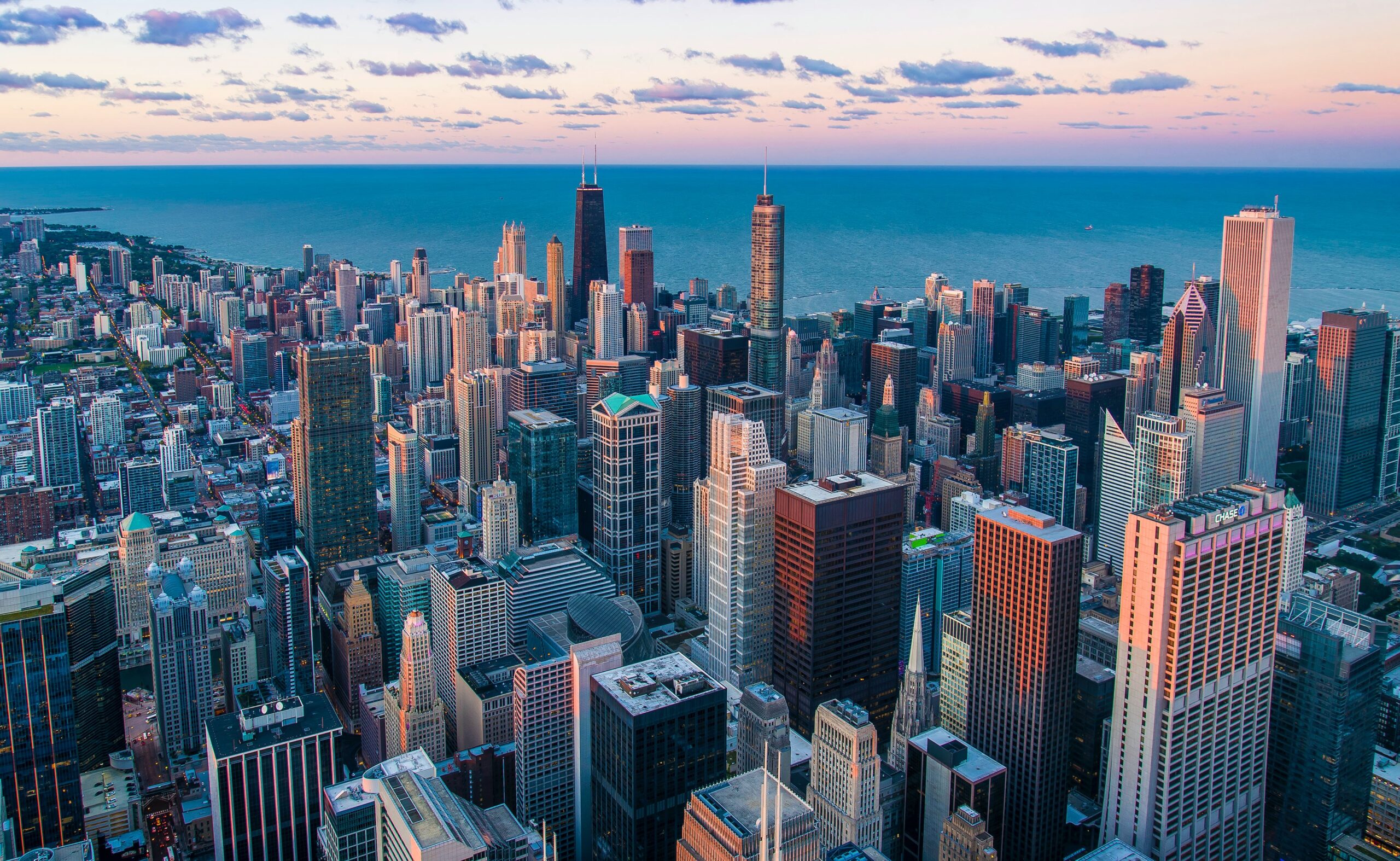
Far from being a deterrent, the ever-present winds of Chicago have played an integral role in shaping its legendary skyline and innovative urban design. The city’s architects and planners have historically viewed the environmental conditions not as obstacles, but as challenges that inspire groundbreaking solutions. For travelers, this means witnessing a city that has masterfully integrated its climate into its very fabric, creating a landscape that is both resilient and remarkably beautiful.
Architectural Resilience
Chicago is globally renowned as the birthplace of the modern skyscraper and a crucible of architectural innovation. The city’s need to rebuild after the Great Chicago Fire of 1871, combined with a desire for vertical expansion on limited land, spurred architects to pioneer new construction techniques. Early skyscrapers, such as the Home Insurance Building (though now demolished), laid the groundwork for steel-frame construction, a revolutionary approach that allowed buildings to soar to unprecedented heights.
The strong winds undoubtedly influenced the design and engineering of these towering structures. Architects and engineers had to account for wind loads, leading to innovations in structural bracing, foundation design, and aerodynamic profiles. Iconic buildings like the Willis Tower (formerly Sears Tower) and the John Hancock Center (now 875 North Michigan Avenue) are masterpieces of engineering that visibly demonstrate their resilience to wind. The distinct X-bracing on the exterior of the John Hancock Center, for example, is not merely decorative; it’s a structural element designed to resist strong winds and lateral forces. This architectural heritage provides a fascinating layer to any visitor’s experience, transforming a simple walk through downtown into an encounter with human ingenuity overcoming natural forces.
Public Spaces and Waterfront Design
Beyond the skyscrapers, Chicago’s public spaces and waterfront areas also showcase thoughtful design that considers the city’s climate. The expansive parks, green spaces, and the famed Chicago Riverwalk offer travelers diverse environments, each subtly shaped by the wind.
Millennium Park, a crown jewel of Chicago’s public realm, features open lawns, art installations like Cloud Gate (“The Bean”), and sheltered pathways. While the open areas can be quite breezy, the landscaping and strategic placement of structures offer respite. The Chicago Riverwalk, an award-winning urban oasis, provides a unique perspective on the city. Here, the river itself acts as a natural windbreak in some sections, while others are more exposed. The design cleverly integrates seating areas, cafes, and boat docks, allowing visitors to enjoy the waterfront regardless of the wind conditions. Whether marveling at the architecture from a boat tour on the Chicago River or strolling through a lakeside park, travelers will find that Chicago has learned not just to live with its wind, but to harness it in creating a dynamic and engaging urban experience.
Experiencing Chicago: Practical Tips for Travelers
For travelers heading to Chicago, understanding the nuances of “The Windy City” translates into practical advice that can enhance your visit. While the city’s winds are part of its charm and character, being prepared ensures a comfortable and enjoyable exploration of all its wonders. From what to pack to the best times for certain activities, a little foresight goes a long way.
Dressing for the Elements
Given Chicago’s reputation and meteorological realities, sensible packing is key, especially outside of peak summer months. Layering is always recommended, as lake breezes can make even mild days feel cooler, and temperatures can vary significantly from open lakefront areas to the sheltered downtown streets.
- Spring and Fall: Expect brisk winds and fluctuating temperatures. A medium-weight jacket, scarf, and possibly a hat are advisable. Waterproof outerwear is also a good idea.
- Summer: While days can be hot and humid, evenings, especially near Lake Michigan, can still bring a refreshing, but sometimes strong, breeze. A light jacket or sweater for evenings is a must.
- Winter: This is when Chicago’s wind combined with cold temperatures can be truly bracing. Invest in a heavy, windproof winter coat, hat, gloves, and warm, waterproof footwear. The wind chill factor can make temperatures feel significantly colder than the thermometer indicates.
Regardless of the season, comfortable walking shoes are essential for exploring the city’s extensive attractions. Sunglasses can also be helpful on sunny, windy days to protect your eyes from dust and glare.
Best Times to Visit
While Chicago offers something unique in every season, certain times of the year provide a more pleasant experience for those sensitive to wind or cold.
- Late Spring (May-June) and Early Fall (September-October): These seasons are often considered ideal. Temperatures are mild, and while winds are still present, they are generally less biting than in winter. The city’s parks and outdoor attractions, like Millennium Park and the Chicago Riverwalk, are particularly enjoyable.
- Summer (July-August): Offers warm weather perfect for lake activities, boat tours, and outdoor festivals. While potentially humid, the lake breeze can be a welcome relief. Be prepared for strong winds during thunderstorms.
- Winter (November-April): Can be challenging for those unaccustomed to cold and wind. However, Chicago) in winter has its own magic, with festive lights, cozy indoor attractions like the Art Institute of Chicago, Field Museum, Shedd Aquarium, and Adler Planetarium, and unique experiences like ice skating in Millennium Park.

Wind-Related Activities and Attractions
Instead of avoiding the wind, embrace it as part of the authentic Chicago experience!
- Architectural Boat Tours: These tours offer unparalleled views of the city’s famous architecture and provide a unique perspective on how buildings stand tall against the elements. You’ll feel the breeze but be captivated by the narrative.
- Skydeck Willis Tower or 360 Chicago at the John Hancock Center: Experience the sensation of height and, yes, a bit of sway on a truly windy day from observation decks that offer panoramic views.
- Lakefront Trail: Ideal for walking, jogging, or biking, this trail offers stunning views of the skyline and Lake Michigan. Be prepared for stronger winds, especially on open stretches.
- Magnificent Mile Shopping: The stretch of North Michigan Avenue is lined with world-class shops. While walking outside, the sheer density of buildings can sometimes offer surprising shelter or funnel winds into surprising gusts, making for an interesting urban stroll.
Ultimately, “Chicago The Windy City” is a destination that demands respect for its climate, but rewards visitors with an unforgettable blend of history, architectural marvels, and a vibrant cultural scene. By understanding its winds, travelers can not only prepare better but also appreciate how this defining characteristic has shaped one of America’s greatest cities.
LifeOutOfTheBox is a participant in the Amazon Services LLC Associates Program, an affiliate advertising program designed to provide a means for sites to earn advertising fees by advertising and linking to Amazon.com. Amazon, the Amazon logo, AmazonSupply, and the AmazonSupply logo are trademarks of Amazon.com, Inc. or its affiliates. As an Amazon Associate we earn affiliate commissions from qualifying purchases.