
Chicago, often called the “Windy City,” stands as a vibrant mosaic of culture, history, and architectural marvels, drawing millions of visitors each year to its stunning lakefront, world-class museums, and diverse culinary scene. For travelers planning a visit, understanding the city’s geography and safety landscape is a crucial part of preparation. While Chicago offers an overwhelmingly positive experience for tourists, like any major metropolis, it has areas that face significant challenges, often referred to as “bad areas.” This article aims to provide an insightful, professional, and engaging guide for travelers to navigate Chicago responsibly, offering context and practical advice rather than fear-mongering. The goal is to empower visitors with knowledge, enabling them to make informed decisions and enjoy the best of what this magnificent city has to offer safely.

Understanding Safety in Chicago for Travelers
When discussing “bad areas” in a city like Chicago, it’s imperative to approach the topic with nuance and context. The perception of safety can be heavily influenced by media reports, historical narratives, and anecdotal evidence, which often don’t fully represent the lived experience or the specific areas frequented by tourists.
Dispelling Myths and Understanding Nuance
The vast majority of crime in Chicago is highly localized and often occurs in specific neighborhoods that are far removed from the city’s main tourist attractions and commercial centers. For travelers, the key distinction is between areas where crime affects residents in their daily lives and the areas visitors typically explore. Most tourist-centric areas, including downtown, the North Side, and popular entertainment districts, are generally safe and well-patrolled, comparable to other major global cities. The narrative of “dangerous Chicago” often conflates the entire city with specific, challenged communities, painting an inaccurate picture for the casual visitor. Understanding this nuance is the first step toward a confident and enjoyable trip.
Key Factors Contributing to Perceptions
Perceptions of danger in Chicago are multifaceted. Historically, the city has grappled with significant socioeconomic disparities, which are often correlated with higher crime rates in specific communities. Decades of redlining, disinvestment, and systemic inequalities have concentrated poverty and its associated challenges in certain parts of the South and West Sides. Media coverage, particularly national news focusing on gun violence, frequently highlights these issues without providing adequate geographic context, leading to a generalized sense of unease about the entire city. While these challenges are real and significant for residents, they rarely impact the typical traveler’s experience, which is largely confined to the vibrant, bustling, and secure central and northern districts.
Tourist vs. Local Experience
The distinction between the tourist and local experience is paramount. A local resident navigating daily life in a challenging neighborhood faces different risks and realities than a tourist exploring the city’s iconic landmarks. Tourists generally stick to well-lit, populated areas, utilize reliable transportation, and are often less likely to be targets of random violence. The types of crimes that typically affect tourists – petty theft, pickpocketing – are common in any large city and can be mitigated with basic precautions. Violent crime, especially the gun violence often sensationalized, disproportionately affects residents within specific community networks and is highly localized, rarely spilling over into the areas where visitors sightsee, dine, or stay.
Identifying Areas to Approach with Caution (and Why)
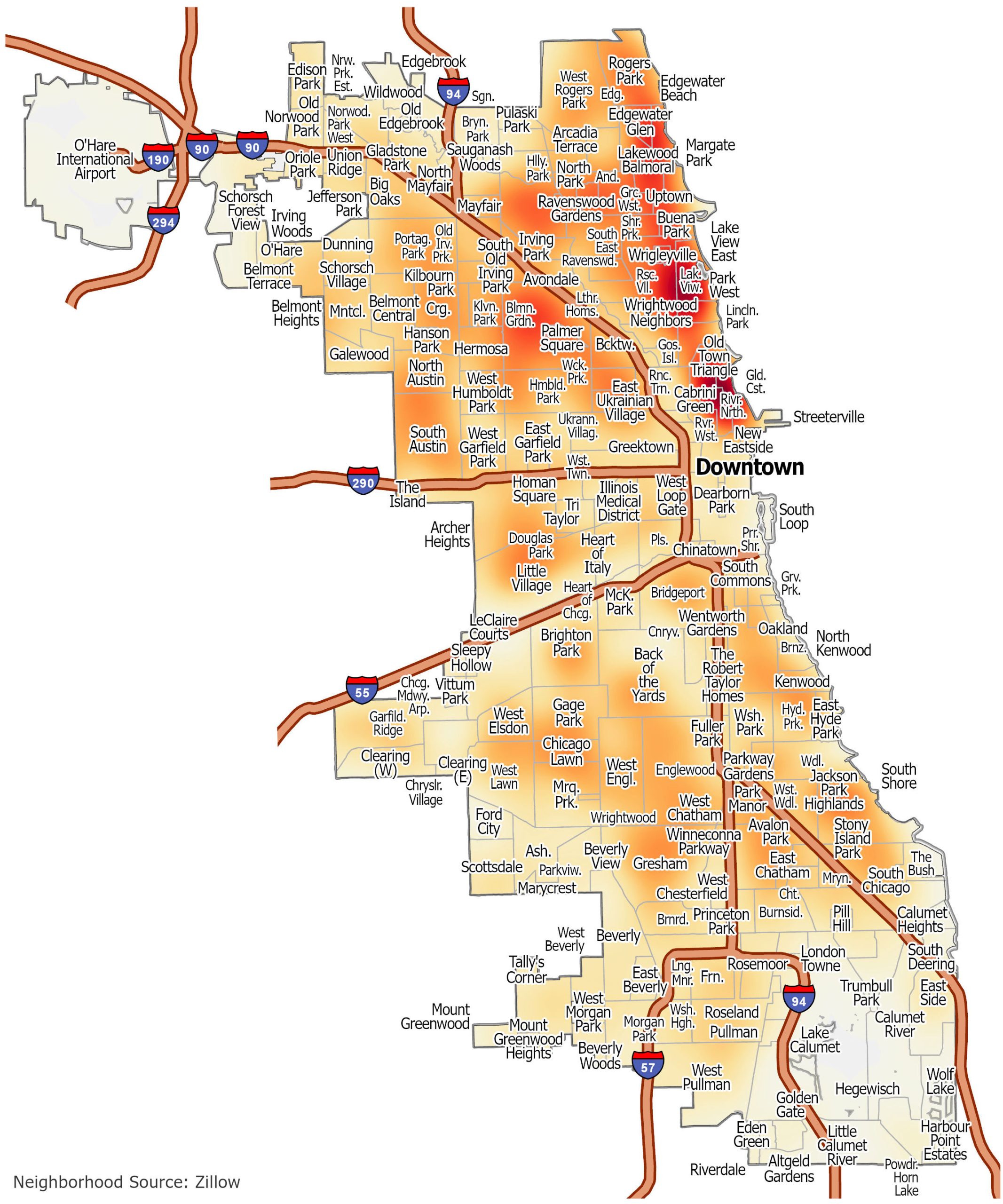
While the goal is not to deter travelers from visiting Chicago, it is responsible to inform them about areas that have historically higher crime rates or fewer resources, which means they might not be suitable for casual tourism. These areas are predominantly located on the South and West Sides of the city. It’s crucial to remember that these are broad generalizations and even within these areas, conditions can vary block by block.
General Geographic Overview: South and West Sides
When referring to “bad areas,” the conversation almost always gravitates towards certain neighborhoods on the South Side and West Side of Chicago. These vast sections of the city are home to diverse communities, many of which are resilient and vibrant. However, decades of socioeconomic challenges, including disinvestment, poverty, and historical systemic inequalities, have contributed to higher rates of violent crime in specific pockets. These areas are typically residential, lack significant tourist attractions, and are not designed for visitor exploration. A traveler venturing into these neighborhoods would likely find themselves far from amenities and public safety infrastructure geared towards tourism.
Specific Neighborhoods Often Cited (with caveats)
It is important to reiterate that naming specific neighborhoods is not an indictment of their entire community or its residents, but rather an acknowledgment of statistical realities concerning crime rates. For travelers, these are areas where there is little to no tourist infrastructure, and where safety concerns are statistically elevated:
- Englewood: Located on the South Side, Englewood is frequently cited in discussions about Chicago’s crime challenges. It has historically faced high rates of violent crime, largely driven by gang-related conflicts and socioeconomic distress. There are no major tourist attractions in Englewood, and travelers are highly unlikely to find themselves there unless they have a very specific, non-tourist-related reason.
- West Garfield Park / East Garfield Park: These West Side neighborhoods also contend with significant challenges, including higher rates of violent crime. While East Garfield Park is home to the beautiful Garfield Park Conservatory, an attraction worth visiting during the day, it’s advisable to travel directly to and from the conservatory and to be aware of your surroundings, especially if using public transit. West Garfield Park has similar issues to Englewood.
- North Lawndale: Another West Side community, North Lawndale has historically struggled with poverty and high crime rates. Like the others, it lacks tourist infrastructure and is not a destination for visitors.
- Auburn Gresham / Roseland: Further south from the city center, these neighborhoods are also often mentioned in discussions of areas with elevated crime statistics. They are primarily residential and do not offer attractions for the typical traveler.
The caveat here is crucial: these areas are not monolithic. Within them, there are resilient communities, local businesses, and residents striving for positive change. However, for a tourist simply looking to experience the best of Chicago, there is generally no reason to venture into these specific areas, particularly after dark.
The Importance of Context: What Kind of Crime, Time of Day, Purpose of Visit
Understanding the nature of crime is key. Much of the violent crime in these areas is related to gang activity or specific interpersonal disputes, rarely random attacks on tourists. Petty crime, like pickpocketing or purse snatching, can happen anywhere in a large city, including busy tourist areas, but it’s different from the more severe issues facing challenged neighborhoods.
The time of day also matters significantly. An area that might be safe and bustling during daylight hours could become considerably less so after dark, especially if it’s not well-lit or heavily trafficked. Finally, your purpose of visit is critical. If you are visiting friends or family who live in these areas, or have a specific, pre-arranged activity, your experience will differ from a casual exploration. Always consult with locals or trusted resources if you have a specific reason to be in a lesser-known neighborhood.
Chicago’s Safe and Popular Tourist Districts
For travelers, the overwhelming majority of Chicago’s most famous attractions, vibrant dining scenes, and comfortable accommodations are located in areas that are very safe and welcoming. These districts are well-patrolled, bustling with activity, and designed to cater to visitors.
Downtown Loop and Magnificent Mile
The heart of Chicago’s tourism lies within the Downtown Loop and the Magnificent Mile. The Downtown Loop is the central business district, home to iconic architecture, Millennium Park, the Art Institute of Chicago, and numerous theaters. It’s vibrant during the day and evening, with heavy foot traffic and a strong police presence. The Magnificent Mile, a stretch of North Michigan Avenue, is renowned for its upscale shopping, luxury hotels, and dining experiences. Both areas are generally very safe, even at night, though standard big-city vigilance (e.g., being aware of pickpockets) is always advised.
River North and Streeterville
Directly north of the Chicago River are River North and Streeterville. River North is famous for its art galleries, trendy restaurants, and lively nightlife. Streeterville is home to Navy Pier, luxury high-rises, and several hospitals. Both neighborhoods are affluent, heavily trafficked, and very safe for visitors. They offer a fantastic array of dining, entertainment, and accommodation options within a secure environment.
Lincoln Park and Old Town
Further north, Lincoln Park and Old Town offer a charming, more residential feel while still being popular tourist destinations. Lincoln Park boasts the expansive Lincoln Park Zoo, beautiful green spaces, and a lively restaurant scene, particularly along Lincoln Avenue and Armitage Avenue. Old Town is known for its historic architecture, quaint boutiques, and famous comedy club, The Second City. Both areas are considered very safe, with a community-oriented atmosphere and pleasant streets perfect for strolling.
Wicker Park and Bucktown
For those seeking a trendier, more bohemian vibe, Wicker Park and Bucktown, located northwest of downtown, are excellent choices. These neighborhoods are celebrated for their independent boutiques, vintage shops, eclectic restaurants, and vibrant arts scene. They are generally safe, especially during the day and early evening when their commercial streets are bustling. As with any area with a lively nightlife, common sense precautions are wise late at night.
Hyde Park
Located on the South Side, but distinct from the areas mentioned earlier, Hyde Park is a historically rich and culturally significant neighborhood. Home to the prestigious University of Chicago, the Museum of Science and Industry, and the future Obama Presidential Center, Hyde Park is generally very safe for visitors. The presence of the university campus and its security resources, combined with its unique cultural institutions, makes it a safe and rewarding area to explore during the day.
Practical Safety Tips for Travelers in Chicago
Regardless of where you travel in the world, exercising basic common sense and practicing situational awareness are your best defenses against potential issues. Chicago is no exception.
Situational Awareness
Always be aware of your surroundings, especially when walking alone, in less crowded areas, or at night. Avoid being overly absorbed in your phone. Make eye contact with people, and project confidence. If a situation feels off, trust your instincts and remove yourself. This simple act of paying attention can deter potential opportunists.
Public Transportation
Chicago’s CTA (Chicago Transit Authority) train and bus system is an efficient way to get around. During the day, it’s generally safe and convenient. However, late at night, especially on less crowded trains or at deserted bus stops, it’s advisable to use ride-sharing services or taxis, particularly if you are alone or traveling to areas you’re unfamiliar with. Always plan your route in advance and be mindful of your belongings on crowded trains.
Valuables and Personal Belongings
Avoid flaunting expensive jewelry, electronics, or large amounts of cash. Keep your wallet in a front pocket, use a cross-body bag that’s difficult to snatch, and keep bags zipped. If you carry a backpack, be extra vigilant in crowded areas. When dining out, avoid leaving your phone or wallet unattended on a table. These are universal tips for any major city.
Trust Your Instincts
Your intuition is a powerful safety tool. If a street feels too quiet, an alley looks uninviting, or a person makes you feel uneasy, simply turn around and go in a different direction. It’s always better to be overly cautious than to regret ignoring a gut feeling.
Research Your Destination
Before heading to any unfamiliar neighborhood, particularly if it’s not a well-known tourist spot, do a quick online search. Look up recent reviews, local news, and safety information. This preparation can help you avoid inadvertently wandering into an uncomfortable situation. Also, consider asking your hotel concierge or a trusted local for advice on areas to avoid or specific safety considerations.
Official Resources
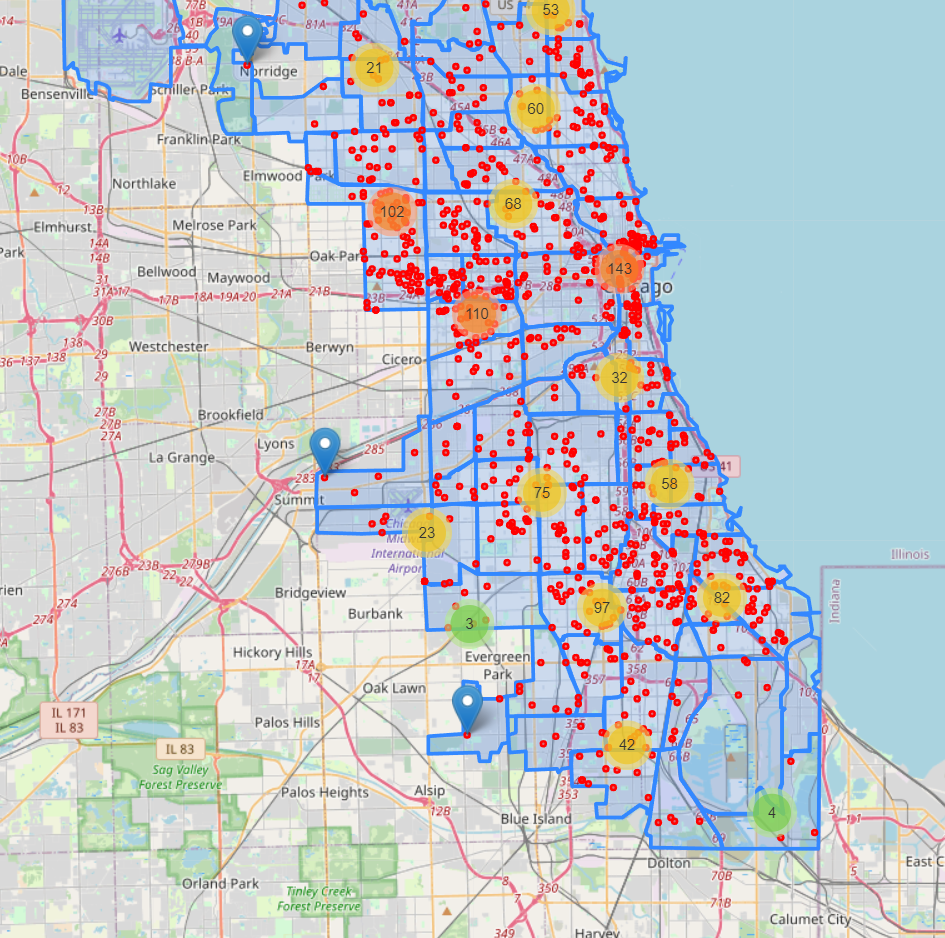
For up-to-date crime statistics and safety advisories, you can refer to official sources like the Chicago Police Department‘s website. While these are primarily for residents, understanding the official discourse can provide an additional layer of information.
In conclusion, Chicago is an extraordinary city, offering an unparalleled travel experience. By understanding its geography, being aware of areas that face socioeconomic challenges, and adopting a common-sense approach to personal safety, travelers can confidently explore its countless attractions. Focus on the vast array of safe, vibrant, and welcoming neighborhoods, and you are guaranteed to have a memorable and enriching visit to the “Windy City.” The vast majority of visitors experience no safety issues, and with informed planning, neither will you.
LifeOutOfTheBox is a participant in the Amazon Services LLC Associates Program, an affiliate advertising program designed to provide a means for sites to earn advertising fees by advertising and linking to Amazon.com. Amazon, the Amazon logo, AmazonSupply, and the AmazonSupply logo are trademarks of Amazon.com, Inc. or its affiliates. As an Amazon Associate we earn affiliate commissions from qualifying purchases.