
For countless travelers dreaming of a California escape, the Golden State conjures images of sun-drenched beaches, towering redwoods, vibrant cities like Los Angeles and San Francisco, and world-class wine regions. Yet, in recent years, a critical question often arises in the minds of prospective visitors: “Is the fire out in California?” This concern is a legitimate one, as wildfires have become an increasingly prominent feature of the state’s late summer and fall seasons, directly impacting travel plans, accessibility to cherished destinations, and the overall visitor experience. This guide aims to provide travelers with a comprehensive understanding of how wildfires can affect their journeys through California, offering insights into responsible planning, staying informed, and still enjoying the myriad wonders this diverse state offers. Understanding the dynamics of California’s fire season isn’t about fostering fear, but rather empowering travelers with the knowledge to make informed decisions and ensure a safe, enjoyable, and sustainable trip.
Understanding California’s Wildfire Landscape for Travelers
California’s unique geography and climate, characterized by dry summers, strong winds, and an abundance of chaparral and forestland, make it inherently susceptible to wildfires. While fire is a natural component of many ecosystems, human activity and changing climate patterns have exacerbated their frequency and intensity, particularly in recent decades. For travelers, acknowledging this reality is the first step in planning a resilient itinerary.
The Cyclical Nature of Wildfires in the Golden State
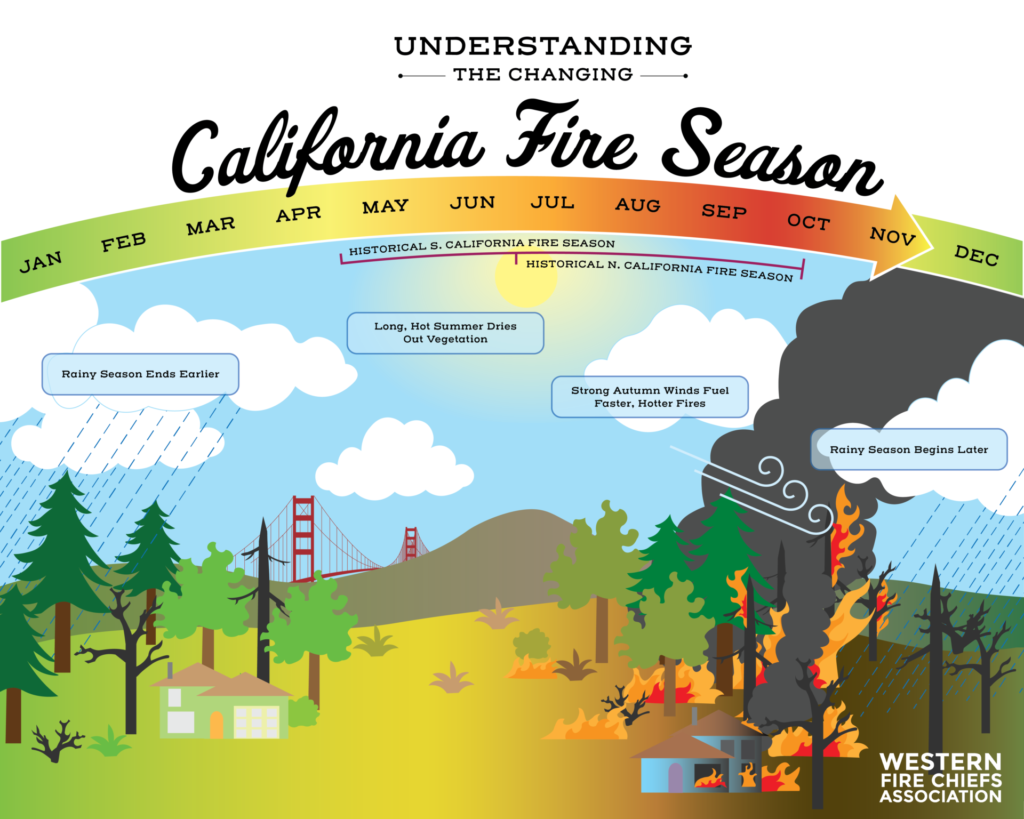
Wildfires are not a constant state but rather a cyclical phenomenon, primarily occurring during specific windows, often referred to as “fire season.” Traditionally, this period extends from late spring through fall, peaking in late summer and early autumn when vegetation is driest and winds, like the infamous Santa Anas in Southern California and the Diablo Winds in the north, can spread flames rapidly. However, due to longer periods of drought and warmer temperatures, the fire season has effectively lengthened, sometimes stretching into winter months. This means that travelers must remain vigilant and informed regardless of the time of year, though certain seasons carry higher inherent risks. The key takeaway for travelers is that “the fire being out” isn’t a permanent state but a temporary one, requiring continuous awareness.
Key Regions and Their Susceptibility
While wildfires can occur anywhere in the state, certain regions are historically more prone to significant fire activity. Mountainous and forested areas, particularly those bordering urban or suburban communities (known as the wildland-urban interface), are often at highest risk.
Iconic natural destinations like Yosemite National Park, Sequoia National Park, and parts of the Sierra Nevada mountains are regularly impacted, sometimes leading to closures or significant air quality issues. Wine regions such as Napa Valley and Sonoma County, while agricultural, are often nestled against wildlands, making them vulnerable. Coastal regions generally experience fewer direct impacts due to higher humidity, but smoke plumes can drift hundreds of miles, affecting air quality even in seemingly safe areas like Santa Barbara or along the Pacific Coast Highway. Urban centers themselves are less likely to burn but can be significantly affected by smoke and ash, which impacts outdoor activities and overall enjoyment. Knowing which regions are typically more susceptible can help travelers tailor their itineraries and allocate more time for monitoring conditions in those specific areas.
Impact on Travel: What Travelers Need to Know
Wildfires can profoundly affect travel experiences, from minor inconveniences to complete trip cancellations. Understanding these potential impacts is crucial for any traveler planning a visit to California.
Air Quality and Health Considerations
One of the most widespread impacts of wildfires, even for those not directly in the path of a blaze, is poor air quality. Smoke from large fires can travel vast distances, blanketing entire regions in a hazy, sometimes orange, sky and significantly degrading air quality. Fine particulate matter in wildfire smoke can pose serious health risks, particularly for individuals with respiratory conditions, the elderly, and young children. Travelers should monitor air quality indexes (AQI) regularly, especially if planning outdoor activities. High AQI levels might necessitate staying indoors, altering hiking plans, or even considering changing destinations. While a beautiful sunset might be tempting to photograph through a smoky haze, prioritizing health is paramount. Reputable sources like AirNow.gov provide real-time AQI data, which should be part of every traveler’s daily check during fire season.
Road Closures and Accessibility Challenges
Active wildfires often lead to significant road closures, sometimes without much warning, as authorities prioritize safety and enable emergency responders to operate. Major highways, scenic routes like parts of Highway 1, and access roads to national parks and forests can all be affected. These closures can strand travelers, force lengthy detours, or completely block access to planned destinations. Before embarking on any drive, especially through potentially affected areas, travelers should consult official state transportation websites (e.g., Caltrans) and local emergency services for real-time road conditions. Furthermore, GPS navigation systems may not always have the most up-to-date information regarding fire-related closures, making independent verification essential. Flexibility in routing and itinerary is a powerful tool in mitigating this challenge.
Evacuations and Destination Disruptions
In severe cases, wildfires necessitate mandatory evacuations of communities and recreational areas. For travelers, this could mean an abrupt end to a vacation, the loss of pre-paid accommodations, or even being in an area that becomes difficult to leave. National parks like Kings Canyon National Park or state parks in mountainous regions are often among the first to close. While such dramatic disruptions are less common for the majority of travelers, the possibility underscores the importance of staying informed about local conditions and having contingency plans. If a destination is under an evacuation warning or order, it is imperative to heed official guidance immediately, as safety is the utmost priority.
Insurance and Cancellation Policies
The financial implications of wildfire disruptions can be significant. Travel insurance can be a valuable asset, but travelers must understand their policy’s specific terms regarding natural disasters. Many standard policies cover cancellations due to mandatory evacuations or widespread closures, but some might have exclusions or require specific “cancel for any reason” riders. It’s crucial to purchase insurance well in advance of travel and carefully read the fine print. Additionally, understanding the cancellation policies of hotels, airlines, and tour operators is vital. Some may offer waivers or refunds in extreme circumstances, but others might adhere strictly to their published policies, especially if the disruption is not directly impacting their immediate location.
Responsible Travel Planning Amidst Fire Concerns
While the challenges of wildfire season are real, they should not deter travelers from experiencing California. Instead, they should prompt a more thoughtful and responsible approach to travel planning.

Pre-Trip Research: Staying Informed
The cornerstone of responsible travel during California’s fire season is diligent pre-trip research and continuous monitoring. Before and during your trip, make it a habit to check official sources for wildfire information. Websites like CalFire (the California Department of Forestry and Fire Protection) provide current incident maps and updates. The National Wildfire Coordinating Group (NWCG) also offers resources. Additionally, check the National Weather Service for red flag warnings (conditions conducive to extreme fire behavior). For national and state parks, visit their official websites for real-time closure information. Local tourism boards and chambers of commerce in your intended destinations can also be excellent sources of ground-level information and alternative suggestions if an area is affected.
Flexible Booking and Contingency Plans
Flexibility is a traveler’s best friend in fire-prone regions. When booking accommodations, flights, and activities, prioritize options with lenient cancellation or change policies. Consider booking refundable hotels or those with free cancellation up to the day of arrival. If renting a car, ensure your reservation allows for changes or cancellations without penalty. Develop alternative itineraries for different scenarios. For instance, if your plan to visit Lake Tahoe is jeopardized by smoke, have a backup plan to explore the Central Coast or urban attractions in San Diego. Having a “Plan B” (and even a “Plan C”) can transform a potential disaster into a manageable pivot, ensuring your trip remains enjoyable despite unforeseen circumstances.
Supporting Affected Communities
When wildfires devastate an area, the economic impact on local communities, particularly those reliant on tourism, can be profound and long-lasting. If an area has been affected but is deemed safe for visitation by authorities, supporting local businesses can be a powerful way to contribute to recovery. This might mean visiting once the immediate danger has passed, buying local products, dining at local restaurants, and engaging with local services. However, it’s crucial to respect recovery efforts and not visit areas that are still actively recovering or where resources are strained. Always follow local guidance and ensure your visit is a help, not a hindrance.
Experiencing California Safely and Sustainably
Despite the challenges, California remains an incredible travel destination. With mindful planning, travelers can still enjoy its diverse offerings safely and sustainably.
Alternative Destinations and Less-Impacted Regions
California is a vast state, and it’s rare for every region to be simultaneously impacted by severe wildfires. If one area is experiencing significant fire activity or poor air quality, there are almost always other stunning destinations to explore. For example, if the Sierra Nevada foothills are smoky, consider the pristine beaches of Laguna Beach, the cultural vibrancy of Palm Springs, or the dramatic deserts of Death Valley National Park. Urban centers often serve as excellent bases during fire season, offering museums, dining, and indoor attractions less affected by smoke. Researching the typical fire patterns and humidity levels of different regions can guide you toward naturally safer options during peak fire season.
Engaging with Nature Responsibly
When venturing into California’s natural spaces, especially during fire season, responsible practices are paramount. Always adhere to local fire restrictions, which often include bans on campfires, charcoal grills, and even certain types of outdoor cooking equipment. Be extremely cautious with anything that could spark a flame, from cigarette butts to vehicle exhaust systems near dry grasses. “Leave No Trace” principles extend beyond litter to fire prevention: carry out everything you pack in, and never leave any potential ignition source behind. Educate yourself on the specific regulations of the parks and forests you plan to visit, as they often have unique rules designed to prevent human-caused fires.
Local Expertise and Guided Tours
Engaging with local experts, such as certified guides or established tour operators, can enhance both the safety and depth of your travel experience. Locals possess invaluable knowledge of current conditions, safe routes, and alternative attractions. Many guided tours operate with stringent safety protocols and are well-versed in navigating potential disruptions. They often have better access to real-time information and can adapt itineraries on the fly, taking the burden of constant monitoring off the traveler. Supporting these local businesses also contributes directly to the communities that rely on tourism.
The Future of Travel in Fire-Prone Regions
As climate patterns continue to evolve, wildfires will likely remain a significant consideration for travel to California and other similar regions globally. Travelers have a role to play not just in adapting to these conditions but also in advocating for sustainable practices.
Climate Change and Long-Term Implications
The increasing intensity and duration of California’s fire seasons are widely linked to climate change, specifically warmer temperatures and prolonged droughts. For the travel industry, this means an ongoing need for adaptation and resilience. Destinations may need to invest more in fire-resistant infrastructure, develop clearer communication protocols, and promote year-round tourism to diversify their economic base beyond peak fire season. Travelers, in turn, can support businesses and destinations committed to environmental sustainability and climate action, recognizing their own impact as part of the solution.
Resilience and Adaptation Strategies for Tourism
The tourism sector in California is actively developing strategies to build resilience against wildfires. This includes investing in early warning systems, educating visitors about fire safety, promoting fire-wise landscaping in hospitality sectors, and diversifying attractions to reduce reliance on vulnerable outdoor activities during high-risk periods. Travelers can support these efforts by being respectful of local regulations, understanding the delicate balance of California’s ecosystems, and choosing operators and accommodations that demonstrate a commitment to environmental stewardship and community safety.
In conclusion, “Is the fire out in California?” is not a simple yes or no question but rather an ongoing inquiry that requires dynamic awareness from travelers. By staying informed, planning flexibly, acting responsibly, and supporting local communities, visitors can continue to explore the unparalleled beauty and vibrant culture of California, even as they navigate the realities of its natural cycles. The golden state remains an extraordinary destination, inviting travelers to discover its magic with wisdom and respect.
LifeOutOfTheBox is a participant in the Amazon Services LLC Associates Program, an affiliate advertising program designed to provide a means for sites to earn advertising fees by advertising and linking to Amazon.com. Amazon, the Amazon logo, AmazonSupply, and the AmazonSupply logo are trademarks of Amazon.com, Inc. or its affiliates. As an Amazon Associate we earn affiliate commissions from qualifying purchases.