
The question of whether the USS Arizona is still leaking oil penetrates beyond mere curiosity; it touches the very core of a nation’s memory and the enduring legacy of a pivotal historical event. As a landmark of immense significance, the USS Arizona Memorial at Pearl Harbor in Hawaii stands as a somber testament to the sacrifices made on December 7, 1941. The oil seeping from its submerged hull is often referred to as the “black tears” of the Arizona, a poignant and perpetual reminder of the lives lost and the ship that became their tomb. This natural phenomenon has woven itself into the narrative of the memorial, adding another layer of depth and solemnity to an already sacred site. Understanding this aspect of the USS Arizona is crucial for anyone seeking to grasp the full weight of its historical and emotional impact as a landmark.

The Enduring Legacy of the USS Arizona Memorial
The USS Arizona Memorial is not just a structure over a sunken ship; it is a profound historical landmark, a place of pilgrimage that resonates with profound national significance. Its existence ensures that the memory of those who perished during the attack on Pearl Harbor will never fade. As visitors gaze upon the memorial, they are confronted with a tangible connection to a moment that irrevocably altered the course of United States and global history, marking the nation’s entry into World War II.
A Symbol of Sacrifice at Pearl Harbor
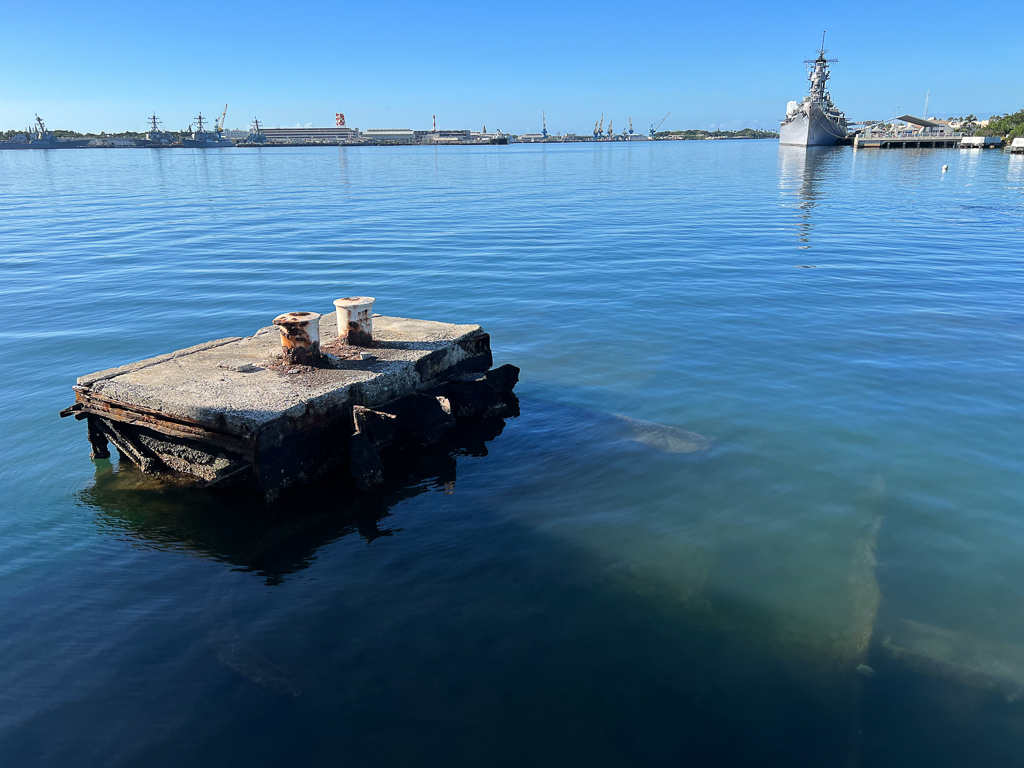
On that fateful Sunday morning, the battleship USS Arizona, moored at Ford Island in Pearl Harbor, suffered a direct hit from a Japanese bomb that ignited its forward ammunition magazine. The resulting explosion was catastrophic, ripping through the ship and causing it to sink within minutes, taking 1,177 of its crewmembers with it. For many, the ship represents the ultimate sacrifice, a floating tomb for the majority of its crew who remain entombed within its mangled steel structure. The memorial, designed by Alfred Preis, spans the wreckage without touching it, allowing visitors to respectfully observe the ship below the water’s surface. Its minimalist design, with a sag in the center and two peaks at either end, symbolizes the initial defeat and subsequent triumph of the United States in World War II. This landmark serves not only as a grave but also as a powerful educational tool, preserving the stories and lessons of courage, resilience, and the devastating cost of war for future generations.
The Silent Witness Beneath the Waves
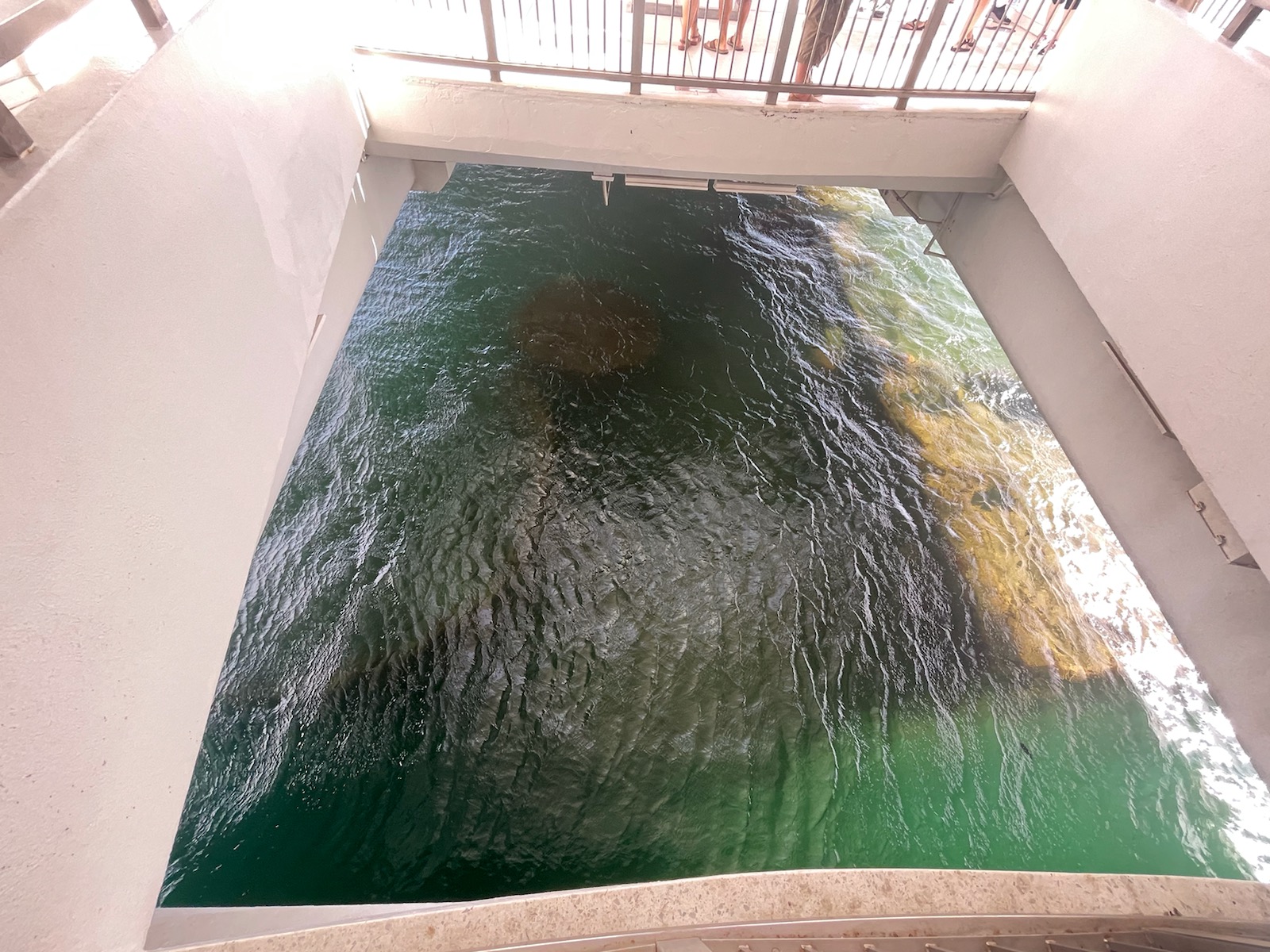
Beyond its symbolic architecture, the actual wreckage of the USS Arizona remains submerged, a silent witness to the events of over eight decades ago. Visible just beneath the tranquil waters, parts of the ship’s superstructure, including one of its barbettes, can still be seen. The ship itself, designated a National Historic Landmark in 1989, continues to degrade slowly over time, a natural process compounded by its exposure to the elements of the Pacific Ocean. Divers from the National Park Service periodically inspect the wreck, monitoring its condition and assessing the rate of deterioration. This ongoing vigilance ensures that the integrity of the site is maintained, acknowledging the Arizona’s dual role as both a historical relic and a sacred burial ground. The ship’s enduring physical presence provides a profound, almost visceral, connection to the past, reminding every visitor of the real-world consequences of conflict and the immense human toll.
Understanding the Oil Sheen: “Black Tears” of the Arizona
The most distinct and emotionally resonant feature associated with the USS Arizona Memorial is undoubtedly the continuous, albeit diminishing, leak of oil from the sunken battleship. These iridescent slicks, often described as “black tears” or “tears of the Arizona”, symbolize the enduring grief and memory of those lost in the attack. For visitors, witnessing these delicate oil droplets rise to the surface of Pearl Harbor is a deeply moving experience, adding an almost mystical quality to the landmark.
The Phenomenon of the Leaking Oil
When the USS Arizona sank, it carried over 1.5 million gallons of fuel oil. Decades later, a small but persistent amount of this oil continues to escape from its ruptured fuel tanks, rising slowly through the water column and fanning out across the surface of the bay. This phenomenon is a direct result of the ship’s catastrophic damage and its long submersion. The oil leaks are not constant in their intensity; they can vary based on factors such as changes in water temperature, currents, and even the subtle shifts within the wreck itself. For many years after the attack, significantly larger quantities of oil escaped, but over time, the flow has gradually decreased. Today, the leakage is minimal, often appearing as small, iridescent patches rather than large slicks, yet its symbolic power remains undiminished. It serves as a living, breathing connection to the moment of tragedy, a visceral link to the past that few other landmarks can offer.
Scientific Analysis and Environmental Impact
The presence of oil leaking from the USS Arizona has been a subject of ongoing scientific study and environmental concern. While the symbolic impact is profound, the practicalities of its environmental effects in Pearl Harbor are also considered. The National Park Service, in collaboration with other governmental agencies, regularly monitors the oil. Studies have confirmed that the oil is primarily residual fuel oil, and its chemical composition has been analyzed to understand its degradation over time. The environmental impact of the current minimal leakage is generally considered low, especially compared to contemporary oil spills. However, the long-term presence of hydrocarbons in the marine environment requires continuous monitoring to assess any potential effects on the delicate ecosystem of Pearl Harbor, which includes various marine species. Researchers have explored options for intervention, such as sealing the tanks, but the prevailing consensus is that any attempt to disturb the wreck could cause more damage, potentially releasing a larger amount of oil, and would desecrate the hallowed resting place of over a thousand souls. Thus, the respectful and cautious approach of observation and minimal intervention has been adopted.
Preservation Efforts and Ongoing Stewardship
Maintaining the USS Arizona Memorial as a sacred and enduring landmark requires continuous dedication and effort. The challenges range from environmental degradation of the submerged wreck to the structural integrity of the memorial itself. The commitment to preserve this significant site ensures that future generations can continue to learn from and pay tribute to its profound history.
Monitoring and Conservation Strategies
The primary responsibility for the stewardship of the USS Arizona and its memorial falls to the National Park Service (NPS), specifically through the Pearl Harbor National Memorial (formerly the World War II Valor in the Pacific National Historical Park). The NPS employs a multi-faceted approach to conservation. Underwater archaeologists and marine engineers conduct regular surveys of the wreck, meticulously documenting its condition, monitoring the rate of corrosion, and tracking the oil seepage. These detailed assessments help in understanding the natural processes affecting the ship and inform decisions regarding its long-term preservation. Non-invasive techniques are prioritized to ensure the sanctity of the site. For instance, rather than attempting to remove the oil—a complex and potentially damaging operation—the focus is on observation and analysis, allowing the “black tears” to continue their symbolic flow. Furthermore, the above-water memorial structure undergoes routine maintenance and repairs to counteract the effects of weather and visitor traffic, ensuring its safety and accessibility for all who come to reflect.
The Role of the National Park Service
The National Park Service’s role extends far beyond physical maintenance; it encompasses the interpretation and perpetuation of the USS Arizona’s story. Through educational programs, visitor centers, and interpretive exhibits, the NPS ensures that the historical context and human stories behind the landmark are vividly communicated. They manage the visitor experience, guiding millions annually through a journey of remembrance and education. The NPS also collaborates with various organizations, including the United States Navy and research institutions, to foster a collective stewardship of this invaluable landmark. This collaborative effort supports ongoing research into the wreck’s integrity, potential environmental impacts, and the most respectful and effective methods for its preservation. Their commitment guarantees that the USS Arizona Memorial remains a place of solemn reflection and profound learning, maintaining its status as a cornerstone of American history and a global symbol of peace and remembrance.
Visiting the USS Arizona Memorial: A Pilgrimage to History
For many, a visit to the USS Arizona Memorial is more than just sightseeing; it’s a pilgrimage. It offers a unique opportunity to connect directly with a pivotal moment in history and to pay respects to the fallen. Located in Honolulu, on the island of Oahu, it is one of the most visited landmarks in the United States and a cornerstone of the broader Pearl Harbor National Memorial complex.
The Experience of Reflection and Remembrance
The journey to the memorial typically begins at the visitor center, where exhibits and a documentary film provide essential historical context for the attack on Pearl Harbor. This preparation is crucial, as it sets a reverent tone for what is to come. Visitors then take a short boat ride across the tranquil waters of the harbor to the memorial structure, which floats above the sunken USS Arizona. Stepping onto the memorial, the atmosphere immediately shifts to one of solemn contemplation. The names of the 1,177 crew members who died are inscribed on a wall, a stark reminder of the individual lives lost. It is here, too, that visitors often witness the oil droplets surfacing—the “black tears”—a powerful visual metaphor for enduring grief. The silence, often broken only by soft whispers or the gentle lapping of water, encourages profound personal reflection on the courage, sacrifice, and tragic events of that day. This experience is designed to be immersive, fostering a deep emotional connection to the landmark and its history.
What Visitors Can Expect Today
Access to the USS Arizona Memorial is free, but timed tickets are often required, especially during peak seasons, due to its immense popularity. These tickets can be reserved online well in advance through the National Park Service website. The entire visit, including the film and boat ride, typically takes about 75 minutes. Alongside the Arizona experience, the Pearl Harbor National Memorial complex offers several other significant sites, including the USS Bowfin Submarine Museum and Park, the Battleship Missouri Memorial, and the Pearl Harbor Aviation Museum. While these other attractions offer valuable insights into different facets of World War II history, the USS Arizona Memorial remains the poignant centerpiece, drawing visitors from around the world who seek to honor the past and remember the profound sacrifices made. The ability to witness the ongoing oil leak subtly enhances the authenticity and emotional weight of the experience, ensuring that this landmark continues to profoundly impact all who visit.
The Future of the USS Arizona: A Perpetual Remembrance
The question of whether the USS Arizona is still leaking oil leads to a broader contemplation of its future as a sacred landmark. While the oil flow has significantly diminished, its presence, coupled with the slow decay of the ship, ensures that the memorial remains a living testament to history. The goal of its custodians is to ensure that the USS Arizona Memorial continues to fulfill its critical role as a site of remembrance, education, and reconciliation for generations to come.
Ensuring the Legacy for Generations to Come
The National Park Service and its partners are committed to preserving the USS Arizona as much as possible in its current state, recognizing its unparalleled historical and emotional value. This involves ongoing scientific research to understand the wreck’s long-term stability and environmental interactions. New technologies and conservation methods are constantly being evaluated, though with extreme caution, to avoid any disturbance to the sacred site. Educational outreach remains a cornerstone of this effort, utilizing digital platforms and innovative interpretive programs to reach a global audience, ensuring that the stories of Pearl Harbor and the sacrifices made are never forgotten. The enduring imagery of the “black tears” serves as a powerful narrative device, connecting the past to the present in a way that transcends mere historical fact. This dedication ensures that the USS Arizona Memorial will continue to be a profound landmark, impacting those who visit and those who learn about its story from afar.
The Enduring Message of Peace and Resilience
Ultimately, the USS Arizona Memorial offers more than just a glimpse into a historical tragedy; it conveys an enduring message of peace, resilience, and the enduring human spirit. The decision to leave the ship largely undisturbed, allowing its slow decay and the symbolic oil leaks to continue, reinforces its status not just as a monument, but as a living grave. The “black tears” serve as a constant, gentle reminder of the immense cost of conflict and the imperative for peace. As long as these drops of oil rise to the surface of Pearl Harbor, the USS Arizona will continue to speak, a silent, powerful voice from the deep. This landmark stands as a powerful testament to the bravery of those who served, the pain of war, and the hope for a future free from such conflicts, cementing its place as one of the most moving and significant historical sites in the United States and the world.
LifeOutOfTheBox is a participant in the Amazon Services LLC Associates Program, an affiliate advertising program designed to provide a means for sites to earn advertising fees by advertising and linking to Amazon.com. Amazon, the Amazon logo, AmazonSupply, and the AmazonSupply logo are trademarks of Amazon.com, Inc. or its affiliates. As an Amazon Associate we earn affiliate commissions from qualifying purchases.