
Chicago, the “Windy City,” is a metropolis renowned for its stunning architecture, vibrant arts scene, and rich history. Yet, for many, the city’s true heart beats in its kitchens, diners, and Michelin-starred restaurants. To ask “What food is Chicago best known for?” is to open a culinary Pandora’s Box, revealing a diverse and deeply flavorful identity that extends far beyond the often-stereotyped deep-dish pizza. While its iconic staples have cemented its place on the global food map, Chicago’s food scene is a dynamic tapestry woven with threads of immigrant heritage, innovative fine dining, and unapologetically delicious comfort food. This article delves into the quintessential flavors that define Chicago’s gastronomic landscape, inviting visitors and locals alike to savor its unique culinary spirit. From greasy spoon legends to world-class eateries, Chicago’s food culture is an experience in itself, offering a taste of the city’s history, diversity, and ceaseless innovation. It is a city that embraces both tradition and modernity, ensuring that its food scene remains as vibrant and engaging as its skyline.
The Iconic Pillars: Deep Dish and Hot Dogs
Any discussion about Chicago’s culinary identity invariably begins with two titans: the deep-dish pizza and the Chicago-style hot dog. These aren’t just meals; they are institutions, culinary symbols deeply ingrained in the city’s very fabric, representing a distinctive and proud local tradition.
The Unmistakable Deep Dish Pizza
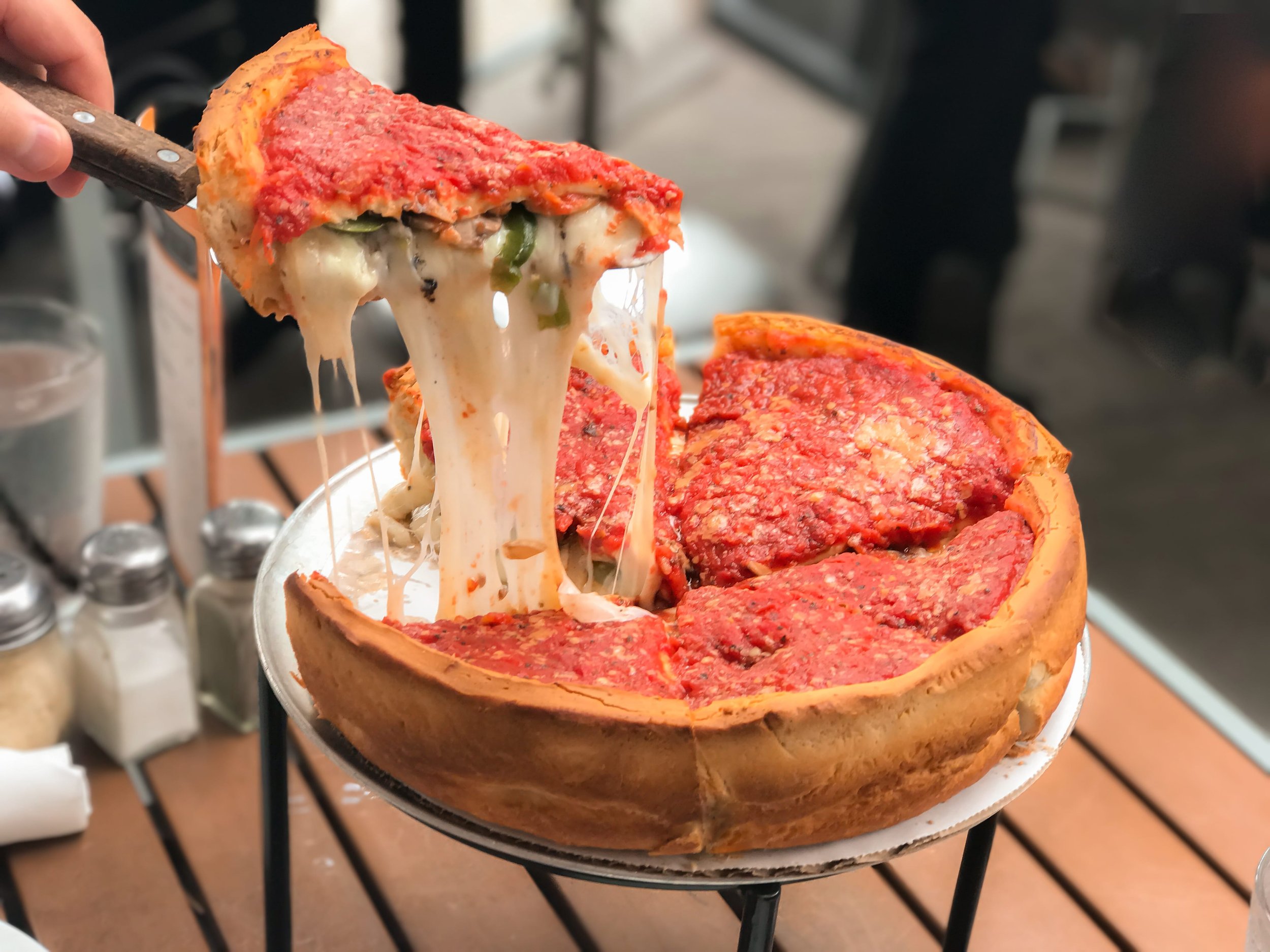
Chicago’s deep-dish pizza is not merely a pizza; it’s a casserole, a monumental undertaking of dough, cheese, and sauce that defies conventional pizza norms. Invented in the 1940s, this dish is characterized by its tall, flaky crust that forms a bowl, filled first with a generous layer of mozzarella cheese, followed by various toppings (often sausage, pepperoni, or vegetables), and finally crowned with a rich, chunky tomato sauce. The inverse layering ensures the cheese doesn’t burn during the long baking process, creating a gooey, bubbling masterpiece that requires a knife and fork, and often, a hefty appetite. Eating a deep-dish pizza is an experience, a slow savoring of flavors and textures, often shared among friends or family, embodying the city’s hearty and unpretentious spirit.
Several establishments vie for the title of “best” deep dish, each with its loyal following and unique spin on the classic. Lou Malnati’s is famous for its buttercrust and robust sausage patty, offering a slightly richer, more indulgent take. Giordano’s is renowned for its stuffed deep dish, featuring an additional thin layer of crust over the toppings before the sauce is added, creating an even more substantial pie. Meanwhile, Pequod’s Pizza stands out with its caramelized crust, where cheese melts and crisps around the edges, delivering a unique texture and flavor profile that has garnered a cult following. These pizzerias are not just restaurants; they are essential pilgrimage sites for anyone seeking to understand the true taste of Chicago. The commitment to quality ingredients, the meticulous layering, and the slow, deliberate baking process all contribute to a dish that is much more than the sum of its parts, a testament to Chicago’s enduring love affair with its iconic pizza.
The All-American Chicago-Style Hot Dog
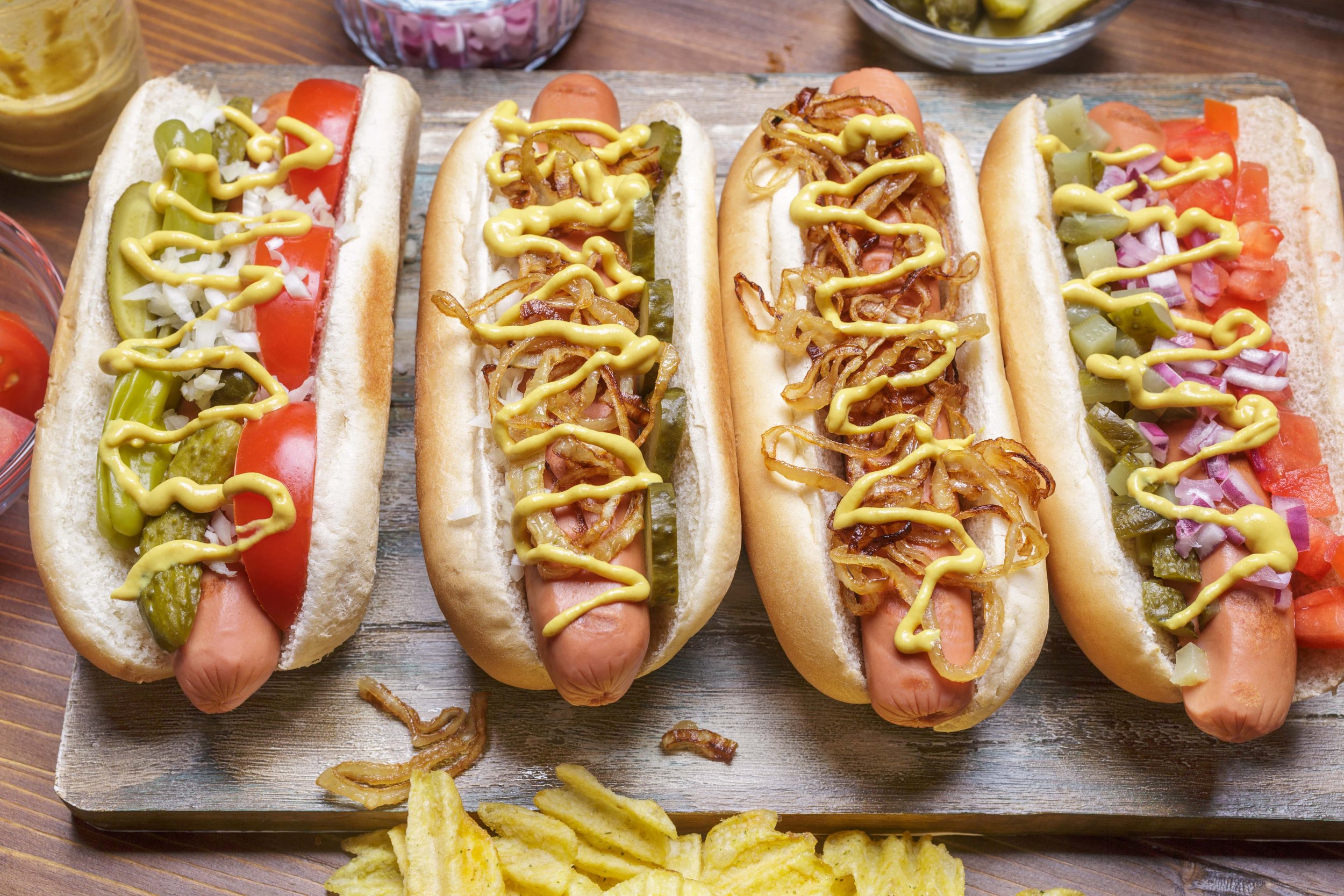
Equally revered, and perhaps even more ubiquitous for a quick bite, is the Chicago-style hot dog. This is not just any hot dog; it’s a meticulously constructed edible art piece, a vibrant symphony of flavors and textures. Served on a poppy seed bun, the all-beef frankfurter is “dragged through the garden” with a specific set of seven toppings: yellow mustard, chopped white onions, bright green sweet pickle relish (often neon green), a dill pickle spear, tomato slices or wedges, pickled sport peppers, and a dash of celery salt. The cardinal rule for any true Chicagoan is unequivocal: “no ketchup.” Ketchup is considered an affront to the delicate balance of flavors, a sugary intrusion that masks the natural taste of the frank and its fresh accompaniments.
The Chicago-style hot dog embodies the city’s practical and no-nonsense approach to food, yet it also celebrates a surprisingly intricate combination of ingredients. Each topping contributes to a harmonious blend of sweet, sour, spicy, and savory, with a satisfying crunch from the pickle and onions. Institutions like Portillo’s have become synonymous with this culinary masterpiece, serving millions of hot dogs annually from bustling locations across the city and beyond. While Hot Doug’s, once a beloved destination for its gourmet and exotic hot dog creations, may have closed its physical doors, its legacy continues to influence the hot dog scene, reminding everyone that even a simple hot dog can be a canvas for culinary creativity. The Chicago hot dog is more than just fast food; it is a cultural touchstone, a perfect portable meal that captures the city’s vibrant street food essence and its steadfast refusal to compromise on flavor or tradition.
Beyond the Basics: Sandwiches, Steaks, and Sweets
While deep dish and hot dogs might be the most recognizable, Chicago’s culinary landscape offers a wealth of other distinct flavors that have garnered their own passionate followings, from hearty sandwiches to exquisite steakhouses and iconic sweet treats.
The Irresistible Italian Beef Sandwich
Another quintessential Chicago creation is the Italian beef sandwich, a messy, savory delight born from the city’s Italian immigrant communities. This sandwich features thinly sliced, seasoned roast beef, slow-roasted and steeped in its own rich, herbaceous au jus. The succulent beef is piled high on a long, crusty Italian roll, which is then often dipped (or “baptized”) into the flavorful au jus, making the bread wonderfully soft and infused with savory goodness. Patrons can choose to have it “dry” (with minimal jus), “wet” (dipped entirely), or “dipped” (a quick dunk). The sandwich is typically finished with either sweet peppers (cooked green bell peppers) or, for those who crave a fiery kick, spicy giardiniera – a mix of pickled vegetables in oil.
Eating an Italian beef sandwich is an exercise in joyous messiness, requiring multiple napkins and a willingness to embrace the experience. It’s a testament to simple ingredients executed perfectly, offering a profound depth of flavor that is both comforting and exhilarating. Legendary spots like Al’s Beef, established in 1938, and Johnnie’s Beef, a cash-only institution known for its bustling counter service, have perfected the art of the Italian beef. These eateries are more than just sandwich shops; they are cultural landmarks where generations have savored this iconic dish, solidifying its place as a must-try for anyone exploring Chicago’s culinary heritage. The Italian beef sandwich encapsulates the city’s working-class roots and its enduring love for robust, satisfying food that tells a story of immigration, adaptation, and culinary excellence.
Steakhouse Capital
Chicago’s legacy as a meatpacking hub in the 19th and early 20th centuries profoundly shaped its dining scene, establishing it as one of the premier steakhouse cities in the world. Even after the stockyards closed, the city’s reputation for exceptional prime cuts and sophisticated steakhouse dining endured. Chicago steakhouses are characterized by their opulent ambiance, impeccable service, and, most importantly, perfectly cooked, high-quality beef. Whether it’s a juicy ribeye, a tender filet mignon, or a massive porterhouse, these establishments take their meat seriously, often dry-aging their cuts in-house to achieve maximum flavor and tenderness.
Dining at a Chicago steakhouse is often an occasion, a luxurious experience complete with classic sides like creamed spinach, colossal onion rings, and crispy au gratin potatoes. Iconic establishments such as Gibsons Bar & Steakhouse, a long-standing fixture known for its bustling atmosphere and generous portions, embody the traditional Chicago steakhouse experience. More contemporary options, like RPM Steak, offer a modern take on the classic, combining a sleek design with an innovative menu, attracting a diverse clientele. These steakhouses are not just places to eat; they are social hubs where business deals are struck, celebrations are held, and the simple pleasure of a perfectly seared piece of meat is elevated to an art form. The steakhouse tradition remains a proud and enduring part of Chicago’s culinary identity, reflecting its historical roots and its ongoing commitment to delivering a world-class dining experience.
Sweet Endings: Popcorn and Chocolate

For those with a sweet tooth, Chicago offers distinct indulgences that are woven into the city’s fabric. The most famous is arguably Garrett Popcorn Shops, a popcorn empire founded in 1949 that has since become a global phenomenon. Their signature creation, the “Garrett Mix,” is a glorious blend of their savory CheeseCorn and sweet CaramelCrisp, offering an addictive sweet-and-salty combination that is impossible to resist. The aroma of freshly popped corn wafts from their numerous locations, drawing in crowds eager for a taste of this iconic snack. A tin of Garrett popcorn is a coveted souvenir and a beloved local treat, representing a simple yet incredibly satisfying part of Chicago’s snack culture.
Beyond popcorn, Chicago also boasts a rich history with chocolate and confectioneries. The city was once home to major players like Mars (makers of M&Ms and Snickers) and Tootsie Roll, underscoring its historical importance in the sweet treat industry. While many of the large factories have moved, artisan chocolatiers and confectioners continue to thrive, offering exquisite handmade chocolates, truffles, and other sweet delights. From old-fashioned candy stores to modern dessert boutiques, the city provides ample opportunities to indulge in high-quality sweets. These sugary delights, from the ubiquitous popcorn to gourmet chocolates, offer a delightful contrast to the savory heavy hitters, ensuring that every palate finds its pleasure in Chicago’s diverse culinary offerings. They are a testament to the city’s ability to turn everyday treats into beloved local institutions, showcasing its playful and indulgent side.
Exploring Chicago’s Diverse Culinary Landscape
While the iconic dishes capture Chicago’s essence, the city’s true culinary breadth extends far beyond its famous staples. It is a melting pot of cultures, reflected vividly in its expansive array of international cuisines and its burgeoning fine dining scene, alongside a robust craft beverage movement.
Global Flavors and Michelin Stars
Chicago’s history as a welcoming hub for immigrants has resulted in a remarkably diverse and authentic culinary landscape. Exploring its neighborhoods is like embarking on a world tour, one dish at a time. Pilsen, for instance, is a vibrant Mexican enclave, bursting with authentic taquerias, panaderias, and colorful murals. Here, one can savor everything from traditional mole to inventive street tacos, reflecting the rich culinary traditions of Mexico. Similarly, Argyle Street in Uptown is famously known as “New Chinatown” or “Little Vietnam,” offering a tantalizing array of pho, bánh mì, and other Southeast Asian delicacies. Devon Avenue in West Rogers Park transports visitors to the Indian subcontinent, with its aromatic spice shops, bustling restaurants serving biryani and curries, and sari boutiques. These enclaves provide not just food, but a profound cultural immersion, demonstrating the city’s incredible diversity and its residents’ commitment to preserving and sharing their culinary heritage.
In stark contrast, but equally indicative of Chicago’s culinary prowess, is its thriving fine dining scene, which boasts an impressive collection of Michelin-starred restaurants. The city has cemented its status as a global gastronomic capital, pushing the boundaries of contemporary cuisine. Alinea, led by Chef Grant Achatz, is a prime example, renowned for its avant-garde approach to molecular gastronomy and immersive dining experiences that challenge conventional notions of food. Smyth offers a sophisticated, farm-to-table tasting menu inspired by the chefs’ Midwestern roots. Newer establishments like Ever continue to elevate the city’s profile with innovative multi-course menus that blend artistic presentation with extraordinary flavors. These restaurants attract gourmands from around the world, showcasing Chicago’s capacity for culinary artistry and its relentless pursuit of gastronomic excellence. From humble street food to exquisite tasting menus, the city’s diverse offerings ensure that every diner can find an experience to cherish.
The Booming Craft Beer and Cocktail Scene
Beyond its impressive food offerings, Chicago has also cultivated a dynamic and internationally recognized craft beer and cocktail scene. The city is a mecca for beer enthusiasts, home to numerous microbreweries, brewpubs, and taprooms producing a vast array of innovative and high-quality brews. From robust stouts and hoppy IPAs to refreshing sours and experimental lagers, Chicago’s brewers continually push the boundaries of flavor and technique. Neighborhoods like Logan Square, Ravenswood, and Fulton Market are particularly dense with breweries, offering guided tours and lively tasting rooms where visitors can sample local creations and learn about the brewing process. This thriving industry reflects a wider trend of local craftsmanship and a desire for unique, artisanal products.
Complementing the beer scene is Chicago’s sophisticated cocktail culture. The city’s bars are known for their expertly crafted drinks, ranging from classic concoctions to avant-garde libations. Speakeasies tucked away behind unassuming doors, glamorous hotel bars, and innovative cocktail lounges all contribute to a vibrant nightlife where mixology is taken seriously. Bartenders often draw inspiration from local ingredients and historical themes, creating drinks that are both delicious and tell a story. This dedication to quality and creativity in both brewing and mixology further solidifies Chicago’s reputation as a premier destination for discerning palates, offering the perfect beverage to complement its diverse culinary offerings.
The Heart of Chicago’s Food Culture
Chicago’s food scene is not just about what you eat, but also where and how you experience it. Its vibrant markets and renowned festivals offer communal celebrations of food, while its countless neighborhood eateries provide authentic glimpses into the city’s soul.
Farmers Markets and Food Festivals
The pulse of Chicago’s food culture beats strongly in its numerous farmers markets, which dot the city during warmer months. These markets are vital hubs for local farmers, artisans, and chefs, offering fresh, seasonal produce, artisanal cheeses, baked goods, and prepared foods. They foster a strong sense of community, connecting residents directly with the source of their food and promoting sustainable practices. Popular markets like the Green City Market in Lincoln Park are not just places to shop, but vibrant social gatherings where chefs seek out prime ingredients and families enjoy the freshest offerings. These markets highlight the city’s commitment to quality ingredients and its connection to the rich agricultural bounty of the Midwest.
Beyond the markets, Chicago is famous for its large-scale food festivals, which transform entire neighborhoods into sprawling culinary playgrounds. The most iconic of these is the Taste of Chicago, an annual event that draws millions of visitors to Grant Park to sample bites from hundreds of Chicago restaurants, ranging from classic comfort food to innovative gourmet dishes. While its format has evolved over the years, the Taste of Chicago remains a quintessential celebration of the city’s diverse culinary landscape, showcasing its breadth and accessibility. These festivals are not just about eating; they are about experiencing the collective joy of food, music, and community, embodying the celebratory spirit of Chicago’s food scene.
Neighborhood Eateries and Hidden Gems
While the marquee attractions and fine dining establishments capture headlines, the true soul of Chicago’s food culture often lies in its myriad neighborhood eateries and hidden gems. These are the unpretentious diners, family-run restaurants, and hole-in-the-wall joints that serve up authentic flavors far from the tourist crowds. From the classic greasy spoon breakfast spots to the cozy BYOB (bring your own bottle) Italian trattorias and the vibrant ethnic restaurants tucked away on residential streets, these establishments offer genuine local experiences and often represent the best value. They are where locals gather, stories are shared, and culinary traditions are passed down through generations.
The diverse communities across Chicago are the engine of this rich tapestry. Each neighborhood contributes its unique flavors and culinary styles, from the Polish delis of Jefferson Park to the Greek diners of Greektown, and the burgeoning food scene in West Loop. Discovering these hidden gems requires a willingness to explore beyond downtown and embrace the local rhythms. It’s in these places that visitors can truly experience the warmth, authenticity, and incredible variety that define Chicago’s food identity. These small, often unassuming establishments are the backbone of the city’s culinary reputation, proving that exceptional food is not exclusive to high-end dining, but is deeply embedded in the everyday lives and diverse cultures of its residents.
Conclusion
Chicago’s culinary scene is a vibrant, multifaceted reflection of its history, its people, and its enduring spirit. While the deep-dish pizza and Chicago-style hot dog have rightly earned their legendary status, they are but the entry points to a far richer and more diverse gastronomic landscape. From the savory indulgence of an Italian beef sandwich to the sophisticated artistry of its Michelin-starred restaurants, and the comforting familiarity of its iconic popcorn, Chicago offers a culinary journey unlike any other. It is a city that respects its traditions while constantly innovating, embracing global influences, and celebrating local flavors. To truly understand Chicago is to taste it – to delve into its iconic dishes, explore its vibrant ethnic enclaves, savor its fine dining, and discover the hidden gems that give its neighborhoods their unique character. So, come to Chicago with an open mind and an empty stomach, and prepare to embark on an unforgettable adventure through one of America’s most dynamic food cities.
LifeOutOfTheBox is a participant in the Amazon Services LLC Associates Program, an affiliate advertising program designed to provide a means for sites to earn advertising fees by advertising and linking to Amazon.com. Amazon, the Amazon logo, AmazonSupply, and the AmazonSupply logo are trademarks of Amazon.com, Inc. or its affiliates. As an Amazon Associate we earn affiliate commissions from qualifying purchases.