
The vast and diverse landscapes of Texas are renowned for their sprawling ranches, vibrant cities, and unique cultural tapestry. When one thinks of the Lone Star State, images of Austin‘s live music scene, the historical significance of San Antonio, or the rugged beauty of the Big Bend National Park often come to mind. The concept of volcanic activity, however, might not immediately spring to the forefront of a traveler’s itinerary for Texas. Yet, the question itself, “Are there volcanoes in Texas?”, sparks curiosity and hints at geological wonders that lie beneath the surface, waiting to be explored by those with a spirit for adventure and a thirst for knowledge.

While Texas doesn’t boast the dramatic, active stratovolcanoes that define the skylines of places like Hawaii or the Pacific Northwest, its geological history is far more complex and fascinating than a simple “no” would suggest. The state’s subterranean architecture tells a story of ancient eruptions, volcanic remnants, and the powerful forces that shaped its landmass over millions of years. For the intrepid traveler interested in nature and geology, uncovering these hidden volcanic legacies can be an incredibly rewarding experience, blending educational exploration with the thrill of discovering the unexpected.
The allure of Texas for many travelers lies in its sheer scale and variety. From the piney woods of East Texas to the desert landscapes of West Texas, the state offers a spectrum of experiences. This geographical diversity is a direct result of its dynamic geological past, a past that includes significant volcanic episodes. Understanding these events helps us appreciate the very ground we walk on, transforming a simple road trip into an immersive journey through geological time. For those planning a trip, whether for leisure, family adventures, or even business stays, incorporating a glimpse into Texas‘s volcanic heritage can add an extraordinary dimension to their exploration.
The Subterranean Symphony: Texas’s Volcanic Past
The earth beneath Texas has a long and active history, and this includes periods of intense volcanic activity. While the fiery spectacle of a modern eruption is absent, the evidence of past volcanic events is undeniably present, often hidden from plain sight or preserved in fascinating geological formations. These ancient volcanic episodes have left an indelible mark on the Texas landscape, influencing everything from the types of rocks found in certain regions to the very topography that defines them.
The most significant volcanic activity in Texas occurred during prehistoric eras, long before human settlement. These events were not necessarily singular occurrences but rather complex periods of geological upheaval. During these times, molten rock, or magma, surged from deep within the Earth’s mantle, erupting onto the surface as lava, ash, and volcanic gases. The scale and type of these eruptions varied, leading to the formation of different geological features that we can still observe or infer today.
One of the most compelling examples of Texas’s volcanic past can be found in the Davis Mountains. While often appreciated for their scenic beauty and as a destination for stargazing due to the McDonald Observatory, these mountains are themselves remnants of ancient volcanic activity. The dramatic peaks and mesas are the solidified remains of lava flows and volcanic debris from eruptions that occurred millions of years ago. These geological formations provide a tangible link to the fiery events that sculpted this part of West Texas. Exploring areas like the Davis Mountains State Park offers a chance to witness firsthand the resilience of nature and the enduring power of geological processes.
Echoes of Ancient Eruptions: Lava Flows and Volcanic Necks
The story of Texas’s volcanic past is written in its rocks. Ancient lava flows have cooled and solidified over millennia, forming distinctive geological structures. In some areas, the relentless erosion of the surrounding softer rock has exposed these hardened lava flows, creating dramatic mesas and cliffs that stand as silent testaments to the fiery origins of the land.
A prime example of this phenomenon can be observed in areas like Caprock Canyons State Park & Trailway, though not directly volcanic, the geological formations in Texas often showcase the layers of time. More directly related to ancient volcanism are features like volcanic necks or plugs. These are formed when magma solidifies within the vent of a volcano. Over time, as the outer cone of the volcano erodes away, the more resistant solidified magma plug remains, standing as a stark, often isolated, tower-like feature. While not as dramatic as some of the world’s famous volcanic plugs, the geological processes that create them were active in Texas‘s distant past.
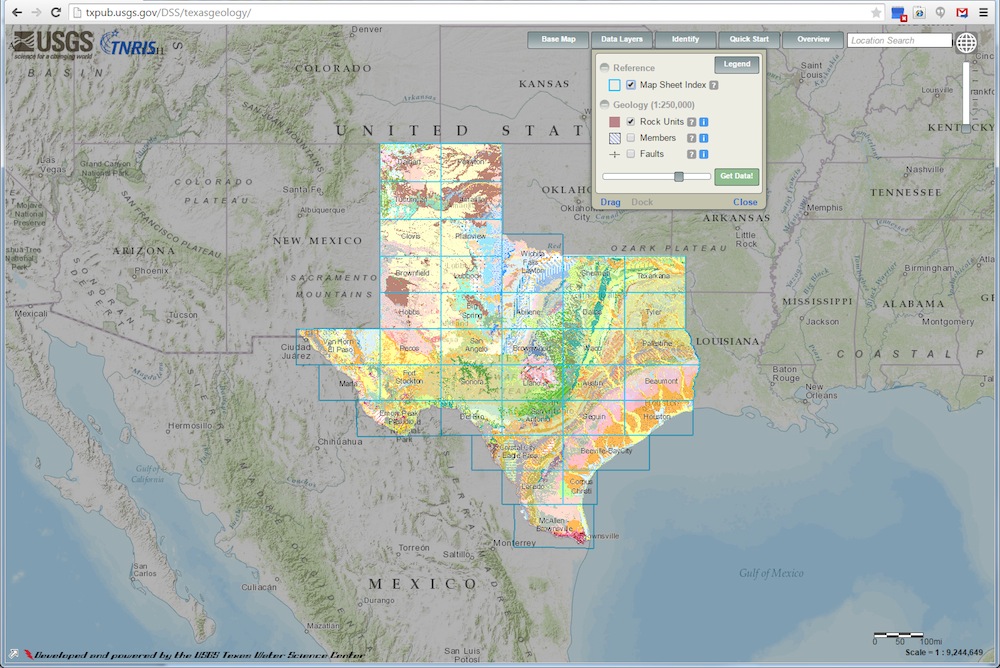
The geological makeup of the Fort Stockton area, for instance, reveals layers of volcanic ash and sedimentary rocks that were formed in the presence of volcanic activity. This ash, once spewed high into the atmosphere, settled over vast areas, eventually becoming incorporated into the rock layers. Studying these layers allows geologists to reconstruct the timeline and intensity of past volcanic events, providing invaluable insights into the Earth’s dynamic history. For travelers interested in nature and history, understanding these geological narratives adds a profound layer to their travel experiences.
Beyond the Lava: Other Manifestations of Volcanic Influence
The impact of volcanic activity in Texas extends beyond visible lava flows and volcanic plugs. The very composition of the soil in certain regions can be influenced by volcanic ash, contributing to unique ecosystems and agricultural potential. Furthermore, the heat generated by subsurface volcanic processes can lead to geothermal phenomena, even if not in the form of geysers or hot springs as commonly associated with more volcanically active regions like Yellowstone.
Geothermal Gradients and Subsurface Heat
While Texas is not known for widespread geothermal hot springs like those found in Iceland or New Zealand, the underlying geological conditions in some parts of the state do exhibit higher geothermal gradients. This means that the temperature increases more rapidly with depth than in other areas. This subsurface heat is a lingering legacy of past volcanic and tectonic activity that has altered the Earth’s crust.
In some instances, this elevated geothermal energy can be harnessed for practical purposes, such as geothermal power generation or heating and cooling systems. While these applications might not be headline tourist attractions, they represent a modern-day utilization of Texas’s ancient volcanic endowment. This connection between deep geological forces and contemporary human endeavors is a fascinating aspect of lifestyle and innovation that can be explored by those interested in sustainable travel and lifestyle choices.
The presence of underground heat also influences the composition of groundwater in certain areas, leading to mineral-rich springs. While these might not be boiling, their unique mineral content is often a direct result of interaction with heated rocks and dissolved volcanic minerals deep within the earth. Understanding these subtle but significant influences adds another layer to the appreciation of Texas’s natural heritage.
Planning Your Texas Adventure: Embracing the Unexpected
For travelers seeking unique experiences and a deeper connection with the destinations they visit, Texas offers a compelling blend of well-known attractions and hidden geological wonders. The absence of active, dramatic volcanoes does not diminish the significance of its volcanic past. Instead, it invites a more nuanced exploration, a journey into the subtle but powerful forces that have shaped the Lone Star State.
When planning a trip to Texas, whether you’re looking for luxury resorts, budget-friendly accommodation, or family-friendly activities, consider incorporating destinations that highlight its geological history. For instance, a trip to West Texas that includes the Davis Mountains can be enhanced by researching the volcanic origins of the landscape. Likewise, understanding the geological context of regions like Fort Stockton can bring a new appreciation to its natural formations.
The tourism industry in Texas is rich with opportunities to engage with its natural landmarks. From guided nature walks in state parks that explain the geological evolution of the area to dedicated geological tours, there are ways to delve into the state’s volcanic narrative. For those interested in history, learning about how the geological formations influenced early settlement and resource utilization adds another dimension.
Ultimately, the question “Are there volcanoes in Texas?” leads to a far richer answer than a simple yes or no. It opens the door to understanding a deep geological past, the enduring power of nature, and the subtle ways in which ancient volcanic activity continues to shape the Texas landscape today. It’s a reminder that even in seemingly familiar places, there are always layers of history and geological wonder waiting to be discovered, making every journey an opportunity for enrichment and exploration. Whether you’re seeking adventure in the great outdoors, cultural immersion in its cities, or simply a comfortable stay in its diverse hotels, Texas offers a landscape sculpted by time and the fiery heart of the Earth.
LifeOutOfTheBox is a participant in the Amazon Services LLC Associates Program, an affiliate advertising program designed to provide a means for sites to earn advertising fees by advertising and linking to Amazon.com. Amazon, the Amazon logo, AmazonSupply, and the AmazonSupply logo are trademarks of Amazon.com, Inc. or its affiliates. As an Amazon Associate we earn affiliate commissions from qualifying purchases.