
California, the Golden State, conjures images of sun-drenched beaches, towering redwoods, innovative tech hubs, and a vibrant tapestry of culture and luxury. From the iconic vistas of the Golden Gate Bridge to the star-studded streets of Hollywood, California consistently ranks as a top destination for travelers worldwide. Millions flock to its shores to experience its diverse landscapes, world-class attractions like Disneyland Park and Universal Studios Hollywood, and its unparalleled lifestyle. Amidst this allure, a growing question often surfaces for both residents and visitors alike: is online gambling legal in California?
For those accustomed to the convenience of digital entertainment, or perhaps hailing from states like New Jersey or Pennsylvania where online casinos and sportsbooks are regulated, the legal landscape in California can appear surprisingly complex. While California embraces many modern trends, the realm of online gambling remains a contentious and, for the most part, unregulated territory within its borders. This article delves into the current legal status, the forces shaping its future, and what it means for anyone looking to enjoy the vast offerings of the Golden State, from its luxurious Beverly Hills hotels to its breathtaking national parks like Yosemite National Park.
Understanding California’s Stance on Online Gambling
California’s approach to gambling is a nuanced blend of tradition and a cautious reluctance to fully embrace the digital age for certain activities. While the state permits specific forms of gambling, primarily in brick-and-mortar establishments, the online sphere operates under a different set of rules – or rather, a distinct lack of comprehensive, permissive legislation.
The Current Legal Landscape
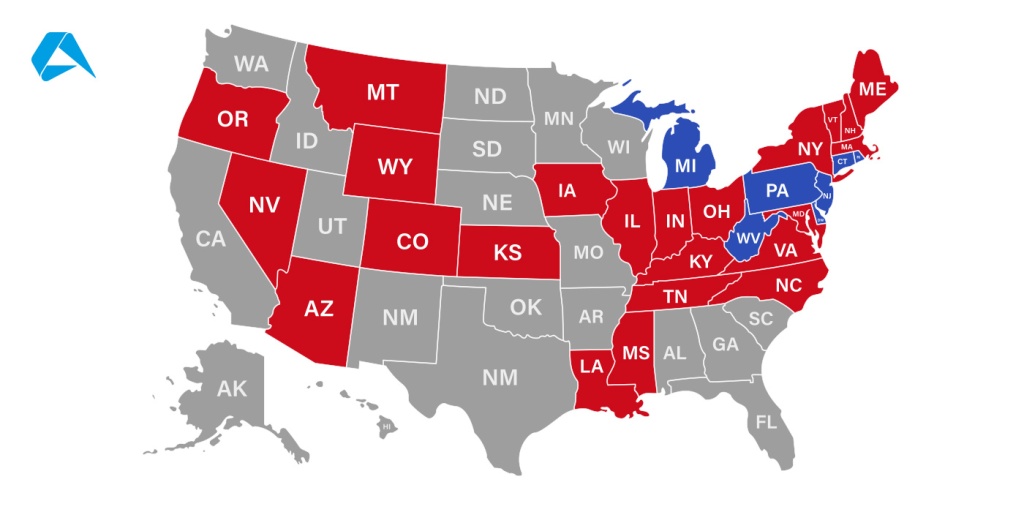
As it stands, most forms of online gambling, including online casinos, sports betting, and poker rooms, are not explicitly legal or regulated within California’s state lines. This means that operating an online casino or sportsbook from within California is prohibited, and residents engaging with offshore, unregulated sites do so at their own risk, with no legal recourse or consumer protections offered by the state.
However, the picture isn’t entirely black and white. Daily Fantasy Sports (DFS) platforms, such as DraftKings and FanDuel, operate in a legal grey area. While not explicitly legalized, they have not been declared illegal either, leading to their widespread availability. The rationale often stems from the argument that DFS is a game of skill rather than pure chance, thus falling outside traditional anti-gambling statutes. Yet, this distinction remains a subject of ongoing debate and potential future legislation.
Traditional, land-based gambling has a strong foothold. California is home to a robust network of tribal casinos, operated by federally recognized Native American tribes under the Indian Gaming Regulatory Act (IGRA). These establishments, often grand resorts like Pechanga Resort Casino in Temecula or Graton Resort & Casino in Rohnert Park, offer a full spectrum of casino games, from slot machines and blackjack to poker. Additionally, licensed card rooms, such as The Commerce Casino near Los Angeles, provide poker and other card games where players wager against each other rather than the house. Horse racing, with iconic tracks like Santa Anita Park in Arcadia, also holds a long-standing legal status, allowing for pari-mutuel wagering both on-site and through authorized advance-deposit wagering (ADW) platforms, which represent the closest California gets to regulated online betting.
The Push for Regulation
The legal vacuum surrounding online gambling isn’t due to a lack of interest, but rather a complex interplay of powerful stakeholders and legislative hurdles. For years, various propositions and bills aiming to legalize and regulate online sports betting and poker have been introduced, only to face significant opposition.
The primary adversaries in this legislative battle are often the tribal casinos, who fear that widespread online gambling could cannibalize their existing brick-and-mortar business, which generates substantial revenue for tribal communities and local economies. Their argument often centers on preserving the unique economic sovereignty granted to them through gaming compacts. On the other side are card rooms, horse racing tracks, and commercial gaming operators, all vying for a piece of what promises to be an incredibly lucrative market in the most populous state in the United States.
The sheer economic potential is undeniable. Estimates suggest that legalizing online sports betting and casinos in California could generate billions in tax revenue annually, which could then be funneled into vital public services, infrastructure projects, and education. This significant fiscal incentive keeps the debate alive, with new legislative efforts continually emerging, each attempting to balance the interests of the various stakeholders.
What’s Legal and What’s Not?
For a quick summary, particularly useful for visitors planning their itinerary in cities like San Francisco or San Diego:
- Online Casino Games (slots, blackjack, roulette): Generally illegal and unregulated.
- Online Sports Betting: Generally illegal and unregulated.
- Online Poker: Generally illegal and unregulated.
- Daily Fantasy Sports (DFS): Operates in a legal grey area; widely available.
- Online Horse Racing Betting (via ADW): Legal and regulated.
- Brick-and-Mortar Tribal Casinos: Fully legal and regulated, offering a wide array of games.
- Licensed Card Rooms: Fully legal and regulated, primarily offering poker and player-vs-player card games.
This patchwork of regulations means that while you can’t typically pull out your phone at a luxurious hotel like the Waldorf Astoria Beverly Hills and place a legal wager on an NFL game, you can easily drive to a nearby tribal casino for a full gaming experience.
Online Gambling and the California Traveler
For travelers exploring the diverse attractions of California, understanding the state’s online gambling laws is crucial for a smooth and enjoyable trip. The lifestyle in California often revolves around outdoor activities, culinary experiences, and vibrant cultural events rather than indoor digital pursuits. However, for those who enjoy a bit of leisure gambling, the options are different from what they might encounter in destinations like Las Vegas, Nevada.
Implications for Tourists and Visitors
A significant implication for tourists is that attempting to access and wager on offshore gambling sites while physically present in California carries inherent risks. These sites operate outside United States jurisdiction, meaning there are no legal protections for players regarding fairness, payout disputes, or responsible gaming practices. While individuals are rarely prosecuted for simply placing a bet, the lack of consumer safeguards makes such activities inadvisable.
Instead, visitors interested in gambling should plan to visit the state’s numerous land-based options. Many tribal casinos are not just gaming establishments; they are comprehensive resorts offering luxurious accommodations, fine dining, entertainment venues, and spas, making them destinations in themselves. Imagine combining a stay at a resort near Palm Springs with a visit to a desert casino, or extending a trip to Lake Tahoe to include its own set of vibrant gaming resorts straddling the California- Nevada border. This offers a tangible, social gaming experience that often enhances a travel itinerary.
For those passing through Orange County or staying in Los Angeles, a short drive can take them to these bustling gaming floors, offering a different kind of California experience that blends entertainment with hospitality.

The Role of Hotels and Resorts
California’s hospitality sector is renowned for its excellence, from boutique hotels in Santa Barbara to grand resorts in Napa Valley. Unlike in states where online gambling is legal, hotels in California cannot offer in-room online casino or sportsbook access. This means that guests won’t find integrated betting apps on their smart TVs or through hotel Wi-Fi networks, as might be the case in a Bellagio Hotel room in Las Vegas.
However, many of California’s premier resorts, particularly those operated by Native American tribes, are designed to offer a full resort experience. Properties like The Ritz-Carlton, Laguna Niguel might not have gambling, but they offer unparalleled luxury and amenities. Tribal resorts, on the other hand, seamlessly integrate gaming floors with lavish spas, championship golf courses, multiple dining options, and live entertainment, providing a comprehensive luxury travel experience. For example, guests at Pechanga Resort Casino can move from a high-stakes poker game to a relaxing massage, then to a gourmet meal, all without leaving the property. This integrated approach elevates the gaming experience from a mere transaction to a significant component of a luxury vacation.
Exploring Beyond the Virtual Casino: California’s Real-World Attractions
Perhaps the greatest “alternative” to online gambling in California is the state itself. The absence of widespread legal online gaming encourages travelers to immerse themselves in the rich tapestry of real-world experiences that define the Golden State.
Instead of staring at a screen, visitors can:
- Explore iconic landmarks: Walk across the Golden Gate Bridge, hike to the Hollywood Sign, visit Alcatraz Island, or stargaze from Griffith Observatory.
- Indulge in culinary adventures: Savor farm-to-table cuisine in San Francisco, sample world-class wines in Napa Valley, or explore the vibrant food trucks of Los Angeles.
- Embrace nature: Surf the waves in San Diego, drive the scenic Big Sur coast, ski in Lake Tahoe, or marvel at the ancient redwoods.
- Experience unparalleled entertainment: Catch a show in Hollywood, explore the theme parks, or enjoy live music in countless venues across major cities.
These diverse opportunities highlight that the California lifestyle offers an abundance of engaging, memorable experiences that easily fill any leisure time, often far surpassing the passive entertainment of online gaming. For many, the true “jackpot” of a California trip lies in its unparalleled physical beauty and cultural richness.

The Future of Online Gambling in the Golden State
The debate over online gambling in California is far from over. With each legislative session, new proposals emerge, reflecting the persistent pressure from various sectors and the evolving landscape of gaming across the United States. The future, while uncertain, is likely to bring significant changes to the state’s gambling laws.
Potential Economic Boost for Tourism
The potential economic impact of legalizing online gambling in California is a strong driving force behind its advocacy. Proponents argue that the state is missing out on billions in tax revenue that could be reinvested into public services, schools, and infrastructure. This revenue could provide a significant boost, especially for cities and regions dependent on tourism.
For the tourism and hospitality sector, legalization could open new avenues for growth. Imagine major hotel chains being able to offer legal sports betting apps to their guests, potentially increasing length of stay or encouraging visitors from states where such options are not available. This would align California with other popular tourist destinations that have embraced online betting, such as New Jersey and Michigan, allowing for a more comprehensive leisure package. While the tribal casinos naturally express concerns about competition, creative legislative solutions could potentially allow them to participate in the online market, further expanding their reach and economic contributions. The influx of new revenue could also indirectly benefit tourism by funding improvements to attractions, roads, and public facilities, enhancing the overall visitor experience in destinations like Sacramento and beyond.
Comparing California to Other States
California’s cautious approach stands in stark contrast to many other states in the United States that have legalized various forms of online gambling, particularly online sports betting, following the 2018 Supreme Court ruling that overturned the Professional and Amateur Sports Protection Act (PASPA). States like Nevada (which has long had a robust online sports betting market), New Jersey, Pennsylvania, and Michigan have demonstrated that regulated online gambling can operate successfully, generating substantial tax revenue and offering a safe, protected environment for consumers.
The experience of these states provides a blueprint, showing how responsible gambling measures can be implemented alongside lucrative operations. For California, looking at these models could help address concerns about problem gambling and ensure consumer protection. This comparative view highlights what California is currently missing out on, not just in terms of revenue, but also in offering a consistent, modern leisure option that many travelers and residents now expect.
Responsible Gaming and Visitor Experience
Should online gambling eventually become legal in California, responsible gaming initiatives will be paramount. Any legislation would undoubtedly need to include robust provisions for player protection, self-exclusion programs, and resources for problem gambling. This is crucial for ensuring that the convenience of online betting doesn’t detract from the overall quality of life or the visitor experience.
For a state that prides itself on its healthy lifestyle, outdoor activities, and family-friendly attractions, integrating online gambling responsibly would be key. It would mean ensuring that the availability of online gaming complements, rather than overshadows, the myriad other attractions California has to offer. Whether visitors are enjoying the vibrant nightlife of Los Angeles, the tranquility of a Lake Tahoe retreat, or the historical charm of San Francisco, the option of online gaming should be an enhancement to their lifestyle choices, not a distraction from the Golden State’s authentic experiences.
In conclusion, while California remains a captivating destination with endless opportunities for travel, tourism, and luxurious accommodations, the world of online gambling within its borders is currently limited and complex. For now, the best bet for those seeking gaming excitement is to explore the state’s vibrant land-based tribal casinos and card rooms, or to immerse themselves in the countless other unforgettable experiences that only California can offer. The question of full online gambling legalization continues to be a hot topic, promising significant shifts in the future that could redefine leisure and lifestyle in the Golden State.
LifeOutOfTheBox is a participant in the Amazon Services LLC Associates Program, an affiliate advertising program designed to provide a means for sites to earn advertising fees by advertising and linking to Amazon.com. Amazon, the Amazon logo, AmazonSupply, and the AmazonSupply logo are trademarks of Amazon.com, Inc. or its affiliates. As an Amazon Associate we earn affiliate commissions from qualifying purchases.