
For those venturing into the vibrant culinary landscape of Chicago, one iconic dish stands as a quintessential representation of local culture and flavor: the Chicago hot dog. Far from a simple frankfurter in a bun, this beloved staple is a meticulously crafted symphony of textures and tastes, a culinary masterpiece that locals fiercely defend and visitors eagerly seek out. Understanding what makes a Chicago hot dog unique is not just about identifying ingredients; it’s about appreciating a piece of the city’s identity, a testament to its rich immigrant history, and a vibrant tradition enjoyed by millions. This article delves into the precise components that constitute this legendary dish, exploring its cultural significance, historical evolution, and where to find the most authentic experience.

The Anatomy of an Icon: Deconstructing the Chicago Hot Dog
The Chicago hot dog is not an accidental creation; it is a deliberate assembly, each component playing a crucial role in achieving its distinctive profile. To truly appreciate it, one must dissect its structure, layer by delicious layer.
The Foundation: A Steamed Poppy Seed Bun and All-Beef Frank
At the heart of every authentic Chicago hot dog is a high-quality, all-beef frankfurter. This isn’t just any hot dog; it’s typically a natural-casing frank, which gives it a satisfying “snap” when bitten into. The method of preparation is equally important: steamed, boiled, or char-grilled (though steamed is most traditional for the classic experience), never deep-fried. This ensures the frank remains juicy and tender, allowing its inherent beefy flavor to shine through.
Encasing this delicious frank is a soft, steamed bun. But not just any bun – it must be a poppy seed bun. The steaming process makes the bun wonderfully pliable and warm, while the poppy seeds add a subtle nutty flavor and a delightful textural contrast, creating a perfect canvas for the array of toppings to come.
The Essential Seven: A Symphony of Toppings
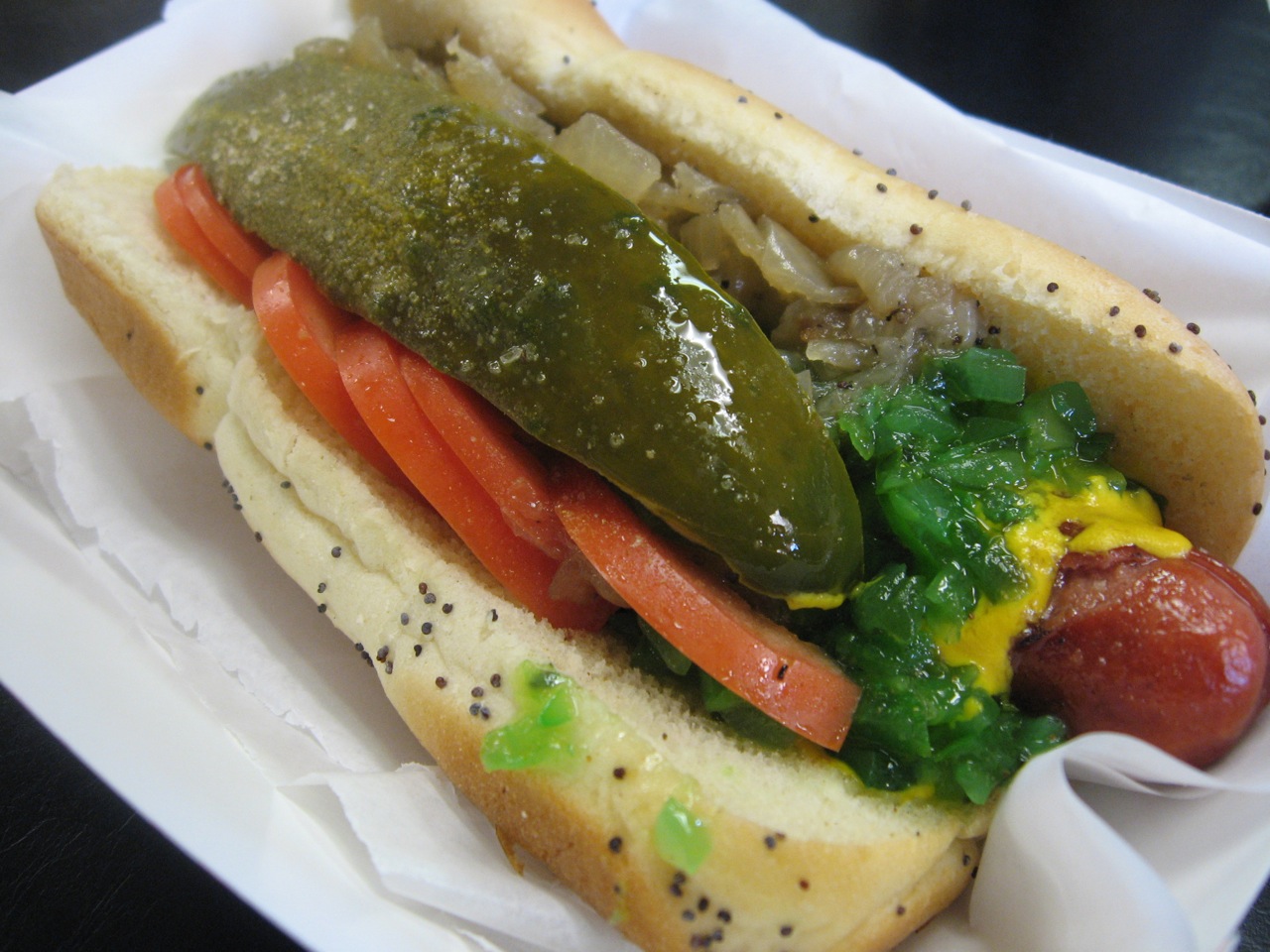
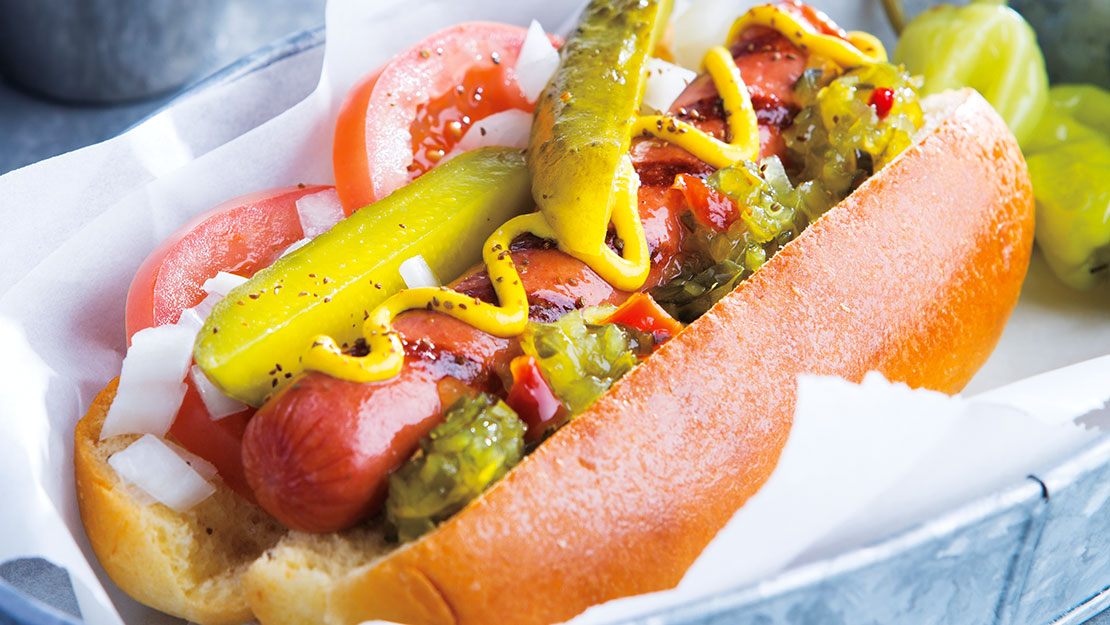
What truly elevates the Chicago hot dog to legendary status is its specific, non-negotiable set of seven toppings, often affectionately referred to as “dragged through the garden.” These ingredients are chosen for their complementary flavors and vibrant colors, creating a culinary experience that is both complex and harmonious.
- Yellow Mustard: This is the starting point, a generous zig-zag of classic yellow mustard laid directly on the frank. Its sharp, tangy profile provides a crucial counterpoint to the richness of the beef.
- Chopped White Onions: Finely chopped raw white onions add a pungent, crisp texture and a sweet-sharp bite that cuts through the other flavors. They are distributed evenly, ensuring a burst of freshness with every bite.
- Bright Green Sweet Pickle Relish (sometimes called “neon relish”): Perhaps the most visually striking component, this relish is famously bright, almost neon green. Its intensely sweet and tangy flavor, combined with a slight crunch, is instantly recognizable and uniquely Chicago. The color is often achieved through food coloring, a quirky but essential part of its identity.
- Dill Pickle Spear: A full, crisp dill pickle spear is tucked alongside the frank within the bun. Its briny, garlicky crunch offers a refreshing contrast and a hearty bite, anchoring the hot dog’s savory profile.
- Tomato Slices or Wedges: Fresh, ripe tomato slices or wedges are carefully placed, adding a juicy, slightly acidic sweetness. They provide a cooling counterpoint and a burst of garden-fresh flavor that brightens the entire composition.
- Pickled Sport Peppers: These small, moderately spicy pickled peppers are crucial for adding a zesty kick. Typically, two to three sport peppers are nestled into the bun, delivering a subtle heat and vinegary tang that lingers delightfully on the palate.
- A Dash of Celery Salt: The final flourish, a sprinkling of celery salt over the entire ensemble. This often-overlooked ingredient is vital, providing a subtle, earthy, and aromatic finish that ties all the flavors together, enhancing their complexity without overpowering them.
More Than Just Food: The Cultural Significance of the Chicago Hot Dog
The Chicago hot dog is more than just a meal; it’s a cultural touchstone, a symbol of local pride, and an integral part of the city’s social fabric. Its ubiquitous presence reflects a deep-seated appreciation for accessible, flavorful, and distinctly local cuisine.
A Culinary Landmark and Local Identity
For many Chicagoans, the hot dog is synonymous with home. It represents the city’s blue-collar roots, its pragmatic approach to food, and its commitment to quality without pretension. It’s the unofficial meal of baseball games, backyard barbecues, and late-night cravings. The specific combination of ingredients is not merely a preference; it’s an adherence to tradition, a shared understanding that transcends mere taste and delves into collective identity. Tourists often seek it out not just for the flavor, but to experience a genuine slice of Chicago life, participating in a culinary ritual passed down through generations.
The Hot Dog Stand Experience: A Community Hub
The places that serve Chicago hot dogs, from bustling street carts to iconic hot dog stands, are often lively community hubs. They are democratic spaces where people from all walks of life gather, united by a shared love for this simple yet profound dish. These establishments often have a no-frills charm, prioritizing speed, efficiency, and consistent quality. The experience of ordering, watching the meticulous assembly, and finally unwrapping your “dog” is part of the overall appeal, fostering a sense of camaraderie and shared experience.
The “No Ketchup” Rule: A Point of Pride and Tradition
Perhaps no aspect of Chicago hot dog culture is as famously debated and fiercely defended as the “no ketchup” rule. To put ketchup on a Chicago hot dog is considered an affront to tradition, a culinary faux pas. The logic is simple: the balanced array of existing toppings provides all the necessary flavors – sweet, savory, tangy, spicy, and umami. Ketchup, with its overwhelming sweetness and tomato flavor, is believed to mask the subtle nuances of the other ingredients, particularly the all-beef frank. While some vendors might offer it for the truly insistent, most hot dog purists will refuse or openly chide customers who dare to ask. This unspoken rule isn’t just about taste; it’s about respecting tradition and understanding the intentionality behind the Chicago hot dog’s design. For tourists, adhering to this rule is a sign of respect and a deeper immersion into local culture.
A Taste of History: Evolution of a Beloved Staple
The Chicago hot dog didn’t appear overnight; it evolved over decades, shaped by immigrant communities and the city’s burgeoning food scene. Its history is as rich and layered as its flavors.
Immigrant Roots and Early Vendors
The origins of the hot dog itself trace back to German immigrants who brought frankfurters and wieners to the United States in the 19th century. In Chicago, Jewish immigrants, particularly those from Eastern Europe, played a pivotal role in popularizing all-beef frankfurters. Early vendors, often setting up pushcarts at street corners, offered these sausages in a bun, creating an affordable and convenient meal for the city’s working class. The 1893 World’s Columbian Exposition in Chicago is often credited with boosting the hot dog’s popularity, as visitors sought quick, inexpensive food options.
The Rise of the Classic Combination
The exact moment the “dragged through the garden” combination solidified is debated, but it’s generally agreed upon that the classic Chicago hot dog assembly came into its own during the Great Depression. During this economically challenging era, street vendors sought to offer a substantial and flavorful meal at a low price. By piling a variety of affordable yet tasty toppings onto the frankfurter, they could provide a filling and satisfying experience for just a nickel. The fresh vegetables, pickles, and peppers added visual appeal and perceived value, transforming a simple hot dog into a complete meal. This pragmatic approach, born of necessity, ultimately created a culinary masterpiece that endured beyond its initial economic context.
Enduring Popularity and Modern Adaptations
Decades later, the Chicago hot dog remains incredibly popular, a testament to its timeless appeal. While some modern establishments might offer variations or gourmet twists, the core “essential seven” remains largely untouched in traditional hot dog stands. This steadfast adherence to tradition is part of its charm and its enduring legacy. It represents a culinary constant in an ever-changing world, a dish that reliably delivers a specific, beloved experience.
Where to Savor the Authentic Experience: Top Hot Dog Destinations in Chicago
Experiencing a Chicago hot dog is incomplete without visiting one of the city’s venerable institutions. These establishments not only serve the iconic dish but also embody the spirit of Chicago hot dog culture.
Iconic Establishments and Local Favorites
Chicago boasts numerous hot dog stands, each with its own loyal following and unique charm. For tourists seeking an authentic taste, a few stand out as essential pilgrimage sites:
- Portillo’s: Perhaps the most famous and widely recognized, Portillo’s offers a quintessential Chicago experience. While they are renowned for their Italian beef sandwiches, their Chicago hot dogs are consistently excellent, served in a lively, nostalgic atmosphere. It’s a great starting point for first-timers.
- Superdawg Drive-In: A true retro gem, Superdawg Drive-In has been serving customers in their cars since 1948. Adorned with giant hot dog mascots on the roof, it offers a distinct drive-in experience where carhops deliver your order. Their hot dogs (dubbed “Superdawgs”) come in a distinctive box with crinkle-cut fries.
- Wiener’s Circle: Famous for its late-night, boisterous atmosphere and “char-dogs” (char-grilled hot dogs), Wiener’s Circle offers a unique, albeit sometimes rowdy, Chicago experience. It’s not for the faint of heart, but it’s undoubtedly memorable.
- Gene & Jude’s: A classic, no-frills stand that has been operating since 1946, Gene & Jude’s is beloved for its commitment to tradition. They serve minimalist hot dogs, often without tomatoes, emphasizing the frank and other core toppings, always nestled in a bed of fresh-cut fries.
- Hot Doug’s (Legacy): Though the original location closed in 2014, Hot Doug’s earned legendary status for its gourmet hot dogs and duck fat fries. Its influence is still felt, and its legacy underscores the city’s innovative spirit within the hot dog world, even as it respects the classic.
Tips for the First-Timer: Embracing the Tradition
For those embarking on their first Chicago hot dog adventure, here are a few tips to enhance the experience:
- Order “with everything”: Unless you have a specific aversion, always ask for your hot dog “with everything” to get the full, authentic Chicago treatment.
- No Ketchup!: Reiterate this golden rule. Embrace the complex flavors as intended. If you absolutely must have ketchup, maybe try a plain hot dog elsewhere.
- Eat it messy: A proper Chicago hot dog is a glorious mess. Don’t be afraid to get a little relish on your chin; it’s part of the fun. Many places will offer plenty of napkins.
- Pair it with fries: Most hot dog stands serve their dogs with a side of fresh-cut fries, often tucked right into the same paper boat as the hot dog, soaking up all the delicious juices.
- Savor the experience: Take a moment to appreciate the history, the culture, and the perfect balance of flavors. You’re not just eating a hot dog; you’re participating in a beloved Chicago tradition.
The Chicago hot dog is a culinary icon for a reason. It’s a masterful blend of simple ingredients elevated to gastronomic art, a flavorful symbol of a city’s proud heritage. For any visitor, experiencing this unique creation is not just a meal; it’s an essential journey into the heart of Chicago culture.
LifeOutOfTheBox is a participant in the Amazon Services LLC Associates Program, an affiliate advertising program designed to provide a means for sites to earn advertising fees by advertising and linking to Amazon.com. Amazon, the Amazon logo, AmazonSupply, and the AmazonSupply logo are trademarks of Amazon.com, Inc. or its affiliates. As an Amazon Associate we earn affiliate commissions from qualifying purchases.