
Planning a magical getaway to Orlando, Florida, is an exciting prospect for many travelers, envisioning days filled with thrilling rides, enchanting characters, and unforgettable experiences at world-renowned theme parks. However, for those looking to visit between late spring and late autumn, a crucial consideration often arises: hurricane season. Understanding when hurricane season occurs in Orlando, what it entails, and how it might impact your travel plans is essential for a smooth and enjoyable vacation. While Florida is known as the Sunshine State, its subtropical climate also means it’s prone to tropical weather systems during certain months. This guide aims to provide a comprehensive overview for travelers, helping them navigate the nuances of visiting Orlando during this particular period, ensuring peace of mind and an informed decision-making process.
Understanding Florida’s Hurricane Season
The term “hurricane season” can sound daunting, but with proper knowledge and preparation, it doesn’t have to derail your vacation plans. It’s a specific period when conditions in the Atlantic Ocean are most conducive to the formation of tropical cyclones, which can develop into tropical storms or hurricanes.
Official Dates and Peak Months
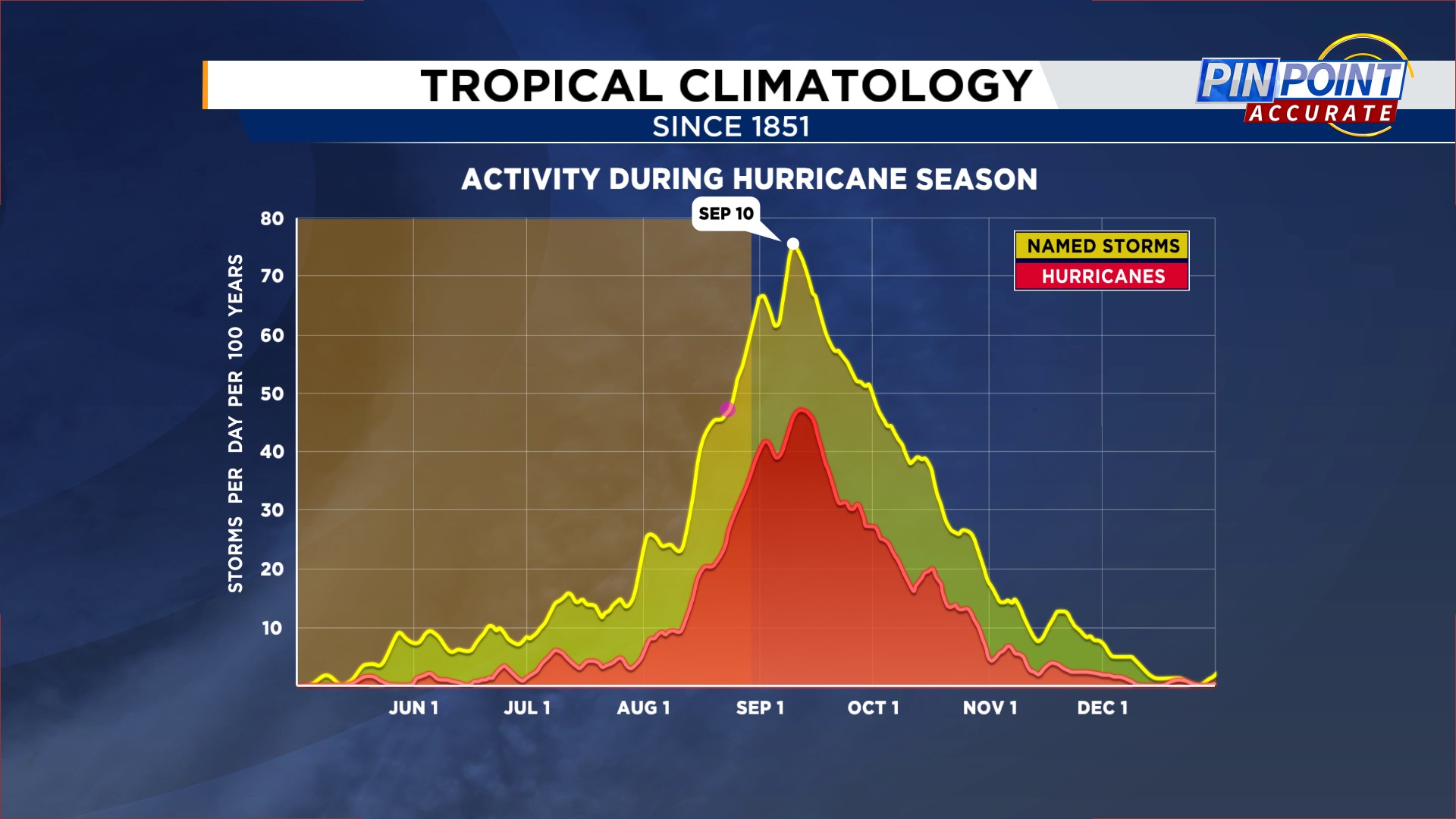
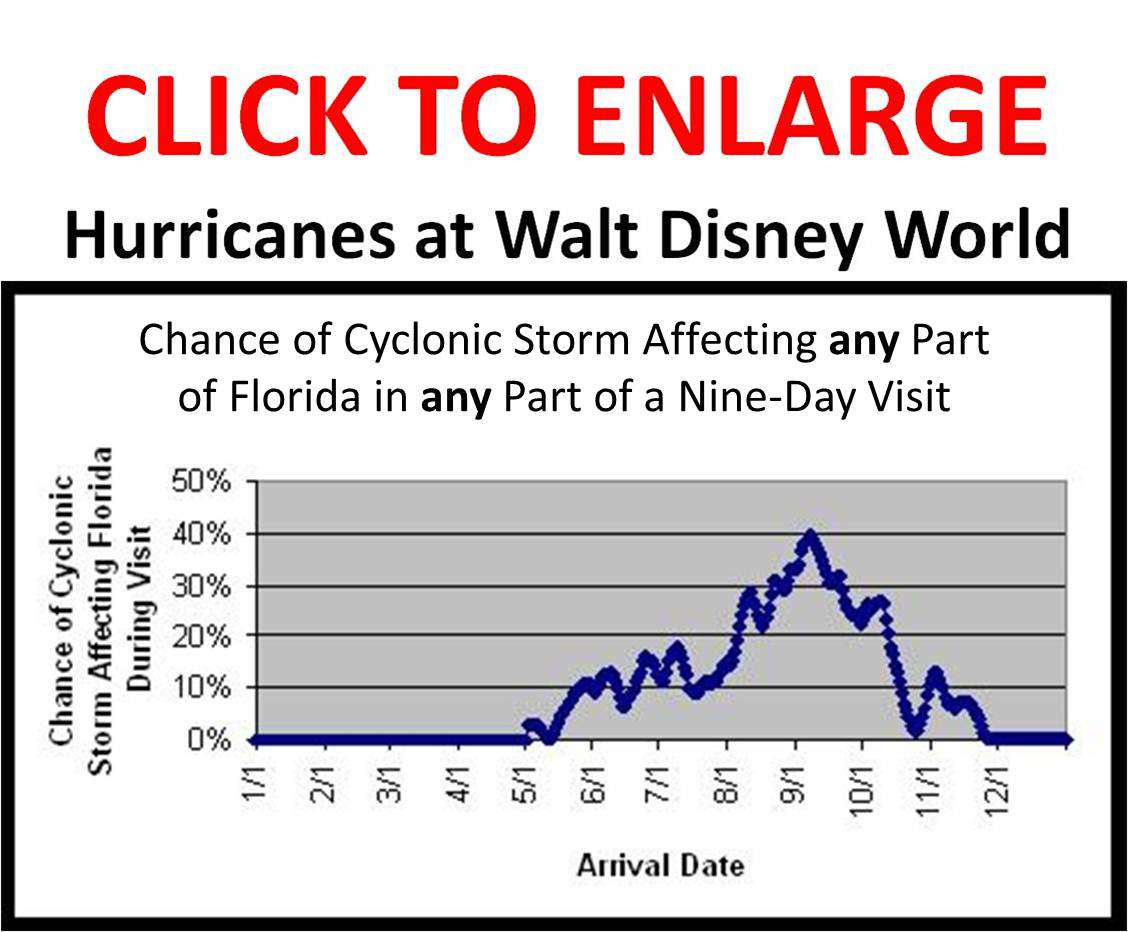
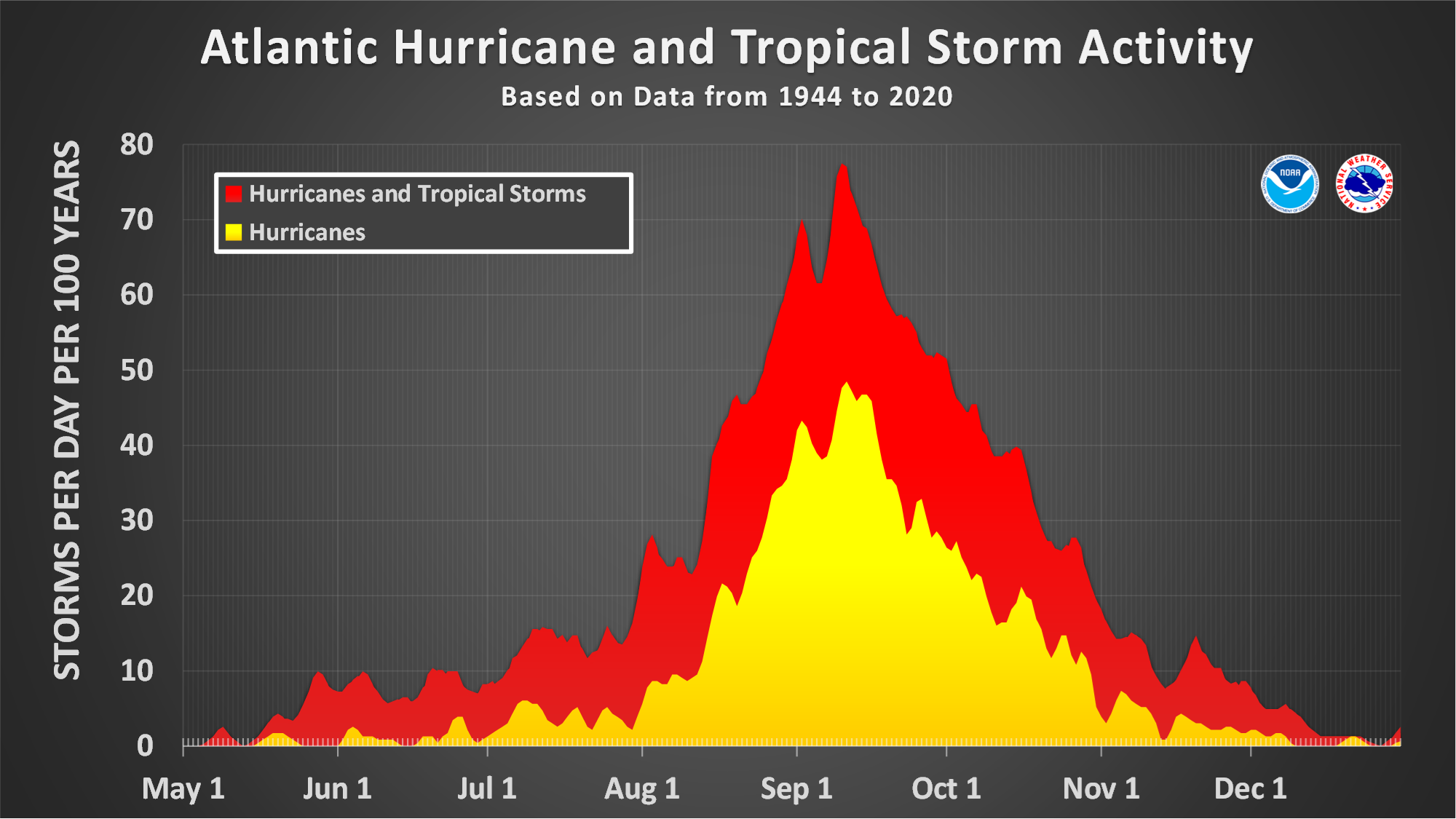
The official Atlantic hurricane season runs annually from June 1st to November 30th. During these six months, the waters are warm enough to fuel the development of these powerful weather systems. While the entire period carries a risk, the season tends to have a “peak” during which the majority of significant storm activity typically occurs. These peak months are generally August, September, and early October. This doesn’t mean every day within these months will see a storm, but historically, the probability of tropical weather impacting Florida is highest during this timeframe. Travelers considering a visit during these months should pay closer attention to weather forecasts and advisories.
What is a Hurricane?
A hurricane is a type of tropical cyclone that forms over tropical or subtropical waters. It is characterized by a low-pressure center, strong winds spiraling inward and upward around the “eye” of the storm, and heavy rainfall. They are categorized by the Saffir-Simpson Hurricane Wind Scale, ranging from Category 1 (74-95 mph winds) to Category 5 (157 mph or higher). While the most severe impacts are typically felt along coastlines, these systems can track inland, bringing their effects to areas like Orlando. The primary concerns for inland areas include heavy rainfall leading to flooding, strong winds that can cause power outages and property damage, and isolated tornadoes.
Orlando’s Unique Position
Orlando’s geographical location provides it with a distinct advantage compared to coastal cities in Florida. Situated in the central part of the state, approximately 60 miles inland from both the Atlantic and Gulf Coasts, Orlando is rarely subjected to the most destructive forces of a hurricane, such as storm surge. When a hurricane makes landfall, it typically weakens significantly as it moves over land. This doesn’t mean Orlando is immune; it can still experience considerable impacts from tropical storms or the weakened remnants of hurricanes, including heavy rains, strong winds (often tropical storm-force), and localized flooding. Direct, high-category hurricane hits are less common, but the possibility of travel disruptions and temporary closures of attractions due to severe weather remains.
Planning Your Orlando Trip During Hurricane Season
Deciding whether to travel to Orlando during hurricane season involves weighing various factors, from potential cost savings to the risk of weather-related disruptions. Smart planning can help mitigate many concerns.
Weighing the Pros and Cons
There are distinct advantages and disadvantages to visiting Orlando during the hurricane season, particularly during its peak months.
- Pros: One of the most significant draws for many travelers is the potential for lower crowd levels. With fewer people traveling due to school being back in session and the perceived risk of weather, lines at popular attractions within Walt Disney World Resort and Universal Orlando Resort can be shorter. This often translates to potentially cheaper flights and accommodations, as demand decreases. You might find better deals on hotel rates and even theme park packages, making a magical vacation more accessible for budget-conscious families.
- Cons: The primary downside is, of course, the risk of travel disruptions. Flights can be delayed or canceled, and roads might become impassable due to flooding. Theme parks and other attractions may experience temporary closures for safety, which could significantly impact your itinerary. Beyond major storms, the season is also characterized by daily afternoon thunderstorms, high humidity, and intense heat, which can be uncomfortable for some visitors. While not as disruptive as a hurricane, these can still lead to temporary ride closures or simply make outdoor activities less enjoyable.
Flexibility and Insurance
When booking a trip during hurricane season, flexibility is paramount. Opt for airlines and accommodations that offer lenient cancellation or rebooking policies without hefty fees. Many Orlando hotels and resorts understand the challenges of hurricane season and may have special “hurricane clauses” in their booking terms, allowing for penalty-free changes if a named storm threatens the area.
Crucially, invest in comprehensive travel insurance. Not all policies are created equal, so it’s vital to read the fine print. Look for policies that specifically cover weather-related cancellations, delays, or interruptions. Some policies may not cover events if a storm has already been named before you purchase the insurance, so early booking of insurance is advisable. This safety net can provide reimbursement for non-refundable expenses like flights, hotel stays, and park tickets if your trip is impacted by a hurricane or tropical storm.
Monitoring Weather Forecasts
Staying informed is one of the most effective ways to manage the risks of hurricane season. Begin monitoring long-range forecasts several weeks before your departure date. As your trip approaches, check daily updates from reputable sources. The National Hurricane Center (NHC) is the authoritative source for tropical weather information in the Atlantic basin, providing official forecasts, advisories, and track predictions. Local Orlando news channels and weather apps also offer real-time updates tailored to the immediate area. Being proactive with weather monitoring allows you to make informed decisions about your travel plans, potentially adjusting dates or routes if a storm becomes a significant threat.
Tips for Travelers: Navigating Hurricane Season in Orlando
If you choose to travel to Orlando during hurricane season, or find yourself there during a tropical weather event, a few proactive steps can help ensure your safety and minimize disruption.
Before You Go
Preparation begins long before you pack your bags. Start by creating a detailed itinerary and sharing it with family or friends who are not traveling with you. Make sure you have all important documents (ID, passports, insurance info, booking confirmations) easily accessible, preferably in a waterproof pouch. When packing, think practicality: include waterproof gear like lightweight rain jackets or ponchos, and an extra pair of comfortable, water-resistant shoes. Even outside of a major storm, Orlando’s afternoon showers can be quite heavy. Consider packing a small emergency kit with basic first-aid supplies, any necessary prescription medications, a portable phone charger, and a flashlight. Stay informed by signing up for weather alerts specific to the Orlando area through local news apps or services, and check the operational updates for theme parks and attractions you plan to visit, as they often post real-time information on their websites and social media channels.
During Your Stay
Should a storm approach or you experience severe weather during your vacation, the most important advice is to follow local authorities’ instructions. This includes any evacuation orders, shelter-in-place advisories, or warnings from hotel staff. Familiarize yourself with your accommodation’s emergency plan upon check-in, including where emergency exits are and what procedures are in place for severe weather. Keep your phone charged and have a battery pack handy for communication. If parks are closed, or the weather is simply too wet for outdoor activities, Orlando still offers a wealth of indoor attractions. Consider visiting the Kennedy Space Center Visitor Complex (though check its specific weather policies, as it’s closer to the coast), the Orlando Science Center, or one of the many indoor entertainment complexes like those at ICON Park or various shopping malls. This allows you to continue enjoying your vacation despite the weather.
Park Policies and Re-Entry
Walt Disney World Resort and Universal Orlando Resort, as well as other major attractions, have well-established hurricane policies designed to prioritize guest safety. If a hurricane warning is issued by the National Hurricane Center for the Orlando area or a guest’s place of residence within 7 days of their scheduled arrival, both Disney and Universal typically allow guests to reschedule or cancel their reservations without penalties. This usually applies to hotel packages and tickets booked directly through them.
In the event of a direct threat, the parks will close. These closures are temporary and are usually announced with sufficient lead time. Once the storm passes and it’s safe, operations resume. It’s crucial to check their official websites or apps for the most current information regarding park closures, re-opening times, and specific policies for ticket holders and resort guests. Understanding these policies in advance can save you stress and potential financial loss.
Beyond the Season: Best Times to Visit Orlando
While hurricane season offers its unique set of challenges and potential benefits, many travelers prefer to visit Orlando outside of this period to minimize weather-related concerns.
The “Sweet Spot” for Travel
For those seeking ideal weather conditions with lower humidity and a reduced risk of tropical storms, the period from late November to May is generally considered the “sweet spot” for visiting Orlando. These months fall outside the official hurricane season, offering more predictable and comfortable weather.
Spring (March-May)
Spring in Orlando is a fantastic time to visit. The temperatures are pleasantly warm but not overly hot or humid, typically ranging from the 70s to low 80s Fahrenheit. The risk of rain is relatively low compared to summer, and the natural beauty of Florida’s flora is often at its peak. While Spring Break periods can bring larger crowds, careful planning around these specific weeks can lead to a truly enjoyable experience with comfortable weather perfect for exploring the theme parks and other outdoor attractions.
Winter (December-February)
Orlando winters are famously mild and sunny, making it an excellent escape from colder climates. Temperatures often hover in the 60s and 70s Fahrenheit during the day, with cooler evenings. This season is particularly appealing for those who prefer cooler weather for walking around the parks. Crowds can be significant around major holidays like Christmas and New Year’s, when festive events and decorations add an extra layer of magic to the destination. However, the rest of the winter months typically offer pleasant conditions with manageable crowd levels.
Early Summer (June)
The very beginning of hurricane season, particularly the month of June, can still be a good time to visit for some travelers. While officially within the season, the peak of storm activity typically hasn’t begun yet. Temperatures are hot, and humidity starts to climb, but afternoon showers are usually brief and refreshing. Crowds may be slightly lower than the absolute peak summer months, making it a viable option for those who don’t mind the heat and want to get a head start on their summer vacation before the full intensity of the hurricane season unfolds.
In conclusion, while hurricane season in Orlando, Florida, runs from June 1st to November 30th with a peak in August, September, and early October, a visit during this time is far from impossible. With thorough preparation, a flexible mindset, comprehensive travel insurance, and diligent monitoring of weather forecasts, travelers can still enjoy a memorable and magical experience. For those who prefer to minimize weather risks, the spring and winter months offer a delightful alternative with pleasant temperatures and lower humidity, ensuring a comfortable and carefree Orlando adventure.
LifeOutOfTheBox is a participant in the Amazon Services LLC Associates Program, an affiliate advertising program designed to provide a means for sites to earn advertising fees by advertising and linking to Amazon.com. Amazon, the Amazon logo, AmazonSupply, and the AmazonSupply logo are trademarks of Amazon.com, Inc. or its affiliates. As an Amazon Associate we earn affiliate commissions from qualifying purchases.