
The Chicago Marathon is one of the world’s most anticipated and celebrated long-distance running events, drawing tens of thousands of participants and millions of spectators to the vibrant city of Chicago, Illinois, each year. More than just a race, it’s a monumental civic event that transforms the city into a sprawling festival of athleticism, community spirit, and endurance. For tourists, whether they’re coming to run, cheer on a loved one, or simply soak in the electrifying atmosphere, understanding the precise timing of the race is paramount for planning a seamless and unforgettable experience. This guide delves into the specifics of race day, offering insights for both participants and spectators to navigate the marathon weekend effectively and enjoy all that Chicago has to offer.
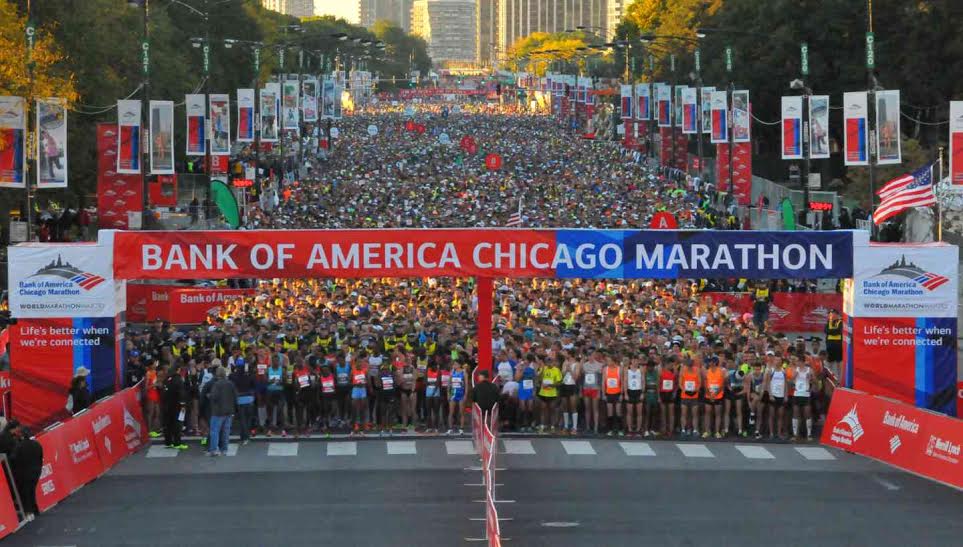
The Definitive Guide to Race Day Timing
The Chicago Marathon typically takes place on the second Sunday in October. While the specific date shifts annually, the day of the week remains consistent, ensuring ample time for weekend travel and preparation. The early autumn timing is strategically chosen to leverage Chicago’s often crisp, cool weather, ideal for marathon running. However, the exact start times for various waves and divisions are meticulously planned to ensure a smooth flow of runners and a safe, enjoyable event for everyone involved.
Understanding the Staggered Start
To manage the massive field of over 45,000 runners, the Chicago Marathon employs a carefully orchestrated staggered start system. This method involves releasing runners in waves based on their anticipated finish times, known as “corral assignments.” These assignments are determined by a runner’s qualifying time or estimated pace submitted during registration. This system not only reduces congestion on the course but also enhances safety and allows runners to maintain their desired pace more effectively.
Key Start Times for Runners
The earliest activities for runners begin well before sunrise, with access to the secure start area in Grant Park opening at 5:30 AM. It’s crucial for participants to arrive early, as security checks and bag drop-offs can take considerable time. The competitive wheelchair races typically kick off the event, followed by the elite women, and then the elite men, before the main waves of general participants begin their journey.
- 5:30 AM: Grant Park Access Opens for Participants
- 7:20 AM: Marathon Wheelchair Start (Men)
- 7:21 AM: Marathon Wheelchair Start (Women)
- 7:23 AM: Handcycle Start
- 7:30 AM: Elite Runner Start (Women)
- 7:30 AM: Wave 1 Start (Red Corral, generally the fastest amateur runners)
- 7:37 AM: Elite Runner Start (Men)
- 8:00 AM: Wave 2 Start (Blue Corral)
- 8:30 AM: Wave 3 Start (Orange Corral)
These times are approximate and subject to minor changes each year, so participants must always refer to the official Chicago Marathon website for the most up-to-date schedule specific to their race year. Runners are advised to be in their assigned corrals at least 15-30 minutes before their designated wave start time.
Spectator Arrival Recommendations
For spectators, understanding the start times is equally important for planning their viewing strategy. If you want to witness the sheer spectacle of the start line or catch your runner as they embark on their 26.2-mile journey, arriving at Grant Park well before 7:00 AM is recommended. Prime viewing spots along Michigan Avenue near the start line fill up quickly. Remember that the start area itself is a secure zone for participants only, so spectators will need to find vantage points just outside this area. For those cheering on later waves, a slightly later arrival might be feasible, but considering the sheer volume of people and potential public transport delays, earlier is always better.
Planning Your Marathon Weekend in Chicago
The Chicago Marathon is not just a Sunday event; it’s a full weekend experience that draws thousands to Chicago. Planning your visit involves more than just knowing when the race starts; it means embracing the broader festivities and navigating the city like a seasoned tourist.
Pre-Race Activities: Expo and Packet Pick-Up
The marathon weekend officially kicks off on Friday with the Bank of America Chicago Marathon Health & Fitness Expo. Located at McCormick Place, this two-day event (Friday and Saturday) is mandatory for all registered runners to pick up their race packet, including their bib, timing device, and gear check bag. The Expo is also a significant attraction for spectators, featuring hundreds of exhibitors showcasing the latest in running gear, nutrition, and fitness technology. It’s a vibrant hub of excitement, anticipation, and community, offering photo opportunities, official merchandise sales, and informational sessions. Even if you’re not running, visiting the Expo provides a fantastic immersion into the marathon atmosphere.
Beyond the Race: Experiencing Chicago as a Tourist
While the marathon is the centerpiece, Chicago offers an incredible array of attractions that tourists can explore throughout the weekend. The city boasts world-class museums such as the Art Institute of Chicago and the Field Museum, stunning architecture that can be admired on an architectural boat tour, and iconic landmarks like Millennium Park and the Magnificent Mile for shopping. Consider visiting vibrant neighborhoods like Pilsen for its murals, Chinatown for authentic cuisine, or Boystown for its lively atmosphere. Given that the marathon consumes Sunday morning, plan your sightseeing for Friday afternoon, Saturday, or Sunday afternoon once the race action has subsided.
Navigating the City on Race Day
Race day in Chicago brings significant road closures and altered public transportation schedules. The marathon course winds through 29 neighborhoods, meaning many streets are inaccessible to vehicular traffic for several hours. The CTA (Chicago Transit Authority) ‘L’ train and bus system becomes the most efficient way to get around. Familiarize yourself with the CTA map and potential service changes in advance. Many stations offer direct access to various points along the course, allowing spectators to move around and catch their runners at multiple locations. Purchase a Ventra card or contactless payment method for easy travel.
Essential Tips for Spectators
Being a spectator at the Chicago Marathon is an experience in itself, filled with energy, camaraderie, and inspiring moments. To make the most of it, strategic planning is key.
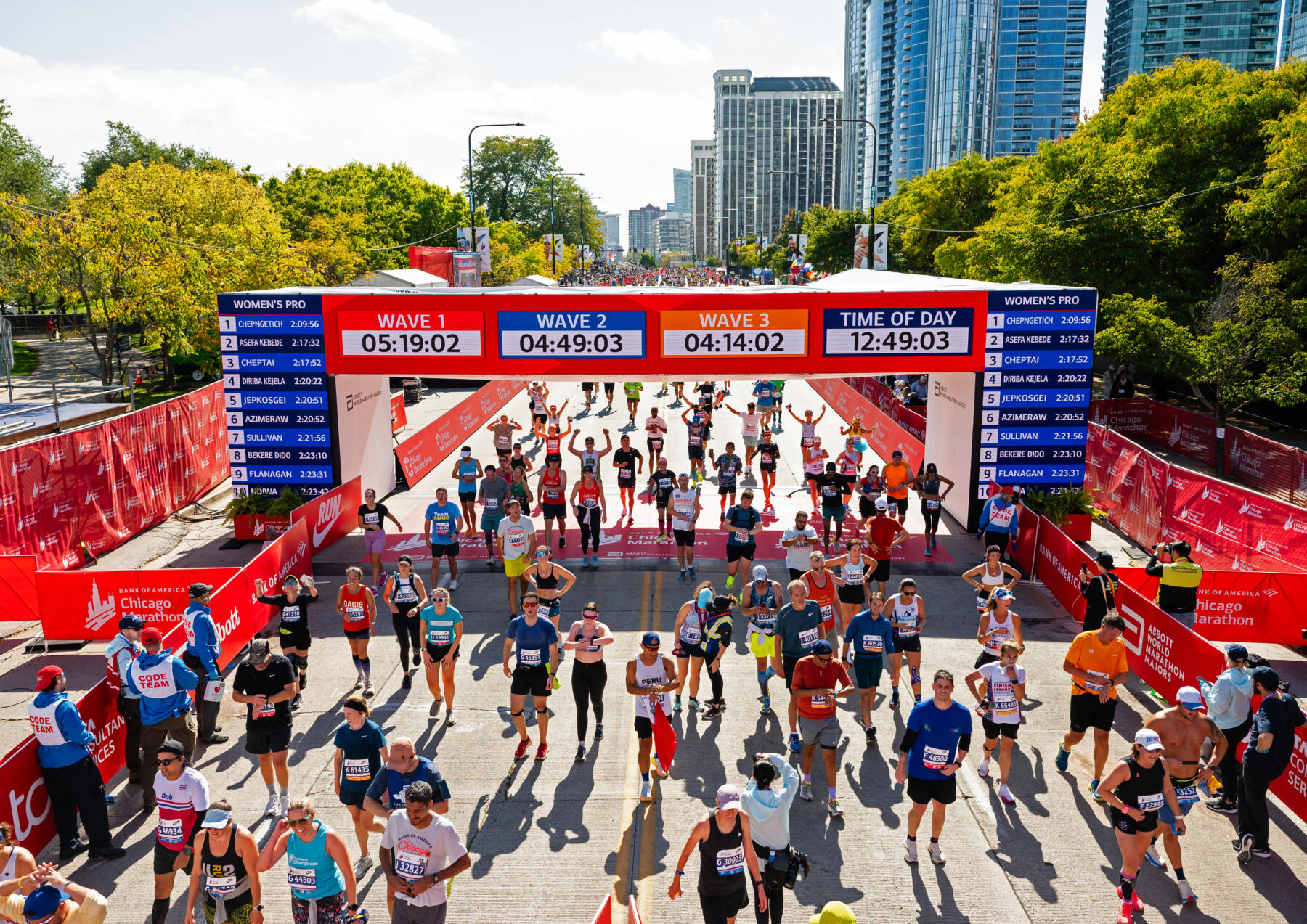
Best Viewing Spots Along the Course
The 26.2-mile course offers numerous fantastic viewing opportunities beyond the start and finish lines. Some popular spots include:
- Miles 1-3 (Near the Start/Loop): Catch the early excitement. Areas along Columbus Drive and Grand Avenue are good.
- Miles 5-7 (Lincoln Park): A beautiful stretch with tree-lined streets and strong crowd support as runners head north.
- Mile 8-10 (Old Town/Near North Side): Bustling neighborhoods offer great energy and plenty of food/drink options.
- Mile 13 (Halfway Point in the West Loop): A psychological boost for runners and often high-energy crowds.
- Mile 16 (Pilsen/18th Street): Known for its vibrant murals, mariachi bands, and incredible community support.
- Miles 20-22 (Chinatown/South Loop): Another culturally rich area with unique cheering squads and lively atmosphere.
- Miles 25-26 (Michigan Avenue/Roosevelt Road): The final stretch before the finish, where runners dig deep. The energy here is palpable.
Consider choosing one or two strategic locations that are easily accessible via the CTA to avoid excessive travel time on race day. Using the official marathon app to track your runner’s progress in real-time can help you time your movements perfectly.
Public Transportation and Road Closures
As mentioned, the CTA is your best friend on marathon Sunday. Roads begin closing very early in the morning (some as early as 4:00 AM) and remain closed until the last runners clear the course, which can be well into the afternoon. Parking near the course is virtually impossible, and taxis or rideshares will face significant detours and delays. Plan your CTA routes in advance, taking into account any planned service adjustments posted by the marathon organizers or CTA. Walking is also an excellent option for moving between nearby viewing points.
Fueling Your Day: Food and Drink Options
Spectating for several hours, particularly if you’re moving between locations, requires energy. Pack snacks, water, and perhaps even a thermos of coffee. Many coffee shops, cafes, and restaurants along the course will be open, but expect them to be very busy. Researching options near your chosen viewing spots beforehand can save time and frustration. Some neighborhoods, like Pilsen or Chinatown, offer unique local eateries that provide a memorable culinary experience while you cheer.
Participating in the Chicago Marathon
For those dreaming of running the Chicago Marathon, understanding the commitment extends beyond race day timing. It’s a journey that begins long before the start gun fires.
Registration and Qualification
Gaining entry to the Chicago Marathon can be challenging due to its popularity. Registration typically opens in the autumn of the year prior to the race. There are several ways to enter:
- Guaranteed Entry: Achieved by meeting time standards, running for a charity partner, deferring from a previous year, completing multiple Chicago Marathons, or being part of an international tour group.
- Non-Guaranteed Entry (Lottery): A significant number of spots are allocated through a random drawing. Hopeful runners enter the lottery during a specific application window.
It is vital to check the official marathon website for the exact registration dates and detailed entry requirements, as these can change annually.
Training and Preparation Advice
Once accepted, the real work begins. Training for a marathon is a multi-month commitment requiring physical and mental discipline. A typical training plan spans 16-20 weeks, gradually increasing mileage and incorporating speed work, tempo runs, and long runs. Proper nutrition, hydration, cross-training, and adequate rest are all crucial components of a successful training cycle. Many runners join local running clubs or online communities for support and structured training plans. For those traveling from afar, acclimatization to Chicago’s urban environment and potential weather variations is also a factor to consider in the final weeks leading up to the race.
Race Day Logistics for Runners
On race day, precise timing and adherence to instructions are paramount. Arriving at Grant Park early allows ample time for security checks, gear drop-off, and using the porta-potties. Locate your assigned corral well in advance. Hydration and nutrition during the race are critical; familiarize yourself with the water and aid station locations along the course. Remember to pace yourself, listen to your body, and soak in the incredible energy from the crowds. Crossing that finish line in Grant Park is an unforgettable achievement.
The Chicago Marathon Experience: More Than Just a Race
The Chicago Marathon is deeply woven into the fabric of the city, representing far more than just a 26.2-mile footrace. It’s a cornerstone of Chicago’s annual tourism calendar and a testament to community spirit.
The Economic and Cultural Impact on Chicago
The event generates significant economic impact for Chicago, drawing hundreds of thousands of visitors who contribute to local businesses through hotel stays, dining, shopping, and transportation. Culturally, it showcases the city’s diverse neighborhoods, each offering unique energy and support to the runners. The marathon is a powerful expression of Chicago’s welcoming spirit, resilience, and pride. It inspires health and wellness initiatives and fosters a sense of unity across different communities.

A Community Celebration
From the cheer zones organized by local groups and charities to the impromptu musical performances along the route, the Chicago Marathon is a true community celebration. Volunteers line the streets, offering water, encouragement, and aid. Families gather with handmade signs, and neighbors host block parties to watch the spectacle unfold. For tourists, it offers a unique opportunity to witness Chicago at its most vibrant and united, demonstrating the city’s robust character and its capacity to host world-class events that resonate deeply with both locals and international visitors. Whether you’re chasing a personal best or simply cheering from the sidelines, the Chicago Marathon weekend promises an exhilarating and unforgettable experience.
LifeOutOfTheBox is a participant in the Amazon Services LLC Associates Program, an affiliate advertising program designed to provide a means for sites to earn advertising fees by advertising and linking to Amazon.com. Amazon, the Amazon logo, AmazonSupply, and the AmazonSupply logo are trademarks of Amazon.com, Inc. or its affiliates. As an Amazon Associate we earn affiliate commissions from qualifying purchases.